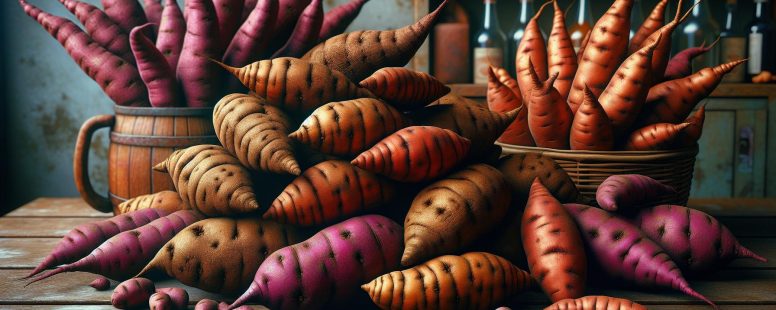
Picture this: you’re at the grocery store, staring at a pile of orange and brown tubers, wondering which one’s a yam and which one’s a sweet potato. They look similar, but are they really the same? These two root vegetables have sparked endless confusion, leaving many to believe they’re interchangeable. Spoiler alert—they’re not.
Yams and sweet potatoes each bring unique flavors, textures, and nutritional benefits to the table. Whether you’re crafting a cozy holiday dish or exploring new recipes, understanding their differences can elevate your meals. So, how do you tell them apart, and why does it matter? Let’s dig in and uncover the truth behind these often-misunderstood staples.
What Are Yams?
Yams are starchy tubers native to Africa and Asia. They differ from sweet potatoes in texture, flavor, and origin, often leading to confusion.
Origins And Characteristics
Yams originate primarily from Africa and parts of Asia. They’re part of the Dioscorea genus, growing in tropical and subtropical regions. There are over 600 species of yams, with varying sizes, shapes, and colors. For example, some yams weigh a few pounds, while others reach up to 150 pounds. Their skin is rough, scaly, and brown, resembling tree bark, while their flesh ranges from white to yellow or purple, depending on the species.
Yams have a drier texture and more neutral flavor compared to sweet potatoes. They require thorough cooking to become edible, as raw yams contain compounds that can be toxic. Wild species are often bitter due to these toxic alkaloids, while cultivated varieties are bred for improved taste and safety.
Common Culinary Uses
Yams play significant roles in traditional African, Caribbean, and Southeast Asian cuisines. They’re often boiled, baked, or fried, commonly used in dishes like pounded yam, fufu, or yam porridge in West Africa. For example, pounded yam is prepared by boiling yam chunks and mashing them into a smooth dough-like consistency.
In Caribbean dishes like yam and saltfish, yams are boiled and served alongside salted codfish seasoned with spices. Southeast Asian dishes often add grated or sliced yam to desserts like bubur cha cha, a sweet coconut soup.
Yams are also significant during cultural celebrations. Some communities use yams symbolically, such as in harvest festivals where they’re offered in gratitude for abundance. When cooking yams, their starchy yet firm texture provides a unique base for savory or sweet recipes.
What Are Sweet Potatoes?
Sweet potatoes are vibrant, nutrient-rich root vegetables from the Convolvulaceae family. They’re often mistakenly identified as yams due to their similar appearance but have distinct biological and culinary differences.
Origins And Characteristics
Sweet potatoes trace their origins to Central and South America, where they were cultivated over 5,000 years ago. Botanically, they’re classified as Ipomoea batatas. Unlike yams’ rough, scaly skin, sweet potatoes have smoother, thinner skin that varies from beige to coppery orange. Their flesh ranges in color, including hues of white, orange, and even deep purple, depending on the cultivar.
These naturally sweet vegetables thrive in tropical and subtropical climates, requiring loose, sandy soil for optimal growth. They’re a rich source of beta-carotene, especially the orange-fleshed varieties, which your body converts into vitamin A.
Common Culinary Uses
You can use sweet potatoes in savory or sweet dishes, making them a versatile ingredient. They’re often baked, roasted, mashed, or made into fries in Western cuisines. For example, baked sweet potatoes with cinnamon and honey make a comforting side dish.
In Asian cuisine, they’re sliced and simmered in coconut milk for desserts or added to soups. Sweet potato pie is an iconic dish in Southern U.S. cooking, showcasing their natural sweetness. They’re also dried to create flour for gluten-free baking. With their mix of textures and mild sweetness, sweet potatoes enhance any meal.
Key Differences Between Yams And Sweet Potatoes
Yams and sweet potatoes differ significantly even though often being mislabeled interchangeably. Recognizing these distinctions is essential for choosing the right ingredient for your dish.
Taste And Texture
Yams have a dry, starchy texture and a mild, earthy flavor. Their neutral taste makes them ideal for savory dishes like pounded yam or yam and saltfish. Sweet potatoes, on the other hand, are moist and sweet, with varieties like orange-fleshed sweet potatoes being particularly sugary. Their creamy texture suits casseroles, pies, and baked goods.
Nutritional Value
Yams are higher in carbohydrates and provide dietary fiber, potassium, and vitamin C. But, they lack the high beta-carotene content found in sweet potatoes, which is why orange sweet potatoes are an excellent source of vitamin A. Sweet potatoes also contain lower calories per serving, making them a nutrient-dense option for balanced diets. Choose yams for energy-rich meals or sweet potatoes for antioxidant-rich dishes.
Appearance And Color
Yams have rough, scaly brown skin, often resembling tree bark, with flesh that can be white, purple, or yellow. In contrast, sweet potatoes feature smooth, thin skin varying from beige to copper, with flesh ranging from creamy white to deep orange or purple. Their distinct colors make identification straightforward when you know what to look for.
How To Choose Between Yams And Sweet Potatoes
Understanding how yams and sweet potatoes differ lets you select the best option for your cooking needs. Consider their distinct properties, culinary uses, and availability when making a choice.
Cooking Methods And Recipes
Cooking techniques vary based on the vegetable’s texture and flavor. Yams, with their dry and starchy texture, work well in dishes like yam fries, pounded yam, or boiled yam paired with stews. Longer cooking times are needed since yams must be cooked thoroughly for safety. For instance, yam-based curries are common in African and Caribbean recipes, adding depth to savory meals.
Sweet potatoes, on the other hand, are moist and naturally sweet, lending themselves to versatile cooking options like roasting, baking, or mashing. Sweet potato casseroles, pies, or fries are classic examples. Varieties such as Japanese sweet potatoes, with their firmer texture and subtly sweet flesh, are great for roasting, while orange-fleshed sweet potatoes enhance desserts with their vibrant color and flavor.
Regional Preferences And Availability
The choice between yams and sweet potatoes often depends on regional availability and cultural traditions. True yams dominate African, Caribbean, and Southeast Asian cuisines due to their native origins and integration into cultural dishes. In contrast, sweet potatoes are more common in the Americas and other parts of the world. For example, Southern U.S. comfort foods often feature sweet potatoes in dishes like candied yams—a misnomer—as well as in sweet potato pie.
Local availability affects accessibility, especially in areas where one vegetable is more likely imported. Yams are harder to find in U.S. supermarkets, while the term “yam” often refers to orange-fleshed sweet potatoes due to historical mislabeling. Recognizing this distinction clarifies recipe interpretations and enhances your culinary outcomes.
Conclusion
Understanding the differences between yams and sweet potatoes can transform the way you approach cooking and meal planning. Each offers unique flavors, textures, and nutritional benefits that cater to different culinary needs and preferences.
By recognizing their distinct characteristics, you can confidently choose the right ingredient for your dishes and explore the rich cultural traditions tied to both. Whether you’re preparing a hearty yam-based dish or a sweet potato dessert, knowing what sets them apart ensures a more flavorful and informed cooking experience.
To provide the best experiences, we use technologies like cookies to store and/or access device information. Consenting to these technologies will allow us to process data such as browsing behaviour or unique IDs on this site. Not consenting or withdrawing consent, may adversely affect certain features and functions.
Functional
Always active
The technical storage or access is strictly necessary for the legitimate purpose of enabling the use of a specific service explicitly requested by the subscriber or user, or for the sole purpose of carrying out the transmission of a communication over an electronic communications network.
Preferences
The technical storage or access is necessary for the legitimate purpose of storing preferences that are not requested by the subscriber or user.
Statistics
The technical storage or access that is used exclusively for statistical purposes.The technical storage or access that is used exclusively for anonymous statistical purposes. Without a subpoena, voluntary compliance on the part of your Internet Service Provider, or additional records from a third party, information stored or retrieved for this purpose alone cannot usually be used to identify you.
Marketing
The technical storage or access is required to create user profiles to send advertising, or to track the user on a website or across several websites for similar marketing purposes.