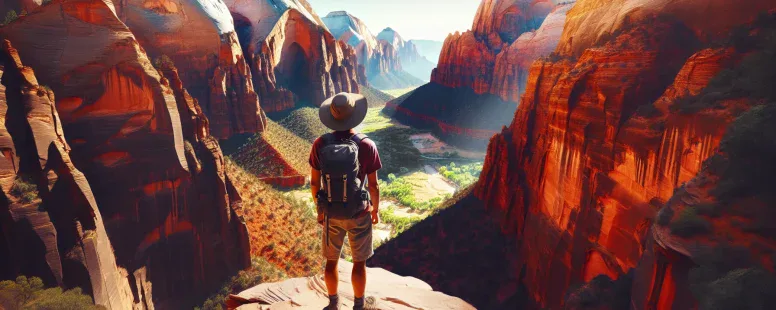
Picture standing at the edge of a vast canyon, the sun casting fiery hues across towering cliffs that seem to touch the sky. You’re torn between two iconic destinations—Zion and Bryce—each offering jaw-dropping landscapes and unforgettable adventures. But which one will leave you breathless in the best way?
Zion dazzles with its dramatic sandstone cliffs and winding slot canyons, inviting you to explore hidden trails and vibrant wildlife. Bryce, on the other hand, stuns with its otherworldly hoodoos and expansive amphitheaters that feel like stepping into a surreal painting. Both parks boast unique wonders, but your choice depends on the kind of experience you crave. Ready to uncover which park suits your spirit of adventure? Let’s jump into what makes Zion and Bryce stand apart.
Overview of Zion and Bryce National Parks
Zion and Bryce National Parks each offer a remarkable landscape that your adventurous spirit craves. Situated in southern Utah, these parks differ widely in geography, atmosphere, and experiences, making a thorough comparison essential.
Location and Accessibility
Zion National Park lies near Springdale, easily reachable via Utah State Route 9. The park’s main entrance opens directly to a shuttle system, easing access to popular trails such as Angels Landing and The Narrows. In contrast, Bryce Canyon National Park, positioned near Bryce Canyon City along Utah State Route 63, offers a less crowded gateway. Its higher elevation requires preparation for sudden weather changes, but its road access suits your own vehicle travel if you prefer to explore at your own pace.
While Zion’s proximity to a bustling town and shuttle convenience enhances accessibility, Bryce’s remoteness provides a quieter retreat. Depending on your preference for ease or solitude, these locations guide your choice effectively.
Unique Features of Each Park
Zion captivates with towering Navajo Sandstone cliffs, their reds and pinks glowing under the sun’s shifting angles. The park’s slot canyons, such as The Narrows, challenge you with narrow river hikes that feel like moving through nature’s cathedral. Wildlife sightings include desert bighorn sheep and the elusive Mexican spotted owl, enriching your wilderness experience.
In contrast, Bryce enchants with its hoodoos—tall, thin spires of rock formed by frost-wedging and erosion. The park’s massive amphitheaters create a surreal, almost otherworldly vista. You might notice the Bryce’s elevation at over 8,000 feet contributes to cooler temperatures and snow in winter, affecting your visit timing and activities. The park’s dark skies, certified as a Dark Sky Park, showcase the Milky Way in vivid detail, perfect for astronomy enthusiasts.
Both parks evoke awe but in distinct ways: Zion offers dramatic vertical landscapes shaped by water erosion, while Bryce’s story is told through intricate rock formations sculpted by frost and wind. Your choice depends on whether you seek exhilarating hikes through narrow canyons or serene contemplation amid surreal stone towers.
These differences shape your visit’s character, making each park a unique chapter in exploring Utah’s natural wonders. By understanding what defines Zion and Bryce, you tailor your adventure to suit your interests and expectations.
Scenic Attractions and Natural Beauty
Both Zion and Bryce offer spectacular natural beauty, but the way they showcase it differs considerably. Each park immerses you in landscapes that tell ancient geological stories, creating unforgettable experiences.
Zion’s Canyons and Hiking Trails
Zion enchants you with its towering sandstone canyons and winding trails that beckon adventurers of all levels. Walking through the narrows of Zion Canyon reveals walls soaring over 1,000 feet, sculpted by the Virgin River over millions of years (National Park Service). You’ll find trails like Angels Landing, which challenges you physically and rewards you with breathtaking panoramic views. The park’s diverse ecosystems host species like bighorn sheep and California condors, adding wildlife encounters to your hike. When you’re navigating those cliffside paths, remember you’re treading a landscape shaped by both time and nature’s forces—a reminder of your place in earth’s long timeline.
Bryce’s Hoodoos and Viewpoints
Bryce captivates with thousands of hoodoos—spiky rock formations formed by frostweathering and erosion—clustered in vast amphitheaters. Those vibrant orange and red pillars form an alien skyline you can admire from viewpoints like Sunrise Point and Bryce Point. The park’s higher elevation cools the air, offering a different climate and vegetation compared to Zion (US Geological Survey). If you wonder how such unique shapes formed, it’s the interplay between water, ice, and sediment layers over millions of years that crafted this surreal landscape. From the rim trails, you often spot mule deer and ravens, weaving life into the park’s quiet beauty.
Park
Key Features
Notable Trails/Viewpoints
Unique Wildlife
Landscape Characteristics
Zion
Towering sandstone cliffs, slot canyons
Angels Landing, Narrows
Bighorn sheep, California condor
Deep canyons, diverse ecosystems
Bryce
Hoodoos, expansive amphitheaters
Sunrise Point, Bryce Point
Mule deer, ravens
Frost-eroded rock formations, cooler climate
Exploring Zion’s narrow canyons or Bryce’s hoodoo forests lets you witness the magnificent artistry of natural forces. Your preference hinges on whether you seek the thrill of rugged hikes framed by colossal cliffs or the serene marvel of otherworldly rock spires glowing at sunset. Critics might argue one park outshines the other, but your journey reveals nature’s vast creativity in both settings.
So, which feeling draws you—standing at the edge of a dizzying precipice or gazing into an amphitheater of red stone sentinels? Pick your path, lace your boots, and immerse yourself where geology and beauty collide.
Activities and Experiences
Choosing between Zion and Bryce means considering the distinct activities each park offers. Both parks promise unforgettable adventures, yet the experiences differ sharply, reflecting their unique landscapes and ecosystems.
Popular Activities in Zion
In Zion, hiking becomes an immersive journey through time and terrain. Trails like Angels Landing test your nerve and reward you with panoramic views overlooking the sprawling canyon below. If you crave a water-based challenge, the Narrows beckons—a river hike through slot canyons where the walls close in on you, and the play of light and shadow transforms the narrow corridor into a living sculpture. Zion’s shuttle system eases access to key trailheads, letting you focus on the breathtaking surroundings rather than parking logistics.
You can also explore Zion by bike or horseback, each offering a unique perspective on the towering sandstone cliffs and abundant wildlife, such as bighorn sheep. For photography enthusiasts, dawn at Canyon Overlook provides golden hues perfect for capturing the park’s monumental scale. Adventure seekers may again choose lesser-known routes like Hidden Canyon, where chains and ladders assist in navigating sheer rock faces, turning a hike into a vertical expedition.
What to Do in Bryce
Bryce offers a contrasting pace, inviting you to marvel at its surreal hoodoos and vast amphitheaters. The Rim Trail lets you stroll alongside thousands of these rock spires, their colors shifting from fiery reds to soft pastels as the sun moves across the sky. Unlike Zion’s physical challenges, Bryce rewards quiet contemplation and gentle walking, although the park includes more strenuous options like the Fairyland Loop if you’re up for it.
Stargazing ranks among Bryce’s defining experiences. Situated at high elevation and far from urban light pollution, it has been designated an International Dark Sky Park. You might find yourself lying on your back, watching the Milky Way paint the night sky, wondering about the timeless forces that carved the hoodoos beneath you.
Guided ranger programs deepen understanding of the park’s geology and ecology, offering interactive layers to your visit. Wildlife watchers spot mule deer and ravens, their presence reminding you that this otherworldly landscape teems with life.
Each park crafts its stories differently: Zion’s adrenaline-filled hikes challenge your limits amid colossal cliffs, while Bryce’s tranquil vistas invite reflection, connecting you to Earth’s ancient artistry. Choosing your adventure depends on whether thrill or tranquility ignites your spirit; either path offers a profound communion with nature’s grandeur.
Wildlife and Environment
You encounter striking differences in wildlife and environmental features between Zion and Bryce, each offering distinct ecosystems shaped by elevation, climate, and geography. Understanding these differences can enrich your visit, lending deeper appreciation for these parks’ natural heritage.
Flora and Fauna in Zion
Zion presents a desert oasis where diverse plants and animals thrive among sandstone cliffs and narrow canyons. You’ll find towering cottonwoods and box elders lining Virgin River’s banks, creating vital riparian habitats. In contrast, Utah juniper and pinyon pine dominate the higher dry slopes. If you listen closely in the early morning or late afternoon, the call of the canyon wren or the sight of a sleek ringtail cat might surprise you.
Zion’s varied elevation ranges from roughly 3,600 to over 8,700 feet, allowing for multiple ecological zones. This vertical diversity supports mammals like mule deer, bighorn sheep, and even reclusive mountain lions, although spotting the latter is rare. Intriguing reptile species such as the desert spiny lizard and the collared lizard bask on sunlit rocks. The park also hosts California condors, reintroduced to restore the fragile ecosystem, soaring overhead with their massive wingspans.
These flora and fauna create complex interactions. For example, you might notice how shrubs provide cover for smaller rodents, which in turn sustain predator populations. Such intricate webs show nature’s balance in Zion isn’t static; it’s a dynamic theater playing out beyond human schedules.
Wildlife Highlights in Bryce
Bryce, perched between 8,000 and 9,000 feet elevation, immerses you in a cooler, forested environment dominated by Ponderosa pines, Douglas firs, and quaking aspens. Unlike Zion’s sandstone warmth, Bryce’s environment feels brisk, fostering a different cast of creatures. You’ll likely spot mule deer near dawn or dusk, gracefully navigating the rocky amphitheaters. Ravens and Steller’s jays perch conspicuously, their calls echoing off hoodoo-studded cliffs.
Bryce’s cooler climate supports rarer sightings such as the elusive Utah prairie dog, a threatened species protected within the park. Birdwatchers delight in the presence of peregrine falcons and golden eagles, often observed circling high above panoramic viewpoints like Inspiration Point. At night, the park’s status as an International Dark Sky Park reveals nocturnal animals, such as bats, as they emerge to hunt under starlit skies.
Environmental conditions in Bryce foster unique challenges and opportunities for wildlife. For instance, the park’s snowpack influences the availability of water and food through winter and spring, impacting animal movements dramatically. Observing these patterns offers insights into how species adapt or struggle amid shifting climate variables.
Feature
Zion National Park
Bryce Canyon National Park
Elevation Range
3,600 – 8,700 feet
8,000 – 9,000 feet
Dominant Flora
Cottonwoods, Utah juniper, pinyon pine
Ponderosa pine, Douglas fir, aspen
Common Mammals
Mule deer, bighorn sheep, mountain lion*
Mule deer, Utah prairie dog*
Notable Birds
California condor, canyon wren
Peregrine falcon, golden eagle
Unique Features
Slot canyon ecosystems
Hoodoo amphitheaters
*Mountain lions and Utah prairie dogs are rarely seen due to elusive and protected natures.
Appreciatin’ the contrasts in Zion’s warmer, canyon-bound habitats versus Bryce’s cooler, forested elevations enhances your understanding of how geography shapes life itself. These parks aren’t just scenic backdrops; they’re vibrant ecosystems pulsing with adaptation and resilience. When you next choose between Zion or Bryce, consider how wildlife and environment might turn your visit into an unforgettable immersion in nature’s diverse theater.
Visitor Facilities and Accessibility
Both Zion and Bryce deliver well-equipped visitor facilities and distinctive accessibility options that shape your park experience. Knowing each park’s lodging, amenities, and services allows you to pick the best fit for your visit.
Lodging and Amenities in Zion
Zion’s lodging clusters mainly in Springdale, a gateway town just outside the park’s south entrance. Here, you’ll find a mix of hotels, lodges, and vacation rentals, ranging from rustic cabins to upscale resorts. Zion Lodge, located within the park, offers rare on-site accommodations, providing immediate access to trails like Angels Landing. Though its rooms fill quickly, staying here immerses you in Zion’s natural beauty.
The park also features well-maintained visitor centers, equipped with ranger-led programs, interactive exhibits, and shuttle services that reduce traffic congestion inside the narrow canyon roads. Public restrooms, picnic areas, and easy trail access points streamline your day, especially during peak seasons when parking is limited.
Because it operates a mandatory shuttle system in the main canyon from spring through fall, you’ll often find the convenience of hopping on and off these shuttles enhances your movement and reduces the hassle of finding parking. Yet, if you prefer flexibility, the shuttle’s scheduled stops may feel restrictive compared to personal vehicle travel, so planning your itinerary accordingly matters.
Accommodations and Services in Bryce
Bryce Canyon’s lodging scene centers around Bryce Canyon City and the park’s Bryce Canyon Lodge, one of the few facilities located inside the park boundary. While the lodge preserves a historic charm reminiscent of early 20th-century national park hotels, its rooms offer modern comforts. Staying here means waking up to spectacular views of hoodoos and easy access to the park’s trailheads.
Other accommodations near the park include motels, bed & breakfasts, and campgrounds, which provide more economical and versatile options. Services within the park include a well-run visitor center with educational exhibits and ranger talks, essential for understanding Bryce’s geology and wildlife.
Unlike Zion, Bryce allows private vehicles within the park, granting you freedom to explore at your own pace. But, this can lead to congestion at popular viewpoints during high season. Parking spaces near Sunrise Point and Bryce Point fill quickly, so arriving early or late in the day improves your experience.
Whether you favor Zion’s shuttle system that eases crowded conditions or Bryce’s flexibility of vehicle access, each park’s setup influences how you engage with the landscape and plan your exploration logistics. Your choice aligns with how much you value convenience, mobility, and immersion in nature’s splendor.
Best Time to Visit Each Park
Zion’s best months for visiting fall between March and May, and then again from September to November. Spring delivers blossoming desert wildflowers and mild temperatures. Fall’s crisp air and colorful foliage add vibrance to the sandstone cliffs. Summer tends to bring high heat, with temperatures often soaring beyond 100°F, but if you don’t mind crowds and heat, early mornings offer cooler hikes. Winter’s lower visitor traffic create a peaceful atmosphere, but freezing temperatures and snow may limit access to some trails.
Bryce Canyon’s optimum visiting season is from late spring through early fall, especially May to September. During these months, daytime temperatures range from the comfortable 60s to 80s (°F), perfect for exploring hoodoo formations and hiking rim trails. Summer evenings remain cool, offering excellent stargazing along with the park’s official designation as an International Dark Sky Park. Winter transforms Bryce into a snowy wonderland, attracting photographers to capture snow-dusted hoodoos; yet, snow and ice can make trails slippery and some roads closed.
Both parks demand planning around seasonal weather and crowd patterns. If you prefer fewer visitors and enjoy crisp air, Zion’s shoulder seasons provide balance. Conversely, Bryce’s cooler summer nights give you respite from heat common in nearby deserts. Your visit can benefit from avoiding public holidays and weekends, which swell numbers at key lookouts and shuttle stops.
Park
Best Seasons
Temperature Range (°F)
Crowd Level
Notable Conditions
Zion
Spring (Mar-May), Fall (Sep-Nov)
60-85 (mild)
Moderate to high
Wildflowers, fall foliage, heat in summer
Bryce
Late Spring to Early Fall (May-Sep)
60-80 (comfortable)
Moderate
Cool nights, stargazing, snow in winter
You might wonder: How does elevation affect your experience? Zion’s lower elevation (around 4,000 feet) allows for warmer weather almost year-round, while Bryce’s 8,000+ feet means cooler temperatures persist, especially after sunset. This difference shapes what clothing and gear you pack. Also, consider the park’s shuttle and road accessibility. Zion’s shuttle system works best in peak seasons, reducing your ability to drive freely, whereas Bryce’s drive-yourself access offers flexibility but can encounter congestion during holidays.
Planning your trip involves weighing weather, crowds, and your preferred activities. If you crave strenuous hikes in warming weather, Zion’s early spring or fall fits well. If you want to witness celestial displays and cooler temps with fewer insects, Bryce’s summer nights provide an unforgettable backdrop.
Eventually, your choice between Zion and Bryce shines brighter when you sync your visit with the parks’ seasonal rhythms, unlocking experiences unique to each landscape’s pulse.
Which Is Better: Zion or Bryce?
Choosing between Zion and Bryce hinges on several key factors that shape your experience and travel style. Both parks offer breathtaking landscapes and unique activities, but your choice depends on what aspects of nature and adventure resonate most with you.
Factors to Consider
Accessibility plays a critical role. Zion’s proximity to Springdale and its efficient shuttle system makes it easier to navigate, reducing the hassle of parking or traffic, especially during peak seasons. Bryce, while quieter, requires you to drive your own vehicle, which offers freedom but can lead to congestion at popular viewpoints like Sunrise Point.
Landscape variety matters significantly. Zion’s towering sandstone cliffs and slot canyons provide dramatic hiking environments such as Angels Landing, where gravity-defying views reward the brave. Bryce, by contrast, boasts thousands of hoodoos—irregularly shaped spires—that seem to paint the horizon, especially when illuminated by sunrise or sunset. If you’re drawn to intricate rock formations that evoke a surreal landscape, Bryce holds a distinct charm.
Climate affects comfort and timing. Zion’s lower elevation subjects you to warmer temperatures year-round, perfect if you prefer mild winters but beware of summer heat. Bryce’s higher altitude offers cooler air and snow in winter, ideal if you seek a crisp, alpine environment. This difference also shapes wildlife encounters, with Zion’s desert-adapted bighorn sheep contrasting against Bryce’s forest-dwelling mule deer.
Activities diversify your visit. Zion’s standout hikes challenge both novice and experienced hikers, while offering options like river-based exploration in The Narrows or horseback riding. Bryce excels in tranquility, appealing to stargazers under its International Dark Sky Park designation and those who cherish calm rim walks. Interpretive ranger programs in both encourage deeper ecological understanding.
Personal Preferences and Travel Styles
Your travel style determines which park aligns best with your desires. If you crave adrenaline fueled adventures framed by massive cliffs and winding rivers, Zion satisfies this hunger for rugged exploration. Its dynamic terrain invites you to push boundaries and immerse into an active journey—whether scrambling steep trails or wading through water-filled slots.
Conversely, if you long for contemplation amid otherworldly formations that change color with the shifting sun, Bryce soothes with serene vistas. Its slower pace suits visitors who prefer to soak in natural artistry without the rush, finding inspiration beneath vast, star-speckled skies.
Consider group composition. Families with children might find Bryce’s gentler hikes and scenic viewpoints more manageable, while solo travelers or small groups eager for challenge gravitate to Zion’s varied terrain. The availability of nearby accommodations, from rustic lodges to resorts, also influence convenience and comfort, tailoring your stay to match your appetite for immersion or convenience.
In essence, both parks are masters of nature’s craftsmanship; your personal journey will shape which landscape speaks louder to your adventurous spirit. You’ll find that the choice doesn’t just reflect a destination, but a story you want to live and recount.
Conclusion
Choosing between Zion and Bryce comes down to what kind of adventure you want. If you’re drawn to dramatic cliffs and challenging hikes, Zion’s energy will match your pace. But if you prefer peaceful strolls surrounded by otherworldly rock formations, Bryce offers a serene escape.
Both parks deliver unforgettable natural beauty and unique wildlife encounters. Your ideal trip depends on how you like to explore, the atmosphere you seek, and the experiences you want to take home.
Whichever park you pick, you’re in for a remarkable journey that showcases the best of Utah’s stunning landscapes. Your next adventure is waiting—just decide which story you want to be part of.
To provide the best experiences, we use technologies like cookies to store and/or access device information. Consenting to these technologies will allow us to process data such as browsing behaviour or unique IDs on this site. Not consenting or withdrawing consent, may adversely affect certain features and functions.
Functional
Always active
The technical storage or access is strictly necessary for the legitimate purpose of enabling the use of a specific service explicitly requested by the subscriber or user, or for the sole purpose of carrying out the transmission of a communication over an electronic communications network.
Preferences
The technical storage or access is necessary for the legitimate purpose of storing preferences that are not requested by the subscriber or user.
Statistics
The technical storage or access that is used exclusively for statistical purposes.The technical storage or access that is used exclusively for anonymous statistical purposes. Without a subpoena, voluntary compliance on the part of your Internet Service Provider, or additional records from a third party, information stored or retrieved for this purpose alone cannot usually be used to identify you.
Marketing
The technical storage or access is required to create user profiles to send advertising, or to track the user on a website or across several websites for similar marketing purposes.