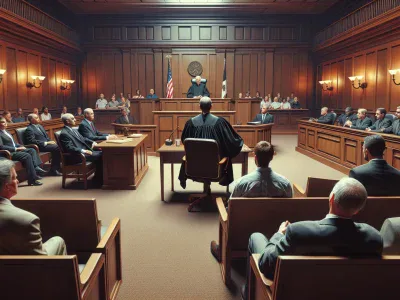
In our complex legal system, distinguishing between misdemeanors and felonies can seem like unraveling a tightly wound rope. Imagine a world where the choices we make can lead to drastically different outcomes, with one mistake potentially haunting us for years. Misdemeanors might not carry the weight of a felony, but their consequences can still ripple far and wide. So, what exactly sets these two categories apart, and how should we understand their implications in our lives? This exploration will uncover not just the definitions, but the real-life impacts of both misdemeanors and felonies, shedding light on a topic many of us may encounter yet often overlook.
Understanding Misdemeanors
Classification of Misdemeanors
Misdemeanors are generally categorized by their severity, often split into different classes, such as Class A, Class B, and so forth. Class A misdemeanors are the most serious in this category, typically leading to heftier fines and longer jail sentences, up to one year in county jail. On the other hand, lower classes may incur lighter penalties. The specific classifications can differ by state, making it crucial for us to know local laws to fully understand the implications of a misdemeanor charge.
Consequences of Misdemeanors
The repercussions of misdemeanors can be more profound than we might think. Aside from possible jail time, a conviction often leads to a permanent criminal record, which can affect our employment opportunities and various civil rights. For instance, gaining professional licenses or even certain housing options can become incredibly challenging if we have a misdemeanor on our record.
Examples of Misdemeanors
Common examples of misdemeanors include petty theft, disorderly conduct, and simple assault. We might think of these as “less serious,” but they can still carry significant consequences. Even something as seemingly trivial as a minor drug possession charge — perhaps involving over-the-counter medications like those at the center of the debate over ibuprofen or acetaminophen when taken inappropriately — can follow us around for years, impacting our personal and professional lives.
Understanding Felonies
Classification of Felonies
Felonies are far more severe than misdemeanors and are generally classified into categories such as Class 1, Class 2, etc., with Class 1 being the most serious. The punishments for felonies can be staggering, involving years of imprisonment in state or federal prison, often exceeding one year. In some cases, life sentences or even capital punishment could be on the table, depending on the nature of the crime committed.
Consequences of Felonies
A felony conviction carries serious long-term ramifications. Not only do we face potential imprisonment, but a felony record can dramatically affect our future employment opportunities, voting rights, and even our ability to obtain certain licenses. Many organizations treat felony convictions as a liability, which could shut doors before we even get a chance to present ourselves. On top of that, the social ramifications of a felony conviction can lead us to feel ostracized by friends, family, or wider communities. This harsh reality amplifies the need for us to understand the true weight of a felony conviction.
Examples of Felonies
Examples of felonies include murder, aggravated assault, and grand theft. These crimes are often not only harmful but can also pose a significant danger to society. Due to their severity, they come with strict penalties designed to deter potential offenders. But, even attempted felonies, such as conspiracy to commit a crime, can result in felony charges, highlighting just how intricate the legal system is.
Comparative Analysis: Misdemeanor vs. Felony
Legal Implications and Penalties
When we compare misdemeanors and felonies, the most glaring distinction lies in their legal implications. Misdemeanors usually result in less severe consequences and shorter sentences, typically handled in local courts. In contrast, felonies are tried in higher courts, where the stakes are much more significant. Jail time, fines, and other penalties can escalate dramatically based on the classification of the crime. Also, while a misdemeanor may result in a few months in jail, a felony could lead to years locked away, forever altering our lives and futures. Countries with authoritarian systems — as explored in comparisons like North Korea vs. South Korea — show what happens when this distinction collapses entirely under state power.
Social and Professional Consequences
Socially and professionally, the differences can be drastic. A misdemeanor may leave a blot on our record, affecting job opportunities, but felonies can lead to long-lasting stigma. Employers frequently view felony convictions as a liability, which could shut doors before we even get a chance to present ourselves. On top of that, the social ramifications of a felony conviction can lead us to feel ostracized — much like the damage caused by emotional or physical cheating, the breach of trust that follows a criminal record can permanently alter relationships with friends, family, and wider communities. With such significant distinctions, it becomes essential for us to carefully consider the journey that brings someone to a misdemeanor or felony charge.
Conclusion
Understanding the stark differences between misdemeanors and felonies is not merely an academic exercise: it’s an essential awareness that can impact our lives or the lives of those around us. While misdemeanors may seem minor, their consequences can still echo throughout our personal and professional environments. In contrast, felonies carry an entirely different weight, often leading to life-altering repercussions. As we navigate our communities, let’s remain vigilant and informed, recognizing that our actions, big or small, carry consequences that ripple through our lives.
Last Updated: February 27, 2026 at 3:28 pm by Ellie B, Site owner & Publisher
To provide the best experiences, we use technologies like cookies to store and/or access device information. Consenting to these technologies will allow us to process data such as browsing behaviour or unique IDs on this site. Not consenting or withdrawing consent, may adversely affect certain features and functions.
Functional
Always active
The technical storage or access is strictly necessary for the legitimate purpose of enabling the use of a specific service explicitly requested by the subscriber or user, or for the sole purpose of carrying out the transmission of a communication over an electronic communications network.
Preferences
The technical storage or access is necessary for the legitimate purpose of storing preferences that are not requested by the subscriber or user.
Statistics
The technical storage or access that is used exclusively for statistical purposes.The technical storage or access that is used exclusively for anonymous statistical purposes. Without a subpoena, voluntary compliance on the part of your Internet Service Provider, or additional records from a third party, information stored or retrieved for this purpose alone cannot usually be used to identify you.
Marketing
The technical storage or access is required to create user profiles to send advertising, or to track the user on a website or across several websites for similar marketing purposes.