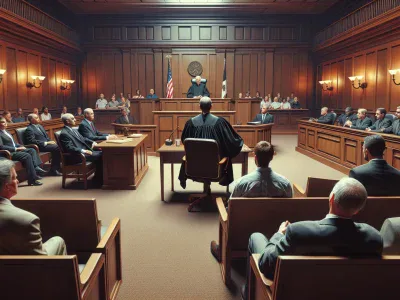
Understanding the difference between felonies and misdemeanors can significantly impact your life if you’re facing criminal charges. The severity of these criminal classifications determines not just potential jail time but also affects your future employment prospects, voting rights, and overall reputation in society.
When it comes to criminal offenses in the American legal system, felonies stand as the more serious category compared to misdemeanors. While both can result in penalties and jail time, they carry vastly different consequences that’ll follow you long after you’ve served your sentence. Whether you’re dealing with legal troubles or simply want to understand criminal law better, knowing the distinction between these two classifications is crucial for exploring the justice system.
Understanding Felonies and Misdemeanors
Criminal offenses fall into distinct categories based on their severity with felonies representing the most serious crimes.
Key Differences Between Felonies and Misdemeanors
Felonies carry punishments exceeding 1 year in state prison while misdemeanors result in up to 1 year in county jail. Here are the primary distinctions:
Aspect
Felony
Misdemeanor
Jail Time
1+ years
Up to 1 year
Fines
$1,000+
Under $1,000
Voting Rights
Often restricted
Usually retained
Location
State prison
County jail
Gun Rights
Permanently lost
Usually retained
Classification of Criminal Offenses
The American legal system organizes crimes into specific classes based on severity:
Felony Classes
Class A: Murder assault with a deadly weapon arson
Class B: Kidnapping drug trafficking armed robbery
Class C: Burglary fraud grand theft
Class D: Vehicle theft forgery stalking
Class E: Less severe property crimes repeat offenses
Misdemeanor Classes
Class A: Domestic violence DUI assault
Class B: Petty theft vandalism disorderly conduct
Class C: Traffic violations minor drug possession trespassing
States classify these offenses differently but follow similar severity patterns. For example California categorizes certain drug possession charges as “wobblers” which prosecutors can file as either felonies or misdemeanors based on:
Criminal history
Violence involved
Property damage amount
Victim impact
Aggravating factors
Sentencing guidelines
Probation terms
Record expungement options
Employment background checks
Housing applications
Professional licensing
Severity of Felony Charges
Felony charges represent the most serious category of criminal offenses in the U.S. legal system, with severe penalties and life-altering consequences.
Types of Felony Crimes
Felony crimes fall into distinct categories based on their severity:
Sex Felonies: Rape, sexual assault, human trafficking
Felony Sentencing and Penalties
The sentencing structure for felonies follows a standardized classification system:
Felony Class
Prison Time
Maximum Fine
Class A
Life/Death
$250,000+
Class B
25+ years
$100,000
Class C
10-25 years
$50,000
Class D
5-10 years
$25,000
Class E
1-5 years
$10,000
Additional penalties include:
Loss of voting rights in 48 states
Firearm ownership restrictions
Professional license revocation
International travel limitations
Employment barriers in specific sectors
The severity of felony charges creates permanent consequences on:
Employment opportunities
Housing applications
Educational enrollment
Professional certifications
Immigration status
Note: These penalties vary based on:
State jurisdiction
Criminal history
Aggravating circumstances
Plea agreements
Rehabilitation potential
Some felony charge is more serious then others
The defendant were sentenced to prison
The crime have severe consequences
Many felon loses their rights
Impact of Misdemeanor Convictions
Misdemeanor convictions create lasting consequences that affect employment opportunities financial stability social relationships. These impacts remain significant even after completing court-mandated penalties.
Common Misdemeanor Offenses
Misdemeanors encompass a range of criminal violations that disrupt public order safety:
Driving under the influence (DUI) with blood alcohol levels between 0.08-0.15%
Petty theft involving property valued under $500
Simple assault without serious injury
Vandalism causing damage below $1000
Possession of small amounts of controlled substances
Trespassing on private property
Disorderly conduct in public spaces
Minor shoplifting incidents
Typical Misdemeanor Punishments
The standard punishment framework for misdemeanors includes:
Penalty Type
Common Range
Jail Time
Up to 1 year
Fines
$500-$2000
Probation
6-12 months
Community Service
20-200 hours
Key punitive measures include:
Court-ordered rehabilitation programs
Regular meetings with probation officers
Temporary license suspensions
Mandatory counseling sessions
Restitution payments to victims
Electronic monitoring requirements
Professional & Personal Consequences
Misdemeanor convictions create barriers in multiple life areas:
Employment Impact:
Background check failures for certain jobs
Licensing restrictions in healthcare education fields
Limited advancement opportunities
Reduced access to government positions
Increased insurance premiums
Difficulty securing rental housing
Immigration status complications
Strained family professional relationships
Limited educational enrollment options
Long-Term Consequences
Criminal convictions create lasting impacts that extend far beyond the initial sentencing period, with felonies carrying more severe long-term repercussions than misdemeanors.
Effects on Employment and Housing
Criminal background checks reveal both felony and misdemeanor convictions to potential employers and landlords. Felony convictions often disqualify candidates from jobs in finance, healthcare, education, government positions and security roles. Many apartment complexes and property management companies maintain strict policies against renting to individuals with felony records, while misdemeanor convictions may only require additional documentation or higher security deposits.
Employment & Housing Impacts
Felony
Misdemeanor
Background Check Duration
7+ years
3-7 years
Job Disqualification Rate
75-90%
25-40%
Housing Rejection Rate
60-80%
15-30%
Average Rental Deposit Increase
200-300%
50-100%
Impact on Civil Rights
A felony conviction restricts fundamental civil liberties in ways that misdemeanors typically don’t:
Voting Rights: Felons lose voting privileges in 48 states during incarceration with 11 states extending restrictions post-release
Firearms: Federal law prohibits felons from owning or possessing firearms
International Travel: Many countries deny entry to travelers with felony convictions
Professional Licenses: State licensing boards commonly revoke or deny licenses to felons
Federal Benefits: Felons face restrictions on food stamps education aid housing assistance
Jury Service: Most states permanently bar felons from serving on juries
The severity level of both conviction types influences restoration timelines:
Misdemeanors: Rights typically restore automatically after completing sentences
Felonies: Rights restoration requires formal application processes expungement or pardons
Missing apostrophe in “don’t”
Missing commas in federal benefits list
Missing period after “sentences”
Legal Rights and Defense Options
Criminal defendants facing either felony or misdemeanor charges have specific legal rights protected by the U.S. Constitution. Understanding these rights enhances the ability to mount an effective defense strategy.
Legal Representation Requirements
Federal law guarantees defendants the right to legal representation in criminal cases. Courts appoint public defenders for defendants who can’t afford private attorneys, though qualification criteria vary by jurisdiction:
Felony cases require attorney representation during all court proceedings
Misdemeanor cases allow self-representation if jail time isn’t mandatory
First-time offenders receive priority for public defender services
Private attorneys charge $2,500-$15,000 for misdemeanors $10,000-$50,000 for felonies
Plea Bargaining Possibilities
Plea bargaining creates opportunities to reduce charges or penalties through negotiation with prosecutors:
Felony Plea Options:
Reduction to lesser felony charges
Conversion to misdemeanor offenses
Sentence recommendations
Dismissal of multiple counts
Misdemeanor Plea Options:
Reduction to infractions
Deferred prosecution agreements
Alternative sentencing programs
Probation instead of jail time
Charge Type
Plea Success Rate
Avg. Sentence Reduction
Felony
85%
40-60%
Misdemeanor
90%
30-50%
Common defense strategies include:
Challenging evidence collection procedures
Questioning witness credibility
Asserting constitutional rights violations
Presenting mitigating circumstances
Negotiating cooperation agreements
Maintain consistent communication with attorneys
Gather supporting documentation promptly
Follow court-ordered conditions strictly
Meet all procedural deadlines
Avoid self-incriminating statements
Conclusion
Felonies and misdemeanors represent vastly different levels of criminal offenses with distinct consequences for your life. While both can impact your future felonies carry significantly harsher penalties and more extensive long-term repercussions.
Understanding these differences is crucial whether you’re facing charges or simply want to be informed about the legal system. Your rights opportunities and freedoms can be permanently affected by either conviction type though felonies pose more severe restrictions on employment housing and civil rights.
Remember, proper legal representation and understanding your rights are essential for exploring either type of charge. The path to restoring your rights and rebuilding your life will vary greatly depending on whether you face a felony or misdemeanor conviction.
To provide the best experiences, we use technologies like cookies to store and/or access device information. Consenting to these technologies will allow us to process data such as browsing behaviour or unique IDs on this site. Not consenting or withdrawing consent, may adversely affect certain features and functions.
Functional
Always active
The technical storage or access is strictly necessary for the legitimate purpose of enabling the use of a specific service explicitly requested by the subscriber or user, or for the sole purpose of carrying out the transmission of a communication over an electronic communications network.
Preferences
The technical storage or access is necessary for the legitimate purpose of storing preferences that are not requested by the subscriber or user.
Statistics
The technical storage or access that is used exclusively for statistical purposes.The technical storage or access that is used exclusively for anonymous statistical purposes. Without a subpoena, voluntary compliance on the part of your Internet Service Provider, or additional records from a third party, information stored or retrieved for this purpose alone cannot usually be used to identify you.
Marketing
The technical storage or access is required to create user profiles to send advertising, or to track the user on a website or across several websites for similar marketing purposes.