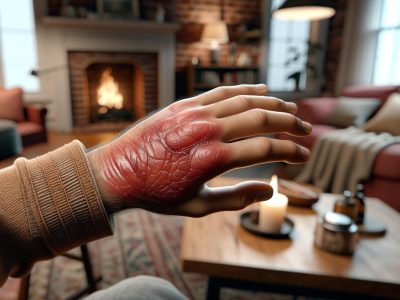
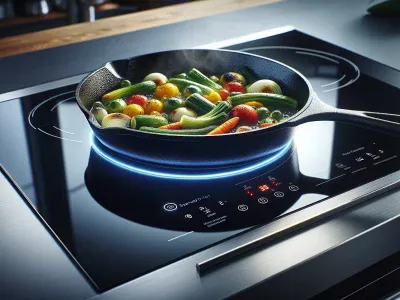
Imagine accidentally brushing your hand against a hot pan while cooking: the immediate sting is unmistakable. In moments like these, we might wonder how to classify the damage and what the best course of action is. Burns can vary significantly in severity, and understanding these differences is crucial for effective treatment and recovery. First degree burns, like a mild sunburn, create discomfort while often healing quickly. Second degree burns, but, can cause blisters and may lead to more complex healing. In this text, we’ll explore the distinctions between first and second degree burns, empowering us to make informed decisions when it comes to injury treatment and prevention.
Understanding Burns: An Overview
Burns are injuries that affect the skin and underlying tissues, caused by exposure to heat, chemicals, electricity, or radiation. As we examine the nuances of burn types, comparing first and second degree burns will help clarify their impacts and required responses. Each degree of burn presents unique characteristics, requiring different levels of care and consideration in treatment. By familiarizing ourselves with their specifics, we equip ourselves with the knowledge to manage these common yet concerning injuries.
Types of Burns and Their Classification
Burns are classified into three primary degrees: first, second, and third, each distinguished by depth and severity.
Characteristics of First Degree Burns
First degree burns affect only the outer layer of skin (epidermis). They often result in redness and mild swelling but typically don’t cause permanent damage. Common examples include sunburn or brief contact with hot surfaces.
Symptoms and Healing Process
Symptoms for first degree burns include redness, tenderness, and slight swelling. The healing process generally spans 3-6 days, with the skin naturally regenerating without the need for medical intervention. During healing, we should keep the burn clean and may find relief with aloe vera or over-the-counter pain relievers.
Common Causes of First Degree Burns
First degree burns can result from various everyday activities. Frequently, we encounter these burns while cooking, engaging in outdoor activities in the sun, or working with hot objects. Understanding these triggers allows us to take proactive measures in preventing unnecessary injuries.
Common Causes of Second Degree Burns
Second degree burns are more severe and impact both the epidermis and part of the underlying layer of skin (dermis). They can manifest due to scalding liquids, flames, or even sunburns that penetrate deeper layers. They often emerge from scenarios like spilled hot liquids, severe sun exposure, or contact with flame. Knowing these causes is vital for us to minimize risk.
Comparative Analysis: First Vs. Second Degree Burns
When we compare first and second degree burns, the level of discomfort and the healing processes stand out.
Pain Levels and Treatment Options
Pain levels in first degree burns are generally lower: we may describe them as mild to moderate discomfort. In contrast, second degree burns can be intensely painful, often requiring stronger pain relief and possibly medical intervention. Treatment for first degree burns usually involves soothing topical applications, while second degree burns may need a sterile dressing to protect the area and promote healing.
Long-Term Effects and Complications
Most first degree burns heal without scarring, but second degree burns can leave lasting effects, such as changes in skin texture or pigmentation. Understanding these distinctions helps us assess the seriousness of burn injuries.
When to Seek Medical Attention
We should always be cautious with burns. While first degree burns are generally safe to treat at home, second degree burns can vary in severity. If blisters form, or if the burn covers a large area of the body, medical attention is necessary. Signs of infection, such as increased redness, swelling, or discharge, also warrant professional evaluation.
Preventing Burns: Best Practices
Burn prevention is our best strategy. Here are some actionable steps we can take:
Stay Alert While Cooking: Avoid distractions near hot surfaces.
Use Sunscreen: Protect our skin from harmful UV rays.
Handle Hot Items with Care: Always use mitts or heat-resistant gloves.
Create Safe Work Environments: Ensure that heat sources are marked and clearly visible.
Conclusion
Understanding the differences between first and second degree burns enables us to react appropriately in emergency situations. By being knowledgeable about their characteristics, causes, and treatment options, we enhance our safety and health. Also, practicing preventive measures will significantly lower our risk of experiencing painful injuries in the first place. Let’s commit to fostering a safer environment for ourselves and those around us.
Published: February 21, 2026 at 4:44 pm by Ellie B, Site owner & Publisher
To provide the best experiences, we use technologies like cookies to store and/or access device information. Consenting to these technologies will allow us to process data such as browsing behaviour or unique IDs on this site. Not consenting or withdrawing consent, may adversely affect certain features and functions.
Functional
Always active
The technical storage or access is strictly necessary for the legitimate purpose of enabling the use of a specific service explicitly requested by the subscriber or user, or for the sole purpose of carrying out the transmission of a communication over an electronic communications network.
Preferences
The technical storage or access is necessary for the legitimate purpose of storing preferences that are not requested by the subscriber or user.
Statistics
The technical storage or access that is used exclusively for statistical purposes.The technical storage or access that is used exclusively for anonymous statistical purposes. Without a subpoena, voluntary compliance on the part of your Internet Service Provider, or additional records from a third party, information stored or retrieved for this purpose alone cannot usually be used to identify you.
Marketing
The technical storage or access is required to create user profiles to send advertising, or to track the user on a website or across several websites for similar marketing purposes.