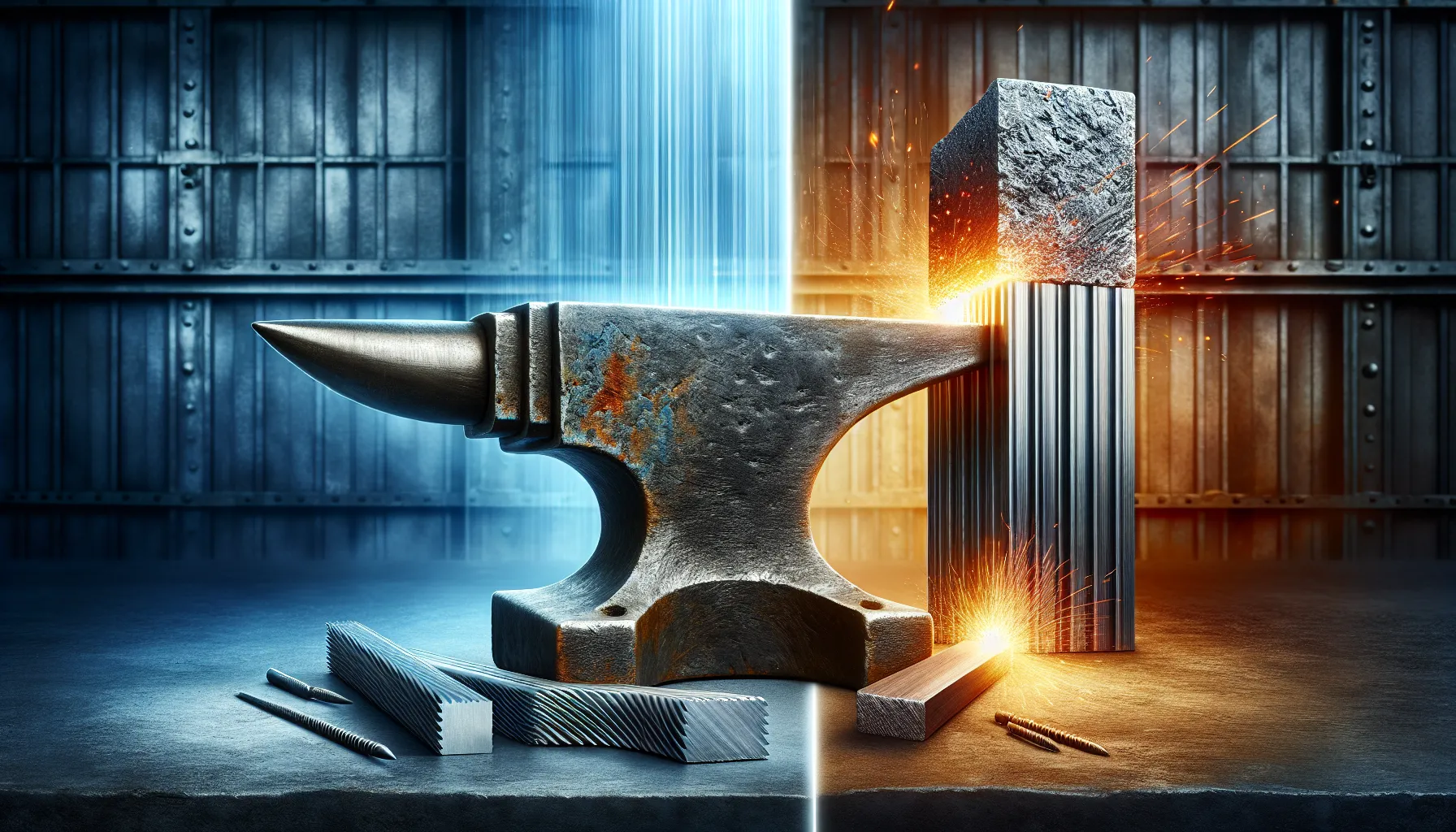
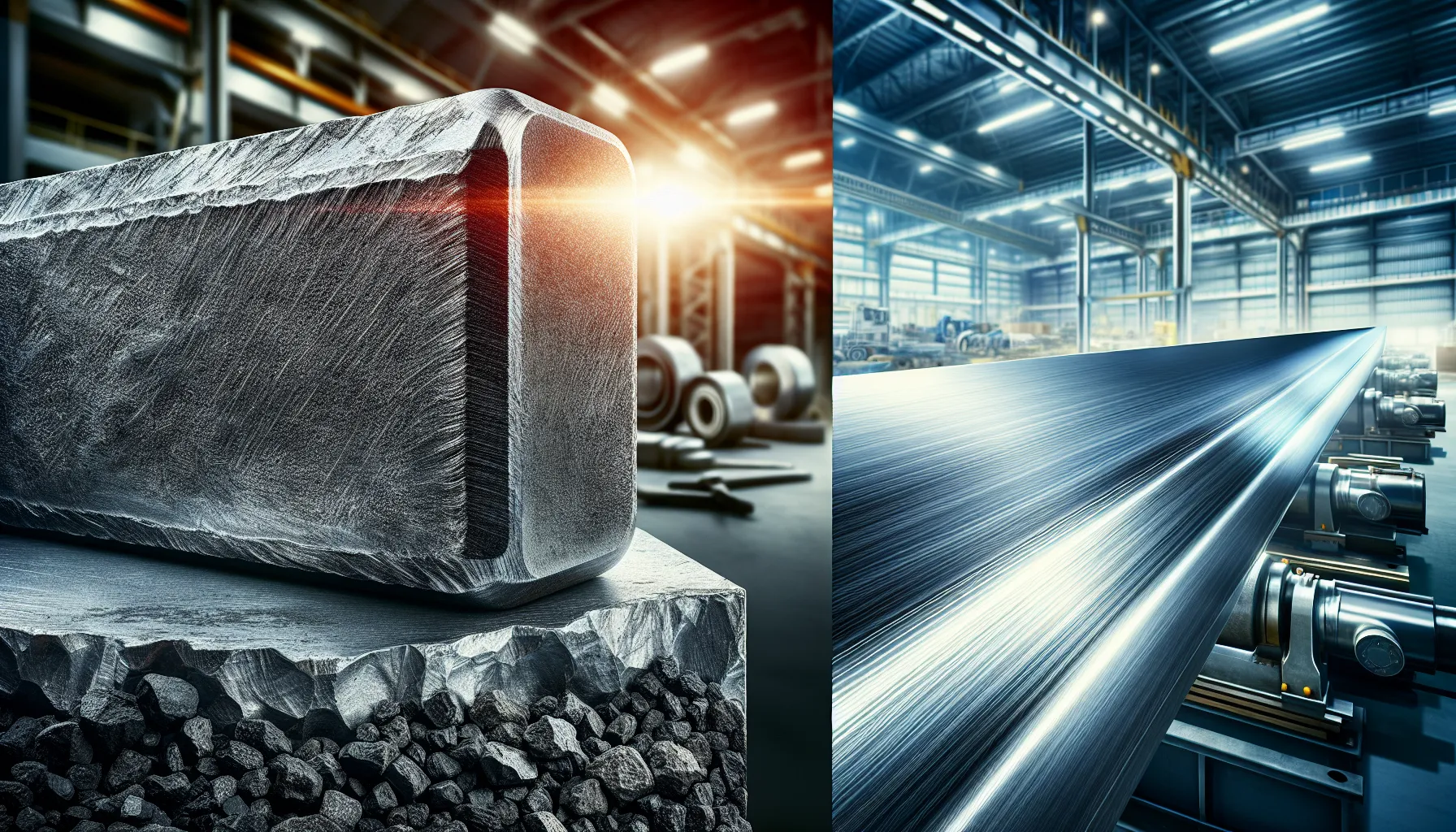
In materials science and construction, understanding the relative strengths of different materials is essential. Iron and steel, though closely related, exhibit distinct characteristics that determine their suitability for various applications. Jump into the defining traits of these essential materials and discover what sets them apart.
Understanding Iron and Steel
Properties and Composition of Iron
Iron, symbolized as Fe on the periodic table, is a metallic element known for its high density and durability. It is primarily used as a raw material in construction, tools, and fabrication processes. Found abundantly in Earth’s crust, iron’s characteristics can vary depending on its purity and crystalline structure.
How Steel Is Made from Iron
Steel is derived from iron through an industrial process called alloying, which involves introducing carbon and other elements to molten iron. This modification significantly enhances the material’s strength, working properties, and resistance to wear and corrosion, making steel a staple material in manufacturing.
Steel’s Varied Compositions and Strengths
Steel comes in numerous grades and types, characterized by the added alloying elements such as chromium, nickel, or vanadium. Each formulation tailors the steel for specific uses, whether requiring increased tensile strength, flexibility, or corrosion resistance.
Factors That Determine Material Strength
Tensile and Compressive Strength
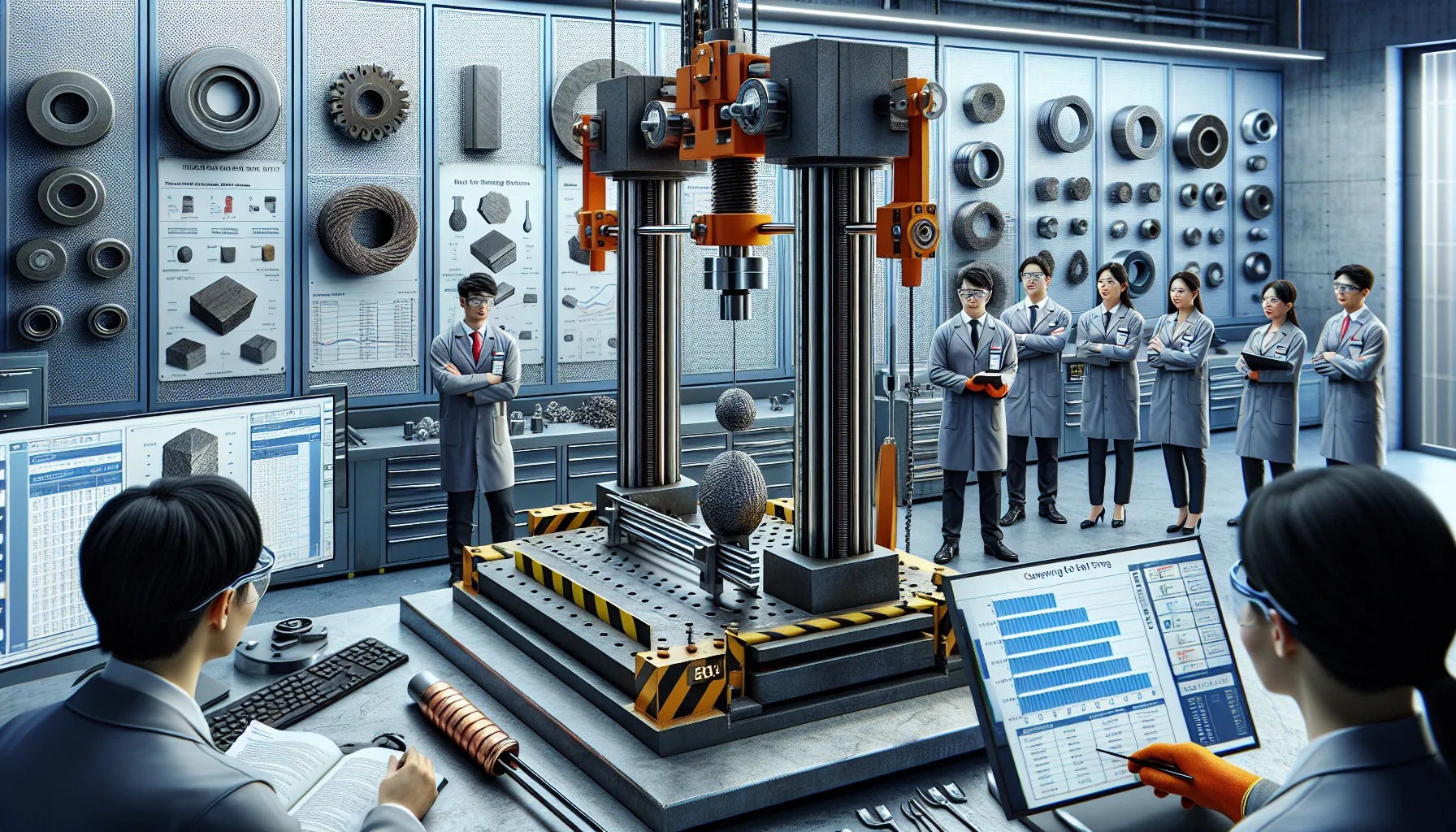
Material strength depends on its response to stresses, defined by tensile (resistance to pulling forces) and compressive (resistance to pressing forces) strength. Steel generally surpasses iron in these metrics due to its altered microstructure resulting from the alloying process.
The Role of Alloying Elements
Alloying elements significantly influence the physical properties of steel. Additions of carbon increase hardness, while elements like chromium and molybdenum improve resistance to damage and oxidation. Variations in the composition allow steel to be customized for precise performance needs across industries.
Comparison: Iron vs. Steel in Various Applications
Industrial and Construction Uses
Iron is commonly used in applications requiring high weight but lower flexibility, such as ornamental gates or counterweights. Steel’s superior strength and adaptability make it the material of choice for structures, machinery, and even modern tools.
Durability and Longevity Considerations
Steel often outperforms iron in environmental resistance, because of formulations like stainless steel that resist rust and corrosion. This longevity makes steel ideal for projects requiring extended service life under challenging conditions.
To provide the best experiences, we use technologies like cookies to store and/or access device information. Consenting to these technologies will allow us to process data such as browsing behaviour or unique IDs on this site. Not consenting or withdrawing consent, may adversely affect certain features and functions.
Functional
Always active
The technical storage or access is strictly necessary for the legitimate purpose of enabling the use of a specific service explicitly requested by the subscriber or user, or for the sole purpose of carrying out the transmission of a communication over an electronic communications network.
Preferences
The technical storage or access is necessary for the legitimate purpose of storing preferences that are not requested by the subscriber or user.
Statistics
The technical storage or access that is used exclusively for statistical purposes.The technical storage or access that is used exclusively for anonymous statistical purposes. Without a subpoena, voluntary compliance on the part of your Internet Service Provider, or additional records from a third party, information stored or retrieved for this purpose alone cannot usually be used to identify you.
Marketing
The technical storage or access is required to create user profiles to send advertising, or to track the user on a website or across several websites for similar marketing purposes.