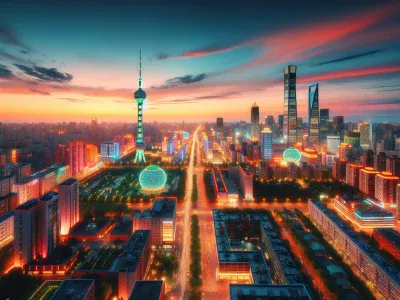
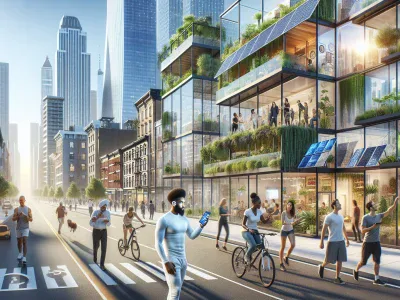
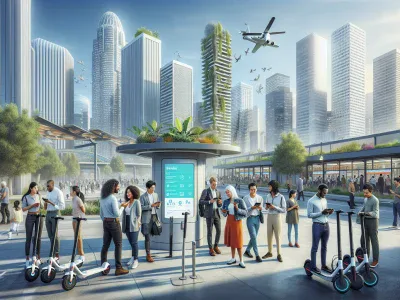
Picture a city where harmony reigns, technology enhances every aspect of life, and nature thrives alongside innovation. Now picture its opposite—a crumbling metropolis shrouded in chaos, where survival is a daily battle and hope feels like a distant memory. These contrasting visions of utopian and dystopian cities have captivated our imaginations for centuries, shaping countless stories and sparking endless debates.
What makes one society flourish while another descends into despair? Is it the people, the systems they build, or the choices they make along the way? By exploring these two extremes, you’ll uncover not only their stark differences but also surprising parallels that reveal deeper truths about humanity’s dreams and fears. Whether you’re drawn to perfection or fascinated by collapse, this journey will challenge your perspective on what defines an ideal world—and what happens when it all falls apart.
Understanding Utopian Cities
Utopian cities represent humanity’s pursuit of a perfect living environment. These cities emphasize harmony, innovation, and equality across all aspects of life.
Definition And Characteristics
A utopian city is designed to embody an ideal society where every element promotes the well-being of its inhabitants. Key characteristics include sustainable infrastructure, advanced technology for convenience and efficiency, equitable resource distribution, and cultural inclusivity. Public spaces are often green and accessible, fostering community interaction. Governance in such cities prioritizes transparency and citizen participation.
For example, utopian urban planning integrates renewable energy systems like solar grids or wind turbines to reduce environmental impact. Transportation networks focus on eco-friendly options like electric buses or bike-sharing programs. Education systems promote lifelong learning through free access to resources.
Examples Of Utopian Cities In Literature And Real Life
Literary works frequently depict utopian cities as models of perfection. In Sir Thomas More’s Utopia (1516), the fictional island society exemplifies communal property ownership and rational governance as foundations for prosperity. Similarly, Edward Bellamy’s Looking Backward envisions a futuristic Boston with technological advancements eradicating social inequality.
In real life, attempts at creating utopian-like environments exist but remain experimental due to practical challenges. Masdar City in Abu Dhabi aims for carbon neutrality through innovative architecture and renewable energy initiatives. Auroville in India strives for human unity by promoting collective living without political or religious divisions.
Exploring Dystopian Cities
Dystopian cities reflect societal failures, portraying environments where oppression, inequality, and despair dominate. These cities challenge perceptions of progress by exposing the fragility of human systems.
Definition And Characteristics
Dystopian cities are marked by authoritarian control, environmental degradation, and social division. They often feature high surveillance levels and restricted freedoms. Economic disparity is glaring in these settings, with powerful elites exploiting marginalized populations. Technological advancements are frequently weaponized or used to maintain control rather than improve lives.
Urban decay becomes a common theme as crumbling infrastructure symbolizes systemic collapse. For example, polluted air, overcrowded housing blocks, and limited access to resources depict unsustainable living conditions in these cities.
Examples Of Dystopian Cities In Literature And Real Life
Literature has vividly depicted dystopian cities to critique societal issues. George Orwell’s “1984” describes Airstrip One as an oppressive state defined by surveillance and propaganda. Similarly, Panem from Suzanne Collins’ “The Hunger Games” highlights economic exploitation through its stark divide between the Capitol’s luxury and the districts’ poverty.
Real-life examples reveal alarming parallels to fictional dystopias. Kowloon Walled City in Hong Kong exemplified overcrowding at its peak during the 20th century when over 33,000 residents lived within 6.4 acres without effective governance or planning. Today’s megacities facing severe pollution crises or authoritarian regimes share traits that resonate with dystopian narratives.
Key Differences Between Utopian And Dystopian Cities
Utopian and dystopian cities embody opposite ends of societal ideals, showcasing distinct visions of progress or decline. Each type reflects humanity’s aspirations or fears through principles, governance, and daily life.
Ideals Vs Reality
Utopian cities prioritize equality, sustainability, and innovation to create harmonious living environments. They integrate renewable energy systems, green spaces, and advanced technologies to enhance quality of life. For example, Masdar City in the UAE aims for zero-carbon emissions using solar grids and smart urban planning.
Dystopian cities contrast sharply by revealing societal breakdowns marked by chaos or authoritarianism. These cities often experience environmental destruction due to unchecked industrialization or resource exploitation. Kowloon Walled City in Hong Kong exemplified such decay before its demolition—overcrowded housing lacked sanitation while crime thrived within its walls.
Governance And Control
Governance in utopian cities emphasizes inclusivity with participatory decision-making models ensuring fairness. Transparent policies promote trust among citizens while minimizing corruption risks. Auroville in India demonstrates this approach through communal governance systems fostering shared responsibility.
In dystopian settings restrictive regimes dominate through surveillance or propaganda mechanisms aimed at maintaining power hierarchies. Citizens face limited freedoms under constant monitoring; George Orwell’s “1984” illustrates how oppressive governments manipulate truth using technology-driven control structures.
Social Structures And Daily Life
Social harmony defines utopian societies where equitable resource distribution eliminates economic disparities. Access to education healthcare cultural opportunities enriches residents’ experiences supporting personal growth alongside collective prosperity.
Cultural Impact Of Utopian And Dystopian Cities
Utopian and dystopian cities deeply influence cultural narratives, shaping how societies perceive progress, morality, and human potential. These contrasting cityscapes resonate across media, reflecting collective fears and hopes.
Influence On Media And Storytelling
Utopian cities inspire creative visions of harmony and innovation in literature, film, and art. Works like “Star Trek” showcase futuristic societies emphasizing peace and technological advancement. Real-life projects such as Masdar City amplify these ideals by integrating renewable energy systems into urban planning.
Dystopian cities dominate storytelling by critiquing societal flaws through dark portrayals of authoritarianism and decay. Iconic examples include the oppressive regime in Orwell’s “1984” or the environmental collapse depicted in Ridley Scott’s “Blade Runner.” Kowloon Walled City’s overcrowded living conditions often serve as a real-world reference for filmmakers portraying dystopia.
You see both extremes revealing lessons about governance, technology use, and social structures. While utopias encourage hope for better futures, dystopias warn against unchecked power or neglect of sustainability.
Reflection Of Societal Fears And Aspirations
These city archetypes reflect humanity’s deepest anxieties alongside its grandest ambitions. Utopias embody aspirations for equality, sustainability, and well-being. For instance, Auroville represents an experimental attempt to create a community free from political divisions—a testament to human idealism.
Conversely, dystopian settings mirror fears of resource depletion or authoritarian rule. Environmental crises depicted in Margaret Atwood’s “The Handmaid’s Tale” echo concerns over climate change today. High-surveillance societies portrayed in Netflix series like “Black Mirror” critique increasing privacy erosion caused by modern technologies.
By engaging with these representations across cultures you question what progress truly means—whether it lies solely in technological achievements or also requires fostering ethical responsibility within communities’ foundations?
Utopian City Vs Dystopian City: Which Resonates More With Today’s World?
Modern cities often embody characteristics of both utopian and dystopian visions, reflecting humanity’s aspirations for progress alongside the challenges of inequality and resource management. The duality of these city archetypes offers a lens to evaluate contemporary urban environments.
Parallels In Modern Urban Planning
Urban planning today incorporates elements inspired by utopian ideals like sustainability and inclusivity while grappling with issues akin to dystopian warnings, such as overcrowding or surveillance. Smart cities like Singapore show how advanced technology enhances infrastructure, reduces energy consumption, and improves public services. On the other hand, the rise in mass surveillance systems worldwide mirrors concerns found in Orwellian narratives.
Economic disparity remains a significant challenge even though efforts toward equitable development. Cities such as San Francisco showcase innovation hubs but struggle with housing crises and homelessness—highlighting contradictions between economic growth and social equity. Environmental goals like those seen in Curitiba’s sustainable initiatives contrast sharply against pollution-heavy industrial zones in megacities like Delhi.
Integration of green spaces into urban environments echoes utopian principles by addressing mental well-being and climate resilience; but, access to such amenities often depends on socio-economic status, evoking dystopian divides within society.
Challenges And Opportunities For Future Cities
Future cities face balancing technological advancements with ethical governance while managing global threats like climate change or overpopulation. Achieving zero-carbon emissions presents an opportunity for environmental restoration yet requires overcoming political inertia and financial constraints.
Autonomous transportation systems could revolutionize mobility but risk exacerbating unemployment if not paired with workforce reskilling programs. Similarly, AI-driven decision-making might streamline urban management yet raises privacy concerns when misused in authoritarian regimes—a scenario resonant with many dystopic fears.
Conclusion
The contrasting visions of utopian and dystopian cities serve as powerful reflections of humanity’s hopes and fears. They challenge you to consider the impact of governance, technology, and social values on shaping the future. While neither extreme may fully exist, elements from both can be found in modern urban life.
As you think about the challenges facing today’s cities, it becomes clear that progress isn’t just about innovation—it’s also about equity, sustainability, and ethical choices. The path forward depends on your ability to learn from these opposing ideals and strive for a balance that prioritizes both human potential and collective well-being.
To provide the best experiences, we use technologies like cookies to store and/or access device information. Consenting to these technologies will allow us to process data such as browsing behaviour or unique IDs on this site. Not consenting or withdrawing consent, may adversely affect certain features and functions.
Functional
Always active
The technical storage or access is strictly necessary for the legitimate purpose of enabling the use of a specific service explicitly requested by the subscriber or user, or for the sole purpose of carrying out the transmission of a communication over an electronic communications network.
Preferences
The technical storage or access is necessary for the legitimate purpose of storing preferences that are not requested by the subscriber or user.
Statistics
The technical storage or access that is used exclusively for statistical purposes.The technical storage or access that is used exclusively for anonymous statistical purposes. Without a subpoena, voluntary compliance on the part of your Internet Service Provider, or additional records from a third party, information stored or retrieved for this purpose alone cannot usually be used to identify you.
Marketing
The technical storage or access is required to create user profiles to send advertising, or to track the user on a website or across several websites for similar marketing purposes.