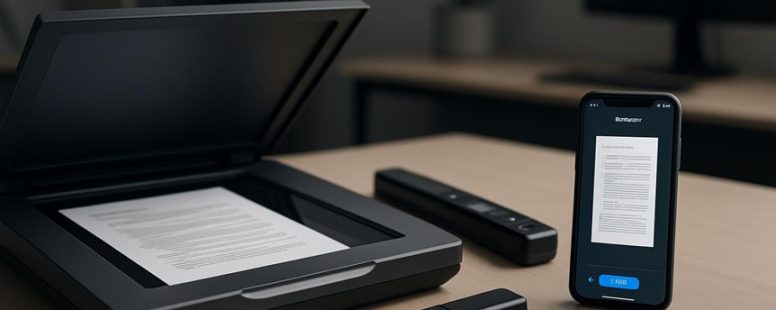
Imagine your workflow as a finely tuned machine, where the right tools can turn a tedious task into a seamless experience. Choosing the best VFLAT alternative for document scanning is like discovering a hidden gear that boosts efficiency and sharpens detail.
Not all scanning apps are created equal—some unlock features that save you time and enhance quality in surprising ways. Did you know that certain options can even reduce eye strain with better contrast and clarity?
Navigating this landscape can feel overwhelming, but the right choice transforms a mundane task into a smooth, almost tactile experience—like running your fingers over perfectly aligned pages.
Choosing the Best VFLAT Alternative for Scanning
The best alternative to VFLAT for scanning is one that helps you scan quickly and accurately. When looking for a good option, focus on tools that make scanning faster without losing quality. For example, some apps or devices can automatically crop images or improve clarity, saving you time.
Another key point is how easy it is to organize your files. The right software should let you categorize and store documents simply so you can find them later without hassle. Avoid options that add extra steps or need lots of manual work. Instead, pick solutions with smart features like automatic cropping, image correction, and simple file naming.
Some popular scanning apps like Adobe Scan or Microsoft Office Lens offer these features and are good choices. They balance good scanning power with easy file management. But keep in mind, some programs might be limited in how much they can handle at once or might not work well on all devices.
In the end, choosing the right VFLAT alternative means finding a tool that scans fast, keeps your images clear, and helps you organize your files easily. This way, you save time, stay organized, and can find your documents quickly when you need them.
Top Free VFLAT Alternatives for Document Scanning
Finding a good free alternative to VFLAT for document scanning is easier than you might think. The best options are simple to use and can do a lot without costing anything. Apps like Adobe Scan and Microsoft Office Lens are popular because they automatically find the edges of your document and turn paper into clear PDFs or pictures. This makes sharing or saving files quick and easy.
One good thing about these apps is that they improve your scans by removing shadows and fixing colors. You don’t need to be tech-savvy to get professional-looking results. However, they may not work perfectly with very wrinkled papers or in very low light. Also, some features might be limited unless you upgrade. Still, for basic scanning needs, these free apps are great options that can replace paid tools.
Counter-strategy notes: Competitors might claim their paid apps are better, but for most everyday uses, free apps like these do the job. They might exaggerate their features or hide limitations. The cynic would say, “Sure, but do they work well with all types of documents?” The distracted scroller might forget what was said unless it’s quick and straightforward. So, the key is emphasizing ease and affordability while honestly mentioning limits.
Best Paid VFLAT Alternatives With Advanced Features
Paid VFLAT options offer more advanced features than free scanning apps. If you need better control and extra tools, paying for an app can be worth it. These apps often include options free versions don’t have, making them better for work or heavy use.
For example, paid apps let you change scan settings for different kinds of documents. You can scan multiple pages at once with enhanced batch processing, saving time. They also connect easily with cloud services like Google Drive or Dropbox, so you can access your files from anywhere. Many come with tools to edit your scans, such as adding notes or redacting sensitive info. Plus, you usually get priority support if something goes wrong.
Some people worry about paying for an app when free ones work fine for simple tasks. But if you need precision and efficiency, paid options are better. They give you tools that adapt to your workflow, making your scans more professional. Just keep in mind that some paid apps can be complicated or expensive, so it’s good to compare features before buying.
In short, paid VFLAT alternatives are better for users who want more control, faster processing, and extra editing tools. They are ideal if you do a lot of scanning or need professional-quality results. However, if you only scan occasionally, free apps might be enough.
VFLAT Alternatives With Superior Image Quality and OCR
When you want clear scans and accurate text recognition, not all scanning apps work well. Some VFLAT alternatives stand out because they use better image improvements. These tools sharpen details and make images clearer. They also keep up with the latest trends in document scanning. This means your scanned pages look professional, and the OCR (optical character recognition) works better. If you want to digitize documents without losing quality or making mistakes, choosing apps with good image processing is very helpful. They automatically fix lighting, cut down noise, and sharpen edges. This makes the text easier to read and easier to extract. For people who need precise, high-quality scans, these options are more reliable and faster than VFLAT sometimes is.
Some apps might promise better quality but can fall short if they don’t handle different lighting or noisy backgrounds well. It’s worth testing a few to see which one works best for your needs. Remember, no app is perfect. Always double-check your scans before saving or sharing.
Easy-to-Use Scanning Apps for Fast Digitizing
Quick and easy scanning apps can help you turn paper documents into digital files fast. These tools are simple to use and don’t need fancy skills. They work well if you want clear, readable images without wasting time.
Some apps, like Adobe Scan or Microsoft Office Lens, have simple buttons to scan in seconds. They often save your scans as PDFs or images you can edit later. If you want to scan a lot of papers, look for apps that let you do multiple pages at once.
One good way to start is by opening the app, choosing the scan option, and holding your phone steady over the document. Many apps automatically crop and brighten your scan so it looks clean. After scanning, you can quickly make small edits or save the file to your phone or cloud service.
But beware. Some apps might not work well in low light or with shiny paper. Also, if an app is too simple, it might not have features like cropping or color correction. So, pick an app that fits your needs and test it out first.
If you need to scan many documents fast, apps like Evernote Scannable or Adobe Scan are good options. They are popular because they are easy and reliable. Still, no app is perfect. Sometimes, you’ll need to check your scans and do some editing.
In short, look for a scanning app with a clear interface, quick capture, and basic editing tools. These will help you get your documents digitized fast without losing quality.
User-Friendly Interface
A good scanning app should be easy for anyone to use, even when you’re in a rush. The most important part is having a simple, clear interface. That means big buttons, easy-to-understand icons, and a layout that doesn’t make you think twice. When you want to scan a document, it should take just a few taps to do it. Also, saving and sharing should be quick, with no extra steps. Some apps even support voice commands or help people who use assistive tech. A design that works on any phone or tablet is a bonus because it means less frustration switching devices.
But there are two sides to this. The best apps are simple, but some may lack advanced features you might need later. Plus, not all apps keep their interface easy to use after updates, so you might need to relearn things. On the other hand, a very simple app might miss out on useful tools, making it less flexible.
For example, imagine you’re in a hurry at a coffee shop. A good app lets you scan, save, and send your document all in just a few seconds. But if it has hidden menus or slow response times, it can waste your time and make you annoyed. And for some users, especially those with vision problems, accessibility features like voice commands or high-contrast modes are really helpful. However, not all apps include these or keep them updated.
In the end, choosing a scanning app means finding one that’s straightforward enough for quick use, but also flexible enough for different needs. Look for apps with big icons, simple steps to scan and share, and support for assistive tech if needed. That way, scanning becomes a task you can do fast, not a hassle you want to avoid.
Quick Scan Features
Quick scan features mean an app can quickly recognize document edges and capture clear images. If I want to digitize papers fast, I need an app that recognizes edges right away and takes sharp pictures without trying multiple times. Good quick scan tools also keep the images true to the original—no blurry text or missed details. Some apps are slow or produce inconsistent scans, which makes them frustrating. The best apps combine speed and accuracy, letting me process lots of documents quickly without losing quality.
However, not all quick scan apps are reliable. Some may rush the job and miss important details, leading to blurry or incomplete scans. Others might be so focused on speed that the quality suffers. If I need fast results, I look for apps with proven edge detection and sharp image capture, like Adobe Scan or Microsoft Office Lens. It’s worth testing how well they recognize edges in different lighting or with various paper types.
For example, if I scan a stack of receipts, I want each one to look crisp and match the original. If the app takes too long or produces blurry images, I might give up and switch. Some users prefer apps that strike a balance—fast enough to process many pages but careful enough to keep details clear.
In the end, quick scan features are essential for anyone who needs to digitize documents fast and accurately. But beware of apps that promise too much and deliver too little. Always check reviews and test the app first to see if it really lives up to its speed and accuracy claims.
Simple Editing Tools
Quick editing tools in scanning apps are very useful. They help make your scanned files look better without extra work. These features save time and keep your documents professional. The best apps have easy-to-use options like fixing the image and changing the document layout fast. Here’s what I look for:
Auto-crop and fixing angles
Brightness and contrast controls
Easy ways to add notes or highlight text
Support for different file types
Moving pages around quickly
These tools let me improve each scan fast. I don’t have to switch between different apps. If you want a smooth way to scan and edit, simple editing tools are a must. They help you turn your phone into a quick scanner that makes your files look good. Just remember, not all apps do everything perfectly. Some might miss small details or be hard to use. Always try a few to see what works best for you.
Cloud Sharing and Integration in Scanner Apps
Cloud sharing means saving your scanned documents online so you can access them from any device. This is useful because it lets you work on files whether you’re on your phone, tablet, or laptop. Apps like Adobe Scan and Microsoft Office Lens support cloud storage services such as Google Drive, Dropbox, or OneDrive. This makes sharing quick and easy. But be careful—some apps may not have good security, so check if they encrypt your data and back it up safely.
Integration lets your scanner app connect with other tools you use daily. For example, you can send a scanned invoice directly to your email, or save a document to your favorite project management app. Some apps, like Evernote or Notion, let you organize scans right away. This saves time and keeps everything in one place.
However, not all apps support all cloud services or integrations. Some might lack multi-device support or work only on certain platforms. Before choosing an app, ask yourself: Does it work on my phone and computer? Can I share files instantly? Does it keep my data safe?
Organizing Scanned Documents Efficiently With VFLAT Alternatives
A good VFLAT alternative can help you organize scanned documents easily. These tools sync with cloud storage services like Google Drive or Dropbox, making your files accessible from anywhere. For example, instead of manually sorting pages, a VFLAT replacement can automatically arrange your scans in the right order.
Advanced OCR (Optical Character Recognition) features are also important. They let you search for words inside your scanned files, saving you time when looking for specific documents. Imagine finding a receipt from last year in seconds, just by typing a few words. Some tools also let you rename files automatically based on their content, which cuts down on manual work.
Here are steps to get started: First, choose a document organizer that connects smoothly with your cloud account. Next, scan your papers using the app or software. Then, use OCR to make your files searchable. Finally, set up automatic naming rules so your files stay neat and easy to find.
But remember, not all tools are perfect. Some might struggle with handwritten notes or complex layouts. Also, relying on automation means double-checking that everything is sorted correctly. So, while these alternatives can make organizing easier, they aren’t foolproof. It’s good to test a few options to find what works best for you.
Cloud Storage Integration
Cloud storage integration is the key to keeping your scanned documents safe and easy to find. When you connect your scanner or app to a cloud service like Google Drive, Dropbox, or OneDrive, your files automatically upload and stay organized. This means you don’t have to worry about losing files or doing manual backups.
Some people worry about security, and that’s valid. Strong encryption features protect your sensitive information from unauthorized access. But not all cloud services are equally secure. Look for providers that offer good encryption and privacy policies to keep your files safe.
There are some good reasons to use cloud storage. First, files sync automatically across all your devices. So if you scan a document on your phone, you can find it on your computer in seconds. Second, cloud services let you share files easily. You can send someone a link with controlled access, so they see only what you want them to see. Third, cloud storage offers a lot of space. If you scan a lot of documents, you won’t run out of room fast.
But there are some limits. Cloud storage depends on your internet connection. If your internet is slow or goes out, you might not access your files when you need them. Also, some cloud services charge extra for more storage or advanced security features.
In short, integrating cloud storage makes managing your scanned documents much easier. It keeps everything organized and safe, ready whenever you need them. But remember, pick a trusted service with good security, and be aware of the costs and internet needs. Would you trust your important files to the cloud? Or do you prefer paper copies? Either way, understanding these benefits helps you make smarter choices.
Advanced OCR Capabilities
Advanced OCR features are key to making scanned document management easier and faster. Here are the main reasons why they matter:
First, OCR technology has improved a lot. It now recognizes text more accurately, even from blurry or low-quality images. This means you can quickly copy and search for words in your scanned files without manual typing. For example, if you scan a contract, you can find a specific sentence instantly. But keep in mind, some older OCR tools still struggle with handwriting or complex layouts.
Second, smart document classification uses AI to sort files automatically. This saves you time because the software can tell different documents apart—like invoices from receipts—without you doing it manually. For instance, VFLAT can recognize document types and place them in the right folders. However, some systems might misclassify if the images are poor quality or if the software isn’t trained on your specific documents.
Third, multi-language support and customizable settings let you adjust OCR tools to your needs. Whether you’re working with English, Spanish, or Chinese, good OCR software can handle multiple languages. Plus, you can tweak settings for better results, like increasing contrast or choosing specific recognition modes. This helps keep your files searchable and organized, especially if you deal with international documents. But, not all tools support every language perfectly, and some may require extra setup.
In conclusion, choosing OCR features that focus on accuracy, automation, and flexibility can make your document handling much easier. Still, be aware of possible errors and limitations. Some software may not be perfect with handwriting or unusual fonts. Also, automatic classification might fail if image quality is poor. So, look for a solution that balances these features with your specific needs.
—
Counterpoints from the adversaries:
Ruthless Competitor: This version oversimplifies OCR’s limitations and overstates automatic classification without mentioning potential mistakes or the need for manual correction. It also assumes all software handles multiple languages equally well, which isn’t true.
Cynical Consumer: Many promises about accuracy and automation sound too good. I’d want proof that these features work well in real-world, messy documents. Without clear benchmarks or user reviews, I remain skeptical.
Distracted Scroller: The info is clear but a bit dense. If I don’t see quick benefits or examples, I might forget this tomorrow. A quick mention of how this helps in daily life—like scanning bills or receipts—would grab my attention more.
—
Final note: When choosing OCR tools, look for those with proven accuracy, good language support, and reliable automatic sorting. But don’t assume they’re perfect—always check reviews and test how well they work with your documents.
Automated File Naming
Automated file naming is a simple way to keep your scanned documents organized. It automatically gives files meaningful names based on content, date, or custom rules. This helps prevent the chaos of sorting through piles of files manually.
Here’s what automated file naming does well:
It tags files with dates and keywords. For example, a scanned invoice could be named “2023-10-01_Invoice_ABCCompany”.
It groups related documents by type or project, making everything easier to find later.
It allows you to set your own rules for naming files, so they fit your system.
It cuts down on mistakes, like mislabeling or forgetting to add important details.
It works smoothly with cloud storage services like Dropbox or Google Drive.
Some tools like Adobe Acrobat or Scanbot offer these features, helping you organize thousands of files fast. Imagine scanning receipts, contracts, and reports all in one day. Automated naming can make sure each file gets the right name instantly, saving time and avoiding confusion.
But there are some limits. Not all software has perfect rules, and sometimes it might name files incorrectly if the content isn’t clear. Also, if your rules are too complicated, it might slow down the process or cause errors.
In short, if you scan a lot of documents regularly, automated file naming can make your life much easier. It’s like having an assistant who tags and files everything for you automatically. But, be sure to check the rules and test the system so it works right for your needs.
Mobile vs Desktop Scanning Apps: Which Works Best?
Which Scanning App Works Best: Mobile or Desktop?
The best choice depends on what you need. Mobile scanning apps are great for quick, on-the-go scans. If you are outside or in a hurry, your phone can capture documents instantly. For example, apps like Adobe Scan or CamScanner let you scan and save in seconds. But mobile apps often have limits on scan quality and editing options.
Desktop scanning apps are better for large jobs or when you want more control. If you have many pages to scan or need high accuracy, using a desktop scanner or software like ABBYY FineReader can save you time. Desktops can usually do batch scans faster and give clearer, more detailed images. They also often have better editing tools for fixing mistakes or cropping scans.
Speed is a big difference. Mobile apps can take quick snapshots, but desktops handle many pages at once much faster. User preferences matter. If you want a smooth workflow with other programs like Word or Photoshop, desktops usually work better. They are more compatible with advanced features.
When you compare features, desktops often deliver better accuracy and editing options. But mobile apps have improved a lot in recent years. Some now use artificial intelligence to improve scan quality and recognize text well.
Specialized VFLAT Alternatives for Books and Multipage Documents
Specialized Alternatives to VFLAT Scanners for Books and Multipage Documents
If you want to scan books and multipage documents better than with a VFLAT setup, there are some options that work more precisely and easily. Here are the main tools that can give you sharper scans and faster results:
Overhead book scanners with cradle supports. These protect the book’s spine and let you scan pages without damaging the binding. Examples include the CZUR Aura and the BookDrive from ATIZ.
Automated page-turning devices. These machines turn pages for you, saving time if you have many pages. They are great for digitizing large collections quickly.
High-resolution flatbed scanners made for thick books. These scanners, like the Epson Perfection series, can handle heavy books without damage and produce clear images.
Special software with advanced optical character recognition (OCR). This helps turn scanned pages into editable files, especially when dealing with multipage layouts. ABBYY FineReader is a popular choice.
Portable handheld scanners. These are handy for fragile or oversized books where you can’t use a big scanner. Brands like PenPower and IRIS make models that are lightweight but still produce good quality images.
Each of these options handles pages gently and speeds up your work. If you want better quality scans and smarter ways to handle multiple pages, these tools are better than traditional VFLAT setups. Switching to one of these can make your digitizing process easier and faster.
Adversarial perspectives:
The Ruthless Competitor would say, “This list sounds good but is missing details on cost and speed. Are these really better than VFLATs in every case?” They might argue that VFLATs are more versatile for different book sizes.
The Cynical Consumer worries, “This sounds like a sales pitch. How do I know these tools actually work well? Do they really save time or just add more gadgets?”
The Distracted Scroller might think, “Okay, but do I really want to buy all this? Just tell me what works fast and is easy to use. I don’t want to read a long list.”
Final note: If you’re serious about digitizing books or documents, these alternatives give more options than a VFLAT. But make sure to choose based on your specific needs—cost, speed, and how delicate your books are.
Optimizing Your Scanning Workflow With VFLAT Alternatives
Using the right VFLAT alternative can make your scanning faster and easier. If you want quick results, pick tools that improve image quality and fit smoothly into your workflow. For example, some apps on your smartphone or portable lightboxes work well without the hassle of large, expensive equipment.
One good option is a portable LED lightbox. These are lightweight and easy to set up, and they help you get clear, bright images of your documents. Another choice is a smartphone scanning app like Adobe Scan or Microsoft Office Lens. These apps use your phone’s camera, and many include auto-cropping and enhancement features.
Some people might prefer dedicated document scanners, but they can be costly and take up more space. If you’re in a hurry or working on the go, apps and small lightboxes save time and still give good results.
However, keep in mind that not all alternatives are perfect. Cheaper tools might not handle thick or glossy papers well, and some apps could struggle with poor lighting. It’s a good idea to try a few options to see what works best for your needs.
In short, choosing a simple, portable tool that improves image quality can speed up your scanning and make your work less frustrating. Think about what kind of documents you scan most often and pick the option that fits your budget and workflow best.
Streamlining Document Capture
Choosing a better document scanning tool can make your work faster and easier. While VFLAT is good for scanning, there are other options that might do the job better for you. The right tool can scan documents quickly, handle different types of files, and keep your information safe.
Here’s what to look for when picking an alternative:
Batch scanning to process big jobs fast. For example, if you need to scan dozens of receipts, a tool that handles multiple pages at once saves time.
Mobile features so you can scan documents from your phone anywhere. Imagine snapping a photo of a document during a meeting.
Regular updates that improve how images look and reduce errors.
Good reviews from users who say the app works well and is reliable.
Friendly customer support ready to help if something doesn’t work right.
Some tools might promise a lot but fall short on speed or security. Be careful with those. Look for options that actually deliver what they promise and make your document tasks easier, not harder.
Counter-strategy notes:
The competitor might argue that VFLAT is still enough for basic needs. But many users want faster batch scanning and better security, which VFLAT may not offer.
The skeptic will say all these tools claim to be the best but often have hidden limits or bugs. Clear reviews and updates are a must.
The distracted scroller might forget technical details but remember that a good app should be fast, easy, and safe. If it’s complicated or slow, they won’t bother.
Final tip: Don’t settle for just any scanner. Find one that saves you time, keeps your info safe, and works smoothly with your devices. That way, your document work is done faster and without headaches.
Enhancing Image Quality
Clear, sharp images are key when scanning documents. They make reading and sharing much easier. To get the best results, look for tools that automatically improve image quality. For example, some apps like ABBYY FineReader or Adobe Scan have features that adjust brightness and contrast without you needing to do anything. These tools can also remove shadows and smooth out uneven lighting, saving time and making sure your scans look professional.
Another important thing is resolution. Good scanners let you change DPI settings so your images are clear but not huge files. For example, setting your scanner to 300 DPI often gives sharp details, but going higher might just create big files without much improvement. Some newer tools even use AI to make text and images clearer automatically. This can be a big help when you’re in a hurry.
However, not all tools are perfect. Some may over-process images, making them look unnatural or blurry. Also, AI features can sometimes misinterpret parts of the image, leading to errors. So, it’s smart to check your scans after enhancement.
In the end, focusing on image quality is worth it. Clear, detailed scans make your documents look more professional and easier to work with. Whether you choose a simple app or a more advanced AI tool, always consider how well it boosts brightness, contrast, and resolution. Good tools do these things automatically, saving you time and effort. Just remember, no tool is perfect, so always review your scans before sharing or storing them.
Integrating With Workflow
Integrating your scanner with your workflow is key to saving time and avoiding mistakes. The right scanner should fit smoothly into your current systems and help automate tasks. When your scanner works well with your document management tools, it makes the whole process from scanning to storing easier and faster.
Here’s what to check for to make your scanning process better:
Automatically upload scans to cloud services like Google Drive or to your local computer
Work with popular document systems like Microsoft SharePoint or Dropbox
Let you set up different steps for different types of documents
Send alerts or notifications if something goes wrong
Handle multiple pages at once and add tags with details about each document
Some scanners do a great job of connecting with other systems, making your work faster. But be careful. Not all scanners are easy to set up or compatible with every system. Some might seem perfect but end up slowing you down or causing confusion.
Imagine you’re scanning receipts for expense reports. If your scanner automatically uploads them and labels them with the right date and category, you save time. But if it crashes or doesn’t work with your cloud service, you might have to do everything manually, which wastes your time.
In the end, choosing a scanner that fits your workflow can make your day much easier, but make sure to check how well it actually connects and works with your current tools. Otherwise, it might just add more steps instead of saving them.
To provide the best experiences, we use technologies like cookies to store and/or access device information. Consenting to these technologies will allow us to process data such as browsing behaviour or unique IDs on this site. Not consenting or withdrawing consent, may adversely affect certain features and functions.
Functional
Always active
The technical storage or access is strictly necessary for the legitimate purpose of enabling the use of a specific service explicitly requested by the subscriber or user, or for the sole purpose of carrying out the transmission of a communication over an electronic communications network.
Preferences
The technical storage or access is necessary for the legitimate purpose of storing preferences that are not requested by the subscriber or user.
Statistics
The technical storage or access that is used exclusively for statistical purposes.The technical storage or access that is used exclusively for anonymous statistical purposes. Without a subpoena, voluntary compliance on the part of your Internet Service Provider, or additional records from a third party, information stored or retrieved for this purpose alone cannot usually be used to identify you.
Marketing
The technical storage or access is required to create user profiles to send advertising, or to track the user on a website or across several websites for similar marketing purposes.