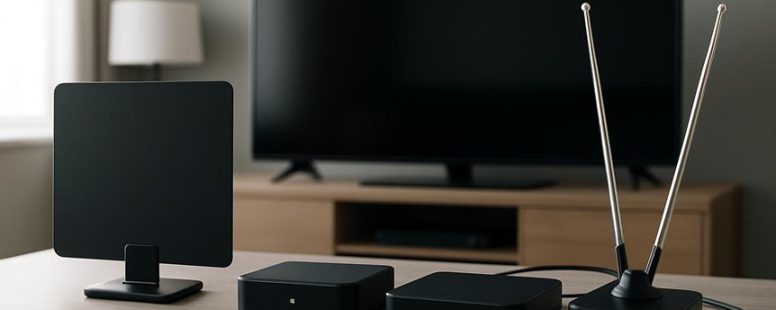
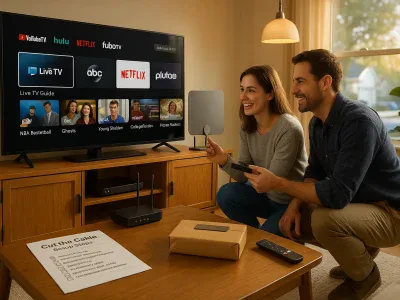
Thinking about upgrading your live TV setup? As you explore options beyond HDHomeRun, you’ll discover a world of hardware with extra tuners and software that transforms streaming into a seamless symphony.
Some competitors offer surprising perks, like enhanced recording options or easier integration with smart home devices—like hidden gems waiting to be uncovered. Navigating these choices is like finding the perfect key to unlock a more vibrant, hassle-free viewing experience.
Knowing what’s out there can help you tune into the best fit for your entertainment needs and save you money along the way.
Choosing the Best HDHomeRun Alternative for Your Needs
The best HDHomeRun alternative is one that fits your needs based on real user experiences and key features. To pick the right device, start by reading reviews from people who have used them. Look for comments about how reliable the device is, how easy it is to set up, and how good the customer support is. If many users say a device crashes often or the setup is confusing, it might not be a good choice.
Next, compare the main features. Ask yourself these questions: Does the device stream TV clearly? Does it work with the channels I want? Is there an app I can use easily on my phone or tablet? If I want to record shows, does it support multiple recordings at once? Some devices might have better picture quality or more channels, but if they are hard to use or don’t support my favorite apps, they are not the best for me.
Be careful about flashy specs that sound impressive but don’t matter much. For example, a device might advertise a high number of tuners but be slow or buggy in real life. Instead, focus on what people say about the actual performance and value. Sometimes, a less famous brand can work just as well if it has good reviews.
There are two sides here. Some say stick with well-known brands because they are trusted. Others believe smaller brands can offer good features at a lower price. Both can be right, but always check reviews first. Also, watch out for limits like poor customer support or incompatible channels. A device that looks perfect but is hard to get help with can become a headache.
Imagine choosing a TV tuner like picking a reliable car. You want it to run smoothly, be easy to use, and have support if something breaks. Reading reviews and comparing features helps you avoid buying a lemon. Remember, what works for one person might not work for you, so think about your viewing habits and what matters most to you.
Top Hardware Alternatives to HDHomeRun in 2024
In 2024, if you want an alternative to HDHomeRun for streaming live TV, several hardware options stand out. These devices can provide good picture quality and easy use, but each has its own strengths and limits. Here are four top choices based on reviews and user feedback.
First, the SiliconDust HDHomeRun Connect 4K. This device is great if you want to watch 4K channels easily. It streams sharp images without much fuss. But it can be pricey, and some users say setup can be tricky if your network isn’t strong.
Second, the Hauppauge WinTV-DualHD. This model has two tuners, so you can watch two channels at once. It’s popular with people who have multiple TVs or want to record shows. Some users say it’s reliable, but others mention that the software can be slow or confusing.
Third, the Tivo Edge for Antenna. This is more than just a tuner. It has a smart DVR built-in, so you can record shows and watch later. Fans love its easy interface and smart features. Still, it costs more than basic options, and some complain about limited storage space.
Fourth, the AVerMedia Live Gamer Bolt. This device is mainly for gamers or streamers who want to send their gameplay to other platforms with low delay. It works well for live streaming but might be overkill if you only want regular TV channels.
For most users, these options give good alternatives to HDHomeRun. They all have their pros and cons, so think about what matters most—like picture quality, recording, or multi-channel viewing. Remember, no device is perfect. Some may be more reliable, but others might be more affordable or easier to use. Always check reviews and compare before buying.
Leading Software Platforms Supporting HDHomeRun Alternatives
When looking for software options that work with HDHomeRun devices, it’s key to find platforms that do more than just support the hardware. The best streaming platforms and network DVR tools let you watch live TV smoothly and record shows easily. These software choices should be easy to use, reliable, and give you features like pause and rewind. Some platforms, like Plex and Emby, are popular because they support many devices and have good user interfaces. Others, like Channels DVR, are known for their fast recording features and simple setup.
But, be careful. Not all software works perfectly with every HDHomeRun model. Some might have bugs or slow updates. For example, Plex is great for streaming to many devices but can be tricky to set up for live TV. Emby offers more customization but may require more technical skill. Channels DVR is simple but costs a little monthly fee.
If you want to pick the best software, think about what matters most to you. Do you want a free option, or are you okay paying a little? Do you need an app for your phone, or just a smart TV? Reading reviews and trying out a few options can help you find what works best.
In the end, the right software can make your HDHomeRun device more fun and easier to use. Just remember, no software is perfect. Sometimes, you’ll need to fix issues or wait for updates. Take your time to choose wisely.
Top Streaming Software
Streaming software plays a big role when you use HDHomeRun or similar tuners. The right software can make your streaming smoother and your viewing more enjoyable. Here are four popular options that work well with HDHomeRun alternatives:
Plex – Known for its easy-to-use design and reliable streaming. Plex works well on many devices like computers, phones, and smart TVs. If you want a simple setup that looks good, Plex is a good choice. However, some features might require a paid plan.
Emby – Offers more options to customize your streaming experience. It supports live TV and lets you organize your shows just the way you want. Some users find Emby tricky to set up, but it gives more control over your media.
Kodi – A flexible media player with many add-ons. Kodi lets you control your streams with lots of options. But, it can be complicated to learn and might need extra setup for live TV.
TVHeadend – Designed for more advanced users. It’s a strong back-end system that manages network streaming well. If you want full control and are comfortable with technical work, TVHeadend is worth trying. But beginners might find it too complex.
Choosing the right streaming software depends on what you want. Do you prefer easy setup, high customization, or powerful performance? Remember, this choice can make or break your viewing experience. Don’t just pick blindly—test a few options to see what works best for you.
Network DVR Solutions
A network DVR solution is a system that records TV shows and stores them on a network device instead of a computer or external drive. This setup lets you save recordings directly to a central device that all your connected gadgets can access. For example, if you have a Synology NAS or a dedicated server, you can keep all your shows in one place and watch them from your TV, tablet, or phone.
When choosing a network DVR, look for features like enough storage space, easy setup, and compatibility with your devices. Some platforms also support cloud backup, which lets you save your recordings online so you can access them anywhere. For instance, a service like Plex or Emby offers these options, making your recordings more flexible and safe from hardware failures.
There are two main views on network DVRs. One side says they are the best way to organize and store shows because they give you easy access across devices. But others warn that not all network storage is reliable or fast enough, especially if your internet is slow or your device is old. Plus, some services charge extra for cloud storage or may have limits on how much you can save.
If you want to keep your TV recordings safe and accessible without constantly worrying about external drives or subscriptions, a network DVR with good storage and cloud features might be your best bet. Just remember, not every setup works perfect right out of the box. You might need to troubleshoot or upgrade your network to get smooth playback.
In the end, choosing a network DVR depends on your needs and tech setup. Do you want maximum flexibility or just a simple way to record shows? Either way, look for options that fit your budget and lifestyle.
Unique Features of HDHomeRun Competitors
Many HDHomeRun competitors offer features that make watching TV easier and more fun. They often have better streaming options, so your shows look good no matter what device you use. For example, some brands like TiVo or Plex support streaming on smart TVs, tablets, and smartphones. This means you can watch your favorite shows on your phone while on the go or on your smart TV at home.
Some devices also have unique user interfaces. Instead of complicated menus, they use simple screens and big buttons. This makes it easier for anyone to find what they want to watch quickly. For example, some devices use colorful icons and clear labels, so even kids or older adults can use them without trouble.
But there are some downsides too. Not all competitors support every device out there. For example, some might work great on Apple gadgets but not on Android or Windows devices. Also, some user interfaces can feel too basic or lack features you might want, like recording shows or customizing menus.
If you are choosing between HDHomeRun competitors, think about what matters most. Do you want the widest device compatibility? Or do you prefer a simple and easy-to-use interface? Keep in mind that some features might come with extra costs or setup time. Always check if the product works with your favorite gadgets before buying.
In the end, the best choice depends on your needs. Some brands focus on streaming quality, others on ease of use. Do your research and look for real reviews to see what people say about their experience.
Advanced Streaming Capabilities
When you want better streaming, many competitors to HDHomeRun promise cool features. They say their devices give clearer picture quality and better network speed. But do they really work well? Here’s what you should know.
First, many of these devices use adaptive bitrate technology. This means they automatically adjust the video quality to prevent buffering. So, if your internet slows down, the video might get a little fuzzy, but it won’t freeze or stop. That’s helpful for watching live TV without interruptions.
Second, these devices support multiple devices at once. You can watch on your phone, tablet, or smart TV from anywhere in your house. Imagine watching your favorite show in the kitchen and then switching to the living room without missing a scene. That’s a big plus.
Third, recording options are common. Some let you record shows to the cloud or set scheduled recordings. If you forget to watch your favorite show, you can save it for later. But watch out—some cheaper options have limited storage or fewer recording features.
Finally, many competitors let you customize your viewing. You can change how the menus look or set favorite channels. This makes the experience more personal, but sometimes it adds extra steps or confusing options.
Some people find these features useful. But others worry about the price or whether these devices really deliver on their promises. Not all products are perfect, and some may have limits like poor customer support or compatibility issues.
In the end, if you want a device that streams with fewer pauses and supports multiple screens, these competitors might be worth trying. Just read reviews and compare features before buying. And remember, not every feature works exactly as promised, so stay cautious.
Device Compatibility Options
Device compatibility is key when choosing a streaming device. It simply means how well the device works with your current gadgets like smartphones, tablets, and smart TVs. If a device supports popular streaming protocols like DLNA or Miracast, it’s easier to connect and stream your favorite shows without hassle.
For example, some devices like Roku or Amazon Fire TV work well with many systems, making setup quick. Others might only support certain apps or protocols, which can cause frustration. If you want a smooth experience, pick a device that matches your existing tech. Check if it works with the apps and gadgets you already own.
Some devices excel at compatibility. For instance, Chromecast works great with Android phones and Google apps. However, it might not connect smoothly with Apple devices. On the other hand, Apple TV offers great integration with iPhones and Macs but could be less flexible with non-Apple systems.
Be aware that not all devices support every protocol or app. This can cause problems like poor connections or limited features. Also, some brands promise broad compatibility but fall short when tested with different gadgets. It’s wise to read reviews or test the device yourself if possible.
In the end, the best streaming device for you depends on what gadgets you already own. Look for one that supports standard protocols and the apps you use daily. This will save you headaches and help you enjoy your streaming experience more. Keep in mind, sometimes sacrificing a little compatibility for better performance or features might be worth it.
Unique User Interface
The best streaming devices don’t just focus on picture quality. They also have easy-to-use interfaces that make watching simple and fun. Some competitors stand out because they have features that help you find and customize your shows faster. Here are some key things they do better:
Clear menus that avoid clutter and help you find channels quickly. Instead of a long list that confuses you, these menus show only what you need.
Drag-and-drop features let you move channels and apps around. Want your favorite news channel at the top? Just drag it there.
Smart controls change based on what you’re watching. If you’re on a movie, controls for subtitles or audio options appear automatically.
Personal dashboards give quick access to your favorite shows, recordings, and recommendations. It’s like having your own TV home screen.
Some users find these features make the experience more friendly and less frustrating. But keep in mind, not all interfaces are perfect. Some might be too simple or not customizable enough. Still, these tools can help you spend less time searching and more time enjoying your shows.
Just imagine, a smart menu or a quick drag to organize your favorite channels—those little touches can make a huge difference in how much you enjoy your streaming time.
Pricing and Subscription Models for HDHomeRun Alternatives
Streaming devices like HDHomeRun come with different prices and subscription plans. To find the best value, it’s helpful to compare these options based on cost, flexibility, and extra features.
Many alternatives offer multiple price tiers. For example, some services have a basic plan that is cheaper but limits how many channels or features you can use. Higher plans cost more but give you more channels or options. This helps you pick a plan that fits your budget and what you want to watch.
Subscription options usually include monthly or yearly payments. Paying yearly often saves you money in the long run. Some services let you cancel anytime, so you won’t be locked into a plan if your needs change.
Discounts for families or groups are common too. If you and your family all watch together, family plans can save you money. Some providers also bundle services, like including cloud DVR or extra channels, which can be cheaper than paying for each separately.
Many companies offer free trial periods. These let you test the service and see if it works for you before spending any money. Be careful, though, because some trials require credit card info and may automatically renew if you forget to cancel.
Overall, these alternatives show clear and flexible pricing. They aim to match your watching habits and budget. But always read the fine print. Some plans hide extra fees or limit features unless you pay more. Comparing different services carefully can help you avoid surprises later.
Sources: Consumer Reports, CNET, TechHive.
Device Compatibility for HDHomeRun Competitors
Device compatibility is key when choosing a streaming device, especially if you want it to work smoothly with your current setup. Even the best device won’t help if it doesn’t play nice with your existing streaming gadgets or platform. Some HDHomeRun competitors struggle with compatibility because of hardware limits or poor platform support. Here’s what I look at:
Device ecosystems – Does it work with the streaming devices I already own, like Roku, Apple TV, or Fire TV? For example, if I have a Fire TV, I want to make sure the device can connect easily without extra fuss.
Performance benchmarks – How well does it perform with different users? Does it stream smoothly for families, singles, or tech newbies? A device that crashes or buffers often is frustrating.
User preferences – Is the device flexible enough to grow with new tech? Will it work with future updates or new streaming apps? For instance, some devices don’t support the latest app versions, which can be annoying.
Compatibility issues – Are there known problems? Sometimes, updates break things or certain features don’t work right. Knowing these issues helps avoid surprises.
Some devices are super compatible, but others can cause headaches. For example, a device might work great with Apple products but struggle with Android-based systems. Always check reviews and compatibility lists before buying. This way, you pick a device that fits your setup without wasting time or money chasing solutions that won’t work.
User Experience and App Quality Across Alternatives
The best app experience depends on how well the apps work, look, and feel. If you want to compare HDHomeRun alternatives, you should look at a few key things. First, check how smooth and fast the app is. Some apps load channels quickly and don’t lag, while others freeze or have slow responses. For example, a popular app like Tablo TV offers quick streaming and simple menus, making it easy to find shows. Others may have confusing layouts that make browsing frustrating.
Second, consider how easy it is to use on your phone or tablet. Some apps have clean, simple designs that anyone can pick up and use right away. Others have complicated buttons or confusing navigation, which can make watching TV more frustrating than fun. For instance, some apps give better guides with more details about shows, helping you decide what to watch.
Third, look at features like content access and streaming quality. Some apps let you watch more channels or record shows, which users really like. Others might have fewer options or less reliable streams. Ratings on app stores reflect these differences. Apps with fewer bugs and better guides tend to get higher ratings.
However, not all apps are perfect. Some may perform well in one area but fall short in another. For example, an app might stream smoothly but have a confusing guide. Or it might be easy to use but lag when switching channels. Be aware that some apps might promise a lot but don’t deliver consistently.
In short, choosing the right app means balancing performance, usability, and features. Think about what matters most to you. Do you want fast streaming, simple controls, or lots of options? Remember, even the best device can be let down by a poor app. So, reading reviews and trying out a few options helps you find the best fit for your streaming needs.
Customer Support Options Among HDHomeRun Competitors
When choosing a streaming device, customer support is very important. Good support makes fixing problems easier and faster. Here’s what I found when comparing HDHomeRun competitors:
First, some brands like TiVo or Sling TV offer 24-hour live chat. This means you can get help anytime, day or night. That’s great if you have a problem in the middle of the night. But others, like Roku or Amazon Fire TV, mostly rely on email support. Email can take hours or even days to get a reply, which can be frustrating if your device stops working suddenly.
Second, phone support is not the same for everyone. Some companies have dedicated phone lines, so you can call and talk to a real person quickly. Others only have online help, which may take longer to get your issue resolved. If you need quick answers, check how each brand handles phone calls.
Third, many brands have online FAQs and forums. These are like user manuals written by other customers. They can help you fix common problems without waiting for support. But sometimes they don’t cover your specific issue, so you might still need to contact customer service.
I picked my device partly because of how good the support is. If you want to avoid wasting time and feeling stuck, look at how each company handles customer questions. Fast and easy help can save you a lot of trouble later on.
Counter-strategy insights:
Ruthless Competitor would say this oversimplifies support quality and ignores hidden costs or limitations.
Cynical Consumer would doubt claims about support hours and question if companies really follow through.
Distracted Scroller would forget details quickly unless the info is clear and simple.
Final note: Support options matter just as much as the device itself. Don’t just trust promises — research real reviews and support policies before buying.
Future Trends in the Live TV Tuner Market
Live TV tuners are devices that let you watch live broadcasts on your TV or computer. As streaming services like Netflix and Hulu grow, people still want live TV options. So, the future of live TV tuners depends on how well they can adapt to new technology.
One big change is the use of artificial intelligence (AI). AI can give you recommendations of shows you might like based on what you watch. For example, if you watch a lot of sports, the tuner might suggest more sports channels automatically. Cloud-based tuners are another trend. These tuners store data on the internet instead of just on your device, making it easier to access content from different devices.
Market experts say companies are investing a lot in new features to stay ahead. For example, brands like TiVo and SiliconDust are working on smarter tuners that work with apps and streaming services. But there are challenges too. Privacy laws and rules about broadcast rights can slow down innovation. Some companies worry about protecting user data, while others worry about licensing content across different platforms.
There are two main opinions about this. Some believe that if live TV tuners keep adding features like AI and cloud storage, they will stay useful. Others think that streaming platforms might eventually replace traditional tuners completely because they offer more flexibility.
For consumers, the key is finding a device that works well without sacrificing quality. If tuners can keep up with the way people watch TV today, they will still be a good choice. But if they don’t evolve fast enough, they might become outdated. So, the future of live TV tuners depends on balancing new technology with privacy and licensing issues.
To provide the best experiences, we use technologies like cookies to store and/or access device information. Consenting to these technologies will allow us to process data such as browsing behaviour or unique IDs on this site. Not consenting or withdrawing consent, may adversely affect certain features and functions.
Functional
Always active
The technical storage or access is strictly necessary for the legitimate purpose of enabling the use of a specific service explicitly requested by the subscriber or user, or for the sole purpose of carrying out the transmission of a communication over an electronic communications network.
Preferences
The technical storage or access is necessary for the legitimate purpose of storing preferences that are not requested by the subscriber or user.
Statistics
The technical storage or access that is used exclusively for statistical purposes.The technical storage or access that is used exclusively for anonymous statistical purposes. Without a subpoena, voluntary compliance on the part of your Internet Service Provider, or additional records from a third party, information stored or retrieved for this purpose alone cannot usually be used to identify you.
Marketing
The technical storage or access is required to create user profiles to send advertising, or to track the user on a website or across several websites for similar marketing purposes.