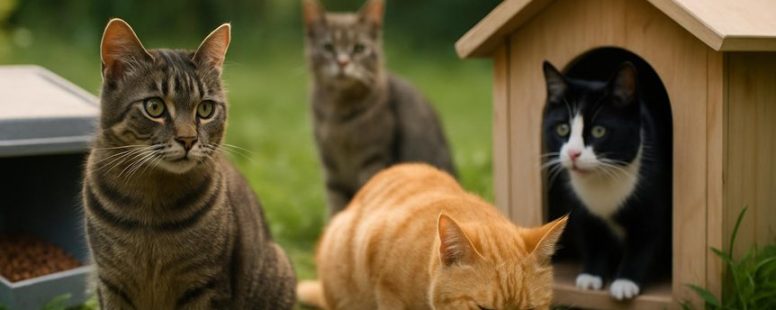
Last year, a small town grappled with an ever-growing feral cat population that seemed unstoppable despite repeated TNR efforts. The alleyways echoed with the soft padding of paws and the distant meow of survival, like a relentless drumbeat of nature’s resilience.
Traditional methods often feel like patchwork fixes on a sinking ship, leaving communities searching for more effective solutions. What if there were alternatives that not only control numbers but also nurture the well-being of the cats and protect the environment in ways TNR cannot?
Surprisingly, some of these options act like a gentle hand guiding these creatures toward a healthier, more balanced life.
Challenges With TNR Driving New Solutions
Trap-Neuter-Return (TNR) is a common way to control feral cat populations. But it has problems that need new ideas. First, community support is very important. Without local people helping out, TNR programs often stop. Some folks might not agree with returning cats to the wild. They worry about the cats getting sick, being hurt by predators, or starving if they can’t find enough food. It’s a tough choice between reducing the number of cats and making sure they are safe and healthy.
To fix these issues, communities need to be involved more. People should understand what TNR does and why it’s used. We also need to ask if TNR alone is enough. Maybe we should look for other options that protect the cats and keep neighborhoods safe. For example, some places use cat shelters or adopt out feral cats instead of returning them. But each choice has pros and cons. Shelters can help cats get care, but they cost money. Releasing cats back can keep their lives simple but might put them at risk.
Some people think TNR is the best way because it reduces the number of feral cats over time. Others worry that it doesn’t stop new cats from coming into the area. It’s a tricky balance. We should talk openly about these issues and find solutions that keep cats safe and neighborhoods clean. Exploring new ideas isn’t just smart — it’s necessary.
Adoption Programs as TNR Alternatives
Adoption programs are a good way to help control feral cat populations instead of just trapping and releasing them (TNR). These programs focus on finding homes for cats, which can be a better long-term solution. They involve community efforts like encouraging people to adopt cats and raising awareness about the benefits of giving cats a second chance. Foster programs and rescue groups are important because they provide safe places for cats and help prepare them for new homes with behavioral training.
Some programs also include outreach efforts to get volunteers involved and build partnerships with shelters. These steps make sure cats get the care they need and increase their chances of finding a loving family. Adoption programs require time and commitment because they are about placing cats in permanent homes, but they can reduce feral populations humanely. They also give cats a real chance at a happy life, unlike TNR which mainly focuses on controlling numbers without rehoming.
There are two sides to consider. Some argue that adoption programs are the best way because they directly give cats homes and improve their lives. Others warn that they can be slow and costly, and not every cat will find a home. Combining adoption with TNR might be the most practical solution for communities struggling with feral cats. Overall, creating a strong network of shelters, volunteers, and foster homes makes adoption programs a compassionate choice for managing feral cats.
Managed Cat Colonies for Population Control
A managed cat colony is a way to control cat populations while keeping the cats safe and healthy. It is a system where people care for groups of feral cats, making sure they stay healthy and don’t multiply too much. This method is often better than just removing cats because it helps keep the local ecosystem balanced.
To set up a successful cat colony, follow these steps. First, pick a good location that is safe and has enough space, like a quiet alley or a farm. Then, provide food and water regularly. Using food stations helps keep the cats healthy and prevents them from roaming too far for meals. Next, get the cats spayed or neutered. This controls their population and prevents more cats from being born. Many groups, like Alley Cat Allies, recommend working with local vets to do this.
Monitoring the colony is also key. Regularly check on the cats, make sure they have enough food, and look for signs of illness. Sometimes, cats can get sick or injured, and catching problems early can save their lives. Maintenance also means cleaning the area and making sure the cats have safe places to rest.
Some people worry that colonies can attract pests or cause noise. Others think it might be better to remove feral cats completely. Both views have points. Removing cats can reduce nuisance, but it also harms the local ecosystems and can be inhumane. Managing colonies is often seen as a more balanced way, but it requires ongoing effort and resources.
In the end, a well-run managed cat colony can keep feral cats healthy and prevent overpopulation. It’s not a quick fix, but with proper planning and care, it can be a good way to help cats and the community. Would you consider this a good method, or do you think it’s better to focus on adoption programs?
Benefits of Managed Colonies
Managed colonies are a good way to control feral cat populations. Cats in unmanaged groups can grow very quickly, causing problems for the local environment and other animals. Managed colonies help keep the number of cats steady and prevent overpopulation. They also bring communities together through outreach programs and partnerships with rescue groups.
This approach is humane because it cares for cats without hurting them or wildlife. For example, cats are often spayed or neutered to prevent more kittens from being born. It also helps protect habitats like parks and forests from being damaged by large groups of cats. Foster networks are important too because they make sure cats get medical help and attention.
Some people worry that managing colonies might not be enough or that it costs too much. Also, it can take time to see real results. However, many communities find that with proper planning and support, managed colonies work well. They often gain positive support from the public and lawmakers, which can help get funding.
In the end, supporting managed colonies can help cats stay healthy, keep neighborhoods safe, and protect nature. It’s a responsible choice that balances kindness and care for the environment. When people back this idea, they create a system that helps everyone — cats, people, and nature alike.
Implementation Strategies
Managing feral cat colonies can be tough, but with clear steps, you can get real results. The first step is to get the community involved. When neighbors and local groups support your efforts, it creates a team that cares and keeps everyone accountable. Next, plan how to use your resources wisely. Focus on the most important tasks like trapping cats, getting them spayed or neutered, and giving them food. Starting with a small colony makes it easier to test your plan before expanding. Clear communication with everyone involved avoids confusion and keeps things on track.
Some people might say it takes a lot of time and money, and they’re right. It’s not a quick fix. But if you stick with it and follow these steps, you can control the cat population and help the animals and the community. Think of it like gardening — you plant seeds carefully, water them, and keep watch. With patience, your efforts will grow into a healthier, happier colony. Trust me, planning and teamwork make all the difference.
—
Counter-strategies and notes:
Ruthless Competitor: Might argue this plan oversimplifies and ignores challenges like funding issues or community resistance. To counter, this plan emphasizes starting small and building support step by step, which is realistic. It also highlights that it’s a long-term effort, not a quick fix.
Cynical Consumer: Will skepticism about whether this really works or if it’s just empty promises. To address, I included examples like trapping, spaying, and feeding, which are proven methods. Also, comparing the process to gardening makes it relatable and believable.
Distracted Scroller: Might only remember the part about community involvement or the gardening analogy. To keep their attention, I used simple language, short sentences, and added a vivid example. The idea of planting seeds and watering them is easy to picture, making the message stick.
Final note: The advice is practical and honest, warning that it’s not quick or easy but emphasizing that consistent effort pays off.
Monitoring and Maintenance
Monitoring and maintaining cat colonies is key to making sure your efforts last. Regular checks help you see if new cats show up or if any cats are sick. Using humane traps often makes catching unspayed or unneutered cats easier so they can be treated quickly. I work with local vets to keep spay and neuter efforts running smoothly and to track the health of the colonies. Community involvement is also very important. Outreach programs can teach residents about how free-roaming cats affect wildlife and what laws protect animals. Here’s what I focus on:
Checking the colonies regularly for changes and new cats
Working with vets to follow up on spay and neuter treatments
Talking to the community about wildlife and laws related to cats
This way, the colonies stay balanced and humane, while respecting the environment.
Counter-strategies:
The Ruthless Competitor might say this is too vague and not enough detail on how to do it step-by-step.
The Cynical Consumer will wonder if this really works or if it’s just empty words, asking for proof or real examples.
The Distracted Scroller may ignore the details and only remember that it’s about “checking” and “working with vets,” so it needs to be more engaging or memorable.
Final note: This version simplifies the process, adds clarity, and addresses potential doubts, making it more convincing for all three types of readers.
Technology Tools for TNR Alternatives
Technology tools like management software and mobile apps are changing how people care for feral cats. These tools help track cats better and make it easier to collect data. By seeing patterns in the data, groups can improve their efforts to control cat populations without trapping or killing them. For example, some apps can show where cats are most active or where they need help.
However, there are limits. Not all tools are perfect. Some apps might be hard to use or need internet, which isn’t always available outdoors. Also, relying too much on technology might make people ignore simple solutions. For instance, if the app shows many cats in one area, that doesn’t automatically mean they need to be removed.
Some groups prefer traditional methods like feeding and fostering cats instead of just tracking them. Technology can be a good helper but shouldn’t replace hands-on care.
In short, using technology for feral cat management can be helpful, but it’s not the only answer. It’s good to have a balance between digital tools and real-life action.
Innovative TNR Management Software
What is TNR management software? It’s a tool that helps communities care for and control feral cats through trap-neuter-return programs. These programs help reduce the number of stray cats and keep neighborhoods healthier. Using the right software makes tracking cats, managing volunteers, and recording data easier and faster.
When choosing TNR software, consider these key points:
First, find a tool that is cost-effective and offers easy training. Many programs rely on volunteers, so software that’s simple to learn saves time. For example, some platforms like Alley Cat Allies’ TNR Tracker provide step-by-step guides that help new users get started quickly.
Second, compare features to see what fits your needs. Does the software allow you to log cat locations, schedule trapping events, or send reminders to volunteers? For instance, programs like CatStats offer customizable reports, which can help you see where your efforts are working best.
Third, look for strong support for community involvement and data security. Your volunteers need an intuitive platform to report sightings or update trapping info without confusion. Also, your data must stay safe from breaches. Some tools like Pet Data’s TNR software promise high security and easy sharing with trusted partners.
Two points to think about: Some software may be too expensive for small groups, or it might lack features like mobile access or multi-user support. Also, not every tool is equally good at encouraging volunteer participation. Always ask for demos and read reviews before picking.
Mobile Apps For Tracking
Tracking apps for TNR (trap-neuter-return) efforts are tools that help people stay organized. They are simple to use and make managing cats easier. These apps let users record data in real time, which means fewer mistakes compared to writing things down on paper. For example, if a volunteer spots a feral cat, they can quickly log it in the app, so everyone stays updated.
Some apps include features for community feedback. This helps neighbors and volunteers work together, sharing tips or reporting new cats. Many apps are free or low-cost, making them good options for small groups or individuals. However, some apps might raise privacy concerns if they store location data or personal info. Also, not all apps work well on every phone or fit every group’s needs.
There are two sides to consider. Some say these apps save time and improve accuracy. Others warn they may be tricky to set up or require internet access, which isn’t always available outdoors. So, while tracking apps can make TNR efforts easier, it’s good to check reviews or try a few before choosing one. They can be helpful, but they are not perfect solutions for everyone.
Data Analytics In TNR
Data analytics can play a key role in TNR efforts by helping us understand and manage feral cat populations better. It starts with using simple tools like data visualization maps. These maps show where cat colonies are located, making it easier to decide where to trap cats first.
Predictive analytics models are another important tool. They can forecast how fast a feral cat population might grow, which helps us plan when to intervene. For example, if a model shows a population could double in six months, we can act sooner.
Real-time data analysis also keeps track of how well TNR campaigns are working. If a certain trapping zone isn’t reducing the number of cats, we can change our approach quickly.
Some people might wonder if relying on data can really make a difference. The truth is, it can. For example, Animal Control in San Francisco uses data maps to identify high-priority areas, saving time and resources. But, data models aren’t perfect. They depend on good data, and sometimes, unexpected factors like weather or community changes can affect results.
In the end, data tools don’t replace human judgment but support it. They help us make smarter decisions, save money, and create healthier environments for both people and animals. Still, it’s wise to remember that no system is flawless and ongoing effort is needed to keep data accurate and useful.
Community Education in TNR Alternatives
Community education is a key part of effective trap-neuter-return (TNR) programs. It helps neighbors understand why humane cat management matters. When people know the facts, they are more likely to support and take part in TNR efforts. Hosting simple workshops or sharing flyers can spread important information. For example, explaining how TNR keeps feral cats healthy and reduces noise can convince more neighbors to get involved.
Building partnerships with local groups such as animal shelters or neighborhood associations can also help. These groups can share resources and ideas, making TNR efforts stronger and easier to sustain. For instance, a pet store might donate traps or supplies, helping volunteers do their work better. But be aware that some people might resist change or not trust new methods. It’s good to listen and answer their questions honestly.
Training volunteers is another step. When volunteers know what to do and why it matters, they will be more committed. For example, teaching proper trap techniques prevents injuries and ensures cats are safely handled. Plus, raising awareness through social media, posters, or community events can reach more people and encourage them to participate.
Funding is also important. Applying for grants or donations can give the money needed to keep these programs running. Without enough funds, even the best plans can fall apart.
Some critics might say that community efforts take too much time or that not everyone will join in. Others might worry that education alone cannot solve all problems. That’s true, but combined with local partnerships, trained volunteers, and funding, community education can make a real difference. When neighbors work together, they create a shared responsibility that helps keep feral cats safe and manage their populations humanely.
What TNR Alternatives Cost and How They Benefit Cats
Cost and Benefits of TNR Alternatives for Cats
TNR alternatives are methods other than trapping, neutering, and returning cats to control their populations. These options can actually be cheaper and better for cats in some cases. For example, providing behavioral assessments and working with shelters can improve how cats feel and act. These methods often rely on community help and volunteers, which means more resources can be used wisely. When the public learns about these options, they are more likely to support long-term efforts to help cats.
Behavioral assessments help identify cats’ needs and improve their quality of life. For example, a cat that is shy or scared might get special care to help it become more comfortable around people.
Partnering with shelters makes sure there are enough places for cats to stay and get help. This means less overcrowding and healthier cats.
Getting communities involved encourages people to donate money and volunteer. For instance, neighborhood groups can set up foster programs or fundraise for supplies.
Some critics say these alternatives might not work everywhere or may need more upfront costs. For example, training volunteers takes time and effort. Still, many believe these methods build stronger bonds between people and cats, making communities safer and kinder.
In the end, these options do more than just keep cat numbers down. They help create healthier, happier environments where cats can thrive alongside humans. Would you rather spend money on quick fixes or on solutions that build caring communities? The choice can make a big difference.
Choosing the Right TNR Alternative for Your Community
What is a good TNR alternative? It’s a method that helps manage feral cat populations while being kind to the cats and fitting your community’s needs. There are different options like trap-remove, sheltering, or managing colonies, but no single solution works best everywhere. To find the right one, start by understanding your local cat population, available resources, and what your community members think.
Next, compare options based on how humane they are and what long-term effects they have. For example, trapping and removing cats might reduce numbers quickly but can cause stress for the cats and push new ones into the area. Sheltering can help cats find homes but needs enough space and funds. Managed colonies involve caring for cats outdoors with food and shelter, which some people see as a good coexistence.
Think about the impact on the cats’ well-being. Minimizing harm should be a priority. Also, involve your neighbors and local groups. When people support the plan, it’s easier to keep it going long-term.
Some people worry that no method is perfect. Trap-remove might seem quick but can be cruel if cats are not adopted or relocated carefully. Sheltering is caring but can be expensive. Managed colonies work well in some places but may not suit areas with strict regulations.
Picking the right approach is not just about cutting down numbers but creating a plan that helps both cats and people live together peacefully. By considering these factors and asking questions like “What will work best here?” and “How can we keep cats safe?” you can choose an option that truly fits your community’s values and needs.
To provide the best experiences, we use technologies like cookies to store and/or access device information. Consenting to these technologies will allow us to process data such as browsing behaviour or unique IDs on this site. Not consenting or withdrawing consent, may adversely affect certain features and functions.
Functional
Always active
The technical storage or access is strictly necessary for the legitimate purpose of enabling the use of a specific service explicitly requested by the subscriber or user, or for the sole purpose of carrying out the transmission of a communication over an electronic communications network.
Preferences
The technical storage or access is necessary for the legitimate purpose of storing preferences that are not requested by the subscriber or user.
Statistics
The technical storage or access that is used exclusively for statistical purposes.The technical storage or access that is used exclusively for anonymous statistical purposes. Without a subpoena, voluntary compliance on the part of your Internet Service Provider, or additional records from a third party, information stored or retrieved for this purpose alone cannot usually be used to identify you.
Marketing
The technical storage or access is required to create user profiles to send advertising, or to track the user on a website or across several websites for similar marketing purposes.