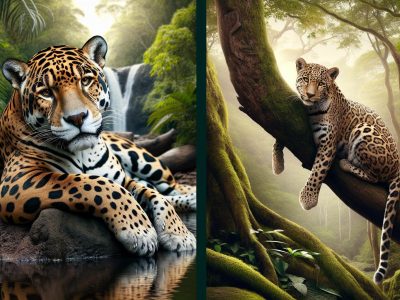
In the heart of the wilderness, where shadows dance and whispers of the forest come alive, two elusive predators roam—each with its own mystique. The lynx and the bobcat, often mistaken for one another, are creatures of intrigue and majesty. But what sets these feline cousins apart, and why should you care about their differences?
Imagine the thrill of spotting a lynx, with its tufted ears and large, padded paws, as it moves with ghostly grace through the snow. Contrast this with the bobcat, whose stealthy steps and distinctive spots reveal a more rugged, adaptable hunter. Understanding these differences not only enriches your knowledge of wildlife but also deepens your appreciation for nature’s diversity.
Jump into the world of these fascinating cats, and discover why the lynx and bobcat are more than just wild felines—they’re symbols of survival and adaptability in a rapidly changing world.
Physical Characteristics
Examine the physical distinctions between the lynx and the bobcat. Though they might seem similar, each species possesses distinct features.
Size and Build
Lynx generally appear larger than bobcats. Adult lynx weigh between 18 to 65 pounds, with body lengths ranging from 30 to 40 inches. Bobcats typically weigh 15 to 35 pounds and measure 26 to 41 inches in length. Lynx have longer legs and larger paws, adaptations for exploring deep snow. Bobcats are compact and muscular, designed for agility and stealth in diverse terrains.
Coat and Coloration
Lynx coats are thick and soft, usually ranging from gray to light brown with a more uniform coloration. Occasionally, you’ll see faint spots. Bobcats exhibit a more distinct pattern with brownish coats covered in black spots or streaks, offering camouflage in different environments. Lynx fur is denser, offering insulation in colder climates.
Ears and Tails
Ears of both species are tufted, but lynx tufts are longer, measuring up to 2 inches. These tufts aid in detecting sound direction. Lynx have short tails that appear stubby with a completely black tip. Bobcat tails are longer and have a black band on top near the tip, contrasting with the white underside. The tufts and tail characteristics help differentiate these feline species.
Habitats and Range
Lynx and bobcats inhabit distinct regions, each having evolved to thrive in different environments that suit their unique characteristics.
Geographic Distribution
Lynx, notably the Canada lynx, mainly range across the boreal forests of North America, especially in Canada and Alaska. Their range expands into parts of the northern United States, such as Montana, Minnesota, and Maine. In contrast, the Eurasian lynx spans across Europe and Asia. Bobcats dominate much of the U.S., stretching from southern Canada to northern Mexico. They adapt well to diverse habitats, from woodlands to semi-deserts, explaining their broad range.
Preferred Environments
Lynx favor dense, snowy forests, using their large paws like snowshoes to traverse through deep snow with ease. These forests provide ample cover and prey, namely snowshoe hares. They excel in cold climates that are less favorable to their competitors. Bobcats, nimble and versatile, prefer rocky terrains and forested areas with plenty of prey. While they adapt to suburban areas, their cryptic coloring helps them blend into rocky outcrops and brush in wild habitats, sneaking up on rabbits and small mammals.
Behavior and Social Structure
Lynx and bobcats, though similar in appearance, exhibit distinct behavioral traits and social structures. Understanding these differences enhances knowledge about these elusive species.
Hunting Techniques
Lynx primarily rely on their excellent hearing and long legs for catching prey. They often hunt in areas with deep snow, where their large paws act as snowshoes. They’re ambush predators, waiting silently before pouncing on snowshoe hares. Their patience and stealth are key to their hunting success.
Bobcats, on the other hand, are solitary and versatile hunters. They use strategy and opportunism, stalking their prey silently through grasslands or woodlands. With quick reflexes and agility, they can leap up to 10 feet to catch rabbits or other small mammals. Their adaptable hunting methods suit various environments, making them successful across diverse habitats.
Social Interactions
Lynx are generally solitary, though females may be seen with their young during the breeding season. Males and females come together only for mating. They communicate through vocalizations and scent markings to establish territories. Their social interactions are minimal, focused mainly on mating and territorial disputes.
Bobcats, in contrast, have a more complex social structure. While they also primarily lead solitary lives, they maintain overlapping territories with occasional interactions. They vocalize through growls and hisses, and use visual signals like tail flicks. During mating seasons, bobcats engage in brief social bonds. Their social dynamics allow them to adapt to various environments, illustrating their ecological flexibility.
Diet and Hunting Preferences
Lynx and bobcats have distinct hunting tactics shaped by their habitats and prey. Understanding their dietary habits illuminates how these felines have adapted to their environments.
Typical Prey
Lynx primarily consume snowshoe hares, which account for 60-97% of their diet. Their population fluctuations often correlate with hare abundance. Their habitat in snowy forests ensures a steady supply of these prey. In contrast, bobcats display a more varied diet, including rabbits, rodents, birds, and occasionally even reptiles. For instance, in the southeastern United States, they often hunt cotton rats and eastern cottontails. Each species’ dietary preferences reflect their respective abilities to exploit available resources.
Hunting Strategies
Lynx rely on stealth and patience to ambush prey, a method effective in snowy terrains where movement is hindered. Their large paws, akin to snowshoes, allow silent movement across deep snow. Sometimes, lynx even climb trees to survey their surroundings. Bobcats, on the other hand, demonstrate agility and cunning. They excel at stalking, using dense cover to approach unsuspecting prey. Adapting to different environments, bobcats use their keen senses to detect prey, sometimes pouncing from a distance after a meticulous stalk. These differing strategies underscore each predator’s unique adaptations to their hunting grounds.
Conservation Status
Lynx and bobcats face different challenges in the wild, impacting their conservation status. Understanding these threats, efforts, and how they relate to environmental factors is crucial.
Population Threats
Lynx populations, especially Canada lynx, experience threats from habitat loss due to logging and urban development. As forests shrink, it’s harder for lynx to find prey like snowshoe hares. Climate change adds another layer of complexity by affecting snow levels, critical for lynx survival. In contrast, bobcats have a broader range, yet they suffer from habitat fragmentation and vehicle collisions. Although they’re more adaptable, human encroachment and hunting regulations present additional pressures on their populations.
Conservation Efforts
Efforts to conserve lynx focus on habitat protection and restoration. Initiatives like the Lynx Conservation and Assessment Strategy (LCAS) aim to conserve forested areas in the U.S., helping maintain corridors for movement. The Endangered Species Act protects lynx in the U.S., promoting targeted recovery plans. For bobcats, state-specific management plans seek sustainable populations through quotas and seasonal hunting restrictions. Education campaigns raise awareness about these elusive cats, fostering coexistence between humans and wildlife. These varied strategies underscore the importance of tailored conservation efforts for each species.
Conclusion
Understanding the distinctions between lynx and bobcats not only enhances your wildlife knowledge but also fosters a deeper appreciation for these remarkable creatures. Their unique adaptations and behaviors are a testament to their resilience and adaptability in diverse environments. As you explore their habitats and observe their traits, you contribute to the broader conversation about wildlife conservation and the need for tailored strategies to protect these species. Whether you’re captivated by the lynx’s silent grace in snowy forests or the bobcat’s agile prowess across varied landscapes, recognizing their differences enriches your experience of nature’s incredible diversity.
To provide the best experiences, we use technologies like cookies to store and/or access device information. Consenting to these technologies will allow us to process data such as browsing behaviour or unique IDs on this site. Not consenting or withdrawing consent, may adversely affect certain features and functions.
Functional
Always active
The technical storage or access is strictly necessary for the legitimate purpose of enabling the use of a specific service explicitly requested by the subscriber or user, or for the sole purpose of carrying out the transmission of a communication over an electronic communications network.
Preferences
The technical storage or access is necessary for the legitimate purpose of storing preferences that are not requested by the subscriber or user.
Statistics
The technical storage or access that is used exclusively for statistical purposes.The technical storage or access that is used exclusively for anonymous statistical purposes. Without a subpoena, voluntary compliance on the part of your Internet Service Provider, or additional records from a third party, information stored or retrieved for this purpose alone cannot usually be used to identify you.
Marketing
The technical storage or access is required to create user profiles to send advertising, or to track the user on a website or across several websites for similar marketing purposes.