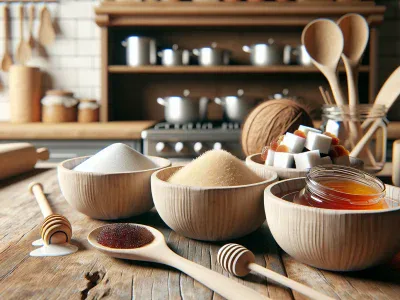
Your cake’s baked, the cookies are cooling, but you’ve just realized you’re out of icing sugar. Don’t panic—there’s no need to abandon your sweet masterpiece. Whether it’s for frosting, dusting, or adding that perfect touch of sweetness, there are creative substitutes waiting in your pantry.
Understanding Icing Sugar
Icing sugar, also known as powdered or confectioners’ sugar, plays a crucial role in achieving smooth textures and sweetness in various recipes. It’s finely ground granulated sugar mixed with a small amount of anti-caking agent like cornstarch.
What Is Icing Sugar?
Icing sugar is simply regular sugar processed into a fine powder to dissolve quickly. Its texture makes it ideal for frostings, glazes, and dusting desserts. The addition of cornstarch prevents clumping when stored in airtight conditions. You might’ve seen it labeled differently depending on your region—powdered sugar in the US or icing sugar elsewhere.
Common Uses of Icing Sugar in Baking and Cooking
Bakers rely on icing sugar for creating silky buttercreams and royal icing that hardens perfectly on cookies. Pastry chefs use it to dust desserts like brownies or tiramisu for visual appeal. In cooking, it’s sometimes blended into sauces needing subtle sweetness without grainy consistency.
Why Look for a Substitute for Icing Sugar?
Exploring substitutes for icing sugar can stem from dietary restrictions, health preferences, or unavailability. Understanding these reasons helps you make the best choice for your specific needs.
Dietary Restrictions
Some individuals avoid traditional icing sugar due to dietary needs. For example, those with gluten sensitivities may prefer homemade substitutes without additives like cornstarch that could contain trace gluten. Vegans might seek alternatives using organic or non-bone char processed sugars. By considering these factors, you ensure inclusivity in desserts.
Healthier Alternatives
Health-conscious bakers often reduce refined sugar intake. Using natural sweeteners like coconut sugar or powdered monk fruit offers lower glycemic index options while maintaining sweetness. Blending granulated oats into powder provides a fiber-rich substitute ideal for nutrition-focused recipes.
Lack of Availability
If icing sugar isn’t available in your pantry or local store, creating a DIY substitute saves time and effort. Pulverizing granulated sugar in a blender replicates the fine texture needed for recipes like buttercream frosting. Adding cornstarch prevents clumping if storing it longer-term.
Best Substitutes for Icing Sugar
When you’re out of icing sugar, several alternatives can replicate its texture and sweetness. These substitutes cater to different needs, from dietary preferences to practical pantry solutions.
Powdered Sugar
Powdered sugar is the closest match to icing sugar. It’s essentially the same product under a different name in some regions. You may find it labeled as “confectioners’ sugar” in stores. Use it in equal measure as a substitute.
Granulated Sugar with Cornstarch
Blend granulated sugar with cornstarch to create a homemade version of icing sugar. For every cup of granulated sugar, add 1 tablespoon of cornstarch and process them in a blender or food processor until fine. This method works well when you need smooth textures for frostings or glazes.
Coconut Sugar
Coconut sugar offers a natural alternative with caramel-like undertones. Blend coconut sugar into powder form for recipes requiring powdered consistency. Note that its darker color might alter the appearance of your desserts but enhances flavor profiles like chocolate cakes and cookies.
Stevia-Based Powder
Stevia-based powders provide a calorie-free option when sweetening desserts without refined sugars. Replace icing sugar using half the quantity due to stevia’s high sweetness intensity. Check packaging instructions since blends vary across brands.
Maple or Honey Powder
Dehydrated maple syrup or honey powder serves as effective replacements for those seeking unique flavors or natural sweeteners. Use these powders at a 1:1 ratio; but, they’re best suited for recipes where their distinctive taste complements other ingredients—like oatmeal cookies or spiced muffins.
How to Make Your Own Icing Sugar Substitute
Creating an icing sugar substitute at home is straightforward, cost-effective, and allows customization based on your recipe needs. With just a few tools and ingredients, you can achieve the same fine consistency required for baking.
Tools You Need
To make your own icing sugar substitute, gather basic kitchen essentials.
Blender or food processor: Essential for grinding granulated sugar into fine powder.
Fine sieve: Helps eliminate larger particles for a smoother texture.
Measuring cups or spoons: Ensures precise ingredient ratios.
Having these tools ready simplifies the process and guarantees consistency in your homemade substitute.
Simple Step-by-Step Process
Blend granulated sugar: Place 1 cup of granulated sugar in a blender or food processor. Blend on high speed until it reaches a powdery consistency, similar to store-bought powdered sugar.
Add cornstarch (optional): For every cup of powdered sugar produced, mix in 1 tablespoon of cornstarch to prevent clumping—especially useful if storing the substitute for later use.
Sift thoroughly: Pass the mixture through a fine sieve over a bowl to remove coarse grains or lumps that didn’t blend properly.
Store securely: Transfer your icing sugar substitute into an airtight container if not using immediately to maintain freshness and prevent moisture absorption.
Tips for Using Icing Sugar Substitutes
When working with icing sugar substitutes, achieving the right texture and sweetness is essential. Understanding key methods ensures your recipes turn out as intended.
Adjusting Measurements
Icing sugar substitutes may differ in density and sweetness levels from traditional icing sugar. For example, if you’re using stevia-based powder, use only half the amount since it’s significantly sweeter. Coconut sugar offers a unique flavor but requires an equal substitution by weight rather than volume due to its coarser granules. Always measure carefully to maintain balance in your recipe.
Testing for Texture and Sweetness
Blended granulated sugar often creates a similar consistency to powdered sugar but might feel slightly gritty. Test a small batch of frosting or glaze first to ensure smoothness before scaling up. Add more cornstarch if clumping occurs or blend longer for finer results. Taste-testing helps verify that the substitute aligns with your desired flavor profile.
Storage Tips for Homemade Substitutes
Store homemade substitutes in airtight containers away from heat and moisture to prevent clumping and loss of freshness. Label containers with preparation dates to track usage timelines effectively. For best results, sift stored mixtures before each use as settling can occur over time.
Conclusion
Running out of icing sugar doesn’t have to derail your baking plans. With a variety of substitutes and a simple DIY method at your fingertips, you can adapt to any recipe without compromising on texture or flavor. Whether you’re exploring healthier options, catering to dietary needs, or just improvising with what’s available, there’s always a solution.
By understanding the role of icing sugar and making mindful adjustments, you’ll achieve delicious results every time. Keep experimenting and customizing your substitutes to suit your recipes—you might even discover new favorites along the way!
To provide the best experiences, we use technologies like cookies to store and/or access device information. Consenting to these technologies will allow us to process data such as browsing behaviour or unique IDs on this site. Not consenting or withdrawing consent, may adversely affect certain features and functions.
Functional
Always active
The technical storage or access is strictly necessary for the legitimate purpose of enabling the use of a specific service explicitly requested by the subscriber or user, or for the sole purpose of carrying out the transmission of a communication over an electronic communications network.
Preferences
The technical storage or access is necessary for the legitimate purpose of storing preferences that are not requested by the subscriber or user.
Statistics
The technical storage or access that is used exclusively for statistical purposes.The technical storage or access that is used exclusively for anonymous statistical purposes. Without a subpoena, voluntary compliance on the part of your Internet Service Provider, or additional records from a third party, information stored or retrieved for this purpose alone cannot usually be used to identify you.
Marketing
The technical storage or access is required to create user profiles to send advertising, or to track the user on a website or across several websites for similar marketing purposes.