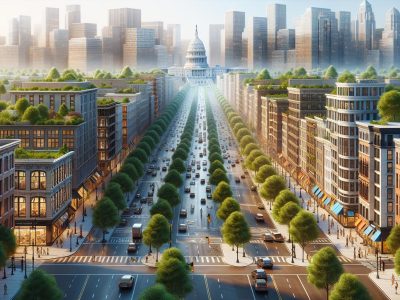
Picture walking through a bustling city square, alive with street performers, local vendors, and the hum of community life. Now picture a sleek, meticulously planned urban hub where every detail is controlled by private entities—from transportation to public spaces. These contrasting visions highlight the growing debate between public cities and private cities. Each offers distinct advantages, but also raises critical questions about accessibility, governance, and who truly benefits.
As cities evolve to meet modern demands, you’re faced with intriguing choices that shape your daily experiences. Public cities promise inclusivity and shared ownership but often wrestle with inefficiency. Private cities boast innovation and efficiency yet spark concerns over exclusivity and control. What does this mean for you as a resident or visitor? Understanding these differences isn’t just fascinating—it’s essential for envisioning the future of urban living.
What Is A Public City?
A public city operates as a collective urban environment managed by government authorities. It prioritizes accessibility, diverse services, and inclusivity.
Definition And Characteristics
Public cities are designed to serve the general population without exclusivity. Government agencies oversee infrastructure, public spaces, and essential services like water supply and transportation. These cities emphasize equal access to amenities such as parks, libraries, schools, and hospitals.
Governance in public cities relies on taxation for funding. This model ensures that citizens contribute proportionally to maintain shared facilities. Public policy often focuses on sustainability and social equity alongside economic growth.
Public spaces in these cities foster community interaction. Streets become gathering points during festivals, markets flourish with cultural diversity, and recreational areas provide opportunities for relaxation or sports activities.
Examples Around The World
Cities like New York City exemplify the public city model through extensive subway systems, free-entry parks like Central Park, and publicly funded institutions such as museums or schools. London offers similar features with its accessible healthcare services under the NHS system and iconic open spaces like Hyde Park.
In developing nations, Mumbai demonstrates how densely populated urban hubs manage resources through municipal corporations while offering affordable public transport options like local trains or buses.
These examples highlight how different regions adapt the concept of public cities based on cultural norms or economic capacities while maintaining core principles of inclusivity and accessibility.
What Is A Private City?
A private city operates under private ownership and management, focusing on efficiency, innovation, and exclusivity. Unlike public cities managed by governments, private cities are typically run by corporations or investors who control infrastructure, services, and regulations.
Definition And Characteristics
Private cities function as urban developments owned and administrated by private entities. These entities design infrastructure to maximize operational efficiency and often carry out strict regulations to maintain order. Governance aligns with contractual agreements between residents and the managing body rather than public policies.
Funding comes from fees paid by residents or businesses instead of taxes. Services like security, utilities, waste management, and transportation are provided privately. Decision-making centers around meeting stakeholder interests while maintaining high standards of living for inhabitants.
Accessibility in a private city may be limited based on income levels or specific criteria set by owners. This exclusivity can lead to higher quality amenities but restricts broader societal inclusivity found in public cities.
Examples Around The World
Hacienda Nápoles in Colombia transitioned from a personal estate into a privately-managed tourist town offering controlled access to attractions. Songdo International Business District in South Korea exemplifies innovation through smart technology integration within its privatized governance model.
Lavasa in India was developed as an exclusive residential hub emphasizing sustainability but faced criticism for accessibility issues. In comparison, Dubai’s free zones operate semi-autonomously with unique regulatory frameworks designed to attract global enterprises while maintaining exclusivity for economic growth purposes.
Public City Vs Private City: Key Differences
Public and private cities differ in their governance, infrastructure, inclusivity, and financial structures. Understanding these distinctions helps you navigate the evolving urban landscapes.
Governance And Management
Public cities function under government control. Elected officials and public servants manage policies, ensuring democratic oversight of urban development. Decision-making processes often involve citizen input through public forums or voting mechanisms. For example, New York City’s municipal government oversees housing regulations and public transit systems.
Private cities operate under corporate or investor management. Contracts define the governance framework rather than public laws. Stakeholders focus on efficiency, prioritizing economic returns over collective decision-making. Songdo International Business District exemplifies this model with its tech-driven administration managed by private entities.
Infrastructure And Facilities
Governments develop infrastructure in public cities using tax revenues to build essential services like roads, schools, parks, and utilities accessible for all residents. Mumbai’s local trains serve millions daily as a testament to large-scale public investment in transit networks.
Private cities offer premium facilities tailored to paying residents or businesses. Developers design modern amenities such as smart energy grids or luxury recreational areas exclusive to those within gated boundaries. Lavasa in India features advanced water management systems but limits access based on contractual agreements.
Accessibility And Inclusivity
Inclusion defines public cities’ ethos by promoting diversity across socioeconomic groups regardless of income levels or social status. Public spaces like London’s Hyde Park welcome people from varied backgrounds for leisure activities without restrictions.
Private cities emphasize exclusivity due to entry barriers like membership fees or high property costs that restrict accessibility for lower-income groups. Dubai’s free zones attract global corporations with tax incentives while creating isolated business hubs disconnected from broader communities.
Financial Models
Taxation funds operations in public cities where citizens collectively contribute toward shared resources’ maintenance and expansion through levies on income or properties—a system seen widely across Western democracies like Canada.
Benefits And Drawbacks Of Public Cities
Public cities, managed by governmental authorities, prioritize inclusivity and accessibility for all citizens. They offer distinct advantages but also face unique challenges in their operational frameworks.
Strengths Of Public Cities
Public cities foster inclusivity through universal access to services. For example, New York City provides public transportation systems like subways and buses that cater to millions daily, ensuring mobility across socioeconomic groups. Government policies emphasize equity, offering subsidized housing programs or free public education in many regions.
These cities encourage community interaction by providing shared spaces such as parks, libraries, and cultural centers. London’s Hyde Park or Mumbai’s Marine Drive exemplify how urban designs promote social engagement while reflecting local culture. Infrastructure funding through taxation ensures collective investment into essential services like healthcare facilities and waste management systems.
Public oversight supports democratic governance structures where citizens influence decision-making processes. Elected officials address public needs transparently compared to privatized models prioritizing profit margins.
Challenges They Face
Operational inefficiencies often hinder public city management due to bureaucratic processes or resource constraints. Delayed infrastructure projects or inconsistent service delivery arise from complex administrative hierarchies.
Overcrowding and overuse of resources strain public utilities in densely populated areas such as Mumbai or Lagos. This can lead to inadequate sanitation facilities or unreliable water supply networks during peak demand periods.
Financial sustainability poses another challenge since tax revenues fluctuate based on economic conditions; recessions reduce available funds for vital programs without alternative income sources like private investments.
Private cities offer a distinct urban model, emphasizing efficiency and exclusivity while presenting unique challenges. Their governance and operational structure create opportunities for innovation but also limit inclusivity.
Strengths Of Private Cities
Private cities excel in delivering high-quality infrastructure and services due to their profit-driven models. For example, Songdo International Business District uses advanced technology systems for waste management and energy efficiency, enhancing residents’ quality of life. These cities prioritize innovation in urban planning, offering smart solutions like automated transportation or eco-friendly buildings.
Economic growth is another notable advantage. By attracting businesses through tax incentives or specialized zones, such as Dubai’s free zones, private cities stimulate investment and job creation. They often serve as hubs for global commerce by catering to high-income individuals or multinational corporations.
Operational flexibility allows quick decision-making without bureaucratic delays. Governance through contracts enables tailored policies that adapt efficiently to residents’ needs, unlike public city frameworks with slower legislative processes.
Challenges They Face
Accessibility remains a significant issue in private cities due to income-based entry barriers. High fees or stringent residency requirements exclude lower-income populations from benefiting from these environments, creating socioeconomic divisions within urban landscapes.
Sustainability concerns arise when profits overshadow ecological considerations. Lavasa faced criticism for environmental degradation caused by its construction practices even though its focus on luxury amenities.
Lack of democratic oversight can lead to governance issues where corporate interests outweigh community welfare. Unlike public cities governed by elected officials accountable to citizens, private city administrations may prioritize investors’ financial returns over equitable policymaking.
The Future Of Urban Development
Urban development continues evolving, influenced by technological advancements, population growth, and environmental challenges. Public and private city models adapt to meet these demands, shaping how people live, work, and interact.
Trends Shaping City Models
Technology integration transforms urban spaces. Smart cities like Songdo in South Korea incorporate IoT (Internet of Things) systems for efficient traffic management and energy use. Autonomous vehicles and AI-driven infrastructure redefine mobility in both public cities such as Singapore and private zones like Dubai’s free trade areas.
Environmental sustainability drives green initiatives. Urban planners prioritize renewable energy sources, eco-friendly buildings, and waste reduction programs. For example, Curitiba in Brazil utilizes an efficient bus rapid transit system to reduce emissions—demonstrating public city innovation in sustainable transport.
Demographic shifts influence urban designs. Aging populations require accessible healthcare facilities while younger generations demand digital connectivity. In Japan’s Fujisawa Sustainable Smart Town (a privately managed project), homes are equipped with solar panels and advanced monitoring systems catering to diverse age groups.
Economic pressures encourage mixed-use developments. Combining residential spaces with commercial hubs optimizes land use while reducing commute times. Cities like New York integrate affordable housing into high-density neighborhoods—a stark contrast to exclusive residential zones seen in Lavasa or similar private projects.
Balancing Public And Private Interests
Collaboration between sectors ensures inclusive growth without compromising efficiency or quality. Public-private partnerships (PPPs) fund large-scale projects like London’s Crossrail system—a modern rail network improving regional connectivity while benefiting from corporate investment.
Regulatory frameworks safeguard inclusivity when integrating privatized elements into public settings. For instance, Chicago Riverwalk blends publicly funded spaces with privately operated cafes—enhancing community engagement without restricting access based on income levels.
Equitable resource allocation mitigates disparities between governance models. Tax incentives offered by private entities can attract businesses but risk widening socioeconomic gaps if low-income communities lack support from public policies prioritizing universal service provision.
Conclusion
Understanding the dynamics of public and private cities gives you valuable insight into how urban spaces shape daily life. Each model offers unique benefits and challenges that influence accessibility, innovation, and community interactions. As cities continue to evolve, your role in supporting sustainable and inclusive development becomes increasingly significant.
Whether you’re a resident or a visitor, recognizing these differences helps you navigate urban environments more effectively. By advocating for balanced approaches that integrate both public and private strengths, you contribute to creating cities that meet diverse needs while addressing future challenges in urban living.
Published: August 19, 2025 at 4:30 am by Ellie B, Site owner & Publisher
To provide the best experiences, we use technologies like cookies to store and/or access device information. Consenting to these technologies will allow us to process data such as browsing behaviour or unique IDs on this site. Not consenting or withdrawing consent, may adversely affect certain features and functions.
Functional
Always active
The technical storage or access is strictly necessary for the legitimate purpose of enabling the use of a specific service explicitly requested by the subscriber or user, or for the sole purpose of carrying out the transmission of a communication over an electronic communications network.
Preferences
The technical storage or access is necessary for the legitimate purpose of storing preferences that are not requested by the subscriber or user.
Statistics
The technical storage or access that is used exclusively for statistical purposes.The technical storage or access that is used exclusively for anonymous statistical purposes. Without a subpoena, voluntary compliance on the part of your Internet Service Provider, or additional records from a third party, information stored or retrieved for this purpose alone cannot usually be used to identify you.
Marketing
The technical storage or access is required to create user profiles to send advertising, or to track the user on a website or across several websites for similar marketing purposes.