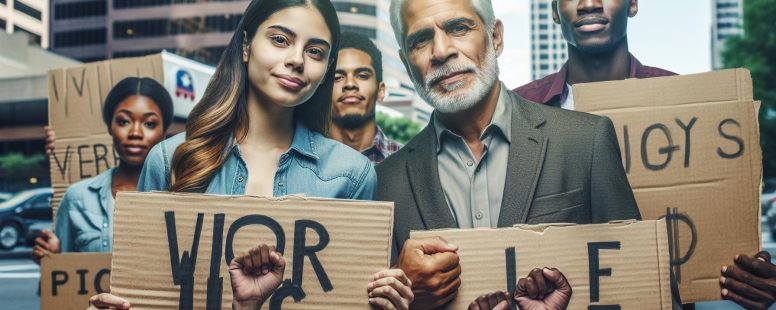
Imagine earning just enough to scrape by, with every dollar already spoken for before it even hits your hands. Now, picture a world where a higher minimum wage promises relief—a chance to breathe easier. But does it truly deliver on that promise, or does it come with hidden costs? The debate over raising the minimum wage is as heated as ever, with passionate arguments on both sides.
On one hand, it’s seen as a lifeline for struggling workers, offering a shot at financial stability. On the other, critics warn of potential job losses and rising costs that could ripple through the economy. The truth lies in the balance, and understanding the pros and cons is key to forming an informed opinion. So, what does raising the minimum wage really mean for you, your community, and the broader economy? Let’s break it down.
What Is The Minimum Wage?
The minimum wage is the lowest hourly rate employers are legally required to pay workers. Governments or labor authorities set this wage floor to ensure basic income standards for employees in specific regions or industries. For instance, the federal minimum wage in the United States is $7.25 per hour, as of October 2023, while some states, like California, have implemented higher rates.
Minimum wages aim to protect workers from unfair compensation and improve living standards. They apply to most jobs, including retail, hospitality, and entry-level positions, although exemptions exist for tipped workers and certain internships. For example, tipped employees in the U.S. often receive a lower base rate, with tips expected to bridge the gap to meet standard wage requirements.
Understanding how minimum wage laws vary is crucial, since wage policies differ globally. For example, Australia’s national minimum wage, set at AUD 23.23 per hour, contrasts significantly with lower wages in developing countries.
The Pros Of Raising The Minimum Wage
Raising the minimum wage carries several potential benefits for workers, businesses, and the broader economy. It can address key societal challenges and improve financial stability for low-income earners.
Increased Standard Of Living
Higher minimum wages enable workers to afford basic necessities like food, housing, and healthcare. When wages rise, families experience improved living conditions and reduced financial stress. For example, the Economic Policy Institute states that a $15 minimum wage could lift over 33 million U.S. workers out of low-income thresholds. Increased disposable income allows individuals to participate in activities previously inaccessible, boosting their quality of life.
Reducing Poverty Rates
An increase in minimum wage may significantly reduce poverty levels. By narrowing income inequality, it helps bridge the gap between low-wage earners and those in higher economic brackets. According to the Congressional Budget Office, a $15 federal minimum wage could alleviate poverty for approximately 1.3 million Americans. This addresses systemic inequality challenges, giving vulnerable populations access to better opportunities.
Boosting Employee Morale And Productivity
Workers benefit from greater job satisfaction when they perceive fair compensation for their labor. Enhanced morale leads to increased focus, commitment, and productivity. For instance, companies like Costco, which pay higher wages compared to competitors, report lower turnover rates and improved employee engagement. This drives a cycle of better business performance and workforce stability.
Economic Growth Through Consumer Spending
Higher earnings stimulate consumer spending, which strengthens local and national economies. Workers with increased disposable income are more likely to invest in goods and services. As a result, businesses see boosted demand and market growth. An analysis from MIT’s Living Wage Calculator shows that wage increases often correlate with escalated economic activity, particularly in sectors reliant on consumer spending like retail and hospitality.
The Cons Of Raising The Minimum Wage
Raising the minimum wage carries with it several challenges that can impact businesses, employees, and the broader economy. Understanding these drawbacks helps you evaluate the multifaceted effects of such policy changes.
Potential Job Losses
Higher minimum wages may lead to job cuts, especially for low-skill positions. Employers might reduce their workforce to offset increased labor costs, a trend often seen in small businesses. Automation could replace jobs as companies seek cost-effective alternatives. Data from the Congressional Budget Office (CBO) in 2019 suggested that raising the federal minimum wage to $15 could result in a loss of 1.3 million jobs, although it varies based on industry and location.
Increased Costs For Businesses
Businesses face higher payroll expenses when minimum wages increase. This impacts profitability, particularly for small or mid-sized enterprises with tight profit margins. For example, restaurants and retail stores might struggle with larger payrolls, which can limit their ability to invest in growth or hire additional staff. In competitive industries, higher costs can force companies to restructure or close permanently.
Risk Of Higher Prices For Consumers
Price hikes often accompany wage increases as businesses try to recoup costs. Service-oriented sectors like hospitality and food services pass expenses to consumers, making goods and services pricier. A study by the National Bureau of Economic Research noted that even modest wage increases led to rising menu prices at fast-food chains, affecting affordability for consumers.
Regional Economic Variances
Minimum wage effects differ across regions due to cost-of-living disparities. States with lower living costs may struggle more with mandated wage increases, potentially destabilizing their local economies. For instance, a $15 minimum wage in rural Mississippi has different implications than in urban New York City, where wages already align more closely with living expenses. Regional disparities can intensify economic inequality rather than reduce it.
Balancing The Debate On Raising The Minimum Wage
The debate on raising the minimum wage involves complex factors that require thorough examination. Understanding its advantages and drawbacks can help you critically assess its broader implications.
Weighing The Benefits Against The Risks
Evaluating benefits and risks reveals a nuanced perspective on minimum wage policies. Higher wages increase workers’ purchasing power, boosting demand for goods and services. For instance, raising wages for food service employees can lead to higher disposable income, contributing to economic cycles. Low-wage workers experience significant relief in affording essentials like healthcare, education, or housing.
But, increased wages might challenge businesses financially. Small restaurants, for example, often operate on thin profit margins, and higher payroll expenses might reduce hiring capacities or even result in closures. Employers may also replace human labor with cost-effective automation technologies, limiting low-skill opportunities.
Balancing these opposing outcomes is essential. Data-driven policies, such as small incremental wage increases, can address these conflicting effects without risking significant economic disruptions.
Considering Regional And Industry-Specific Impacts
Regional cost-of-living differences significantly affect the debate. A $15 wage benefits workers in high-cost states like New York but may strain businesses in states with lower costs, like Mississippi. Regional adjustments, calculated using economic indices, can create parity, ensuring fair wages across diverse economies.
Industry-specific factors also play a critical role. Sectors with low profit margins, such as retail or hospitality, might find wage increases more challenging than high-revenue industries, like tech or finance. Examining industry case studies provides valuable insight. For example, large retailers like Walmart adjust their strategies by leveraging economies of scale, unlike independent boutique stores, which might struggle with increased prices.
A one-size-fits-all approach often overlooks nuanced economic realities. Flexible, localized policies help tackle disparities, guiding fair and effective minimum wage reforms.
Conclusion
Raising the minimum wage is a complex issue that requires careful consideration of its potential benefits and challenges. While it has the power to uplift workers, reduce poverty, and boost economic activity, it also poses risks like job losses and financial strain for businesses.
You play a crucial role in shaping this debate by staying informed and advocating for solutions that balance the needs of workers, businesses, and the broader economy. By understanding the nuances, you can contribute to meaningful discussions and support policies that create sustainable progress for everyone.
To provide the best experiences, we use technologies like cookies to store and/or access device information. Consenting to these technologies will allow us to process data such as browsing behaviour or unique IDs on this site. Not consenting or withdrawing consent, may adversely affect certain features and functions.
Functional
Always active
The technical storage or access is strictly necessary for the legitimate purpose of enabling the use of a specific service explicitly requested by the subscriber or user, or for the sole purpose of carrying out the transmission of a communication over an electronic communications network.
Preferences
The technical storage or access is necessary for the legitimate purpose of storing preferences that are not requested by the subscriber or user.
Statistics
The technical storage or access that is used exclusively for statistical purposes.The technical storage or access that is used exclusively for anonymous statistical purposes. Without a subpoena, voluntary compliance on the part of your Internet Service Provider, or additional records from a third party, information stored or retrieved for this purpose alone cannot usually be used to identify you.
Marketing
The technical storage or access is required to create user profiles to send advertising, or to track the user on a website or across several websites for similar marketing purposes.