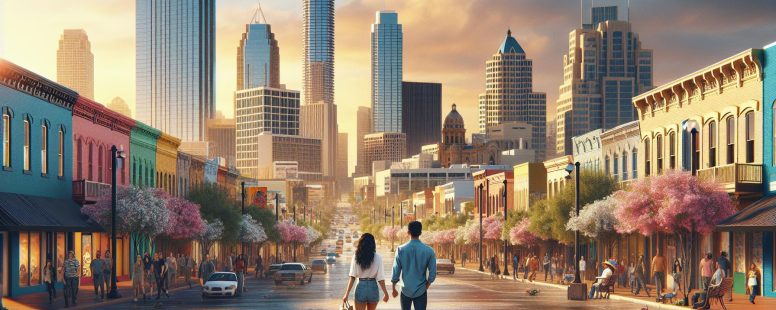
Picture a place where sprawling landscapes meet bustling cities, where cowboy culture blends seamlessly with modern innovation. Texas, the Lone Star State, offers a lifestyle as vast and varied as its terrain. From its warm climate to its rich history and booming economy, Texas has a magnetic pull that’s hard to ignore. But is it all sunshine and barbecue, or does the charm come with its challenges?
Whether you’re drawn to its affordable housing or intrigued by its unique culture, living in Texas isn’t a one-size-fits-all experience. It’s a state of contrasts—opportunity and unpredictability, growth and grit. Exploring the pros and cons of life in Texas can help you decide if this iconic state is your perfect match.
Overview Of Living In Texas
Texas provides a distinctive combination of cultural depth, economic opportunities, and natural diversity. The state covers over 268,000 square miles, making it the second-largest by area in the US. Its expansive size contributes to diverse landscapes, ranging from deserts in West Texas to lush green pine forests in the east. Cities like Houston, Austin, and Dallas demonstrate the urban development, while ranching communities preserve traditional Texan heritage.
The cost of living varies significantly across regions. Urban areas often come with higher housing costs—for instance, housing prices in Austin surged over 50% between 2019 and 2023—whereas rural towns offer more affordable options. Texas lacks a state income tax, which can be a key financial advantage, although higher property taxes tend to offset these savings.
The climate features hot summers and mild winters. Average temperatures in July frequently exceed 90°F across much of the state. But, extreme weather events like hurricanes along the Gulf Coast and tornadoes in central and northern areas pose challenges. For example, Hurricane Harvey in 2017 caused widespread flooding and damages exceeding $125 billion.
The state’s economy ranks among the strongest in the country. Key industries include energy, technology, healthcare, and agriculture. Companies like Tesla and Oracle have relocated to Texas due to its business-friendly policies. Also, Texas leads the nation in crude oil production, accounting for over 40% of US oil output according to the Energy Information Administration.
Texas also offers a vibrant cultural scene. Annual events such as the State Fair of Texas and South by Southwest (SXSW) showcase music, food, and innovative ideas. Barbecue enthusiasts flock to locations like Lockhart and Franklin Barbecue in Austin, where smoked brisket is legendary. Spanish influences remain profound, evident in Tex-Mex cuisine and city names like El Paso and San Antonio.
Traffic congestion can be a significant concern in growing metro areas, particularly Houston and Dallas, with commute times averaging over 27 minutes according to the US Census Bureau. But, expanded highways and a developing public transportation network aim to alleviate these pressures.
You’ll discover a state bursting with character and contradictions. Balancing opportunities against potential drawbacks requires an in-depth understanding of its diverse regions and lifestyles. Can you adapt to the differences of rural charm versus urban sophistication? Texas invites exploration at every turn.
Pros Of Living In Texas
Living in Texas offers a mix of economic benefits, cultural richness, and natural diversity, making it an attractive destination for many. Here are the key advantages of residing in the Lone Star State.
Affordable Cost Of Living
Texas provides a cost of living that’s generally more affordable compared to many other parts of the United States. Housing costs, for example, are lower in cities like San Antonio and Fort Worth compared to national averages. While urban centers like Austin may have high property prices, smaller towns such as Lubbock or Brownsville offer substantial savings. Everyday expenses, including groceries and utilities, also tend to be less burdensome for many families.
Thriving Job Market
The Texas economy supports a wide range of industries, including energy, technology, healthcare, and aerospace. In Houston alone, the energy sector employs thousands, while Austin stands as a major hub for tech giants like Tesla, Dell, and Apple. With its low unemployment rate consistently outperforming national averages, opportunities for skilled workers, recent graduates, and entrepreneurs abound. The state’s business-friendly policies make it an ideal place for company relocations.
Warm Climate
Texas’s climate features mild winters and long, sunny summers, which are appealing to those who enjoy year-round outdoor activities. Cities like Corpus Christi and Galveston offer access to beaches, while Dallas and San Antonio provide warmer conditions, avoiding the harsh winters that northern states experience. But, summers can be quite hot, with average temperatures often exceeding 90°F. This warm weather supports an active lifestyle for many residents.
Diverse Culture And Attractions
Texas boasts a mix of cultural influences, reflected in its food, music, and festivals. For instance, you can experience authentic Tex-Mex cuisine in El Paso, live music at Austin’s SXSW festival, and rodeo traditions in Fort Worth. The state is also home to historical landmarks like The Alamo and natural attractions such as Big Bend National Park. Sports fans enjoy rooting for teams like the Dallas Cowboys and Houston Astros, adding to the rich cultural world.
No State Income Tax
Texas is one of the few states in the U.S. without state income tax, allowing you to keep more of your earnings. This policy is particularly beneficial for high-income earners and entrepreneurs. Although property taxes are higher, the absence of state income tax often outweighs this for many residents, making Texas an appealing place for financial planning.
Cons Of Living In Texas
Living in Texas offers numerous advantages, yet it comes with its challenges. As you consider the state’s attributes, it’s important to examine its drawbacks carefully.
Extreme Weather Conditions
Texas experiences unpredictable and severe weather patterns. Summers can reach scorching temperatures above 100°F in areas like Dallas or Houston, while spring often brings tornadoes to the central region (Tornado Alley). Coastal cities such as Galveston face the risk of hurricanes, with flooding and property damage posing significant concerns. Severe droughts can also occur, impacting water availability and outdoor activities.
Urban Congestion And Traffic
In growing metropolitan areas, traffic congestion can impact daily commutes. For example, in Austin, commute times can exceed 30 minutes due to rapidly increasing population and road infrastructure limitations. Highways like I-35 are infamous for traffic bottlenecks, often requiring you to budget extra time for travel. Parking shortages in urban centers further add to the frustration.
Limited Public Transportation
Public transit options vary widely, but Texas generally depends more on personal vehicles. Cities like Dallas and Houston offer metro systems and buses, yet they don’t cover all areas efficiently. Smaller towns may lack public transit entirely, limiting options for individuals without cars. This can increase transportation costs and environmental concerns.
Property Taxes
Texas doesn’t impose state income tax, but its property taxes are among the highest in the U.S., averaging 1.8% of assessed property value. In cities like San Antonio, rising housing prices amplify this burden. If you’re planning to buy a home, account for the potential impact of these higher taxes on your annual expenses.
Wildlife And Pest Concerns
Texas’s natural diversity comes with challenges, including encounters with wildlife. For instance, scorpions, rattlesnakes, and fire ants are common in rural areas or near wooded regions. Urban areas aren’t immune to pests like mosquitoes during humid summers or invasive species like feral hogs damaging landscaping and crops. Wildlife nuisances can sometimes pose safety or health risks.
Tips For Deciding If Texas Is Right For You
Evaluate Your Climate Preferences
Think about how you handle extreme weather. Texas’s summers are hot, often exceeding 100°F, with regions like Dallas seeing prolonged heatwaves. Hurricanes and tornadoes also impact areas along the Gulf Coast and central Texas. If you’re comfortable managing heat or storm-preparedness, the warm winters might compensate.
Assess Employment Opportunities
Examine whether the state’s thriving industries align with your career goals. Texas supports diverse job markets, including technology hubs in Austin, energy sectors in Houston, and agricultural developments in rural towns. For instance, Tesla expanded operations in Austin, signaling its tech growth. Analyze job availability in your field before relocating.
Determine Cost Of Living Affordability
Compare urban and rural costs based on your financial situation. Cities like Austin have higher housing costs, where the median home price exceeds $500,000. In contrast, towns like Amarillo offer lower living expenses. Factor in property taxes, which tend to be high, to ensure economic feasibility.
Weigh Urban vs. Rural Lifestyles
Choose between Texas’s bustling cities and tranquil rural areas. Urban centers like Dallas provide cultural attractions, art scenes, and professional sports. Smaller towns offer slower paces, affordable homes, and close-knit communities. Consider your lifestyle priorities when deciding.
Research Transportation Accessibility
Understand commuting needs. Public transportation is limited outside major metro areas; personal vehicles dominate, and traffic congestion can be severe. For example, Austin’s I-35 corridor often experiences long delays. Ensure flexibility in your travel arrangements where you’re planning to live.
Consider Cultural Appeal
Identify if Texas’s culture matches your interests. The state celebrates diversity with Tex-Mex cuisine, country music, and annual festivals like South by Southwest in Austin. Explore local activities and traditions to see if they enrich your lifestyle preferences.
Evaluate Natural Environment Factors
Think about outdoor activities you enjoy. Texas offers diverse nature settings, from Big Bend National Park’s deserts to Padre Island’s beaches. But, be prepared for wildlife risks; scorpions or snakes can be a concern in rural regions.
Making a decision depends on your priorities. Explore Texas’s features with careful consideration, ensuring they enhance both your personal and professional needs while acknowledging its challenges.
Conclusion
Deciding whether Texas is the right place for you comes down to your personal priorities and lifestyle preferences. With its vibrant culture, economic opportunities, and diverse landscapes, the state offers plenty to love. But, challenges like extreme weather, traffic congestion, and property taxes are important to consider.
Take the time to weigh the pros and cons based on your needs. Whether you’re drawn to the bustling energy of urban hubs or the laid-back charm of rural areas, Texas has something unique to offer.
To provide the best experiences, we use technologies like cookies to store and/or access device information. Consenting to these technologies will allow us to process data such as browsing behaviour or unique IDs on this site. Not consenting or withdrawing consent, may adversely affect certain features and functions.
Functional
Always active
The technical storage or access is strictly necessary for the legitimate purpose of enabling the use of a specific service explicitly requested by the subscriber or user, or for the sole purpose of carrying out the transmission of a communication over an electronic communications network.
Preferences
The technical storage or access is necessary for the legitimate purpose of storing preferences that are not requested by the subscriber or user.
Statistics
The technical storage or access that is used exclusively for statistical purposes.The technical storage or access that is used exclusively for anonymous statistical purposes. Without a subpoena, voluntary compliance on the part of your Internet Service Provider, or additional records from a third party, information stored or retrieved for this purpose alone cannot usually be used to identify you.
Marketing
The technical storage or access is required to create user profiles to send advertising, or to track the user on a website or across several websites for similar marketing purposes.