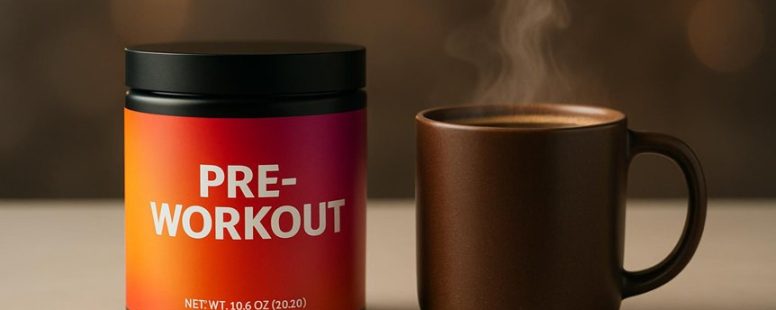
Imagine the moment just before your workout—the burst of energy feels like a spark igniting inside you. Do you reach for a trusty cup of coffee or a specialized pre-workout supplement?
Both promise power, but they dance to different tunes, affecting your performance and how you feel. Choosing between them can be like navigating a maze of caffeine and complex formulas—confusing but crucial.
Surprisingly, pre-workouts often offer a longer-lasting boost that keeps fatigue at bay, turning your gym session into a smooth, unstoppable ride.
Understanding what’s happening beneath the surface helps you pick the perfect fuel, transforming hesitation into confident action.
Pre-Workout Supplements vs. Coffee: Which Boosts Your Workout Best?
Pre-workout supplements and coffee are two popular ways to boost your workout energy. Here’s how to choose the best for you.
First, consider what kind of energy you want. Pre-workout drinks like C4 or Cellucor often mix caffeine with other ingredients that help with endurance and focus. Coffee gives you a simple caffeine boost, which can be enough if you just need a quick lift. If you need sustained energy for a long workout, pre-workouts might be better because they usually last longer. For short sessions, a cup of coffee can be quick and effective.
Next, think about flavor preferences. Pre-workout powders come in many flavors like fruit punch or berry, which some people find more enjoyable than plain coffee. If you like variety, pre-workouts might be more fun. But if you prefer a simple taste, coffee is straightforward and easy.
Your caffeine tolerance is also important. If you drink a lot of coffee, you might need stronger pre-workouts or avoid overdoing caffeine. Always check labels for ingredients and caffeine amounts. Some pre-workouts contain extra stuff like creatine or beta-alanine, which might cause side effects like tingling or upset stomach if you’re sensitive.
Hydration is another factor. Pre-workouts often encourage you to drink plenty of water because they can be dehydrating. Coffee can also make you dehydrated if you drink too much. So, staying hydrated is vital no matter what you choose.
Finally, think about your goals. Do you want better focus, more strength, or faster recovery? Some pre-workouts have ingredients that claim to help with muscle recovery, while coffee mainly boosts alertness. Pick what supports your workout and recovery best.
Some people swear by pre-workouts for longer sessions or intense workouts, but they can have more ingredients and side effects. Coffee is simpler, cheaper, and familiar but might not give the same sustained energy or focus. Be careful with both—some pre-workouts can have too much caffeine or additives that cause jitters or crashes.
In the end, both options can work, but it depends on your needs, taste, and how your body reacts. Try both and see which gives you the best boost without unwanted side effects.
How Pre-Workout Supplements Help You Crush Your Workout
Pre-workout supplements are drinks or powders taken before exercise. They help you feel more energetic and focused during your workout. For example, brands like C4 or Bang often include caffeine, which gives you a quick boost. This extra energy can help you lift heavier weights or run longer without getting tired.
Some people notice that pre-workouts sharpen their focus, making it easier to concentrate on each movement. Imagine being locked in like a laser beam on your goal. But not everyone reacts the same. Some find caffeine gives them jitters or makes them crash later. It’s good to start with small amounts and see how your body reacts.
There are two sides to consider. On one hand, pre-workouts can give you that extra push you need for tough workouts. On the other hand, they can cause side effects like trouble sleeping or feeling anxious. Plus, some products may contain ingredients that are not fully tested or may not work for everyone.
If you want to try pre-workouts, start with half a scoop and see how you feel. Drink plenty of water and avoid taking them late in the day so you don’t mess up your sleep. Remember, they are supplements, not magic pills. Good nutrition and consistent training are still the most important parts of making progress.
Boosts Energy Levels
Pre-workout supplements give you a longer-lasting and more focused energy boost than coffee. Coffee might wake you up fast, but it can also make you crash later. Pre-workouts are made to improve how your muscles get energy, helping you keep going during exercise. If you drink coffee often, you might notice it losing its punch, but pre-workouts often mix caffeine with other ingredients to keep you energized. Here’s why many choose pre-workouts to boost energy:
They have a controlled amount of caffeine for steady energy
They include ingredients that help produce ATP, the energy your muscles use
They help cut down energy crashes after working out
They improve how nutrients get to your muscles
They are made to beat caffeine tolerance
Some people say pre-workouts work better, but others warn they might cause jitters or upset stomachs. Always read labels and talk to a doctor if you’re unsure. Remember, no supplement can replace good sleep and a healthy diet. Would you try a pre-workout to keep your energy high? Or stick with coffee? Both have their good and bad sides.
Enhances Focus Intensity
Pre-workout supplements are often used to improve focus during exercise. They help turn your mind into a sharp tool, making it easier to stay on track. Unlike coffee, which can sometimes cause jitters or crashes, good pre-workouts give steady mental energy. This means you stay alert without feeling anxious or tired afterward.
Some people say that when they take pre-workouts, they feel more connected to their muscles. They notice every squeeze and contraction more clearly. This focus helps them push harder and keep proper form. For example, instead of just going through the motions, they really feel each bicep curl or squat. This can lead to better results over time.
But not everyone gets the same benefit. Some pre-workouts can cause side effects like stomach upset or trouble sleeping. Also, some products have ingredients that might not be safe for everyone. It’s a good idea to check labels and talk to a doctor if you’re unsure.
There are two sides to this. On one hand, pre-workouts can boost mental clarity and performance. On the other hand, relying too much on them might make you forget the basics like good sleep and nutrition. Plus, some brands may exaggerate their effects. Always look for trusted names and real reviews.
If you want to improve your focus during workouts, pre-workouts might help. But they are just one part of a good workout plan. Remember, staying consistent with your training and eating well are even more important. So, if you decide to try them, do it carefully and see how your body responds.
How Coffee Boosts Your Energy and Focus
Coffee is a quick way to boost your energy and help you focus better. When you drink coffee, the caffeine gets into your blood fast. It blocks a chemical called adenosine that makes you feel tired. Without adenosine working, you feel more alert and clear-headed. Coffee also wakes up your central nervous system, making it easier to concentrate on tasks. Plus, it helps release dopamine, which makes you feel happier and more motivated.
Some people say coffee gives a fast energy boost that lasts a while without complicated ingredients. That’s why many rely on it to get through busy mornings or long work sessions. For example, I often drink coffee before important meetings because it helps me stay sharp. But it’s good to remember that too much caffeine can cause jitters or make it hard to sleep. So, if you’re sensitive to caffeine, drinking too much might do more harm than good.
Some folks argue that coffee isn’t a magic fix. It can cause nervousness or crashes after the initial boost. Also, not everyone responds the same way. If you’re pregnant, have heart issues, or are very sensitive, you should be careful. In the end, coffee works for many people but isn’t a cure-all. It’s best used in moderation and combined with good sleep and healthy habits.
Comparing Ingredients in Pre-Workout Supplements and Coffee
Pre-workout supplements and coffee both give you caffeine to boost energy, but they do different things. Coffee is just a natural drink made from roasted coffee beans. It contains caffeine and some antioxidants. Pre-workouts are specially made powders or pills that have caffeine but also other ingredients to improve your workout.
Pre-workouts often add things like beta-alanine and creatine. Beta-alanine can help reduce muscle fatigue, and creatine helps your muscles produce energy faster. These ingredients are meant to help you lift heavier or run longer. Coffee usually doesn’t have these extras, so it mainly just wakes you up.
Some pre-workouts use synthetic chemicals that might cause side effects or make you feel jittery. Coffee is natural, so it’s generally safer but can still cause problems if you drink too much. For example, too much caffeine can cause jitters, trouble sleeping, or upset stomach.
If you want a simple, natural boost, coffee might be a better choice. But if you want a supplement that aims to improve your performance, pre-workouts can be more effective. Just remember, not all pre-workouts are the same, and some can contain questionable ingredients. Always check labels and talk to a doctor if you’re unsure.
In the end, both can give you energy, but they do it in different ways. Coffee is easy, natural, and cheap. Pre-workouts are more complex and might offer extra benefits—but with a possible risk of side effects. Choose based on what you want and how your body reacts.
Key Stimulant Components
What are the key stimulant components in pre-workout supplements and coffee? Both rely mainly on caffeine, but they differ in how they deliver energy and affect your body. Knowing these differences can help you pick the best option for your workout or daily boost.
Caffeine sources are a big factor. Coffee uses natural caffeine from coffee beans, which many people find easier on their stomachs. Pre-workout supplements often use synthetic caffeine, which can be stronger and faster acting. Some brands add other stimulants like taurine or yohimbine to boost energy even more. These combined ingredients may give a bigger punch but also increase the risk of jitters or crashes.
The amount of caffeine matters too. Coffee servings vary a lot depending on how much you brew, so it’s harder to control intake. Pre-workouts usually come with a set dose per scoop, making it easier to stick to a specific amount. If you’re sensitive to caffeine, a measured dose helps you avoid feeling anxious or jittery.
Stimulant types are another point. Coffee delivers pure caffeine, which hits quickly and then wears off. Pre-workouts often mix caffeine with other compounds that can extend or smooth out energy release. Some people prefer coffee for a quick, sharp boost, while others like pre-workouts for a more sustained energy.
Energy sustainability is different with each. Coffee can cause rapid energy spikes that fade fast, making you feel jittery or tired afterward. Pre-workouts aim for a steady increase, so your energy lasts longer during your workout. But some pre-workouts can cause a crash once the effects wear off if they contain too much caffeine or other stimulants.
Health considerations should not be ignored. People who are sensitive to caffeine might experience jitters, anxiety, or trouble sleeping. Too much caffeine can also increase heart rate or cause dehydration. It’s best to start with small amounts and see how your body reacts. Remember, not everyone reacts the same to stimulants.
Additional Performance Enhancers
Performance Boosters Beyond Coffee
Coffee is great for waking you up, but pre-workout supplements offer more ways to boost your workout. They include ingredients like beta-alanine and creatine that help you exercise longer and get stronger. For example, creatine is well-known for helping with quick bursts of strength, while beta-alanine can reduce muscle fatigue. Recovery aids like BCAAs (branched-chain amino acids) help your muscles repair faster after exercise. Some pre-workouts also add electrolytes and hydration formulas, which are key to staying energized and avoiding cramps.
These supplements often combine motivation techniques and proper nutrition timing, helping you stay focused and energized when you need it most. They support different workout goals, like building muscle or increasing endurance. If you want to see real progress, stacking ingredients targeted for your goals might work better than just drinking coffee. Some pre-workouts even consider sleep quality, helping you feel energized without messing up your rest.
However, not everyone needs these products. Some people might experience jitters or stomach upset from certain ingredients like caffeine or beta-alanine. Also, supplements are not magic; they work best with a good workout plan and healthy eating. Always check labels and talk to a doctor if you’re unsure.
In the end, both coffee and pre-workouts have their place. Coffee might be enough for a quick mental boost, but for serious training, these supplements can offer extra support. Just remember, nothing replaces consistent effort and balanced habits.
Natural Versus Synthetic Ingredients
What is the difference between natural and synthetic ingredients in coffee and pre-workout supplements?
Natural ingredients come from real plants or food sources. Coffee, made from roasted coffee beans, is a good example. It provides natural energy and helps your body absorb nutrients better. Plus, coffee has a variety of flavors that many people enjoy. It’s an easy, straightforward choice if you want a natural boost.
Synthetic ingredients are made in labs. Pre-workout supplements often contain these to improve performance. They might include chemicals or artificial additives designed to give you quick energy or focus. However, some synthetic ingredients could cause health issues over time or lead to building up tolerance, meaning you might need more to get the same effect.
How do natural and synthetic ingredients compare?
Ingredient sourcing: Coffee uses natural beans. Pre-workouts use synthetic chemicals.
Health impacts: Natural options like coffee usually have fewer risks if used properly. Synthetic ingredients may cause side effects if used long-term.
Nutrient absorption: Coffee can help your body absorb nutrients better. Pre-workouts mainly boost performance temporarily.
Flavor: Coffee offers rich, natural flavors that many prefer. Pre-workouts might taste artificial or bitter.
Performance: Synthetic ingredients in pre-workouts are designed for quick results. Coffee provides a gentle, natural energy boost.
What should you consider when choosing?
If you want a natural, familiar way to wake up, coffee might be best. But if you need a more intense, performance-focused supplement, then pre-workouts could work. Just remember that synthetic ingredients might not be safe for everyone long-term. Always read labels and consider your health needs.
Remember: Both options have pros and cons. Natural ingredients tend to be safer, but synthetic ones can offer stronger effects. Consider your goals and health before choosing.
Timing Your Energy Boost: When to Take Pre-Workout or Coffee
Knowing the right time to take pre-workout or coffee can help you get the most energy when you need it. Here is what you should know:
Pre-workouts work best about 20 to 30 minutes before you start exercising. This is because they are designed to kick in when your muscles and brain need a boost the most. If you take it too early, the effects might fade before you finish your workout. If you take it too late, you might feel jittery or anxious. So, plan to take your pre-workout a little before your workout begins.
Coffee is more flexible. You can drink it first thing in the morning to wake up or when you feel tired in the afternoon. Coffee usually hits your system within 15 minutes and can last for a couple of hours. But be careful—drinking coffee too late might keep you awake at night. If you want a quick alert, coffee works well, but avoid drinking too much so you don’t crash later or get jitters.
Some people prefer pre-workout for a strong push during exercise, while others like coffee for a quick energy boost during busy days. Both can help, but timing is key. If you take caffeine too early or too late, it might not give you the boost you want or could cause trouble sleeping.
Think about your daily schedule and your body’s rhythm. Do you feel sleepy mid-afternoon? Coffee then might help. Do you exercise in the morning? Take your pre-workout about 20 to 30 minutes before starting.
Side Effects to Watch Out for With Pre-Workouts and Coffee
Using pre-workouts or coffee to boost your energy can help you get moving, but they can also cause side effects. Knowing what to watch for can keep you safe. Everyone reacts differently, so what causes issues for one person might not for another. Here are common side effects to keep in mind:
First, heart palpitations are possible, especially if you’re sensitive to caffeine or drink a lot. You might feel your heart racing, which can be frightening. Second, some people get upset stomachs or acid reflux. Coffee and certain pre-workouts can irritate your digestive system. Third, anxiety or jitters can happen if you consume too much caffeine, making you feel nervous or restless. Fourth, taking caffeine late in the day can mess with your sleep. It might be hard to fall asleep or stay asleep. Fifth, after the caffeine wears off, you could experience a crash, feeling tired or irritable. Repeated use might also lead to dependence, making it harder to feel alert without caffeine.
Both pre-workouts and coffee can also cause dehydration. Caffeine is a diuretic, which means it makes you urinate more. So, drinking water is very important. If you don’t stay hydrated, you might feel dizzy or tired.
Some people swear by coffee or pre-workouts for quick energy, but others worry about side effects. For example, athletes might use pre-workouts like C4 or Jack3d to boost performance, but they need to watch their intake. On the other hand, coffee is more natural but can still cause jitters or sleep problems if you aren’t careful.
It’s a good idea to listen to your body. If you notice your heart pounding, stomach upset, or trouble sleeping, cut back. Start with small amounts and see how you feel. Remember, moderation is key. Drinking enough water can also reduce some risks.
In short, caffeine can help energize you, but it can also bring unwanted side effects. Weigh the benefits and risks carefully. Don’t forget—what works for one person might not work for you. Always pay attention to how your body reacts.
Who Should Use Pre-Workout Supplements and Who Benefits More From Coffee?
Pre-workout supplements and coffee serve different purposes, and who benefits from each depends on your fitness goals and personal preferences.
Pre-workout supplements are best for people who want a strong boost during intense workouts. These products often contain ingredients like creatine, beta-alanine, and high doses of caffeine to increase energy, strength, and endurance. If you lift heavy weights or do high-intensity training, pre-workouts can help you push harder. But remember, some pre-workouts can cause jitters or upset stomach if you are sensitive to caffeine or other ingredients. Always check labels and start with small doses.
Coffee is a natural choice for steady energy. It has caffeine but usually in lower amounts than pre-workouts. Coffee works well if you want to stay alert during your workout or just need a simple pick-me-up in the morning. Plus, many people enjoy the taste and routine of brewing coffee. But if you need a quick, big boost for a tough workout, coffee might not be enough. It also can cause issues like dehydration or sleep problems if you drink too much.
Two viewpoints can help you decide. If your goal is to train hard and improve strength, pre-workout supplements give extra power and focus. But if you prefer a more natural, less processed energy source, coffee is easier and often safer. Still, both can cause side effects like increased heart rate or sleep trouble if used too much.
A warning: not everyone should use pre-workouts or rely heavily on coffee. If you have health issues or are sensitive to caffeine, talk to a doctor first. And remember, neither magic pill replaces good training and diet. Using either too much or without proper care can backfire.
In the end, think about what works best for your body and your routine. Do you want a quick boost or a more natural energy? How much caffeine can you handle? Finding the right choice can make your workouts better and your mornings more enjoyable.
How to Choose the Right Energy Boost for Your Fitness Goals
Choosing the right energy boost for your fitness goals is simple once you know what to look for. Here are key steps to help you pick the best option:
First, understand your tolerance to caffeine. Some people get jitters or crashes from energy drinks or coffee. If you’re sensitive, try lower-caffeine options like green tea or natural energy from foods. For example, a cup of black coffee might give a quick boost, but it could also lead to a crash later. Testing small amounts helps find what works best.
Next, think about when to take your energy boost. Timing matters. If you workout early, a small snack with carbs and some caffeine can give you energy. For afternoon workouts, a balanced energy drink like Gatorade or a natural boost like a banana with peanut butter can help sustain your effort. Proper timing ensures you get the energy when you need it most.
Hydration is also important. Some energy sources, like energy drinks, can dehydrate you if you don’t drink enough water. Others, like fruits or nuts, hydrate naturally and provide steady energy. If you forget to drink water, your workout might suffer, even if you have good energy.
Flavor and cost are small but important factors too. If you hate the taste of your energy boost, you won’t keep using it regularly. Choose flavors you enjoy and affordable options to stay consistent. For example, some prefer fruity energy drinks, while others like plain water with a splash of juice.
Finally, pick an energy boost that fits your fitness goal. Are you training for endurance, strength, or recovery? For endurance, caffeine from coffee or energy gels works well. For strength, protein shakes with natural carbs help. For recovery, focus on foods rich in protein and carbs instead of quick caffeine hits. Some options work better for specific goals, so choose wisely.
In the end, the best energy boost depends on your personal needs and preferences. Test different options, pay attention to how your body reacts, and pick what helps you hit your fitness goals without unnecessary side effects.
To provide the best experiences, we use technologies like cookies to store and/or access device information. Consenting to these technologies will allow us to process data such as browsing behaviour or unique IDs on this site. Not consenting or withdrawing consent, may adversely affect certain features and functions.
Functional
Always active
The technical storage or access is strictly necessary for the legitimate purpose of enabling the use of a specific service explicitly requested by the subscriber or user, or for the sole purpose of carrying out the transmission of a communication over an electronic communications network.
Preferences
The technical storage or access is necessary for the legitimate purpose of storing preferences that are not requested by the subscriber or user.
Statistics
The technical storage or access that is used exclusively for statistical purposes.The technical storage or access that is used exclusively for anonymous statistical purposes. Without a subpoena, voluntary compliance on the part of your Internet Service Provider, or additional records from a third party, information stored or retrieved for this purpose alone cannot usually be used to identify you.
Marketing
The technical storage or access is required to create user profiles to send advertising, or to track the user on a website or across several websites for similar marketing purposes.