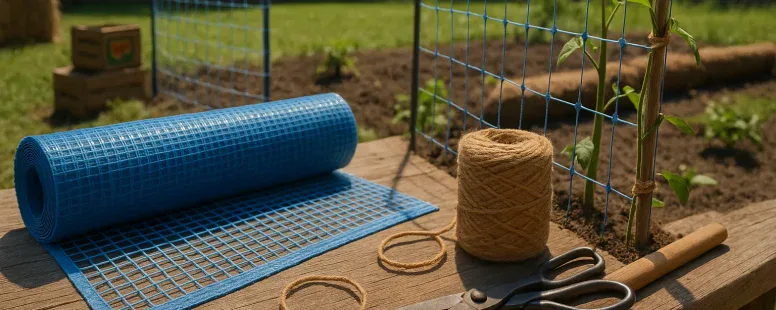
You need a material that holds, protects, and lasts. Plastic mesh and natural twine answer those needs differently. One feels like a low-cost workhorse that shrugs off rain and sun: the other smells of fiber and soil, breaks down when you want it to, and can be gentler on wildlife. Which should you pick for a trellis, a bale tie, a shoreline project, or a shipping crate? This guide compares plastic mesh and natural twine across manufacture, performance, environment, cost, and real-world use so you can choose fast and confidently.
What Each Material Is and How It’s Made
Fact: Plastic mesh is a synthetic product usually made from polyethylene or polypropylene: natural twine comes from plant fibers like jute, sisal, hemp, or cotton.
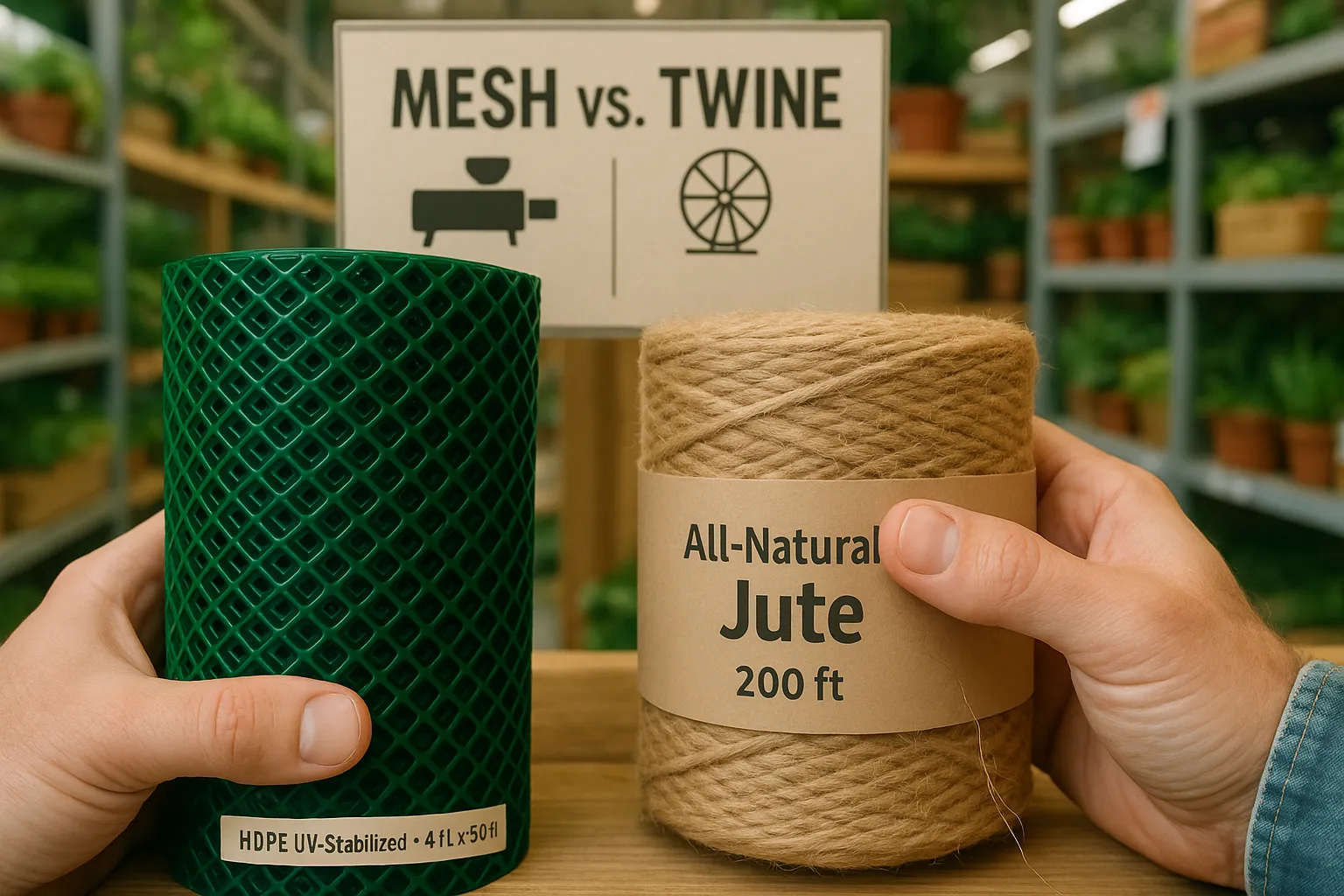
Plastic mesh: manufacturers commonly use high-density polyethylene (HDPE) or polypropylene (PP). These polymers melt, extrude, and are formed into woven or knitted sheets. Production lines at companies like Berry Global or Seaman Corporation turn pellets into sheets, then cut and weld them into nets, fencing, or bagging. Plastic mesh often includes UV stabilizers from suppliers such as BASF to reduce sun damage.
Natural twine: mills spin fibers from plants. Jute producers in Bangladesh and India draw, comb, and twist long fibers into yarn: sisal plants in Brazil and Tanzania yield stiff, durable rope: hemp farms in Europe produce high-tensile cordage. The process is simple: retting or decortication frees fibers, a spinner twists them into twine, and retailers like Home Depot or local co-ops sell spools.
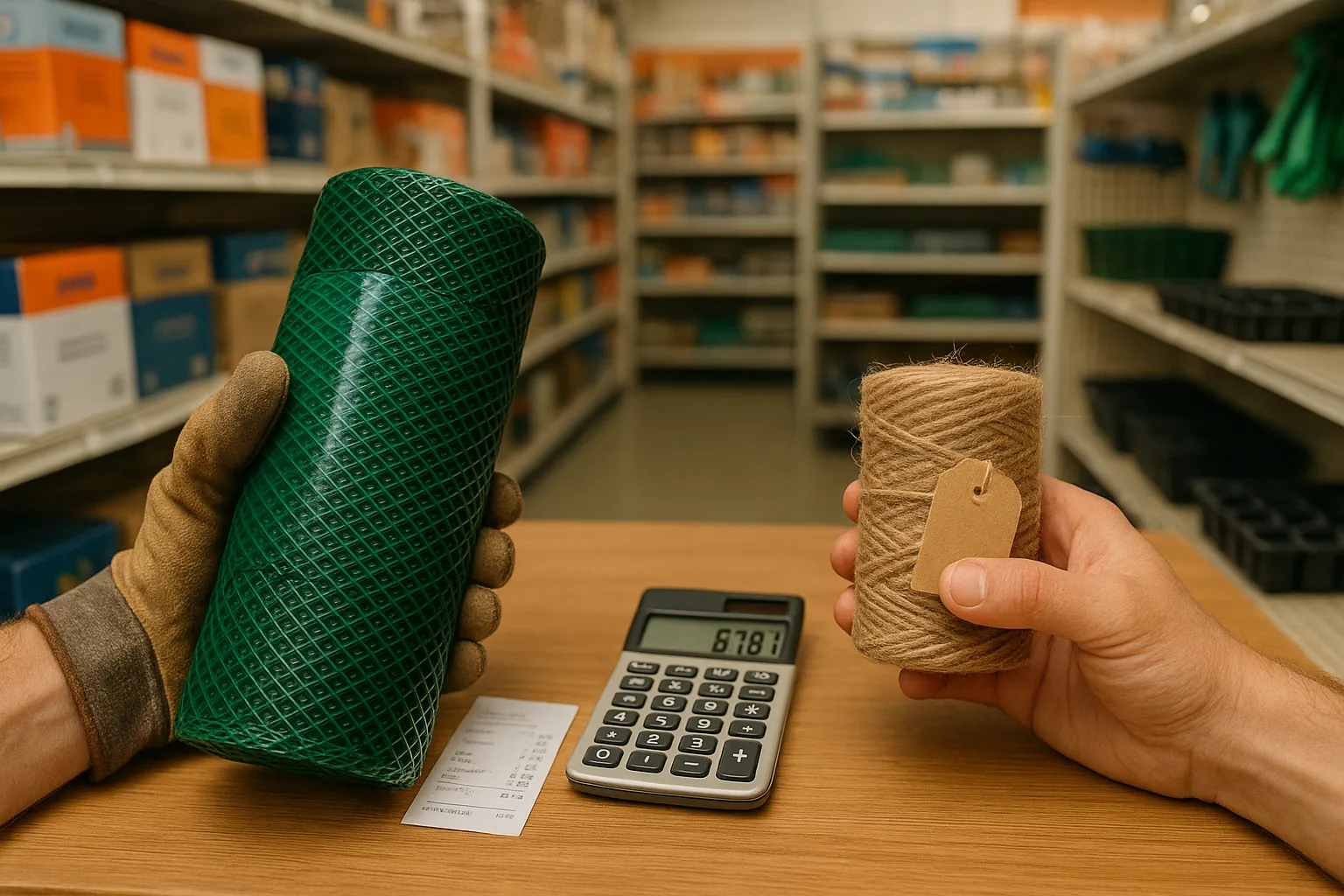
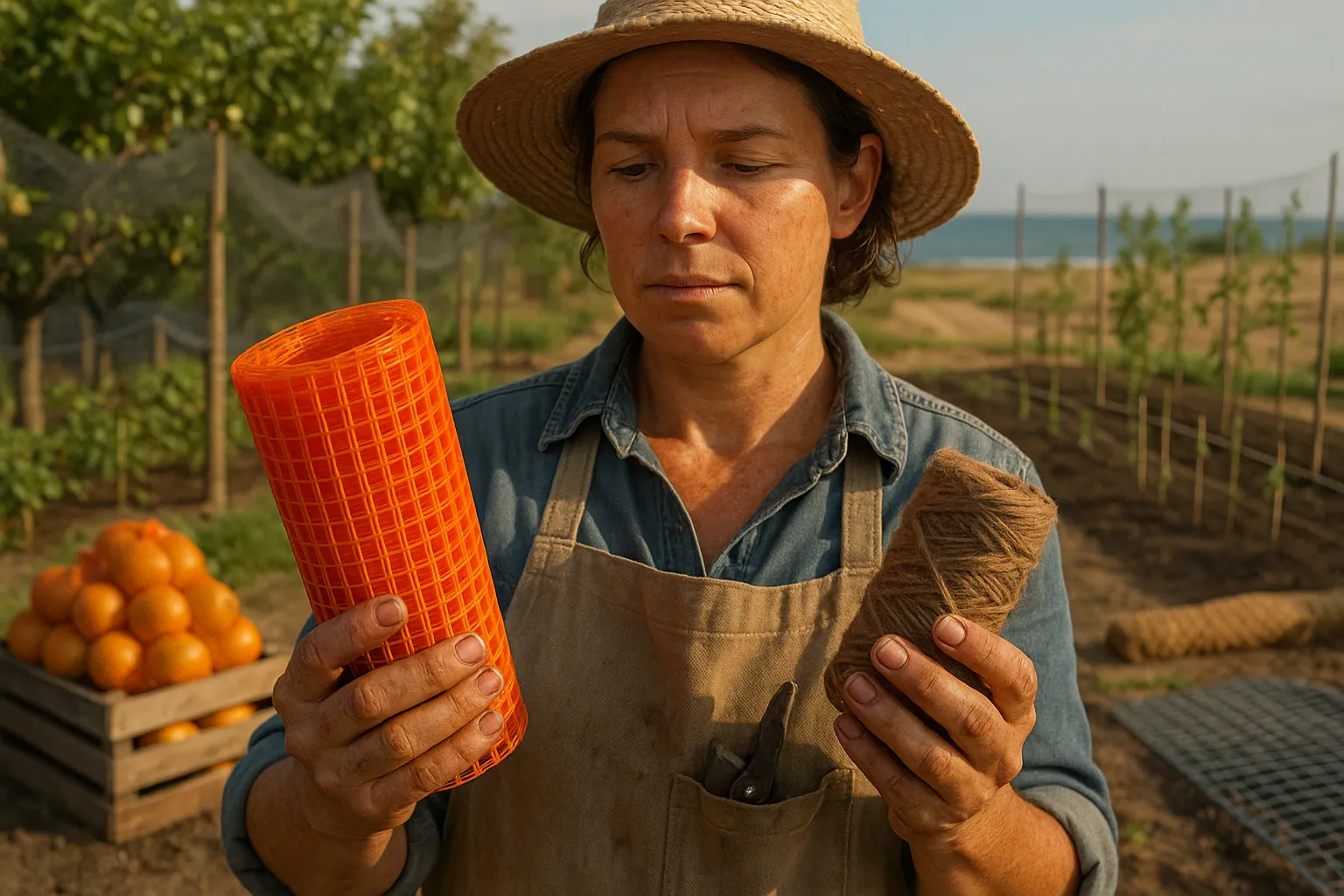
Common properties: plastic mesh is lightweight, uniform, and water-resistant: natural twine breathes, has irregular texture, and absorbs moisture. You can see and feel the difference at a garden center, mesh has a slick plastic sheen, twine looks fibrous and matte.
Performance and Durability Comparison
Fact: Plastic mesh usually wins on raw strength and water resistance: natural twine often wins on knot security and biodegradability.
Strength, Load Capacity, And Stretch
Plastic mesh: HDPE meshes support significant loads without elongating much. They distribute force across a wider surface so they resist tearing when you secure heavy produce or install a deer fence. Measured tensile strength varies, some woven HDPE nets exceed 50 kg per square centimeter in lab tests. They stretch slightly under load, but recoil is minimal.
Natural twine: hemp and sisal twines hold knots tightly and resist slip. Their breaking strength is lower than many synthetic cords of the same diameter: a 6 mm sisal twine may handle 100–200 lbs before failure depending on twist and condition. Twine stretches more when wet, which can be both useful (shock absorption) and problematic (sagging lines).
UV, Moisture, And Rot Resistance
Plastic mesh: resists rot and most moisture damage. UV additives extend life: without those additives, polypropylene can become brittle in sunlight within 1–3 years. With stabilizers, plastic mesh can last 5–15 years outdoors.
Natural twine: absorbs water and that speeds microbial breakdown. Jute and cotton rot faster than hemp and sisal. In damp, shaded conditions twine might fail inside one season. But if you dry it and treat it with linseed oil or borax, lifespan improves.
Longevity In Different Climates And Uses
Plastic mesh: suited to humid coasts, rainy farms, and high-sun climates when UV-treated. It performs well in cold too: PP stays flexible at low temperatures. Expect 3–10 years of service depending on grade.
Natural twine: best in dry climates or temporary uses. For indoor tying, packaging, or short-season garden supports, twine works well. For long-term coastal erosion control or heavy-duty fencing, plan on replacements more often.
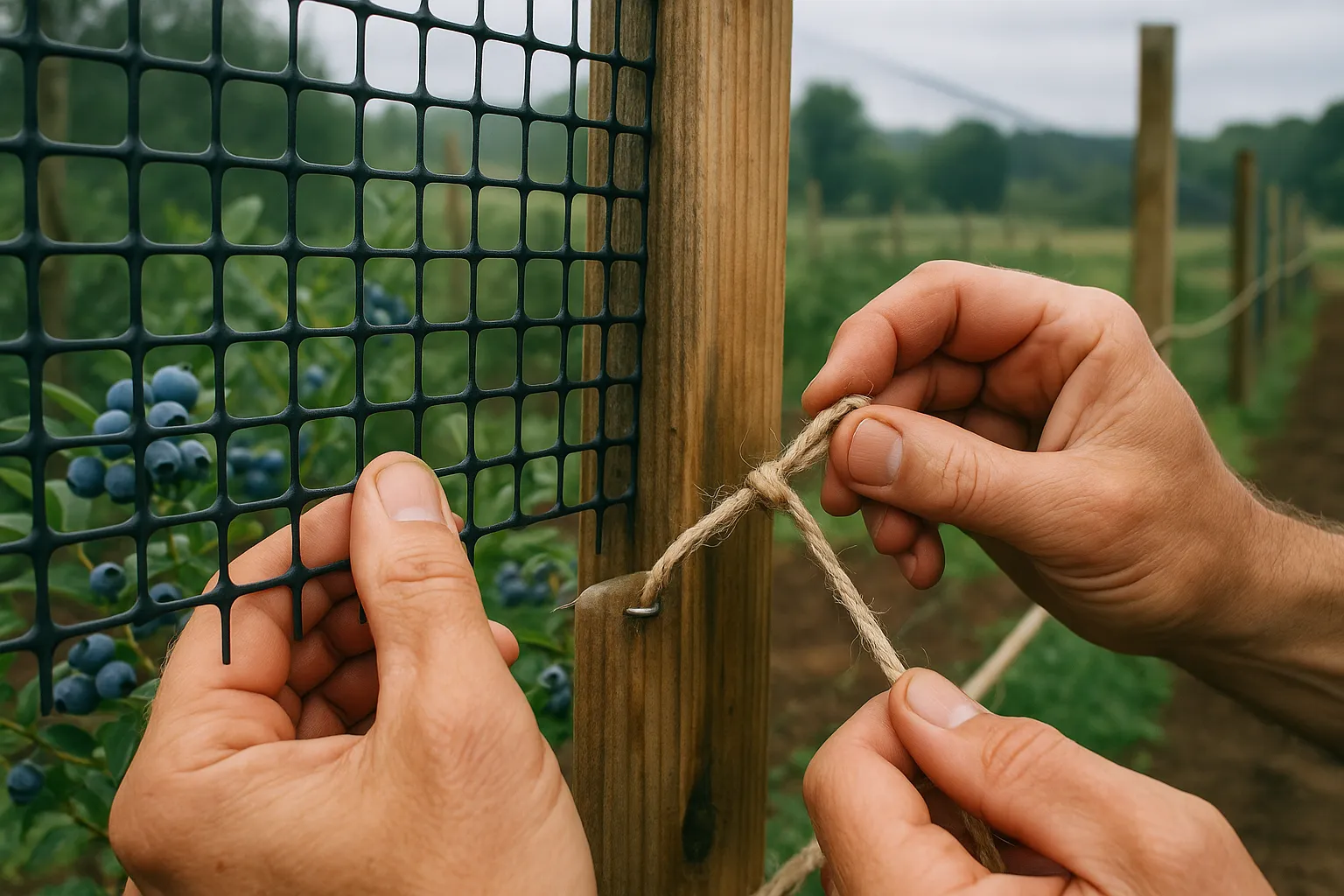
Real-life note: a small-scale blueberry grower I know switched to polypropylene netting after losing jute lines to rot two seasons running. The upfront change cost more but saved daily repairs.
Environmental Impact And End-Of-Life Options
Fact: Natural twine biodegrades but can harbor pesticides from farming: plastic mesh resists degradation but risks creating microplastics.
Biodegradability And Microplastic Risks
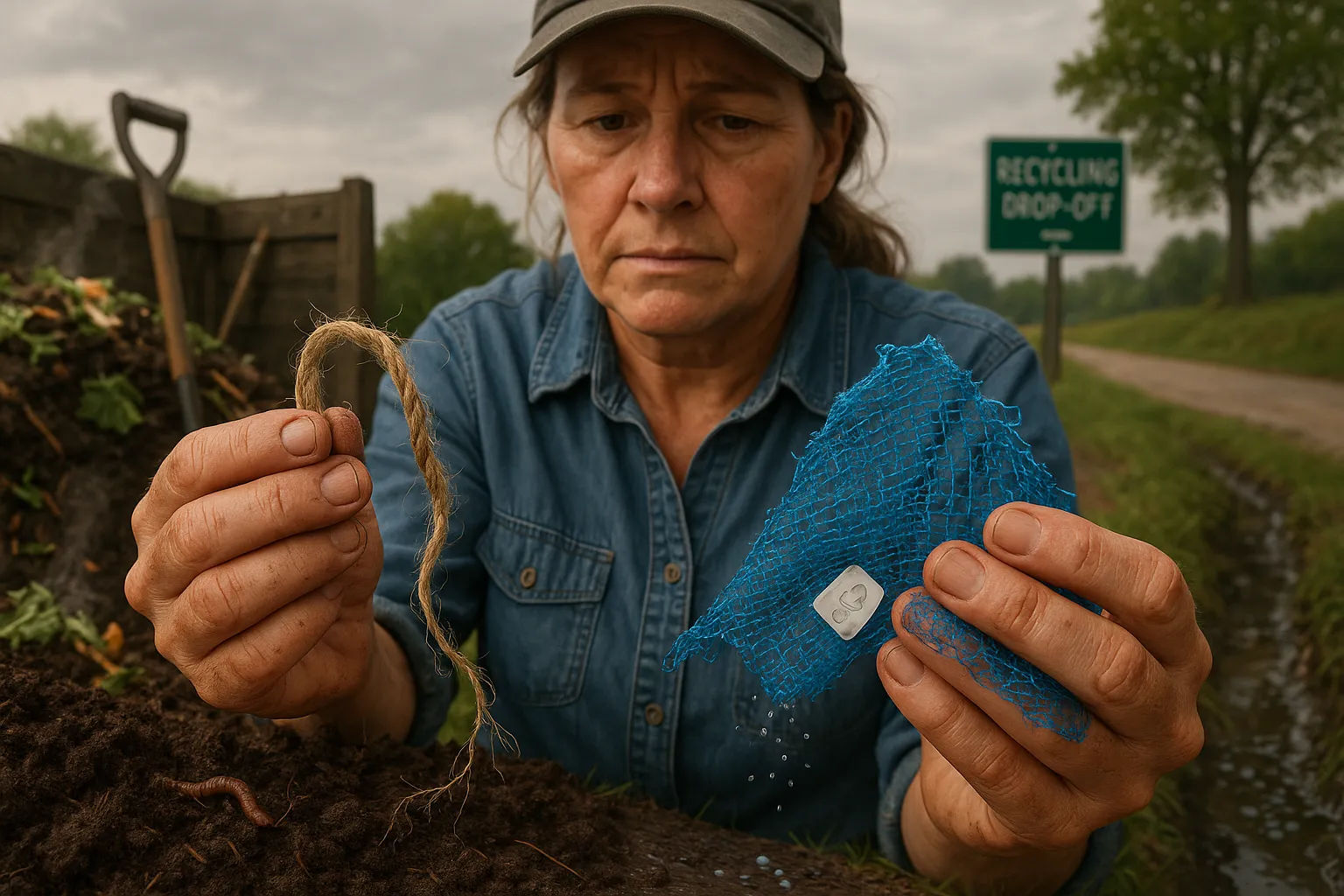
Natural twine: breaks down by microbes into CO2 and biomass when composted properly. Hemp and sisal leave little residue. But, some commercial jute or cotton twines are treated with synthetic dyes or preservatives that slow decay. Also, natural fibers can still entangle wildlife during the decay phase.
Plastic mesh: fragments into microplastics over time. Those fragments travel into soil and water and persist for decades. Studies by environmental groups like WWF and research from universities show plastic nets near shorelines increase microplastic concentration. If you care about long-term soil health, this is a major downside.
Recycling, Composting, And Safe Disposal
Natural twine: you can compost untreated twine in municipal or home systems: it speeds decomposition when chopped. If twine is chemically treated, check local waste rules and avoid composting.
Plastic mesh: recycling depends on polymer type and local facilities. HDPE (marked #2) is widely recyclable, but nettings and mixed-material bags are often rejected at curbside due to tangling in sorting gear. Some agricultural suppliers run take-back programs: check suppliers like Netlon or local waste management.
Carbon Footprint And Resource Use
Natural twine: plant fiber grows, sequesters carbon during life, and returns carbon at decay. The farming stage uses water, land, and sometimes fertilizers or pesticides. Smallholders in Bangladesh and East Africa supply much of the global jute and sisal: transport adds emissions.
Plastic mesh: produced from fossil fuels, so its cradle carbon is higher per kilogram. But if the mesh lasts many years and replaces multiple twine replacements, the lifetime emissions gap can narrow. Compare total lifecycle emissions for your project: multiple twine swaps may exceed the footprint of a durable plastic net.
Cost, Availability, And Practical Considerations
Fact: Plastic mesh usually costs more up front but lasts longer: natural twine is cheap and widely available but may need frequent replacement.
Upfront Cost Vs. Long-Term Value
Plastic mesh: a roll of agricultural HDPE netting costs more than a spool of twine. But you replace it less often. For long-term fences or shade cloth, plastic often yields lower cost per year. Do the math: price divided by expected years of service.
Natural twine: spools of jute or cotton sell at hardware stores for little money. They work for bundle-ties, plant training, and crafts. If you need short-term, disposable ties, think harvest season, twine is economical. Hidden costs include labor to re-tie and replacement buys.
Sourcing, Seasonal Availability, And Suppliers
You can buy both materials at Home Depot, Lowe’s, and local farm supply stores. For bulk purchases, contact suppliers: Tensar and TenCate for erosion nets: Netlon and WellMade for polyethylene meshes: Tata and Bangladeshi co-ops for jute: Brazilian or Kenyan distributors for sisal. Seasonal demand spikes during planting season can drive lead times, especially for natural fibers after harvest cycles, order ahead if your project is time-sensitive.
Use Cases And Best Applications
Fact: Choose plastic mesh for long-term, high-exposure jobs: choose natural twine for short-term, low-impact, or where biodegradability matters.
Gardening And Agriculture
Plastic mesh: ideal for bird netting over orchards, deer fencing, and shade netting. It holds up through seasons and keeps product loss down.
Natural twine: use for tying tomato vines, training grape canes, and bundling cut herbs. It’s gentle on stems and composts with material left behind.
Packaging, Storage, And Shipping
Plastic mesh: used for produce bags (onions, citrus) and pallet wrapping when breathability and durability matter. It protects goods during transport.
Natural twine: preferred for artisanal packaging, butcher twine, and securing small bundles. It gives a rustic look and is compostable after use.
Erosion Control, Aquaculture, And Outdoor Uses
Plastic mesh: widely used in erosion control mats, aquaculture cages, and sand dune protection because it resists saltwater and strain.
Natural twine: used in temporary coir logs and biodegradable matting. Coir (coconut fiber) stakes erosion without leaving plastic, and it supports plant establishment before breaking down.
Installation, Maintenance, And Safety Tips
Fact: Proper installation extends life and reduces hazards: both materials require simple but different care.
Installation Best Practices For Mesh And Twine
Mesh: anchor plastic mesh with stainless steel staples, U-pins, or sandbags depending on soil. Keep mesh tensioned to avoid sagging: sag traps debris and concentrates UV damage.
Twine: tie with simple knots, two half-hitches or a clove hitch for line security. When using twine for trellising, feed it through garden twine clips to reduce abrasion. Avoid sharp edges that cut fibers.
Maintenance, Repair, And When To Replace
Mesh: inspect yearly for tears and UV brittleness. Patch small holes with UV-rated tape or stitch with polypropylene twine. Replace mesh showing chalky whiteness or stiff breaks.
Twine: watch for mildew and rot in damp sites. Replace twine when fiber fuzzing or slippage occurs. If the twine smells moldy, swap it out to avoid plant disease spread.
Health And Wildlife Safety Considerations
Plastic mesh: can entangle birds, fish, and small mammals if left loose. Use rigid-edge designs and bury edges where possible. Brightly colored mesh increases visibility and reduces wildlife strikes.
Natural twine: safer for wildlife when it degrades, but still causes entanglement while intact. Avoid loose ends and cut slack to length. Report an honest mistake: once I left lengths trailing and a nesting bird got tangled, learned to double-check all edges.
How To Choose: Decision Guide And Quick Checklist
Fact: Your choice depends on duration, exposure, environmental priority, and budget. Answer these questions before buying.
Questions To Ask Based On Project Goals
How long must the material last? Short season (twine) or multi-year (plastic mesh)?
Will the material face constant sun, salt spray, or heavy loads?
Is biodegradability a hard requirement for your site or client?
Can you recycle or take back the product at end-of-life?
Tradeoffs And When Hybrid Approaches Make Sense
Tradeoffs: plastic gives durability and higher upfront carbon: natural twine gives lower long-term pollution but needs replacement. Hybrid approach: use plastic mesh for the main structure and natural twine for plant ties. Or use coir erosion logs with polypropylene anchors: you get temporary biodegradability plus lasting stability. This mixes strengths and reduces single-point failures.
Compare total cost over expected life, not just sticker price.
Consider wildlife visibility and secure edges.
Choose with both head and hands: test a small section before large orders, and keep receipts for supplier returns if the material fails to meet your expectations.
Published: February 26, 2026 at 10:28 pm by Ellie B, Site owner & Publisher
To provide the best experiences, we use technologies like cookies to store and/or access device information. Consenting to these technologies will allow us to process data such as browsing behaviour or unique IDs on this site. Not consenting or withdrawing consent, may adversely affect certain features and functions.
Functional
Always active
The technical storage or access is strictly necessary for the legitimate purpose of enabling the use of a specific service explicitly requested by the subscriber or user, or for the sole purpose of carrying out the transmission of a communication over an electronic communications network.
Preferences
The technical storage or access is necessary for the legitimate purpose of storing preferences that are not requested by the subscriber or user.
Statistics
The technical storage or access that is used exclusively for statistical purposes.The technical storage or access that is used exclusively for anonymous statistical purposes. Without a subpoena, voluntary compliance on the part of your Internet Service Provider, or additional records from a third party, information stored or retrieved for this purpose alone cannot usually be used to identify you.
Marketing
The technical storage or access is required to create user profiles to send advertising, or to track the user on a website or across several websites for similar marketing purposes.