Fact: Philadelphus is the botanical genus: mock orange is the common name gardeners use. The distinction matters because you may be shopping for a plant called “mock orange” and end up with a different species or cultivar than you expect. Picture a spring evening where one shrub fills the air with sweet, citrusy perfume while a neighbor’s plant offers a similar look but a milder scent, subtle differences shape the experience. This article gives you clear, actionable comparisons so you can pick the right shrub for fragrance, size, and site. Read on to avoid surprises and get the most from your garden plantings.
Quick Comparison: Key Differences At A Glance
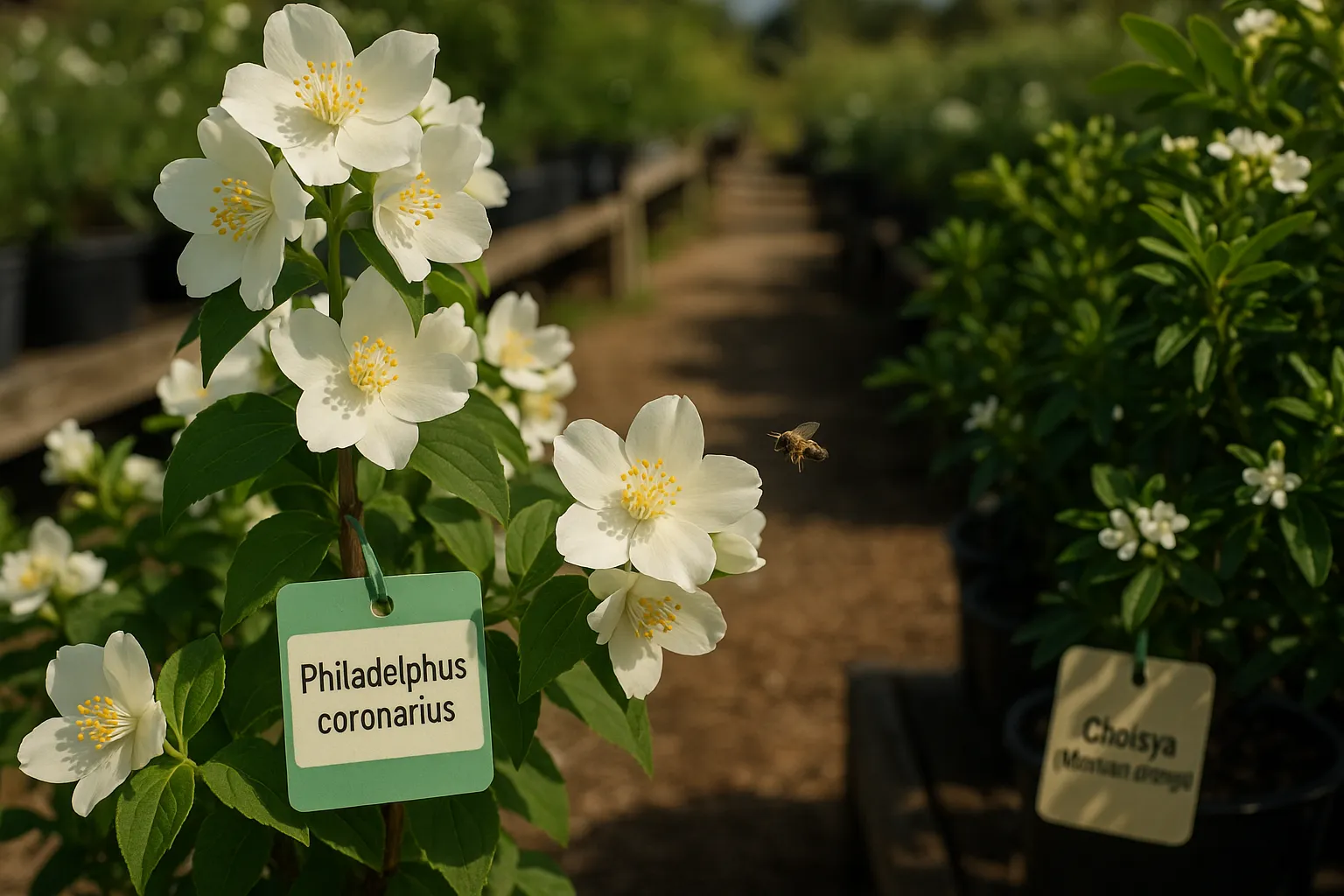
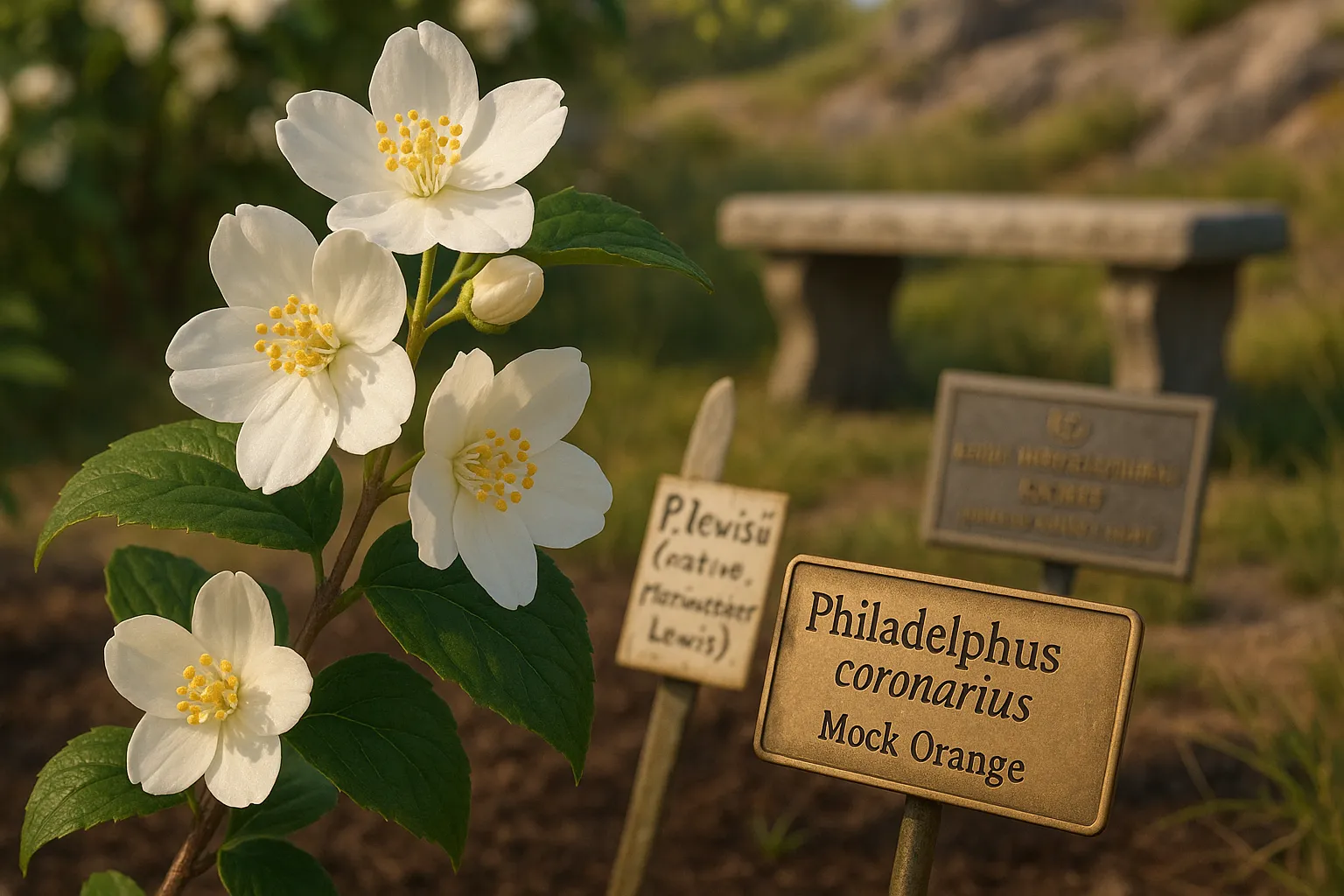
Start with the answer: Philadelphus is the genus name: mock orange is the common name most people use for plants in that genus. Philadelphus species (for example, Philadelphus coronarius and Philadelphus lewisii) are deciduous shrubs known for white, often highly fragrant flowers. But the phrase “mock orange” sometimes gets applied to unrelated shrubs like Choisya ternata (Mexican orange) because they share citrus-like scent or similar white blooms.
Botanical identity: Philadelphus = genus (family Hydrangeaceae). Mock orange = common name applied mostly to Philadelphus, but also to others in casual conversation.
Fragrance: Many Philadelphus cultivars have strong, sweet, orange-blossom-like scent: some are nearly scentless.
Size and form: Ranges from 3–15 ft depending on species and cultivar.
Hardiness: Most Philadelphus tolerate USDA zones 4–8: specific cultivars vary.
If you want unmistakable clarity at the nursery, check the plant tag: a true Philadelphus tag means genuine mock orange: a Choisya or other label means a lookalike.
Botanical Background And Naming
Fact: Philadelphus has roughly 60 species native to temperate regions of the Northern Hemisphere. The genus name honors Philadelphia, an ancient city in Asia Minor. The common name “mock orange” comes from the floral scent that resembles Citrus sinensis (sweet orange) blossoms.
Philadelphus coronarius is one of the oldest cultivated species in Europe: historic English gardens prized its perfume in the 18th century. In North America, Philadelphus lewisii (Lewis’s mock orange) is native to the inland West and was named after Meriwether Lewis. The Royal Horticultural Society (RHS) lists many Philadelphus cultivars and awards several the RHS Award of Garden Merit.
Fact: Philadelphus offers wide variety: blooms vary by species and cultivar. Below you get specifics to match taste and space.
Fragrance, Flowers, And Seasonal Behavior
Many Philadelphus produce clusters of single or double white flowers in late spring to early summer. Philadelphus coronarius yields large, strongly fragrant blooms: Philadelphus lewisii has a fresher, lighter scent. Bloom time usually lasts 2–4 weeks, but repeat-flowering cultivars like ‘Belle Etoile’ sometimes give a second flush later. Bees and butterflies love the flowers: the scent helps attract pollinators.
Common Cultivars To Know
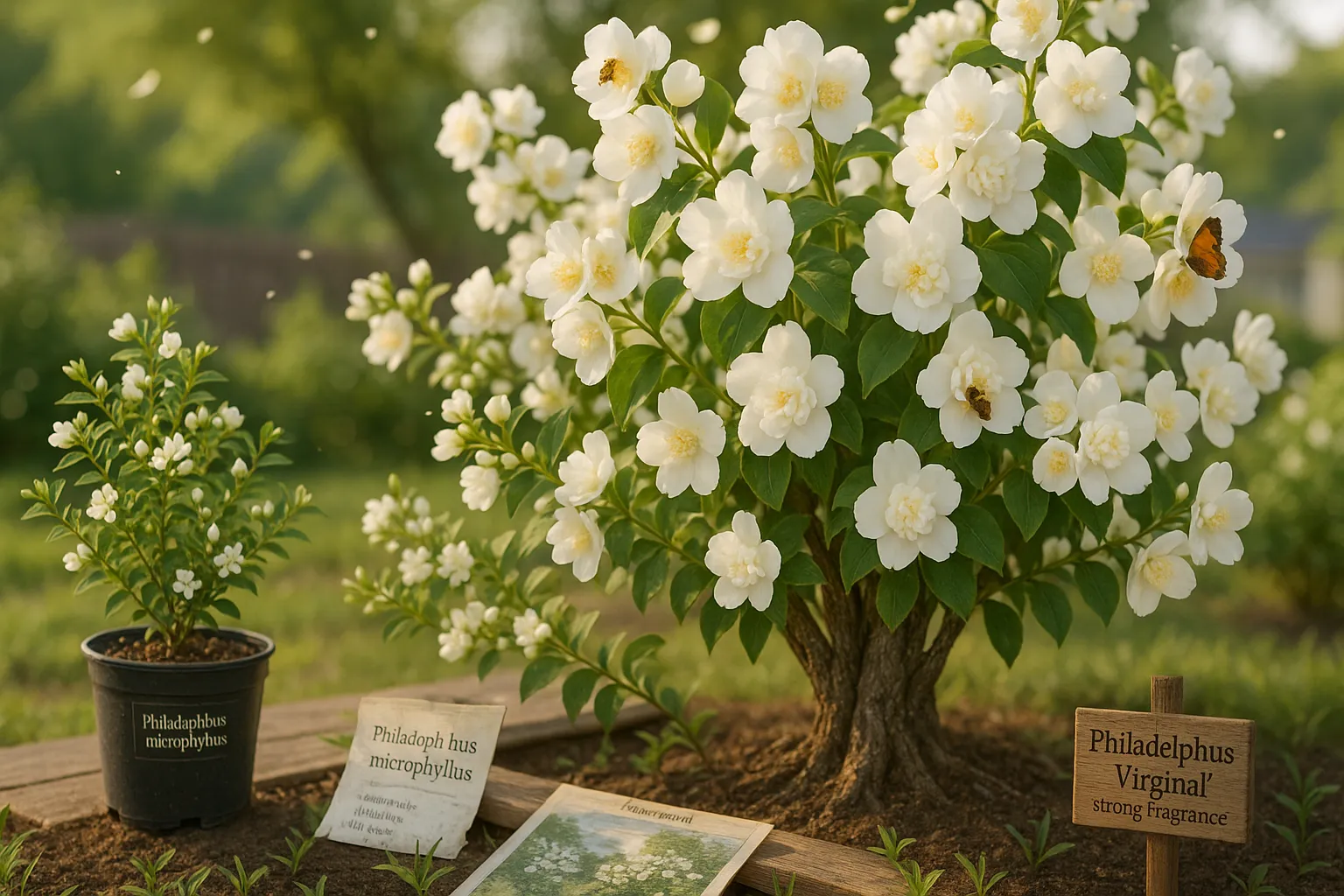
‘Miniature’ or Philadelphus microphyllus, compact, good for small gardens.
‘Belle Etoile’, double flowers, faint perfume, popular in English borders.
‘Virginal’, large single blooms, strong fragrance: often used for cut flowers.
Philadelphus lewisii ‘Waterton’, native vigor, fragrant and hardy.
These cultivars appear in nursery catalogs from Monrovia, Proven Winners, and independent growers. Check tags for cultivar names and awards from RHS or local extension services.
Growth Habit And Mature Size
Most Philadelphus take a multi-stemmed, arching form. Sizes range: dwarf types 3–4 ft: standard landscape shrubs 6–10 ft: some wild species reach 12–15 ft. Branches produce most flowers on last year’s wood, so growth habit affects pruning and bloom timing.
Site Requirements And Care
Fact: Philadelphus is forgiving but performs best in full sun to part shade with average, well-drained soil. Below are practical care steps you can follow.
Light, Soil, And Hardiness
Place Philadelphus in full sun (6+ hours) for the best flower set: part shade reduces bloom but can improve leaf color in hot climates. They prefer neutral to slightly alkaline soil but tolerate clay, loam, and sandy soils if drainage is good. Most cultivars match USDA zones 4–8: check the tag, Philadelphus lewisii tolerates colder inland zones.
Watering, Fertilizing, And Mulching
Water young plants regularly until established: established shrubs tolerate some drought but look better with consistent moisture. Apply a balanced, slow-release fertilizer in early spring (for example, a 10-10-10 at label rates). Mulch 2–3 inches of organic mulch, keeping it off the crown to prevent crown rot. Avoid over-watering: soggy roots invite root rot.
Pruning: Timing And Techniques
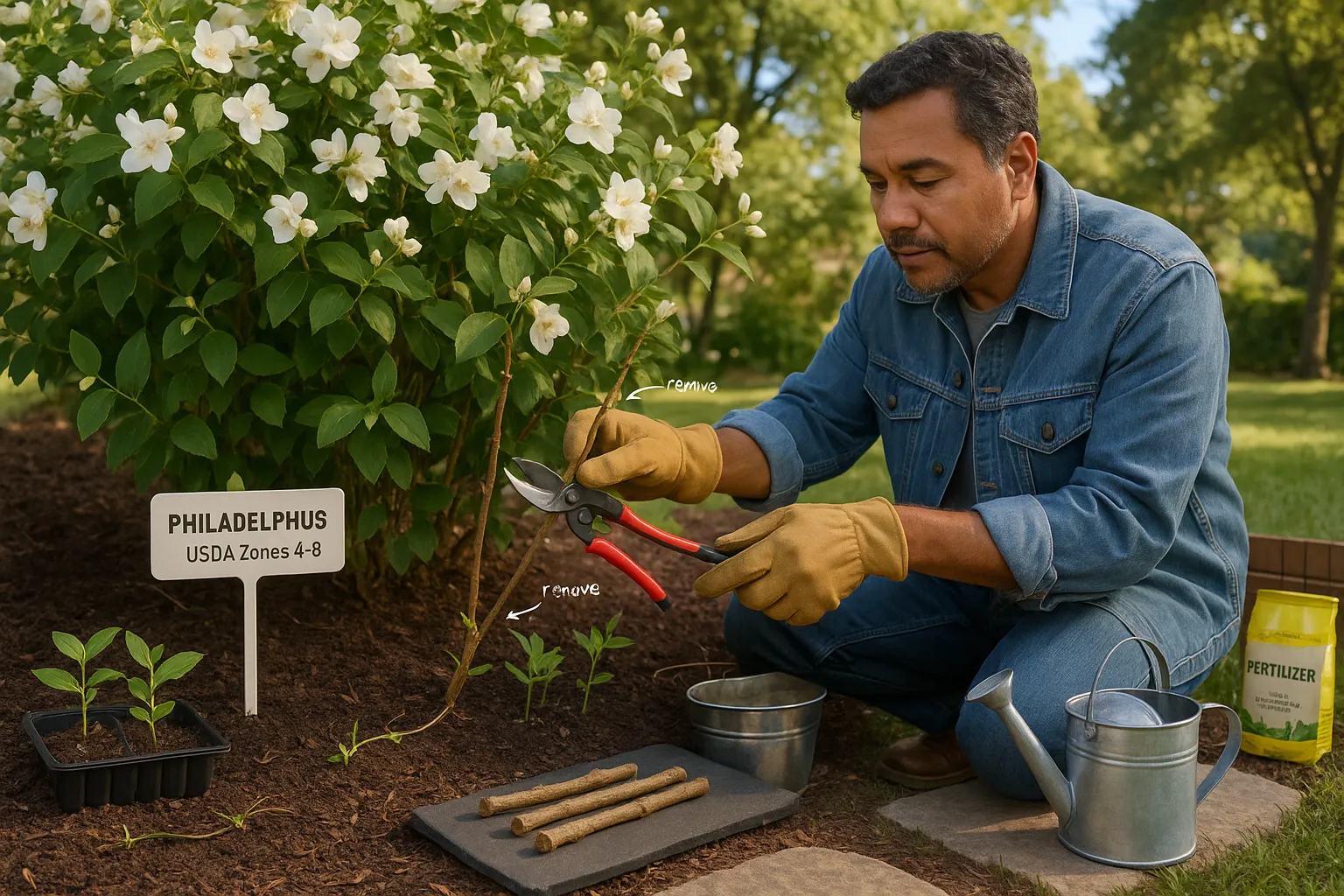
Prune immediately after flowering. Fact: Philadelphus blooms on old wood, so late pruning removes next year’s flower buds. Remove 1/3 of the oldest stems at ground level annually to encourage fresh growth. For rejuvenation, cut back one-third of the plant hard (to 6–12 inches) in early spring for three consecutive years: this restores vigor without killing the shrub.
Propagation Methods
You can propagate Philadelphus from semi-ripe softwood cuttings in summer or from hardwood cuttings in late winter. Layering works well: bend a flexible stem to the ground, wound the underside, and peg it into the soil: roots form in months. Seed propagation is possible but cultivars may not come true-to-type.
Pests, Diseases, And Common Problems
Fact: Philadelphus is relatively disease-resistant but can face specific issues. Common pests include aphids and scale: common diseases include powdery mildew and leaf spot.
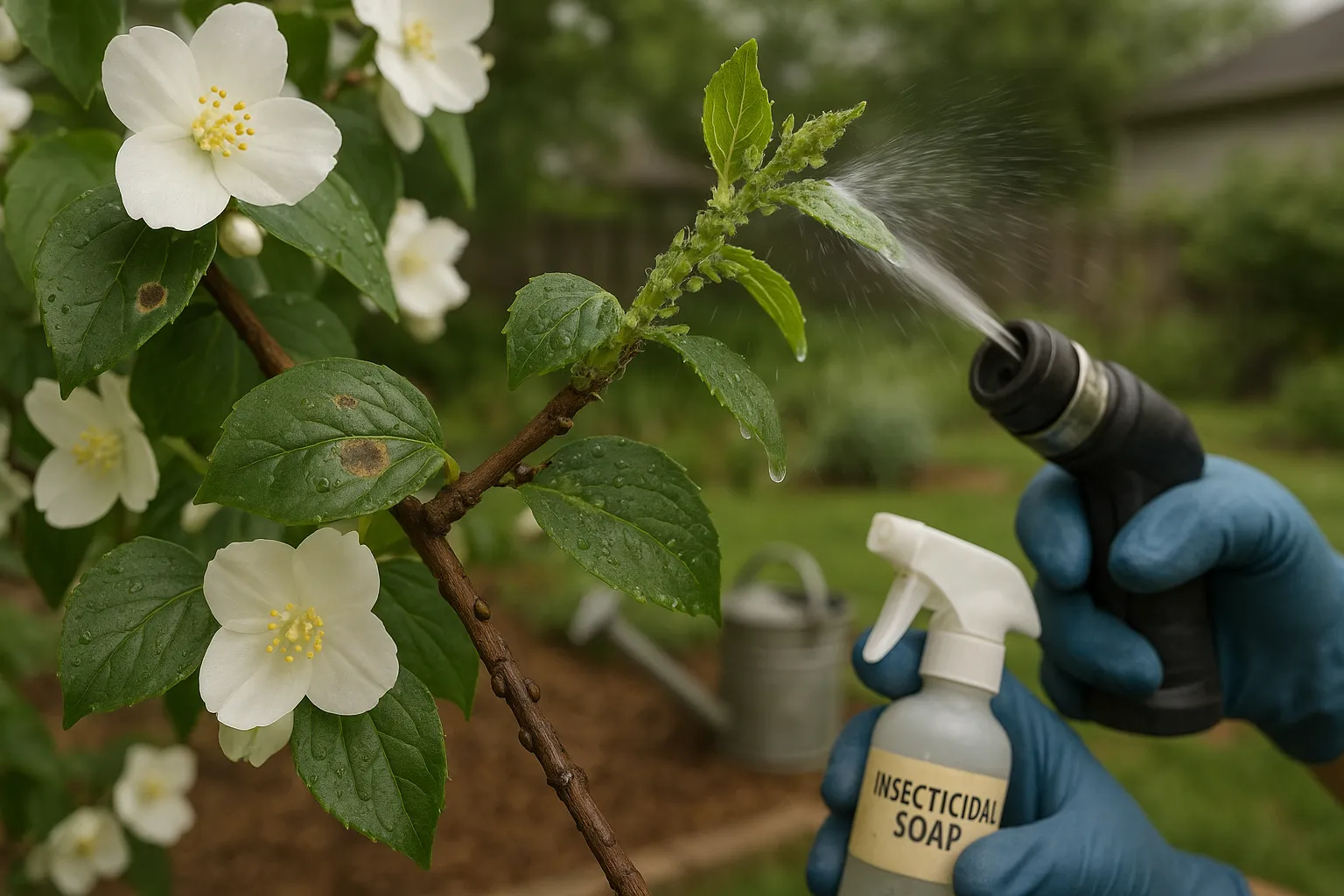
Aphids cluster on new shoots and distort leaves: treat with insecticidal soap or a strong water spray. Scale insects require horticultural oil in dormant season or targeted systemic insecticides if heavy. Powdery mildew appears as white film on leaves in humid conditions: improve air circulation and avoid overhead watering. Leaf spot may follow prolonged wetness: remove and destroy affected leaves. Philadelphus can suffer dieback in harsh winters, prune out dead wood and consider mulch for root protection.
Honest note: Some cultivars show weaker fragrance or fewer blooms in hot, wet summers: choose a cultivar with proven local performance (ask your county extension or local nursery).
Landscape Uses And Design Ideas
Fact: Philadelphus works in hedges, screens, and as specimen plants. Use it where fragrance matters, near patios, entryways, or along walkways.
Hedges, Screens, And Specimen Plantings
Plant Philadelphus in groups to create an informal flowering hedge. Space plants 4–8 ft apart depending on cultivar width. For a screen, stagger two rows for density. As a specimen, place a fragrant shrub within 10–15 ft of seating or a dining area for maximum sensory impact.
Companion Plants And Seasonal Interest
Pair Philadelphus with spring bulbs (tulips, daffodils) and early perennials (Nepeta, Geranium sanguineum) to extend seasonal color. Evergreen companions like Buxus or Ilex provide winter structure. In hotter climates, pair with Choisya ternata for contrasting leaf texture and similar bloom color: the two create a pleasing repeat of fragrance from spring into early summer.
How To Choose Between Philadelphus And Mock Orange
Fact: In most cases you do not choose, they are the same. But choice matters when the common name hides different species. If a tag says Philadelphus, you have a true mock orange. If the tag says Choisya or another genus, you have a lookalike with different care needs.
Ask these questions before you buy:
Do you want strong fragrance? Choose cultivars like ‘Virginal’ or ‘Coronarius’.
How much space do you have? Choose dwarf forms (microphyllus) for small gardens and larger species for screens.
What is your climate? Check USDA zone ratings: choose Philadelphus lewisii for colder inland sites.
Practical tip: Smell the blooms at the nursery. Fragrance varies a lot between cultivars: labels rarely convey scent intensity. If you need a low-maintenance option with similar visual traits but different texture, consider Choisya ternata, it offers evergreen foliage and repeat blooms but different root and water needs.
Final prompt to action: When you shop, read labels, ask a nursery specialist in your area (for example, a Master Gardener at your county extension), and test a small planting first if you’re unsure. That way you avoid planting the wrong “mock orange” and you get the fragrance and form you expect.
Published: February 28, 2026 at 10:11 pm by Ellie B, Site owner & Publisher
To provide the best experiences, we use technologies like cookies to store and/or access device information. Consenting to these technologies will allow us to process data such as browsing behaviour or unique IDs on this site. Not consenting or withdrawing consent, may adversely affect certain features and functions.
Functional
Always active
The technical storage or access is strictly necessary for the legitimate purpose of enabling the use of a specific service explicitly requested by the subscriber or user, or for the sole purpose of carrying out the transmission of a communication over an electronic communications network.
Preferences
The technical storage or access is necessary for the legitimate purpose of storing preferences that are not requested by the subscriber or user.
Statistics
The technical storage or access that is used exclusively for statistical purposes.The technical storage or access that is used exclusively for anonymous statistical purposes. Without a subpoena, voluntary compliance on the part of your Internet Service Provider, or additional records from a third party, information stored or retrieved for this purpose alone cannot usually be used to identify you.
Marketing
The technical storage or access is required to create user profiles to send advertising, or to track the user on a website or across several websites for similar marketing purposes.