
Imagine reaching for a recipe only to realize you’re second-guessing the measurements. Is it a tablespoon or a teaspoon? These tiny abbreviations, tbsp and tsp, may look similar, but in the kitchen, they couldn’t be more different. A simple mix-up could mean a dish that’s overly salty, too sweet, or just plain off.
Understanding the difference between these two measurements is more than just a kit
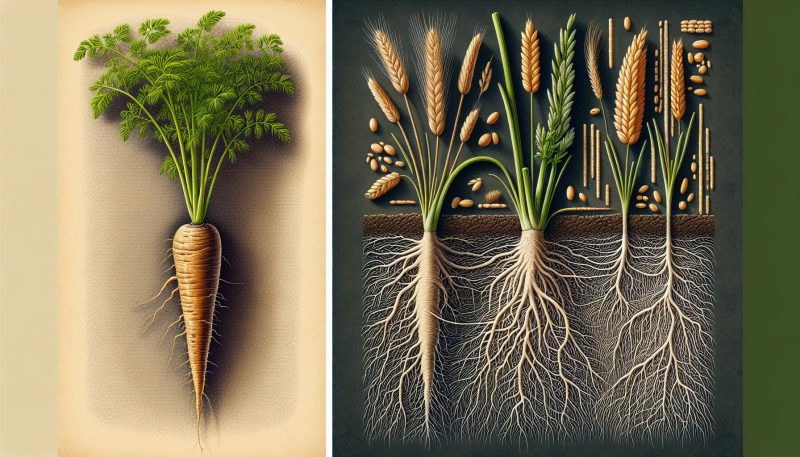
Difference Between Taproot and Fibrous Root: Key Features, Functions, and Examples
Overview Of Plant Root Systems Plant root systems are essential for nutrient absorption and structural support. They anchor plants firmly in the soil while facilitating water and mineral uptake. Importance Of Roots In Plants Roots provide stability by anchoring plants to the ground, preventing erosion. They absorb water and dissolved minerals necessary for

Difference Between Tactics and Strategy: Key Distinctions for Long-Term Success and Smart Decisions
Picture yourself standing at the edge of a dense forest, sunlight flickering through the leaves as you plot your next move. Do you focus on every twist and turn of the path, or do you step back and chart a course through the entire wild expanse? The line between tactics and strategy is often blurred, yet it shapes every decision you make—whether you’re navigating a business challenge or planning y

Difference Between Tactics and Strategies: Key Examples, Definitions, and How to Use Both
Picture yourself standing at the edge of a chessboard—the air thick with anticipation and the faint scent of polished wood. Every move you make could shape the outcome but what if you’re not just moving pieces but orchestrating a grand design? In business, sports, or even your daily life, the difference between tactics and strategies is the secret sauce that separates quick wins from lasting trium
Difference Between Tablespoon and Teaspoon: A Guide to Precise Kitchen Measurements
Picture this: you’re following a recipe that promises the perfect dish, but then you hesitate—was it a tablespoon or a teaspoon of salt? It might seem like a tiny detail, but in the culinary world, these small distinctions can make or break your masterpiece. The difference between these two common kitchen tools is more than just size; it’s the key to achieving balance in flavors.
Understanding tab

Difference Between T/Gel and T/Sal: Which Medicated Shampoo is Right for Your Scalp?
Your scalp deserves the same care and attention as the rest of your body, but choosing the right product can feel overwhelming. If you’ve ever stood in an aisle debating between T/Gel and T/Sal shampoos, you’re not alone. These two medicated formulas promise healthier hair and relief from stubborn scalp issues—but what sets them apart?
Understanding their differences is key to finding what works b

Difference Between Systolic and Diastolic Blood Pressure: What Your Numbers Really Mean
Picture your heart as a tireless drummer setting the rhythm of your life—each thump echoing through your veins like a secret code. But what if you could decipher that code and truly understand what your blood pressure numbers reveal? The difference between systolic and diastolic blood pressure isn’t just medical jargon—it’s a window into your body’s inner workings.
Picture the rush of blood surgin

Difference Between System Software and Utility Software: Key Functions and Examples Explained
Picture your computer as a bustling city. System software acts like the city’s foundation, ensuring everything runs smoothly and efficiently, while utility software works like specialized services—cleaning up cluttered streets or optimizing traffic flow. Both are essential, but they serve entirely different purposes in keeping your digital world functional.
You might not think twice about what pow
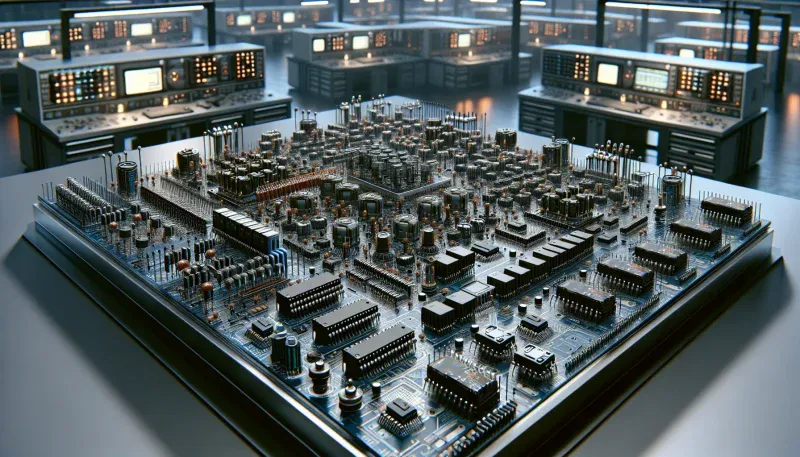
Difference Between Synchronous and Asynchronous Counter: Key Features and Applications
Picture a world where timing is everything, where precision dictates performance and even the smallest delay can disrupt an entire system. This is the realm of digital electronics, where counters play a vital role in keeping processes organized and accurate. But not all counters are created equal—some march in perfect harmony with a single clock signal, while others dance to their own rhythm.
The