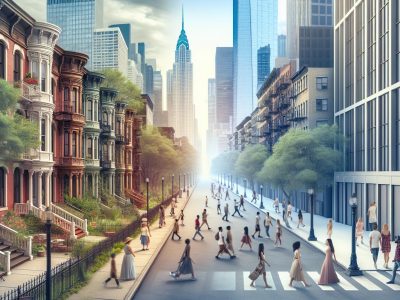
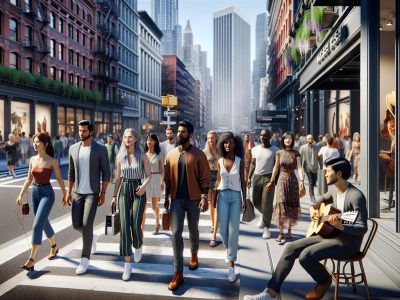
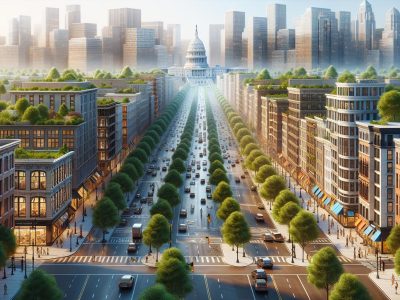
Picture yourself strolling down a cobblestone street, the whispers of history echoing through centuries-old architecture. Now picture standing amidst gleaming skyscrapers, their glass facades reflecting the buzz of innovation and progress. The contrast between old cities and modern metropolises isn’t just architectural—it’s a clash of lifestyles, values, and experiences that shape how you connect with your surroundings.
Do you crave the charm of timeless traditions or the energy of cutting-edge convenience? Old cities invite you to slow down and savor stories etched into every stone, while modern cities promise efficiency, speed, and endless possibilities. Each offers its own rhythm—one grounded in nostalgia, the other racing toward tomorrow.
This dynamic interplay between past and present raises an intriguing question: which is more captivating? Exploring both reveals not only what makes each unique but also what they can teach us about balancing heritage with progress in today’s ever-evolving world.
Overview Of Modern City Vs Old City
Modern cities showcase sleek skyscrapers, advanced infrastructure, and technological integration. These urban centers prioritize efficiency with mass transit systems, smart buildings, and digital connectivity. Examples like Tokyo and Dubai highlight innovation-driven growth.
Old cities reflect heritage through historic architecture, cobblestone streets, and preserved landmarks. They emphasize cultural richness over functionality. Cities such as Rome or Kyoto offer glimpses into centuries-old traditions.
In modern cities, fast-paced lifestyles dominate daily routines with access to global cuisines, entertainment hubs, and 24/7 services. Conversely in old cities you experience slower rhythms focused on community gatherings and artisanal markets.
Modern cityscapes often lack the intimate charm of older urban areas due to uniform designs prioritizing function over aesthetics. On the other hand though old city layouts can be less practical for current needs because of narrow roads or outdated facilities.
Questions arise about sustainability—do modern advancements outweigh the environmental costs? Or does preserving history justify limited modernization? Exploring these contrasts helps you understand how urban environments balance progress with identity.
Key Features Of Modern Cities
Modern cities blend technological innovation with advanced urban living standards. They prioritize efficiency while integrating sustainability and connectivity.
Infrastructure And Technology
Modern cities rely on cutting-edge infrastructure and digital advancements. High-speed internet, smart grids, and 5G connectivity enhance daily operations. Transportation networks include metro systems, autonomous vehicles, and bike-sharing programs in cities like Amsterdam or Singapore. Skyscrapers constructed with eco-friendly materials demonstrate architectural progress.
Energy-efficient buildings reduce carbon footprints when combined with renewable energy sources like solar panels. Smart technologies enable real-time monitoring of utilities to optimize resource usage. These innovations define modernity’s role in shaping sustainable urban environments.
Lifestyle And Amenities
Contemporary urban centers offer diverse amenities catering to fast-paced lifestyles. Shopping malls, entertainment hubs, and international cuisines are readily available in metropolises such as New York City or Hong Kong. Advanced healthcare facilities provide immediate access to specialized treatments.
Green spaces like vertical gardens coexist alongside dense residential zones to promote well-being amidst bustling streetscapes. Educational institutions equipped with the latest resources attract global talent seeking opportunities for growth within these vibrant economies.
Urban Planning And Development
Planned development ensures efficient land use while accommodating population growth in modern cities like Dubai or Shanghai. Mixed-use developments combine residential areas with commercial districts to minimize commuting distances.
Characteristics Of Old Cities
Old cities offer a glimpse into the past, showcasing unique traits shaped by history and tradition. These characteristics reveal how earlier generations lived, worked, and connected with their surroundings.
Historical Architecture
The architecture of old cities often reflects the artistry and craftsmanship of their time. Monumental structures like Rome’s Colosseum or Istanbul’s Hagia Sophia demonstrate intricate designs that modern buildings rarely replicate. Narrow cobblestone streets lined with stone houses in places like Bruges or Fez create an intimate urban fabric.
Unlike modern grids, layouts in older cities evolved organically around natural features or trade routes. For example, Venice’s canals functioned as primary transportation networks centuries ago. Preservation laws now protect these historic areas to maintain their cultural significance.
Community And Culture
Communities in old cities formed tight-knit connections due to shared spaces and slower rhythms of life. Central marketplaces such as Marrakech’s Jemaa el-Fna served both economic and social purposes. Festivals rooted in local traditions continue to foster unity—for instance, Seville’s Semana Santa attracts residents alongside visitors.
You’ll notice public squares like Prague’s Old Town Square act as hubs for gatherings even today, reflecting communal values over individualistic lifestyles prevalent in many modern settings. Storytelling through folktales or oral histories further enriched cultural identity within these environments.
Simplicity And Tradition
Life in historical cities balanced simplicity with meaningful practices. Artisanal trades thrived due to limited industrialization; examples include Kyoto’s tea ceremonies or Florence’s leather workshops crafted by hand across generations.
Comparing Modern And Old Cities
Modern and old cities showcase distinct characteristics, each offering unique benefits and challenges. Their differences span infrastructure, culture, lifestyle, and urban planning.
Advantages Of Modern Cities
Modern cities prioritize efficiency through advanced technology and innovative infrastructure. High-speed transportation systems like bullet trains in Tokyo or self-driving cars in San Francisco streamline mobility. Smart grids ensure energy distribution is optimized, supporting sustainable initiatives.
Economic opportunities abound in modern metropolises. Global business centers like New York City or Shanghai attract industries with cutting-edge facilities and robust digital networks. These urban hubs foster innovation, enabling startups to thrive alongside established corporations.
Access to amenities defines modern living. Residents benefit from healthcare systems equipped with AI diagnostics or educational institutions employing virtual reality for immersive learning experiences. Recreational options include multiplex theaters and futuristic parks designed for diverse activities.
Advantages Of Old Cities
Old cities preserve cultural identity through historical landmarks and traditional practices. Structures such as Istanbul’s Hagia Sophia or Athens’ Parthenon embody craftsmanship rarely found today. These monuments serve as tangible links to the past.
Community life flourishes in older city layouts shaped by organic growth rather than rigid planning grids. Public squares like Rome’s Piazza Navona become gathering spaces for social engagement, fostering connections among residents.
Heritage tourism drives economic sustainability while preserving history. Visitors explore artisanal markets offering local crafts or participate in festivals celebrating centuries-old traditions—experiences unique to historic settings compared to homogenized global trends seen elsewhere.
Challenges And Trade-offs
Balancing modernization with preservation poses challenges for both city types. Rapid development often disrupts historical sites; examples include Venice grappling with over-tourism impacting its fragile ecosystem. Meanwhile, maintaining old-world charm can hinder infrastructural upgrades needed for growing populations.
Environmental concerns arise differently across these contexts: sprawling modern cities contribute significantly to carbon emissions even though adopting green technologies; conversely, aging infrastructures in old towns struggle with inefficiency yet resist harmful industrial expansion due their slower pace of change.
Urban prioritization varies too—modern environments emphasize individual convenience but sometimes sacrifice communal values seen thriving within historically rooted societies focused on shared heritage over personal ambition—leaving you wondering which path truly shapes a fulfilling future?
Factors Influencing Preference
Cultural Significance vs. Modern Appeal
Your preference could depend on how much you value deep-rooted cultural heritage compared to contemporary innovation. Old cities like Istanbul, with landmarks such as the Blue Mosque, offer immersive historical narratives that connect you to centuries of tradition. In contrast, modern cities like Singapore showcase cutting-edge architecture and technological prowess, providing a glimpse into the future of urban living.
Lifestyle Priorities
The pace of life influences whether you lean toward old or modern city environments. If you cherish tranquility and community-centered living, older cities might resonate more due to their slower rhythms and shared public spaces like piazzas in Florence. Conversely, if efficiency and convenience align with your priorities, modern metropolises such as Seoul—with its seamless public transport systems—might be more appealing.
Economic Opportunities
Access to jobs and business prospects sways preferences significantly. Modern cities often serve as economic hubs; New York City exemplifies this with its financial district attracting global talent. On the other hand, historic cities may appeal through heritage tourism-driven economies—for example, Venice thrives on artisanal crafts and cultural tourism.
Environmental Considerations
Sustainability plays an essential role in shaping preferences today. Modern urban centers integrate eco-friendly infrastructure—like Copenhagen’s cycle lanes—to minimize environmental impacts while enhancing livability for residents. But, old cities embrace preservation over modernization; Rome’s stringent regulations protect its ancient ruins but limit large-scale green initiatives.
Aesthetic Values
Architectural styles reflect individual aesthetic preferences when choosing between city types. You might find inspiration in intricate Gothic cathedrals within Prague or admire sleek minimalist skyscrapers dominating Dubai’s skyline. Both evoke unique emotional responses depending on personal taste for either timeless elegance or futuristic design elements.
Conclusion
Deciding between the allure of an old city and the innovation of a modern one depends on what resonates most with you. Both offer distinct experiences shaped by their architecture, culture, and way of life.
Whether you’re drawn to the historical charm of ancient landmarks or the convenience of advanced infrastructure, each city type has something unique to offer. It’s eventually about finding balance—preserving heritage while embracing progress—that defines how cities evolve and flourish in today’s world.
To provide the best experiences, we use technologies like cookies to store and/or access device information. Consenting to these technologies will allow us to process data such as browsing behaviour or unique IDs on this site. Not consenting or withdrawing consent, may adversely affect certain features and functions.
Functional
Always active
The technical storage or access is strictly necessary for the legitimate purpose of enabling the use of a specific service explicitly requested by the subscriber or user, or for the sole purpose of carrying out the transmission of a communication over an electronic communications network.
Preferences
The technical storage or access is necessary for the legitimate purpose of storing preferences that are not requested by the subscriber or user.
Statistics
The technical storage or access that is used exclusively for statistical purposes.The technical storage or access that is used exclusively for anonymous statistical purposes. Without a subpoena, voluntary compliance on the part of your Internet Service Provider, or additional records from a third party, information stored or retrieved for this purpose alone cannot usually be used to identify you.
Marketing
The technical storage or access is required to create user profiles to send advertising, or to track the user on a website or across several websites for similar marketing purposes.