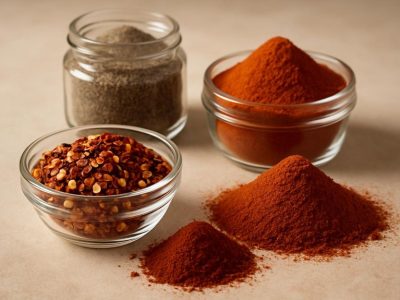
Thinking of switching from Mhd to a more balanced option can feel like navigating a maze of flavors, costs, and sustainability.
Imagine savoring a meal that not only satisfies your taste buds but also whispers promises of health and eco-friendliness. The challenge lies in finding alternatives that fit your busy lifestyle without draining your wallet.
Surprisingly, some lesser-known choices can boost your energy just as much as they do your conscience.
With so many tech-savvy solutions and locally sourced gems, discovering your perfect match becomes an exciting adventure—like uncovering hidden treasures in a sea of options.
Let’s explore what truly matters before making that leap.
Key Features to Consider When Choosing Mhd Alternatives
When choosing Mhd alternatives, it helps to focus on a few key features. First, look at the nutritional value. Make sure the alternative gives you the essential nutrients you need without risking your health. For example, some plant-based options might lack certain vitamins, so check labels or research ingredients to avoid surprises.
Second, think about how sustainable the option is for the long term. Does it support the environment? For example, choosing plant-based or renewable sources can help reduce waste and save resources. Some products use less packaging or are made from eco-friendly materials, which is better for the planet.
There are two sides here. Some say that focusing on sustainability might limit your choices or cost more. Others argue it’s worth it because it protects our future. Be aware that not all alternatives are equally healthy or eco-friendly, so do some research before buying.
In the end, pick options that balance good nutrition with sustainability. This way, you get a product that’s better for your health and the environment. Don’t just settle for the first thing you see—compare features and ask if it truly meets your needs. Making smarter, responsible choices means looking beyond the surface.
Cost and Accessibility of Mhd Alternatives
What is the cost and how easy is it to get Mhd alternatives? The price varies a lot based on where you live and what you need. Some options are surprisingly cheap, even if you don’t have much money. Others are hard to find in certain areas.
For example, in big cities like New York or Los Angeles, you might find more affordable or more options. But in smaller towns or rural places, it might be harder and more expensive. So, you should compare prices in your area first.
Some brands like Medtronic or Abbott make Mhd alternatives that are more affordable. But their prices can still change a lot depending on your insurance or if you qualify for assistance programs. Be careful—sometimes cheaper options don’t work as well or might not be available in your region.
There are two main ways to think about costs. First, if you want the cheapest option, look for local clinics or programs that give free or low-cost alternatives. Second, if you want the best quality and reliability, you might need to spend more or look for well-known brands.
Remember, just because something is cheap doesn’t mean it’s good. And expensive doesn’t always mean better. Do your research. Read reviews and ask your doctor about what works best for your needs.
In the end, finding a good Mhd alternative is like shopping for a phone—price, quality, and availability all matter. Take your time and compare options so you don’t overspend or end up with something that doesn’t work for you.
Price Comparison Overview
Price comparison is the best way to find the right Mhd alternatives for your needs. The key is to look not just at the sticker price but also at ongoing costs and features. Some options may seem cheap at first but end up costing more later because of hidden fees or extra charges. For example, a competitor might offer a lower upfront price but then charge for things like extra storage or support.
To compare prices effectively, you should look at multiple factors. First, check the initial cost. Then, consider what’s included in that price—like customer support or additional features. Also, think about long-term costs such as monthly or yearly fees. Sometimes paying more upfront saves you money in the long run.
It’s helpful to compare options side by side. For instance, if Brand A costs $50 per month but includes all features, while Brand B costs $30 but charges extra for important features, Brand A might be a better deal overall. Remember, the cheapest option isn’t always the best value. Sometimes you get what you pay for.
Be careful about flashy marketing tricks. Some companies make their prices look low but hide fees that add up quickly. Always read the fine print. Also, consider what you really need. If you only need basic features, don’t pay for extras you won’t use.
Some people might say that cheaper options are not reliable. Others believe spending more means better quality. Both points are true. Look at reviews and real customer feedback before making your decision.
Availability in Different Regions
The most important thing to know is that where you live affects what Mhd alternatives you can buy. Some products are only sold in certain areas because of local customs, laws, or supply chains. For example, a plant-based yogurt brand popular in California might not be available in rural Oklahoma. This means that even if a product has great features, you might not be able to get it where you are.
Here’s what matters most:
Local sourcing is key because it keeps food fresh and supports nearby farms. For instance, in Vermont, local dairy farms provide fresh ingredients for regional yogurt brands.
Product options change to match cultural tastes and dietary needs. In Asian countries, you might find soy-based options more common, while in Europe, dairy-based products are popular.
Distribution channels decide how fast and how easily you can find these products. Big supermarket chains like Walmart or regional stores might carry different brands depending on where you shop.
Knowing these differences helps you pick Mhd alternatives that fit your location and lifestyle better. For example, if you’re in Texas, you might find more cow’s milk-based options than plant-based ones. But if you’re in New York City, vegan options could be more common. So, always check what’s actually available near you before making a choice.
Affordability for Various Budgets
Affordable Mhd options can be different for everyone. The key is to find what fits your budget without sacrificing quality. For example, instead of buying expensive ingredients, try shopping for seasonal produce or bulk items at affordable stores like Aldi or Walmart. These choices can save you money and still give you tasty meals.
Smart meal prep is also helpful. Preparing food ahead of time or using leftovers can stretch your dollars. I know people who cook large batches on weekends and store portions for busy weekdays. This method cuts costs and reduces food waste. But beware—sometimes leftovers can spoil if not stored properly, so keep an eye on freshness.
Some folks might think cheaper ingredients mean lower quality. That’s not always true. Fresh fruits and vegetables in season are often cheaper and better tasting. However, some cheap processed foods can be less healthy, so it’s good to balance affordability with nutrition.
On the other hand, if you have more money to spend, you can choose higher-quality ingredients or specialty items. But for most people, sticking to basic, nutritious foods and smart shopping makes a big difference. Remember, even small changes like buying store brands or planning meals can save you money.
In the end, whether you’re on a tight budget or have more to spend, there are ways to find affordable Mhd options that fit your needs. Just a little planning and smart choices can make eating well easier and cheaper.
Top Health-Focused Alternatives to Mhd
Eating healthier without relying on Mhd can be simple if you choose nutrient-rich foods. One good option is meal delivery services like Freshly or Factor, which offer balanced meals packed with vegetables, lean proteins, and whole grains. These services make it easier to stick to healthy eating because you don’t have to cook or plan every meal.
Some people like these services because they save time and help avoid junk food. But others worry they can be expensive or not flexible enough for special diets. It’s smart to compare different companies on price, menu choices, and reviews before signing up.
You can also focus on eating more fruits, vegetables, nuts, and whole grains on your own. These foods give your body vital nutrients and can improve your energy levels. For example, swapping chips for a handful of almonds or choosing a fruit salad instead of a candy bar can make a difference.
If you want to get healthier, start with small steps. Try adding one extra vegetable to your dinner or using a meal kit that emphasizes healthy ingredients. Remember, eating well is a gradual process, and it’s okay to find what works best for you.
Just be aware that some meal plans might not fit all budgets or taste preferences. Always check the ingredients and nutritional info before choosing. Healthy eating is about making smarter choices, not perfect ones.
Nutrient-Dense Food Options
Eating nutrient-dense foods is the best way to fuel your body while still enjoying your meals. These foods are packed with vitamins, minerals, and antioxidants that help keep you healthy. For example, berries like blueberries and strawberries are full of antioxidants that protect your cells. Leafy greens such as spinach and kale give you lots of vitamins A and C.
Plant-based proteins like beans, lentils, and tofu are good choices because they give you energy and help build muscles. Whole grains like brown rice, oats, and quinoa are better than white bread or white rice because they provide more fiber and nutrients. These options support your energy levels and overall health.
Knowing when to eat certain foods also helps your body absorb nutrients better. For instance, eating protein and carbs after a workout helps muscles repair faster. Planning your meals ahead of time and using seasonal produce keeps your food fresh and tasty. For example, summer fruits like peaches and tomatoes are at their best and full of flavor. Fermented foods like yogurt and kimchi help your digestion, and healthy snacks like nuts or fruit can curb cravings naturally.
Some people might worry that focusing on nutrient-dense foods takes more effort or costs more. That can be true if you buy organic or specialty items. But shopping at local farmers’ markets or using frozen fruits and vegetables can save money and still be healthy. Also, not everyone needs to eat only superfoods. A balanced diet with a variety of these healthy options is enough for most people.
If you’re trying to improve your diet, start by adding one or two of these foods each week. Think of it like building a strong foundation for your health. Over time, these choices can make a big difference in how you feel every day. Are you ready to give your meals a nutritious boost?
Balanced Meal Delivery Services
Balanced meal delivery services are a good way to get healthy food without much hassle. They provide pre-made meals that are balanced with fruits, vegetables, proteins, and grains. This helps people eat well even when they are busy. For example, companies like Freshly and Factor offer meals that meet your nutritional needs and are ready in minutes.
One good thing about these services is portion control. They help you avoid eating too much by sending just the right size servings. This makes it easier to stay healthy without counting every calorie yourself. Plus, you get to try different dishes often, so eating healthy stays interesting instead of boring.
However, there are some downsides. These services can be expensive compared to cooking at home, and they might not fit everyone’s taste preferences. Also, depend on the service, some meals may lack variety or fresh ingredients.
If you want to eat healthy but don’t have time to cook every day, a balanced meal delivery service can help. It saves time, keeps meals interesting, and makes healthy eating easier. But, you should check if the cost and menu options work for you before signing up. Overall, these services are a good option for busy people who want to stay healthy with less stress.
Top Tech Alternatives to Mhd
Here’s a clear look at the best tech options that can beat Mhd for meal prep, especially if you want plant-based proteins. If you want to know what makes these better, I’ll tell you.
First, TechMeal Pro is great because it uses artificial intelligence to plan meals. It focuses on plant-based proteins and helps you prepare food faster. If you hate figuring out what to eat every day, this app can help. But, it can be expensive and might need some time to learn your habits.
Next, NutriSync connects with your devices like your phone or smartwatch. It tracks what you eat and suggests recipes based on your goals. If you want to stay motivated and see how your food affects your health, this is a good choice. Still, it might be overwhelming if you don’t like too many notifications.
Then, SmartPrep Hub combines smart kitchen gadgets with an app that walks you step-by-step through making plant-based meals. It’s like having a personal chef in your kitchen. This is perfect if you want easy instructions. But, it can cost more because of the gadgets, and some users find the setup complicated at first.
Some people say Mhd is fine, but these options give you more control and new features. Still, they aren’t perfect for everyone. They can be expensive or need some getting used to. Think about your budget and how much tech you want before trying something new.
Are you ready to give these a shot? They might just help you eat healthier and save time in the kitchen.
Lifestyle Alternatives That Deliver Mhd’s Benefits
Eating better without gadgets is simple if you focus on making small lifestyle changes. These changes can help you enjoy the same benefits that Mhd offers, but in a more natural way.
First, you can improve your health by cooking from scratch using fresh ingredients. This helps you control what goes into your food and makes you feel more connected to what you eat. For example, preparing a homemade salad or stew allows you to pick fresh vegetables and herbs, giving you more nutrients and flavor.
Second, balance your life by paying attention to nutrition, exercise, and mindfulness. Taking a walk after dinner or practicing deep breathing can boost your energy and mood. You don’t need fancy gadgets for this—just simple habits.
Third, join local groups or community events that focus on healthy eating or fitness. These groups can keep you motivated and give you new ideas. For example, a cooking class or a walking club can make healthy habits more fun and social.
Some people say you need high-tech tools to stay healthy, but many find that sticking to these simple habits works just as well. However, it’s important to know that these changes take time and effort. They won’t give instant results like some gadgets promise. Also, not everyone has access to fresh ingredients or community groups, so these tips might not work for everyone.
In the end, you don’t need fancy technology to improve your health. Small, real-life habits can be just as effective and more satisfying. They help you stay consistent and connected to your goals. Would you try cooking more at home or joining a local group? These simple steps could make a big difference in your life.
How to Choose the Right Mhd Alternative for You
Choosing the right Mhd alternative depends on knowing what you need and what fits your life. First, figure out what flavors and portion sizes you like best. For example, if you prefer smaller meals with stronger tastes, look for options that match those needs. Next, think about where your ingredients come from and when you plan to eat. Fresh ingredients and convenient meal times make things easier. Lastly, try different preparation methods and taste-test to see what you enjoy most. This helps you find meals that are both tasty and healthy.
Be careful, though. Some options might seem good but don’t deliver on flavor or nutrition. For example, a quick meal might be convenient but lack freshness or taste. Also, consider that not every alternative works equally well for everyone. What’s perfect for one person might not suit another. It’s worth trying a few different methods before settling on what works best for you.
How to Transition Smoothly From Mhd to Alternatives?
Switching from Mhd to other tools can be nerve-wracking, but it doesn’t have to be stressful. Here’s a simple plan to make the change smoother.
First, understand what you need from a new tool. Think about what features are most important for you. Then, look at different options and compare them side by side. For example, if you’re switching to a new project management app, check how easy it is to use, what features it offers, and how much it costs. Don’t rush into a decision. Take your time exploring each option.
Next, try using the new tools along with Mhd. Do small tests by moving some tasks gradually. For instance, if you use Mhd for tracking projects, start by shifting a few projects to the new tool. See how it feels. If something doesn’t work, adjust your approach.
It also helps to join online communities or forums where users share their experiences. You can ask questions and learn from their mistakes. For example, someone might warn you about a feature that causes problems or suggest a better way to use the tool.
Be sure to save backups of important data before switching. That way, if anything goes wrong, you won’t lose critical information. Keep a record of what works well and what doesn’t. As you go, make small changes instead of trying to switch everything at once.
Remember, patience is key. Changing tools takes time, and rushing can cause more frustration. A calm, step-by-step approach helps you feel more confident and reduces mistakes.
Some people say switching is difficult, but if you stay organized and do your homework, it can be a chance to improve your work. Think of it like replacing an old car with a better one. It might be uncomfortable at first, but in the end, you’ll enjoy the ride more.
To provide the best experiences, we use technologies like cookies to store and/or access device information. Consenting to these technologies will allow us to process data such as browsing behaviour or unique IDs on this site. Not consenting or withdrawing consent, may adversely affect certain features and functions.
Functional
Always active
The technical storage or access is strictly necessary for the legitimate purpose of enabling the use of a specific service explicitly requested by the subscriber or user, or for the sole purpose of carrying out the transmission of a communication over an electronic communications network.
Preferences
The technical storage or access is necessary for the legitimate purpose of storing preferences that are not requested by the subscriber or user.
Statistics
The technical storage or access that is used exclusively for statistical purposes.The technical storage or access that is used exclusively for anonymous statistical purposes. Without a subpoena, voluntary compliance on the part of your Internet Service Provider, or additional records from a third party, information stored or retrieved for this purpose alone cannot usually be used to identify you.
Marketing
The technical storage or access is required to create user profiles to send advertising, or to track the user on a website or across several websites for similar marketing purposes.