In today’s fast-paced digital world, the rate at which our screens refresh the image can make a world of difference. Imagine watching your favorite action movie or playing an intense video game where every second counts. The question of whether higher hertz means a better experience is almost instinctive for us to ponder. With manufacturers continually pushing the boundaries, it’s hard to ignore the allure of higher refresh rates that promise smoother visuals. But is more hertz truly better, or are we just chasing numbers? Let’s explore the nuances of refresh rates and what they really mean for our viewing experiences. Prepare for a journey through screens that captivates our senses and informs our choices.
Understanding Hertz and Its Significance
To grasp the concept of hertz (Hz), we first need to understand what it means in the context of technology. Hertz is a unit of frequency that represents how many cycles per second occur in a given phenomenon. In the realm of displays, hertz talks about the refresh rate, the number of times a screen updates with new image data every second. For instance, a monitor with a refresh rate of 60 Hz updates its image 60 times per second.
The Basics of Refresh Rate and Frame Rate
While the refresh rate refers to how often the screen can refresh, frame rate deals with how many frames are provided by the video source per second. In other words, refresh rate is how often the screen can draw those images, while frame rate is how quickly those images are produced. A situation can occur where a screen with a high refresh rate still displays a low frame rate, leading to a less than optimal viewing experience. So, the harmony between the two is crucial for maximizing our visual satisfaction.
Hertz in Different Contexts: Monitors and TVs
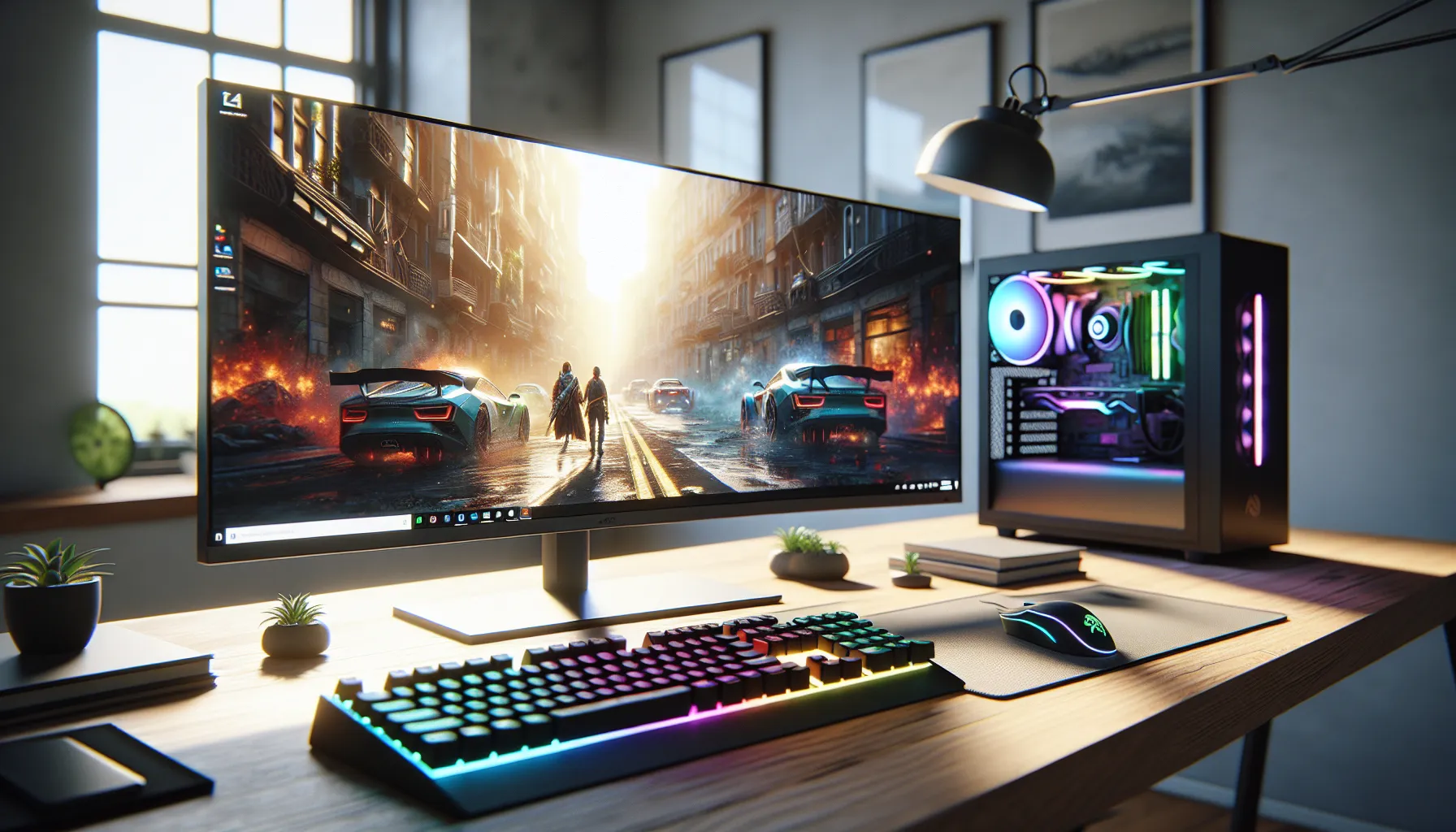
When we turn our attention to monitors and TVs, the significance of hertz becomes even clearer. Monitors meant for gaming may boast refresh rates reaching up to 240 Hz, while standard televisions usually operate at 60 Hz or 120 Hz. This difference plays a critical role in the types of activities we engage in.
Gaming Performance and Refresh Rates
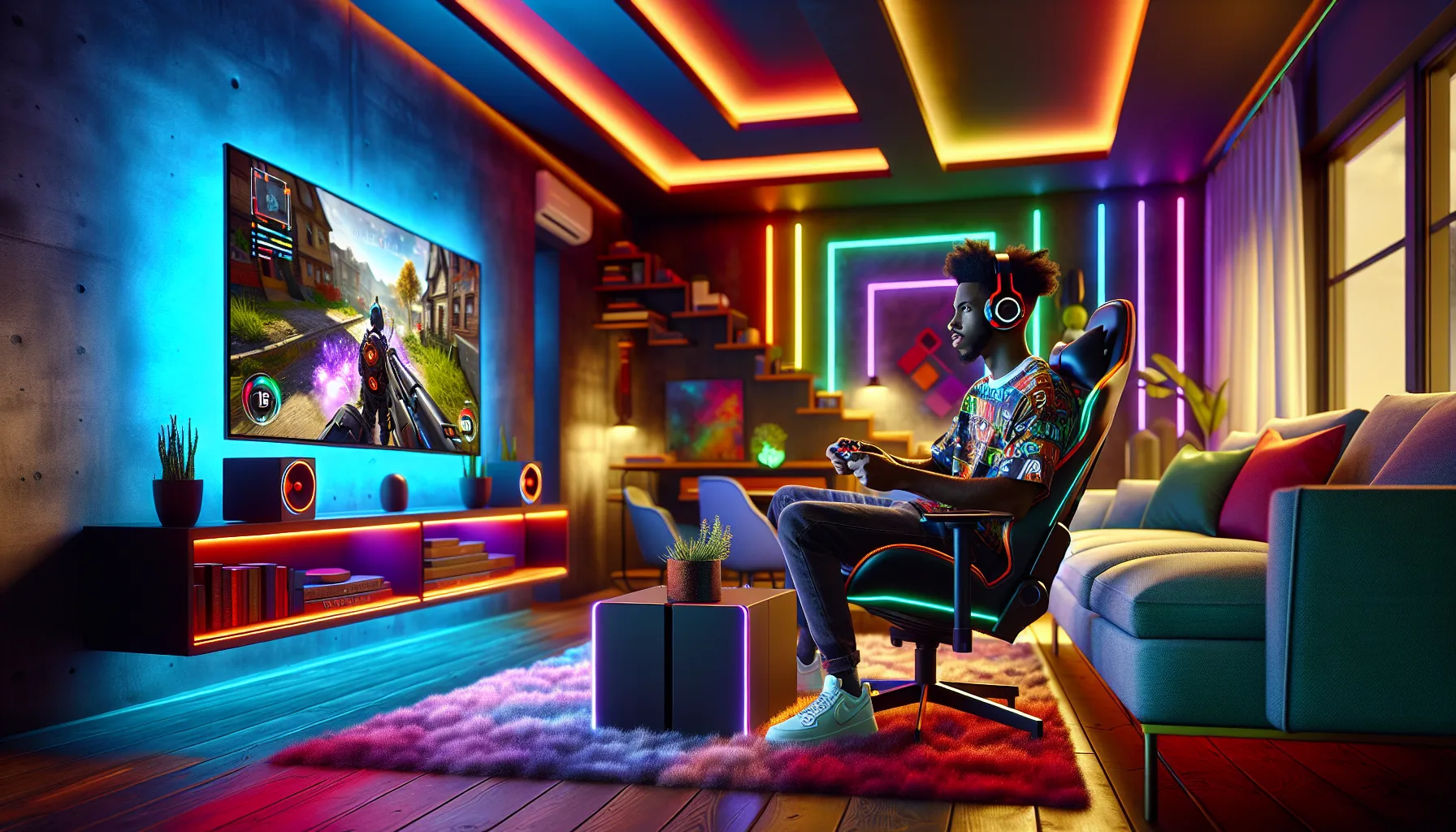
High refresh rates are particularly prominent in gaming contexts. Gamers know that a monitor with a higher refresh rate can display frames more smoothly, leading to a more immersive experience. With competitive gaming, even a slight edge can determine victory. In such cases, we find that opting for a monitor with a refresh rate of 144 Hz or higher often allows for smoother and more responsive gameplay. But does this always translate to a noticeable difference for casual gamers? Let’s consider the backdrop of our typical gaming scenarios.
The Impact of Hertz on Visual Experience
Moving into the heart of our discussion, we see how hertz affects our overall visual experience. As refresh rates increase, we might understandably expect our experiences to refine. But, this isn’t always the case.
Diminishing Returns: When More Hertz Doesn’t Matter
The concept of diminishing returns comes to play when we look at refresh rates beyond a certain point, such as 144 Hz or 240 Hz. Research suggests that while higher refresh rates lead to improvements in fluidity and responsiveness, the benefits may taper off after 144 Hz for most viewers. Our brains may not perceive differences beyond that range due to the limitations of human vision. Hence, we must ask ourselves whether investing in a monitor with an extremely high refresh rate is practical for our needs.
How To Choose the Right Refresh Rate for Your Needs
Finding the best refresh rate for our displays involves more than just numbers. It requires a thoughtful approach in determining our specific needs and preferences.
Practical Considerations for Selecting Displays
Usage Types: If we primarily use our monitors for basic tasks like browsing or office work, a refresh rate of 60 Hz may suffice. But, for gaming, especially first-person shooters where reaction time is paramount, 144 Hz or higher could enhance our experience.
Content Source: Ensure our content matches our display’s capabilities. Watching a 60 Hz movie on a 240 Hz display yields little benefit since the frame rate of the content dictates the experience.
Budget: Higher refresh rates tend to increase the price of displays. Balancing features and price points while analyzing our actual usage patterns is key to making a wise investment.
Conclusion
Eventually, the question of whether more hertz is better comes down to us as users. While higher refresh rates offer undeniable benefits, especially in gaming, we must evaluate their relevance based on our individual contexts and usage scenarios. Toward the end of the spectrum, it becomes apparent that more isn’t always better. Instead, knowing how to align our choices with our lifestyle and viewing habits helps us make more informed and satisfying decisions in selecting our displays. So the next time we’re upgrading, let’s think critically about our needs and let the numbers guide us, but not overwhelm us.
To provide the best experiences, we use technologies like cookies to store and/or access device information. Consenting to these technologies will allow us to process data such as browsing behaviour or unique IDs on this site. Not consenting or withdrawing consent, may adversely affect certain features and functions.
Functional
Always active
The technical storage or access is strictly necessary for the legitimate purpose of enabling the use of a specific service explicitly requested by the subscriber or user, or for the sole purpose of carrying out the transmission of a communication over an electronic communications network.
Preferences
The technical storage or access is necessary for the legitimate purpose of storing preferences that are not requested by the subscriber or user.
Statistics
The technical storage or access that is used exclusively for statistical purposes.The technical storage or access that is used exclusively for anonymous statistical purposes. Without a subpoena, voluntary compliance on the part of your Internet Service Provider, or additional records from a third party, information stored or retrieved for this purpose alone cannot usually be used to identify you.
Marketing
The technical storage or access is required to create user profiles to send advertising, or to track the user on a website or across several websites for similar marketing purposes.