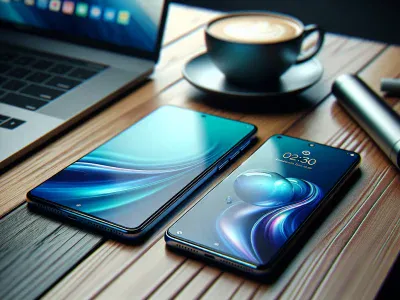
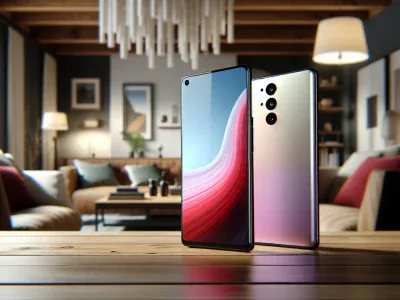
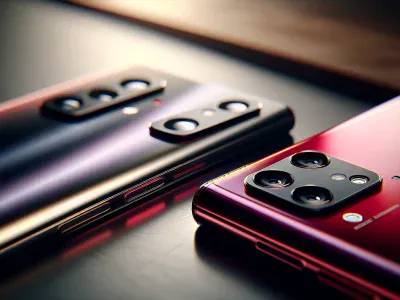
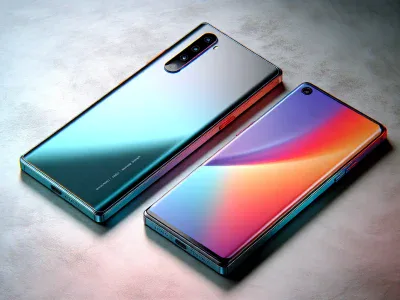
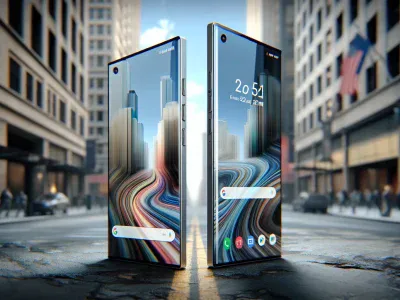
Choosing between the iPhone 16 and iPhone 16 Pro feels like standing in front of two doors, each leading to a world of cutting-edge innovation. Both promise sleek designs, powerful performance, and exciting features—but which one truly fits your needs? With Apple’s reputation for pushing boundaries, these devices may seem similar on the surface yet hide subtle differences that could redefine your smartphone experience.
Do you crave advanced photography tools or prefer a balance of premium features and practicality? The iPhone 16 series offers something for everyone, but understanding what sets the Pro apart is key to making the right choice. Whether you’re upgrading or diving into Apple’s ecosystem for the first time, this comparison will help you uncover which device aligns with your lifestyle. Let’s explore how these flagship models stack up against each other in design, performance, and value—so you can make an well-informed choice.
Design And Build Quality
The iPhone 16 and iPhone 16 Pro showcase distinct approaches to craftsmanship, reflecting their target audiences. While both models maintain Apple’s sleek aesthetic, differences in materials and dimensions set them apart.
Materials And Finish
The iPhone 16 combines aluminum edges with a glass back for a lightweight yet durable design. This choice appeals to users prioritizing affordability without compromising on style. The finish options include vibrant colors like blue, pink, and green.
In contrast, the iPhone 16 Pro employs surgical-grade stainless steel for its frame and textured matte glass on the back. These premium materials enhance durability but add weight. Its finishes—graphite, gold, silver, and deep purple—exude sophistication.
Size And Weight Differences
The physical dimensions of the two models differ slightly but impact usability significantly. For instance:
Model
Height (in)
Width (in)
Thickness (in)
Weight (oz)
iPhone 16
5.78
2.82
0.31
6.1
iPhone 16 Pro
5.81
2.85
0.32
7.3
Though marginally larger, the Pro feels denser due to its steel frame—a factor worth considering if portability is key for you or if extended one-handed use is common.
Display Comparison
The iPhone 16 and iPhone 16 Pro differ significantly in display specifications, offering distinct experiences tailored to diverse user preferences.
Screen Technology
The iPhone 16 uses a Super Retina XDR OLED display, delivering vibrant colors and deep blacks. Its screen measures 6.1 inches diagonally with a resolution of 2532 x 1170 pixels. This configuration suits everyday use, including streaming videos or browsing social media.
On the other hand, the iPhone 16 Pro features an advanced LTPO Super Retina XDR OLED panel. This technology improves energy efficiency while maintaining exceptional brightness levels. With the same diagonal size of 6.1 inches but enhanced color accuracy and HDR support, it appeals to users demanding superior visual quality for tasks like professional photo editing or immersive gaming.
Refresh Rate And Resolution
A key difference lies in refresh rates: the iPhone 16 offers a standard 60Hz refresh rate, ensuring smooth performance for casual activities but may lag behind during fast-paced gaming or scrolling-intensive apps. The iPhone 16 Pro surpasses this with its adaptive ProMotion technology supporting up to a buttery-smooth refresh rate of 120Hz, dynamically adjusting based on content needs.
While both models share similar resolutions (2532 x 1170), the Pro’s higher peak brightness of up to 2000 nits (outdoors) enhances visibility under direct sunlight compared to the base model’s maximum brightness of around ~1600 nits in HDR mode.
Performance And Hardware
The iPhone 16 and iPhone 16 Pro differ significantly in performance due to their hardware configurations. These differences cater to a range of user requirements, from casual tasks to intensive applications.
Processor And GPU
The iPhone 16 integrates the A17 Bionic chip with a hexa-core CPU and quad-core GPU, ensuring fast performance for everyday apps like messaging, streaming, or browsing. It’s optimized for energy efficiency, extending battery life during regular use.
In contrast, the iPhone 16 Pro features the more advanced A17 Pro chipset with an octa-core CPU and six-core GPU. This setup handles demanding activities such as professional video editing or high-end gaming. The inclusion of hardware-accelerated ray tracing further enhances graphics quality in compatible games and applications.
For example, while both models run graphic-intensive games like “Genshin Impact” smoothly, the Pro’s enhanced GPU ensures higher frame rates and better thermal management over extended periods. Users focused on multitasking or creative work may find this difference crucial.
RAM And Storage Options
The iPhone 16 comes with 6GB of LPDDR5 RAM paired with storage options of 128GB, 256GB, or 512GB. This configuration suits users who prioritize affordability without needing extensive multitasking capabilities.
On the other hand, the iPhone 16 Pro includes an upgraded 8GB LPDDR5X RAM for superior multitasking performance across apps like Photoshop and Final Cut Pro Mobile. Its storage variants—ranging from a base of 256GB up to an impressive maximum of 1TB—make it ideal for those managing large files or media libraries.
If you’re someone frequently capturing high-resolution photos or recording videos in ProRAW format using Apple’s camera ecosystem, opting for higher storage capacity on the Pro ensures smoother workflows without external drives becoming necessary.
Camera Capabilities
The iPhone 16 and iPhone 16 Pro showcase distinct camera advancements, each tailored to different user needs. Both models deliver impressive photography experiences but cater to varying levels of creativity and precision.
Rear Camera Setup
The iPhone 16 features a dual-camera system with a 48MP wide lens and a 12MP ultra-wide lens. This setup captures high-quality photos in diverse lighting conditions, making it ideal for casual photography or social media content. For example, the Night Mode ensures clarity in low-light environments, while Smart HDR enhances details across shadows and highlights.
On the other hand, the iPhone 16 Pro includes an advanced triple-camera system. It retains the same 48MP wide sensor but adds a dedicated telephoto lens with up to 3x optical zoom, enabling professional-grade portrait shots or distant subject capture. The Pro model also supports advanced computational photography techniques like Deep Fusion for texture refinement and Photonic Engine for enhanced color accuracy.
Both models support Cinematic Mode at up to 4K resolution; but, only the Pro allows recording in Apple’s ProRes format. This feature is crucial for users involved in video production who require higher editing flexibility post-capture.
Front Camera Features
The front camera on both devices uses a TrueDepth system with a resolution of 12MP, supporting key features like Portrait Mode and Night Mode selfies. With autofocus capabilities included on both cameras, you can achieve crisp images regardless of your shooting angle or distance from the subject.
For those selecting between these models based on vlogging or live streaming needs: iPhone 16 offers reliable performance suitable for everyday creators. Meanwhile, iPhone 16 Pro takes things further by incorporating LiDAR Scanner-assisted depth sensing into its front-facing camera array—perfectly aligning with AR applications or low-light scenarios requiring precise focus adjustments.
Battery Life And Charging
Battery performance and charging technology significantly impact your daily experience with a smartphone, making these aspects critical when comparing the iPhone 16 and iPhone 16 Pro.
Battery Capacity
The iPhone 16 includes a battery capacity estimated at 3,200mAh. This size supports typical daily activities like browsing, streaming, and social media usage. On the other hand, the iPhone 16 Pro features a slightly larger battery of approximately 3,500mAh. The additional capacity accommodates its more power-intensive features such as the advanced LTPO display and A17 Pro chipset.
Both models deliver all-day battery life under standard conditions. But, heavy users—those gaming or recording high-resolution videos—may notice quicker depletion on the base model compared to the Pro version.
Charging Speeds And Features
Charging speeds differ slightly between these devices due to supported technologies. Both support wired fast charging at up to 20W using USB-C adapters but expect marginally faster results on the iPhone 16 Pro due to optimized energy management systems integrated with its A17 Pro chip.
Wireless charging compatibility remains consistent across both models through MagSafe (15W) and Qi standards (7.5W). The Pro adds reverse wireless charging functionality for accessories like AirPods or Apple Watch when you’re without dedicated chargers—a feature unavailable on the standard variant.
Software Experience
iOS Features
Both the iPhone 16 and iPhone 16 Pro run on iOS 17, delivering a cohesive user experience. Core features like Live Activities, customizable lock screens, and enhanced focus modes are available across both models. Widgets offer real-time updates directly from your home screen or lock screen, ensuring you stay informed without opening apps.
Shared capabilities include advanced privacy tools such as App Tracking Transparency and Safari’s Intelligent Tracking Prevention. New additions like StandBy mode provide a glanceable interface when charging in landscape orientation. Universal Control integrates seamlessly with other Apple devices, allowing effortless transitions between your MacBook or iPad.
But, multitasking feels different due to hardware variations; for example, the Pro’s higher RAM capacity makes switching between complex apps faster during intensive workflows.
Exclusive Software Enhancements
The iPhone 16 Pro introduces exclusive software optimizations tailored to its robust hardware. For instance, only the Pro supports Apple’s Xcode Cloud integration for developers testing app builds directly on their device. Advanced video editing tools leverage the A17 Pro chip alongside support for features like real-time Dolby Vision grading.
ProMotion technology enhances system animations dynamically up to 120Hz refresh rates—missing from the base model—which improves fluidity while scrolling through long webpages or navigating menus. Also, some camera-related functionalities like extended night mode processing times benefit photographers capturing low-light scenes at professional quality levels.
Pricing And Value
Pricing plays a significant role when deciding between the iPhone 16 and the iPhone 16 Pro. Understanding the cost difference helps evaluate their overall value based on your usage needs.
Base Models Price
The iPhone 16 starts at $799 for the 128GB storage variant, making it an accessible choice for most users. It offers essential features like a powerful A17 Bionic chip, capable dual cameras, and vibrant color options. For those seeking higher storage, prices increase to $899 for 256GB and $1,099 for 512GB.
If you’re upgrading from an older device or switching to Apple for the first time, this model balances affordability with performance. Its pricing appeals to casual users focused on basic tasks like browsing, social media, or streaming content without requiring pro-level capabilities.
Pro Model Premium
The iPhone 16 Pro begins at a premium price of $1,099 with 256GB of storage. The additional cost reflects its advanced hardware and exclusive features such as the A17 Pro chipset and triple-camera system with telephoto zoom capability. Storage upgrades cost more—$1,299 for 512GB and $1,499 for a massive 1TB option.
This model targets professionals or enthusiasts who prioritize high-performance tools like ProRAW photo capture or intensive gaming supported by ray-tracing graphics. If you work in creative fields or need extensive storage capacity for professional projects, investing in this premium device can justify its higher price point over time through enhanced productivity and feature set advantages.
Conclusion
Choosing between the iPhone 16 and iPhone 16 Pro eventually comes down to your priorities and how you use your smartphone. Both models deliver impressive performance, cutting-edge design, and access to Apple’s ecosystem, but they cater to different needs.
If affordability and a balance of style and functionality are what you’re after, the iPhone 16 is an excellent option. On the other hand, if you’re seeking top-tier features for professional use or enhanced capabilities in photography, gaming, or productivity, investing in the iPhone 16 Pro could be worth it.
By understanding what matters most to you—whether it’s build quality, display technology, camera versatility, or storage capacity—you can confidently choose the model that aligns with your lifestyle.
Published: July 25, 2025 at 9:29 am by Ellie B, Site owner & Publisher
To provide the best experiences, we use technologies like cookies to store and/or access device information. Consenting to these technologies will allow us to process data such as browsing behaviour or unique IDs on this site. Not consenting or withdrawing consent, may adversely affect certain features and functions.
Functional
Always active
The technical storage or access is strictly necessary for the legitimate purpose of enabling the use of a specific service explicitly requested by the subscriber or user, or for the sole purpose of carrying out the transmission of a communication over an electronic communications network.
Preferences
The technical storage or access is necessary for the legitimate purpose of storing preferences that are not requested by the subscriber or user.
Statistics
The technical storage or access that is used exclusively for statistical purposes.The technical storage or access that is used exclusively for anonymous statistical purposes. Without a subpoena, voluntary compliance on the part of your Internet Service Provider, or additional records from a third party, information stored or retrieved for this purpose alone cannot usually be used to identify you.
Marketing
The technical storage or access is required to create user profiles to send advertising, or to track the user on a website or across several websites for similar marketing purposes.