How To Tell Rat From Mouse
In a world buzzing with chatter, the uninvited presence of rodents can spark intrigue and concern. Imagine stepping into your kitchen to find that the food you left out has been nibbled on overnight. Is it a rat or a mouse that has invaded your space? Understanding the differences between these two creatures is more than a matter of curiosity: it can directly influence how we handle pest control and ensure a safe environment in our homes or workplaces. With distinct characteristics and behaviors, we can learn to identify whether we’re dealing with a rat or a mouse — knowledge that may help us act effectively.
Understanding the Basic Differences
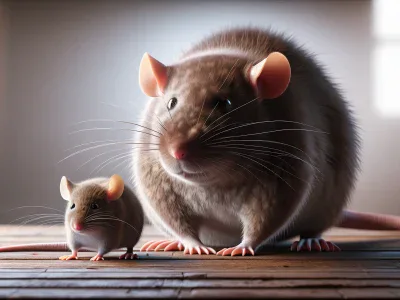
The first step in distinguishing a rat from a mouse lies in recognizing their fundamental differences. Rats are generally larger, with bodies that can range from 9 to 12 inches long, not including their tails. They also possess thicker, more robust bodies. Mice typically measure around 3 to 4 inches long, making them smaller and easier to overlook unless we are paying close attention. Their tails also vary significantly: while a rat’s tail is thick and scaly, a mouse’s tail is long and thin, covered with fine hair. This basic understanding equips us to identify these two rodents at a glance. The ability to distinguish between animals that look superficially similar is a skill that extends well beyond pest control — our guide on how to tell alligator from crocodile applies the same observational approach to two of nature’s most impressive reptiles.
Physical Characteristics

When we examine physical characteristics more closely, we notice a range of differences that can be telling. Rats feature a broad, blunt snout, whereas mice have a pointed snout. Rats also have larger ears in proportion to their heads compared to mice, whose ears are relatively smaller and more delicate-looking. The eyes of rats tend to be smaller in relation to their head size, while mice have larger, more prominent eyes, giving them a curious appearance. These visual cues can be the fastest way to identify which rodent we are dealing with — the same close-up attention to size and shape that helps you tell nits from dandruff applies here, where small differences in appearance make all the difference.
Behavioral Differences

Another core aspect to consider is behaviour. Rats are known for their intelligence — they are often more cautious and more wary of new items in their environment, which makes trapping them a bit of a challenge. Mice, while also intelligent, tend to exhibit more exploratory behaviour. They are curious creatures and may come out even when we’re nearby, which can sometimes work to our advantage when assessing our rodent visitors. Rats are also social animals, often living in larger colonies, while mice prefer more solitary living arrangements.
Habitat and Nesting Habits

Understanding their habitats and nesting habits is crucial for effective pest management. Rats generally prefer outdoor habitats where they can burrow or create nests in the ground, but are also comfortable indoors — particularly in basements or attics near food and water sources. Mice are much more inclined to nest indoors, often within wall cavities or behind appliances where it’s warm and secluded. Droppings also provide clues: rat droppings are larger and more cylindrical, while mouse droppings are small and more pointed.
Common Species Comparisons

The most familiar species of rats include the Norway rat and the roof rat, each with unique behaviors and habits. Norway rats are burrowers favouring ground-level nests, while roof rats prefer higher locations. The house mouse is the most common mouse species, found frequently in close proximity to humans. Knowing these species and their traits helps prepare us for specific behaviours and management techniques. For anyone keeping animals at home, the ability to read physical characteristics is equally important — our article on how to tell female from male kittens shows how to apply careful physical observation to identify sex in young cats. The same careful eye is also useful when learning how to tell a hen from a rooster, where subtle body shape and behavioural cues are the key identifiers.
Health Risks and Pest Control
Beyond identification lies the critical aspect of health and pest control. Rats are known carriers of numerous diseases, including leptospirosis and hantavirus, which pose significant risks to humans. Mice can also spread illnesses like salmonella through unsanitary droppings. It’s also worth noting that rodent exposure can trigger respiratory and immune symptoms that are easily confused with seasonal illness — our guide on how to tell allergies from a cold can help you identify whether your symptoms have an environmental cause. When tackling a rodent problem, snap traps are effective for both species, but placement and bait selection should be guided by the specific rodent type.
When to Seek Professional Help
While some rodent problems can be managed with DIY methods, there are times when calling in the professionals is the best option. If we notice signs of a larger infestation or feel uncomfortable dealing with the issue ourselves, a pest control expert can provide the necessary assistance. If we are unsure whether we’re dealing with rats or mice, professional insight can clarify the situation quickly.
Conclusion
Knowing how to tell rats from mice is essential for maintaining a safe and healthy environment. From understanding their physical traits to recognising their behaviours and nesting habits, each element plays a crucial role in effective pest control. As we navigate this knowledge, we’re empowered to make informed decisions about how to handle our rodent visitors, ensuring a peaceful coexistence in our homes and workplaces.

- Olive Oil Alternatives: When Olive Oil Is the Wrong Tool, and What to Use Instead - March 23, 2026
- The Difference Between Bridge and Whist: How to Tell Them Apart Fast for Parents - March 23, 2026
- Best Substitute for Sherry Vinegar - March 23, 2026
by Ellie B, Site Owner / Publisher