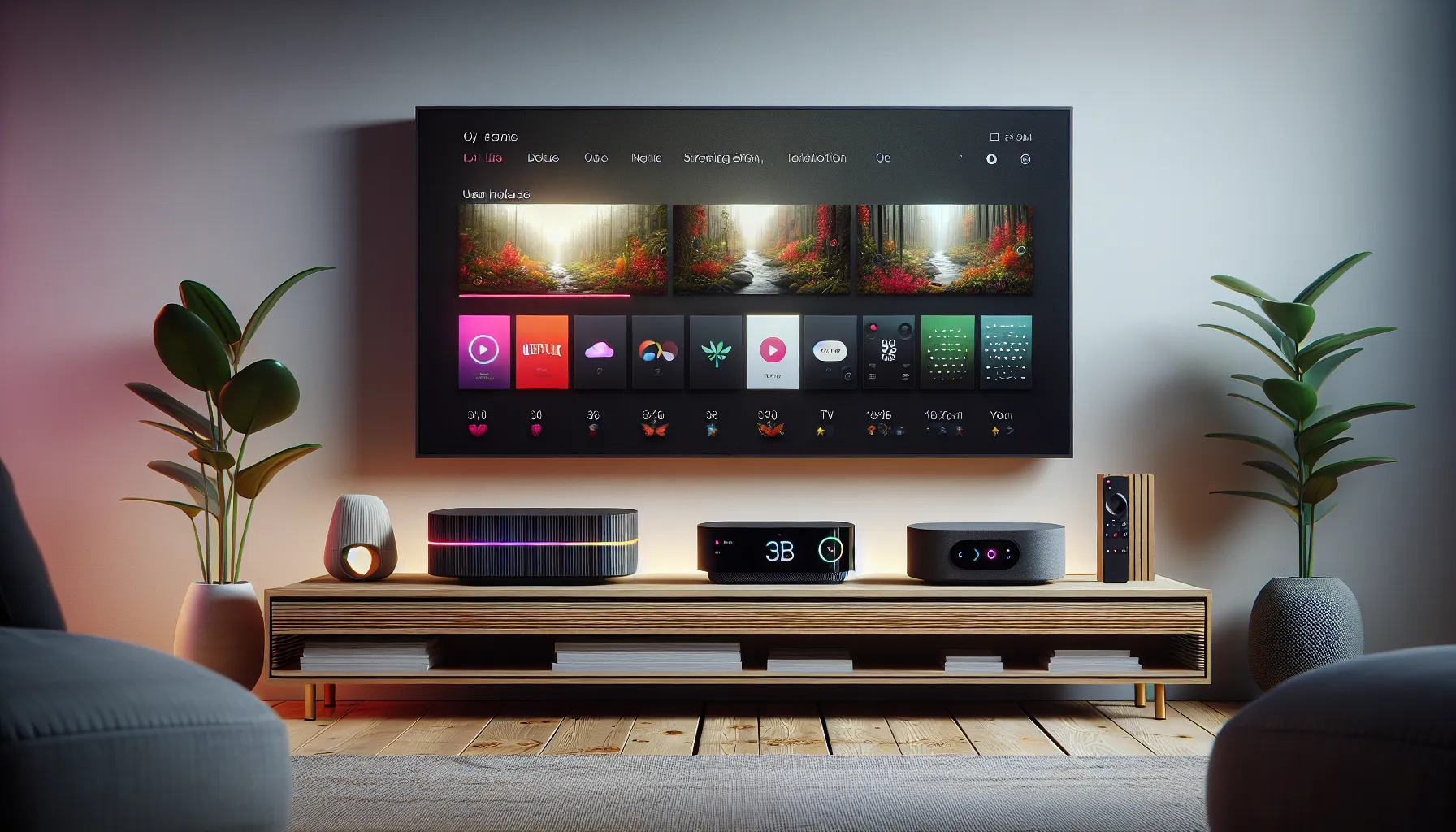
When exploring the options for enhancing your home entertainment system, streaming devices like Roku and Apple TV often emerge as frontrunners. These devices serve as gateways to a vast array of online content, enabling you to transform your television into a versatile entertainment hub. But, understanding their hardware differences is essential in determining which one aligns better with your preferences and requirements. Let’s investigate into the specifics to help you make an informed choice.
Overview of Streaming Device Hardware
Understanding the Role of Streaming Devices
Streaming devices help the seamless delivery of digital content from online services to your television. They bridge the gap between your standard TV and today’s advanced viewing experiences, offering access to multiple streaming platforms and interactive features.
Features That Define Hardware Capabilities
The performance of streaming devices heavily relies on their hardware specifications. Factors such as processing power, connectivity options, and storage capabilities determine the speed, usability, and overall functionality of these devices.
Roku Hardware Features
Device Models and Variations
Roku offers a diverse range of devices, from compact streaming sticks to robust streaming boxes, catering to various budgets and requirements.
Design and Build Quality
Roku devices often feature minimalistic designs, focusing on compactness and user-friendliness, ensuring easy installation and integration with your setup.
Internal Hardware Specifications
Roku devices usually incorporate efficient processors that handle high-definition streaming effectively, providing smooth playback without lags.
Apple TV Hardware Features
Device Models and Variations
Apple TV also presents several models aimed at different use cases, from streaming to gaming, offering consistent support for the latest technologies.
Design and Build Quality
These devices typically feature premium build materials and a sleek, modern aesthetic, complementing various interior styles.
Internal Hardware Specifications
Apple TV models are known for their powerful hardware, such as advanced processors, enabling capabilities like gaming and seamless integration with other Apple products.
Comparing Roku and Apple TV Hardware
Performance and Processing Power
While Roku focuses on stable streaming for a broad audience, Apple TV’s robust hardware grants it notable advantages in gaming and multitasking scenarios.
Storage and Expandability
Roku typically doesn’t feature internal storage due to its focus on streaming, whereas Apple TV offers moderate storage capacities suitable for its expanded functionalities.
Connectivity and Integration
Roku supports a wide range of connectivity options to maximize compatibility. Apple TV, but, excels in integration, particularly with the Apple ecosystem.
Choosing the Right Device for Your Needs
Factors to Consider When Selecting
Assess your primary uses, whether streaming, gaming, or ecosystem compatibility, to choose the device that aligns with your lifestyle.
Use Cases for Roku and Apple TV
Roku suits users seeking accessible, straightforward streaming solutions, while Apple TV caters to those desiring high-end features and ecosystem inclusion.
To provide the best experiences, we use technologies like cookies to store and/or access device information. Consenting to these technologies will allow us to process data such as browsing behaviour or unique IDs on this site. Not consenting or withdrawing consent, may adversely affect certain features and functions.
Functional
Always active
The technical storage or access is strictly necessary for the legitimate purpose of enabling the use of a specific service explicitly requested by the subscriber or user, or for the sole purpose of carrying out the transmission of a communication over an electronic communications network.
Preferences
The technical storage or access is necessary for the legitimate purpose of storing preferences that are not requested by the subscriber or user.
Statistics
The technical storage or access that is used exclusively for statistical purposes.The technical storage or access that is used exclusively for anonymous statistical purposes. Without a subpoena, voluntary compliance on the part of your Internet Service Provider, or additional records from a third party, information stored or retrieved for this purpose alone cannot usually be used to identify you.
Marketing
The technical storage or access is required to create user profiles to send advertising, or to track the user on a website or across several websites for similar marketing purposes.