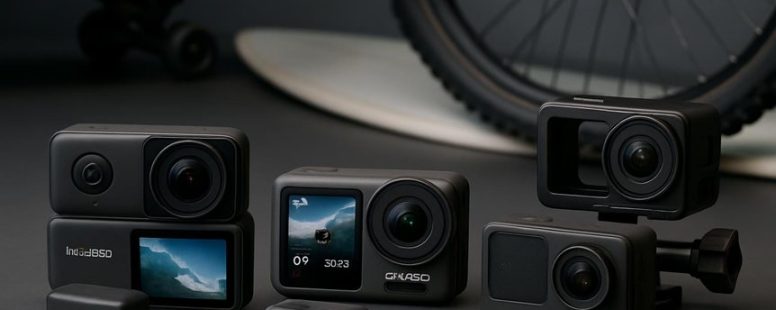
Tired of shelling out a fortune for action cameras that often feel like a luxury you don’t need? Imagine capturing adrenaline-pumping moments with crisp 4K footage, waterproof confidence, and stabilization that keeps your shots steady as a rock—without draining your wallet.
These budget-friendly alternatives can surprise you with features that rival top-tier brands, sometimes offering a hidden gem like extended battery life or versatile mounting options. While they may lack some premium extras, they deliver an exhilarating experience that turns every splash, jump, or roar into a vivid memory—proving you don’t have to break the bank to chase the adventure.
What Should I Look for in a Budget Action Camera?
When shopping for a budget action camera, the most important thing to know is what features matter most for good quality videos and photos. A good budget camera should have versatile shooting modes, so you can switch between options like time-lapse or slow motion easily. It should also have decent image stabilization to keep your videos smooth even when you are moving fast, like riding a bike or jumping off a cliff.
Another key point is resolution. Look for a camera that can shoot at least in 1080p HD. Some cheaper cameras might only shoot in lower quality, which can make your videos look blurry. Brands like Akaso and Yi make affordable cameras that are popular among beginners for their good picture quality.
Accessory compatibility is also very important. Check if the camera can fit with common mounts, cases, or even external microphones. This helps you get creative and customize your setup. For example, if you want to attach your camera to your helmet or bike, make sure it has the right mounts.
Battery life can be a tricky part with budget cameras. Some last only 30 to 60 minutes of recording. If you plan on recording for a long time, consider getting extra batteries or a power bank. Also, look for a camera that is easy to use. If the controls are confusing or hard to operate, it can ruin the fun.
Some people prefer small, lightweight cameras for easy carrying, while others might want something more durable that can handle water or shocks. Keep in mind that cheaper cameras might not be as tough or waterproof without extra cases.
How Durable and Waterproof Are Affordable Action Cameras?
Affordable action cameras can be both durable and waterproof, but how well they hold up depends on the brand and model. Many claim to be waterproof, but some only pass basic tests. For example, a camera might survive a quick splash but not a full submersion. It’s smart to read real user reviews to see if they really stand up to water over time.
Drop resistance is another thing to consider. Some models have tough bodies or come with special cases that help protect them if they fall. If you plan on using the camera in rough places, look for one that can handle drops. Keep in mind, even the best camera can break if it’s not handled carefully.
Build quality also matters. Cameras made with stronger materials usually last longer. But even a well-made camera can break if you drop it or expose it to water too often. So, always read feedback from other users to see if a camera’s durable in real life.
In short, a camera’s durability depends on how it’s built and how you treat it. Some affordable options are surprisingly tough, but they are not invincible. Always check reviews and think about your activity level before choosing a camera.
What Features Make a Budget Camera Stand Out?
A budget camera’s features that stand out are durability and image stabilization. Durability means the camera can handle rough conditions like drops, dust, or rain without breaking. For example, some models from GoPro or DJI are known for being tough, which is helpful if you want to take your camera on outdoor adventures. Image stabilization is a feature that keeps your footage smooth, even if you are moving fast or riding bumpy roads. This is useful when recording action sports or travel videos because shaky footage can be hard to watch.
However, some budget cameras might not have the best stabilization or durability features. For instance, cheaper models may break easier or have shaky video. You should check reviews and compare brands like Akaso or Yi to see which ones offer the best balance between price and quality. If you want a camera that lasts longer and gives clear, steady videos, look for those with good build quality and image stabilization. These features can make a big difference, especially if you want to shoot outdoors or while doing activities.
Durability and Build Quality
Durability and build quality are key when choosing a budget camera, especially if you plan to use it outside or in tough conditions. A good budget camera should be made with strong materials that can take a beating. It should also be resistant to shocks so it doesn’t break if you drop it. Here are some important points to think about:
Material Quality – Look for cameras made with tough plastic or metal like aluminum. These materials help the camera last longer. For example, some brands like GoPro use sturdy plastic that can handle rough use.
Shock Resistance – Check if the camera has features that protect it from impacts. Some cameras are built with a shockproof case or special designs to absorb shocks. This can save your camera if it falls.
Waterproofing – Many budget cameras are water resistant or come with waterproof cases. This helps them survive rain, splashes, or even submersion in water.
Some people worry that cheaper cameras are not tough enough. That can be true if you buy low-quality brands. But some budget models, like the Olympus Tough series, are designed to be very durable. Keep in mind, though, that no camera can be completely indestructible. If you use it in very rough places, always check these features first.
Image Stabilization Features
Image stabilization makes your videos look smooth and clear. It is especially helpful when you are moving or filming in shaky conditions. Good stabilization reduces blurriness and jitters that can ruin action shots. When choosing a budget camera, look for features like electronic stabilization (EIS) or optical stabilization (OIS). These features work behind the scenes to keep your footage steady, even when you move quickly. Some cameras also have advanced stabilization that analyzes motion and adjusts in real time. This helps make your videos look professional without needing extra equipment. The better the stabilization, the less you will have to fix shaky footage later. For scenes with lots of action, reliable stabilization is very important. It helps you get clear, steady videos that look great and are easier to watch.
How Good Is the Image Quality of Affordable Action Cameras?
Affordable action cameras offer surprisingly good image quality for most casual users. They often shoot in 4K resolution, which means you get sharp and detailed videos. This makes them great for sharing on social media or watching on small screens. However, some budget models may struggle in low light, resulting in grainy or blurry footage.
Color accuracy has also improved a lot. Cameras like the GoPro Hero models or DJI Osmo Action produce vibrant images that look natural even in tough lighting. This helps your videos seem more lively and engaging without needing extra editing.
When comparing affordable cameras, higher resolution helps make up for lower sensor quality. So even if the camera’s sensor isn’t the best, the high resolution can still give you clear footage. But it’s worth remembering that quality can vary. Some cheaper models may have less stable image stabilization, causing shaky videos during action shots.
Overall, these cameras are a good choice if you want decent footage without spending a lot. They are perfect for outdoor adventures, family trips, or sports. Just keep in mind that in very dark places, their image quality might not be as good. For better low-light videos, you might need to spend more on higher-end cameras.
In the end, affordable action cameras are improving fast. They now give most users enough quality for everyday fun and sharing. But if you need professional-grade footage, you might want to look at more expensive options.
Are Budget Action Cameras Easy to Use and Connect?
Budget action cameras are easy to use and connect. For many people, setup is quick and simple. You just turn the camera on and follow a few quick steps to get it ready. Connecting it to your phone or remote is usually straightforward too. Many brands like Akaso and Dragon Touch make cameras with features that pair with your phone in seconds. This means you can start recording your adventures without wasting time on complicated menus.
Some people worry that cheaper cameras might be hard to use. That can be true with very old or poorly made models. But most budget options today are designed to be user-friendly. Their screens are clear, and buttons are easy to press. For example, the GoPro Hero7 Silver, though a bit more expensive, is known for its simple setup and quick connection.
However, there are limits. Not all budget cameras have great wireless features. Some might take longer to connect or need more steps. If you want a camera for quick outdoor fun, it’s best to choose one with good reviews about its connection speed. So, if you want a camera that’s easy to start using, look for one with clear instructions and good wireless features. That way, your focus can stay on capturing your adventures, not fighting with the device.
Simple Setup Processes
Simple Setup Processes
Most budget action cameras are easy to set up, even if they seem complicated at first. They are made so you can start filming quickly, whether for fun or capturing adventures. Here are three main points to know:
Clear Instructions: Many cameras come with simple guides that walk you through the setup step by step. This makes it easy for anyone to get started without confusion. For example, brands like Akaso and Dragon Touch often include quick-start guides that help you get your camera working in minutes.
App Connection: Most action cameras connect fast to smartphone apps. This helps you change settings, see live previews, and control the camera from your phone. For instance, the GoPro Hero series and Yi Action Cameras are popular because their apps work well with most phones and are easy to use.
Accessory Support: These cameras usually work with many mounts and accessories. You can attach them to helmets, bikes, or tripods without hassle. Just remember, some cheaper models might not support all accessories, so check compatibility before buying.
While these features make setup simple, some models may still have small issues. For example, app connection can sometimes be slow or tricky if your phone is outdated. Also, not all accessories fit every camera, so you might need to buy specific mounts. Overall, most budget action cameras are designed to get you filming with minimal fuss.
Seamless Device Pairing
Seamless device pairing means connecting your camera with your phone or remote easily and quickly. Most budget action cameras now focus on making this process simple. They use wireless connections like Bluetooth or Wi-Fi to help you get started fast. For example, many cameras let you turn on Bluetooth, pick the camera from your phone’s list of devices, and confirm the connection in just a few seconds. Some cameras even support Wi-Fi, which can make transferring videos faster and allow you to stream live footage remotely.
There are two main ways to connect. Bluetooth is common and easy to use, but it might take longer to transfer large files. Wi-Fi is faster and better for streaming or sharing videos, but it can be a little more complicated to set up the first time.
Some people might worry about the connection dropping or the pairing process being confusing. For example, if your camera isn’t close enough or if there are many Bluetooth devices nearby, it might take longer or not connect at all. It’s good to check the camera’s instructions and keep your devices close when pairing.
User-Friendly Interface
A user-friendly interface is one of the best features to look for in budget action cameras. It makes it easier for anyone to use, especially if you are not familiar with technology. Simple menus and clear icons help you understand how to control the camera. This means you can quickly start recording or take photos without wasting time trying to figure things out.
Here are three main benefits:
Quick to Learn – You can start using the camera right away without needing a long instruction manual. This is helpful if you want to capture a moment fast, like during a hike or a family trip.
Easy to Connect – Pairing the camera with your smartphone or other accessories is smooth. For example, some cameras have a one-click connection to your phone, so you can see what you are recording and share videos easily.
Simple Settings – Adjusting options like resolution or frame rate is straightforward. You don’t have to be tech-savvy to change settings and make your footage look just right.
Some people worry that simple menus might limit options, but many budget cameras still offer enough features for most users. Be aware that very basic models may not have advanced controls, which could be a problem if you want more professional footage.
How Long Do Battery and Storage Last on a Budget Action Camera?
Battery life on budget action cameras usually lasts between 60 and 120 minutes of recording. This means you can film for about an hour to two hours before needing to recharge. If you record in higher resolutions like 4K or set a high frame rate, your battery will drain faster. For example, some cheaper models may only last around an hour when filming in 4K. So, if you plan long adventures, bringing extra batteries is a good idea.
Storage capacity is just as key as battery life. Most budget cameras use microSD cards, often supporting 32GB to 128GB. If you like recording long videos or in high quality, you’ll want bigger cards or extra ones ready. For example, a 64GB card can store around 2 hours of 4K footage, but that depends on how you set your camera. Some people prefer to carry multiple cards to avoid running out of space during a trip. Keep in mind, cheap cameras may not support very large cards, so check before buying.
Balancing battery and storage helps you capture all your adventures smoothly. If your camera has short battery life, plan to carry spare batteries. If storage is limited, bring extra cards or lower your video quality to save space. Both factors are important to make sure you don’t miss any fun moments because of technical limits.
Can Cheap Action Cameras Handle Extreme Conditions?
Cheap action cameras can handle some tough conditions, but they might not last as long or work as well as pricier models. For example, a camera from brands like Akaso or Yi Sports might be good for casual use, but if you plan to take it mountain biking or underwater, it might not hold up. Cheaper cameras often use cheaper materials, so they might crack or stop working if dropped or exposed to extreme heat or cold.
On the other hand, some affordable cameras are made with water-resistant cases and shockproof designs. These can survive splashes and light falls. For example, the Akaso Brave 7 LE is often praised for its durability and decent video quality in outdoor activities. But, even with these features, they might not perform well in very extreme environments like high-altitude climbs or deep dives. They might lose battery faster or have trouble with freezing temperatures.
Some people say that if you want a camera to stand up to extreme conditions, you should spend more money on a well-known brand like GoPro. These cameras are tested to handle rough use and harsh weather. However, if you are just starting out or only need a camera for casual adventures, a cheap action camera might be enough.
Durability Under Pressure
Durability Under Pressure
Durability under pressure means how well an action camera can handle tough conditions like high pressure or impacts. If you plan to take your camera on extreme adventures, it needs to survive rough handling. Here are three important things to look for:
Build Quality: The camera should have a strong, reinforced case. For example, GoPro models like the Hero 10 are built with tough shells that protect against damage when dropped or squeezed. Without a solid case, the camera can crack or break easily.
Material Strength: The materials used in the camera matter a lot. Durable plastics and metals help absorb shocks and resist bending or deforming under pressure. Cameras made with high-quality materials tend to last longer in harsh conditions.
Design Features: Features like waterproof bodies and secure mounts make a big difference. If the camera is sealed tight and has sturdy mounts, it is less likely to fail during heavy impacts or when submerged in water. For example, many action cameras come with waterproof housings that allow diving without worry.
Some budget cameras claim to be tough, but their durability might not be enough for serious activities. Always read reviews and check pressure resistance ratings before buying. For example, a camera rated for 30 meters underwater might not handle a heavy fall from a boat. Remember, if you want reliable footage during extreme sports or adventures, choose a camera designed for pressure – not just one that looks tough.
In short, a camera with good build quality, strong materials, and smart design features can survive tough conditions and help you capture clear action shots without worry.
Performance in Harsh Environments
Cheap action cameras may seem like a good deal, but they often don’t work well in tough conditions. If you are mountain biking on rocky trails or filming underwater, you need a camera that is reliable. Cheaper models usually struggle with shocks, big temperature changes, or water pressure. This can cause blurry videos or even break the camera.
For underwater use, water resistance is very important. But many cheap cameras only have basic waterproofing that might fail in deep water or after long use. I have tested some low-cost cameras in these tough environments. The results were not good. They might be fine for casual videos, but if you want clear and steady footage in harsh conditions, it is better to buy a more durable model.
Some brands like GoPro and Akaso make action cameras that are stronger and better suited for extreme activities. Keep in mind, though, that these tend to cost more. If you are serious about filming in difficult environments, investing in a high-quality camera can save you money and frustration in the long run.
What Do User Reviews Say About Top Budget Action Cameras?
User reviews say that top budget action cameras are surprisingly good for their price. Many people find they work well for casual adventures like biking, hiking, or skateboarding. Reviews often mention that these cameras give solid results without costing a lot.
Reviewers say these cameras are durable and can handle rough conditions. They stand up to drops, splashes, and dirt, making them great for outdoor fun. Many users also say the picture quality is better than they expected for a budget camera. The videos are clear enough to watch and share.
People also like how easy these cameras are to use. Their simple menus and small buttons make them good for beginners. Some users say they set up the camera and start filming in minutes.
However, budget action cameras do have limits. They might not have all the fancy features like high-end models or 4K video resolution. Some reviews mention that low-light filming and stabilization can be weaker. So, if you want the best quality for professional projects, a more expensive camera might be needed.
Which Affordable Action Cameras Offer the Best Performance for the Price?
Affordable action cameras that give you the best performance for the price are a great choice for anyone who wants to record their adventures without spending a lot. The key factors to compare are image quality, stabilization, battery life, durability, and accessory options.
The Akaso Brave 7 LE is a top pick for budget buyers. It takes clear videos and photos, even in bright or low light. Its stabilization works well to keep footage steady, which is important if you’re moving around a lot. The battery lasts long enough for a day of fun, and it works with many accessories, so you can customize it easily. This camera is a good choice if you want reliable performance without a high price tag.
Another popular option is the DJI Osmo Action. It comes from a well-known brand known for quality camera gear. The video quality is sharp, and the build feels sturdy. Even though it costs a little more than the Akaso, it often delivers better overall performance. It’s a good pick if you want a camera you can count on to handle tough conditions and produce great footage.
Both cameras are reliable, but they have some limits. For example, the Akaso Brave 7 LE may not have as many advanced features as pricier models. The DJI Osmo Action is a little more expensive but might be worth it if you need extra durability and video quality.
In short, if you want the best value, these two models are worth considering. They give you solid results for a lower cost, making them a good choice for beginners and experienced adventurers alike.
Tips for Choosing the Right Budget Action Camera for Your Adventures
Choosing a budget action camera depends on what kind of adventures you plan to film and what features matter most to you. Think about how you will use the camera and if accessories like mounts or waterproof cases are needed. Also, consider if the camera’s filming options match your style of shooting.
Here are three simple tips to help you pick the right one:
Focus on image quality and stabilization. Clear, steady footage makes your videos look good, even if you’re moving fast or hitting rough terrain. For example, brands like GoPro or Akaso offer good stabilization for the price.
Check if the camera works with the accessories you might want. Some cameras fit standard mounts, making it easier to attach to helmets, bikes, or surfboards. Be sure to see if extra batteries or waterproof cases are available too.
Make sure the camera is easy to use and has settings you can change. If you want to get creative with slow motion or different angles, a camera with simple controls and adjustable options is better. Some models even come with beginner-friendly modes for quick filming.
Knowing what kind of adventures you do most often and what editing options you want helps you find a camera that fits your goals. Remember, a good budget camera can grow with you as your filming skills improve, but it might not have every feature of high-end models. So, think about what features are most important for your adventures and be ready to upgrade later if needed.
To provide the best experiences, we use technologies like cookies to store and/or access device information. Consenting to these technologies will allow us to process data such as browsing behaviour or unique IDs on this site. Not consenting or withdrawing consent, may adversely affect certain features and functions.
Functional
Always active
The technical storage or access is strictly necessary for the legitimate purpose of enabling the use of a specific service explicitly requested by the subscriber or user, or for the sole purpose of carrying out the transmission of a communication over an electronic communications network.
Preferences
The technical storage or access is necessary for the legitimate purpose of storing preferences that are not requested by the subscriber or user.
Statistics
The technical storage or access that is used exclusively for statistical purposes.The technical storage or access that is used exclusively for anonymous statistical purposes. Without a subpoena, voluntary compliance on the part of your Internet Service Provider, or additional records from a third party, information stored or retrieved for this purpose alone cannot usually be used to identify you.
Marketing
The technical storage or access is required to create user profiles to send advertising, or to track the user on a website or across several websites for similar marketing purposes.