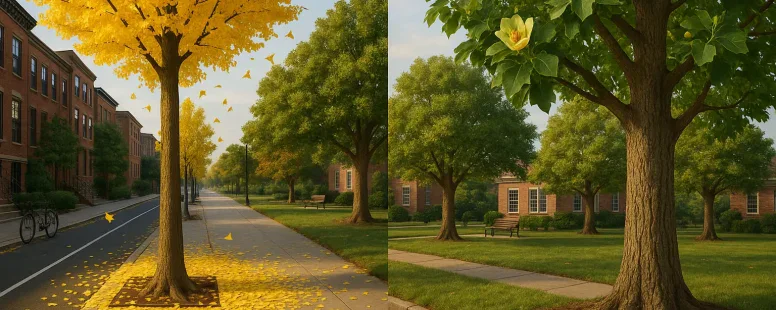
Ginkgo Biloba Vs. Tulip Tree
Which large street tree will give you golden autumn light, hardiness, and few surprises, Ginkgo biloba or the tulip tree (Liriodendron tulipifera)? Picture a city sidewalk where leaves fall like coins from a centuries-old wallet, or a suburban lawn where tulip-shaped blooms announce late spring. Both trees offer bold silhouettes, long lives, and distinct personalities. This comparison strips away nursery-shelf hype and shows you practical differences, from leaf shape to root behavior, pest risk to landscape uses, so you can pick the right tree for your site with confidence.
Quick Comparison Table: Key Differences At A Glance
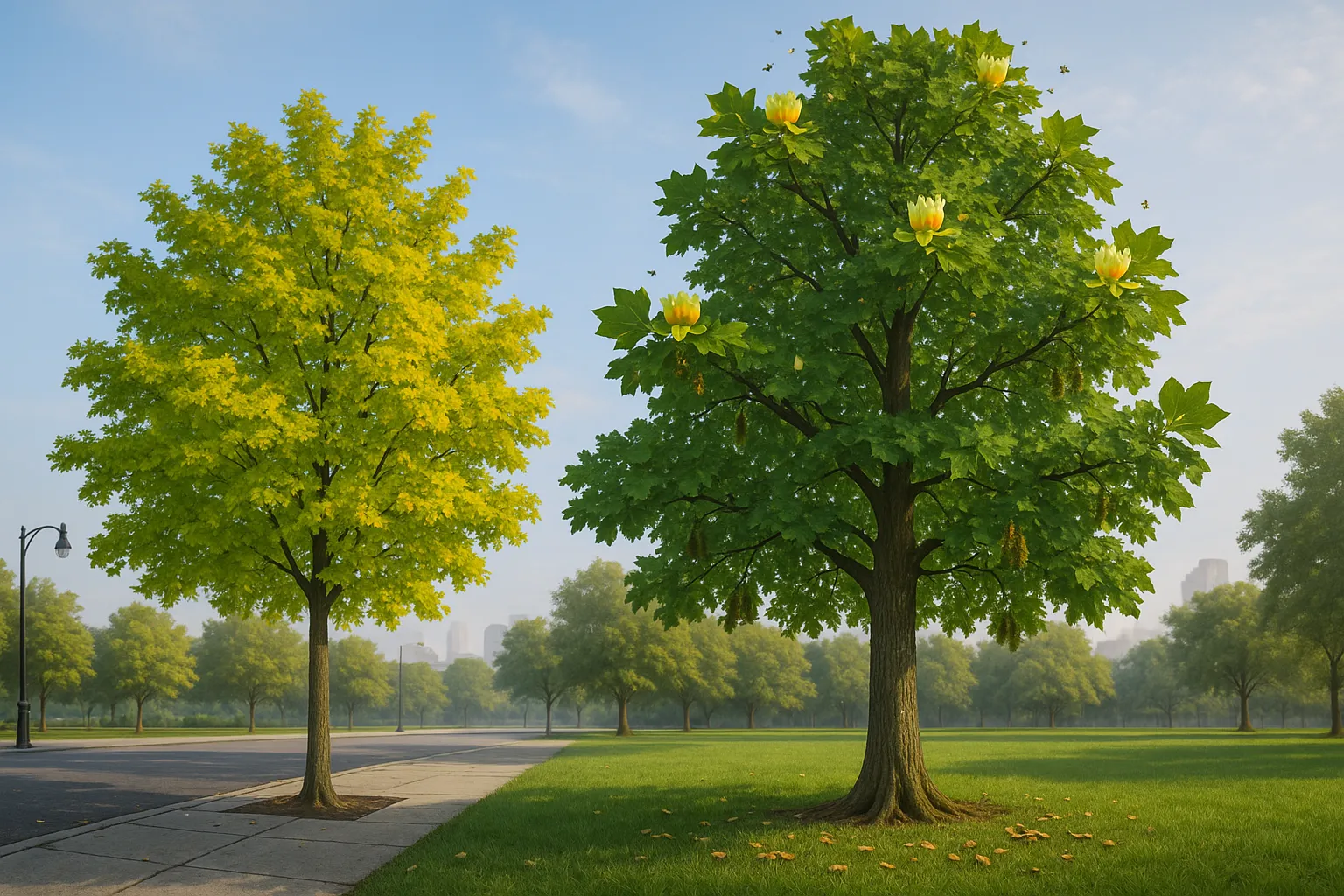
Fact: Ginkgo and tulip tree differ sharply in leaves, fruit, growth habit, and tolerance.
- Scientific name: Ginkgo biloba vs. Liriodendron tulipifera.
- Leaf: Fan-shaped, simple (Ginkgo) vs. four-lobed, truncate apex (Tulip tree).
- Flowers: Inconspicuous, wind-pollinated (Ginkgo) vs. showy tulip-like, insect-pollinated (Tulip tree).
- Fruit: Foul-smelling fruit from female Ginkgo: cone-like samaras from tulip tree.
- Mature height: 50–80+ ft for both, though tulip tree can reach 100 ft in the right site.
- Growth rate: Ginkgo is moderate to slow: tulip tree is fast-growing.
- Hardiness: Ginkgo hardy to USDA zones 3–8: tulip tree to zones 4–9 depending on provenance.
- Soil: Both tolerate a range, but tulip tree prefers richer, moist soils: Ginkgo tolerates urban stress better.
- Urban tolerance: Ginkgo resists pollution and compaction better than tulip tree.
- Wildlife value: Tulip tree offers nectar and seeds for bees and birds: Ginkgo has low wildlife value.
This quick list gives you the core contrasts before you dive deeper into each trait.
Appearance And Identification
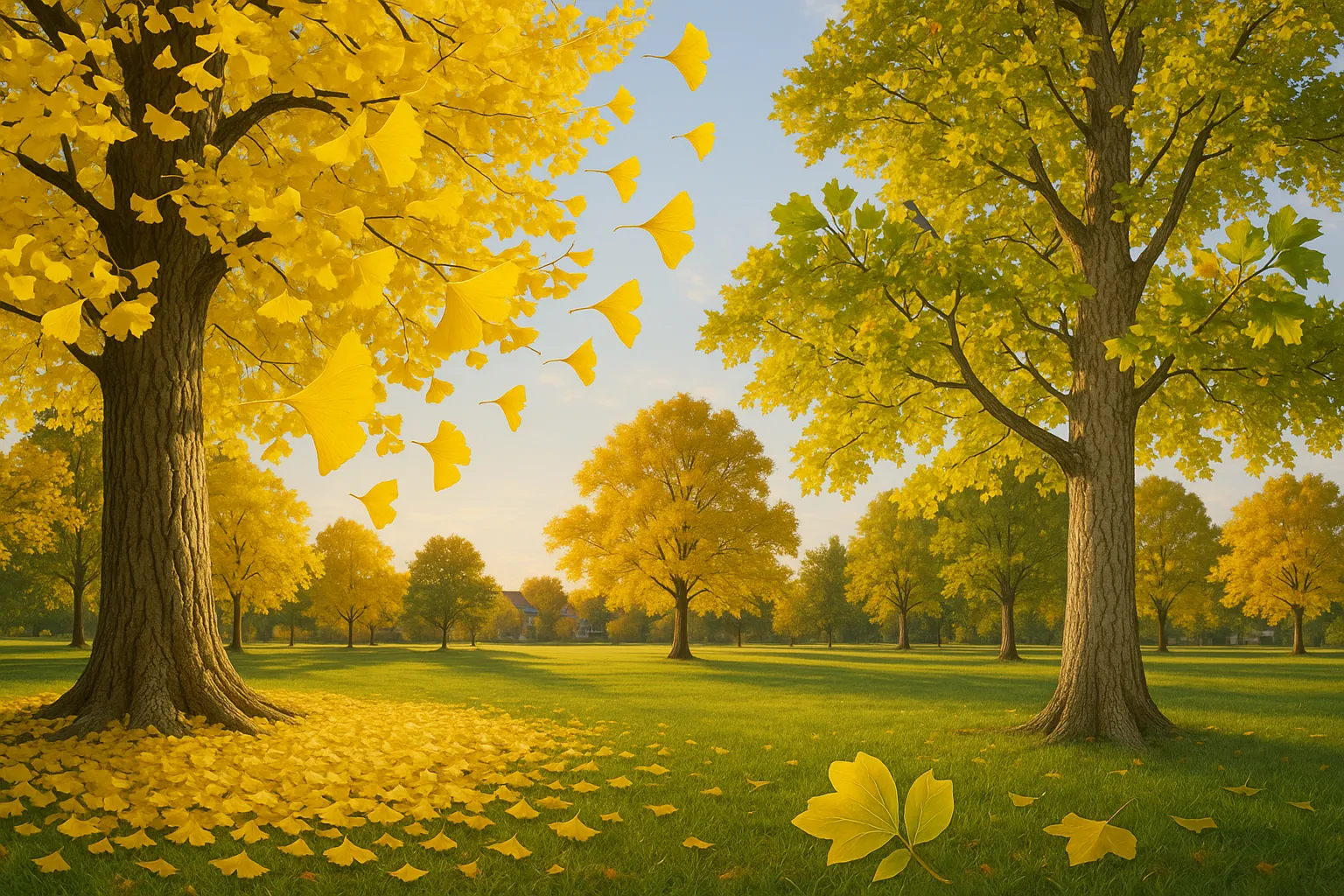
Fact: You can ID these trees quickly by their leaves and seasonal displays.
Leaf Shape, Color, And Seasonal Interest
Ginkgo leaves are distinct: fan-shaped with radiating veins. They turn bright, pure yellow in fall and often drop in a single dramatic wave. The leaf edge may be smooth or slightly notched depending on cultivar. Tulip tree leaves are truncate or four-lobed with a flat top: they look almost like a tulip silhouette. Their summer color is glossy green: in autumn they shift to a soft yellow to golden. Ginkgo gives a concentrated golden carpet. Tulip tree offers a subtler fall show and also delivers a flamboyant spring bloom you can see, and sometimes smell, from across the lawn.
Bark, Flowers, And Fruit
Ginkgo bark is furrowed and gray-brown on older trees. Male trees make pollen cones: female trees (if unpollinated) make fleshy seeds surrounded by a buttery, rancid-smelling outer layer, notable and often a nuisance in public spaces. Tulip tree bark is furrowed but lighter, with a flaky texture on mature trunks. Its flowers are cup-shaped, green-yellow with orange markings, and they attract bees and butterflies. Fruit on tulip trees are clusters of cone-like samaras that feed birds: they do not smell foul.
Size, Growth Rate, And Mature Form
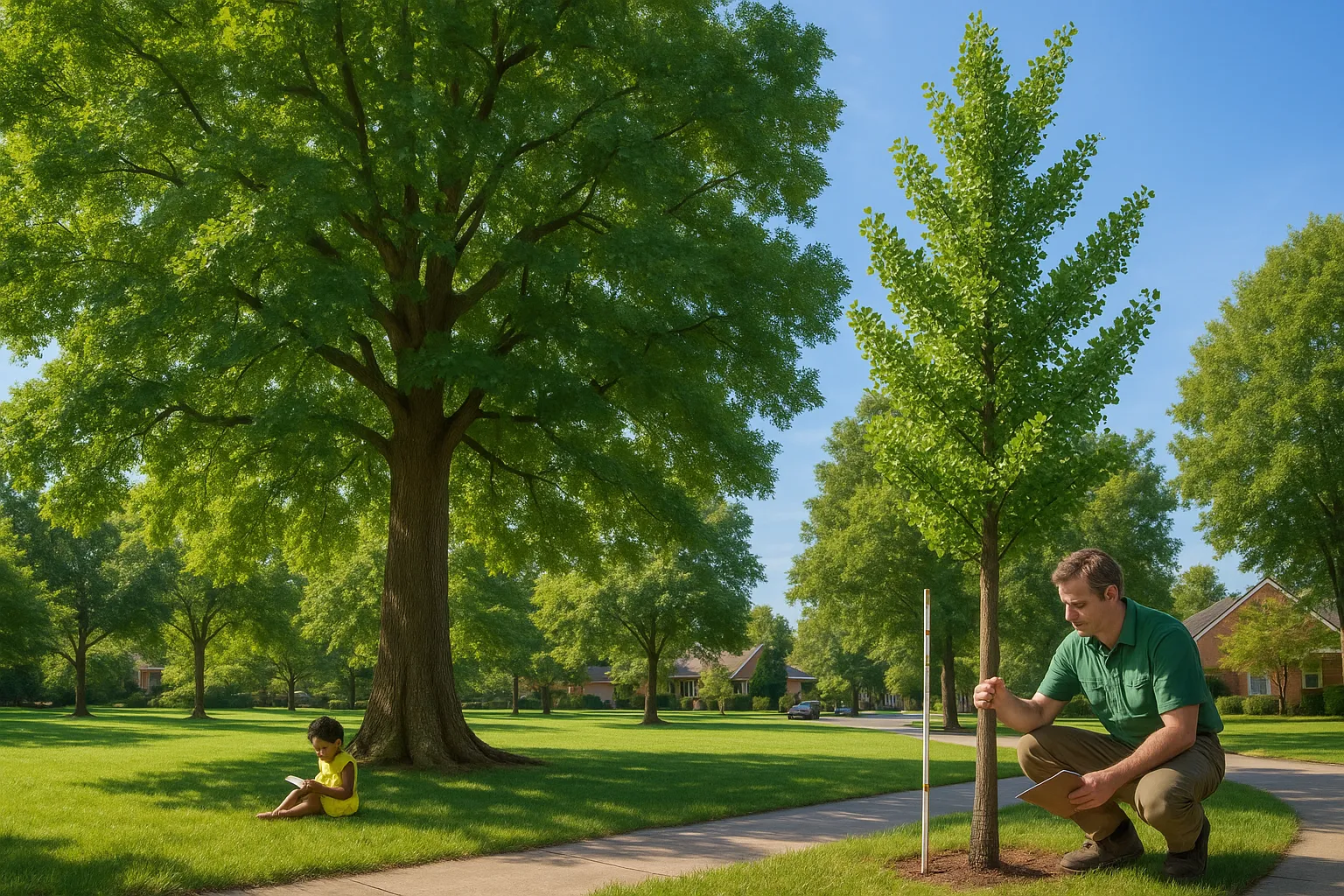
Fact: Tulip tree typically grows faster and taller: Ginkgo often keeps a narrower crown and slower pace.
Typical Mature Height And Spread
Ginkgo biloba commonly reaches 50–80 feet tall with a spread of 30–40 feet, though some urban cultivars remain smaller. Cultivars like ‘Princeton Sentry’ keep a columnar form. Liriodendron tulipifera regularly reaches 70–100 feet with a broad, pyramidal crown when space permits. Spread varies with site: open-grown tulip trees make full, vase-shaped crowns.
Growth Rate And Development Patterns
Tulip trees are fast growers: 2–3 feet per year in good soils: they quickly establish a large, dominant crown. Ginkgo grows moderate to slow, often 1–2 feet per year, and can take decades to reach full size. But, ginkgo shows excellent structural stability and resists split limbs found in some fast growers. If you need quick shade, choose tulip tree. If you want a long-lived, low-surprise street tree, ginkgo is often the better bet.
Climate, Soil, And Site Requirements
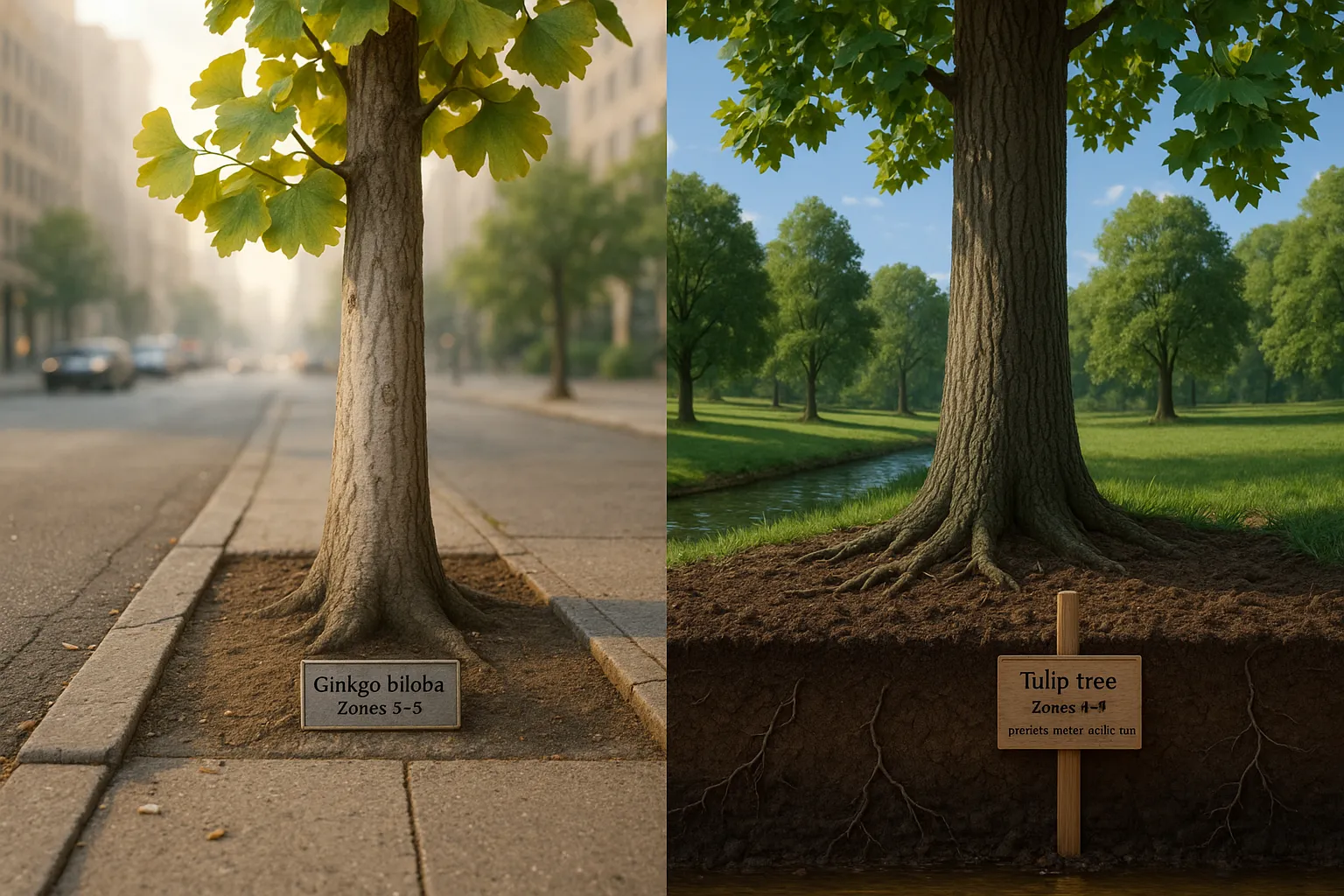
Fact: Ginkgo tolerates harsher urban sites: tulip tree prefers richer, moister conditions.
Hardiness Zones And Preferred Climates
Ginkgo biloba is hardy from roughly USDA zones 3 through 8. It handles cold winters and urban heat islands. Tulip tree performs best in zones 4–9: it prefers humid eastern climates but can struggle in arid or very alkaline regions. In hot, dry summers you must pick a protected site for tulip tree.
Soil Type, Drainage, And Light Needs
Ginkgo tolerates compacted, clay, and alkaline soils and stands up to pollution. It prefers full sun but will tolerate partial shade. Tulip tree prefers deep, well-drained, fertile loam with consistent moisture and slightly acidic pH. It demands full sun for best flowering and straight growth. Poor, dry soil will stunt tulip trees and make them more pest-prone.
Maintenance, Pruning, And Longevity
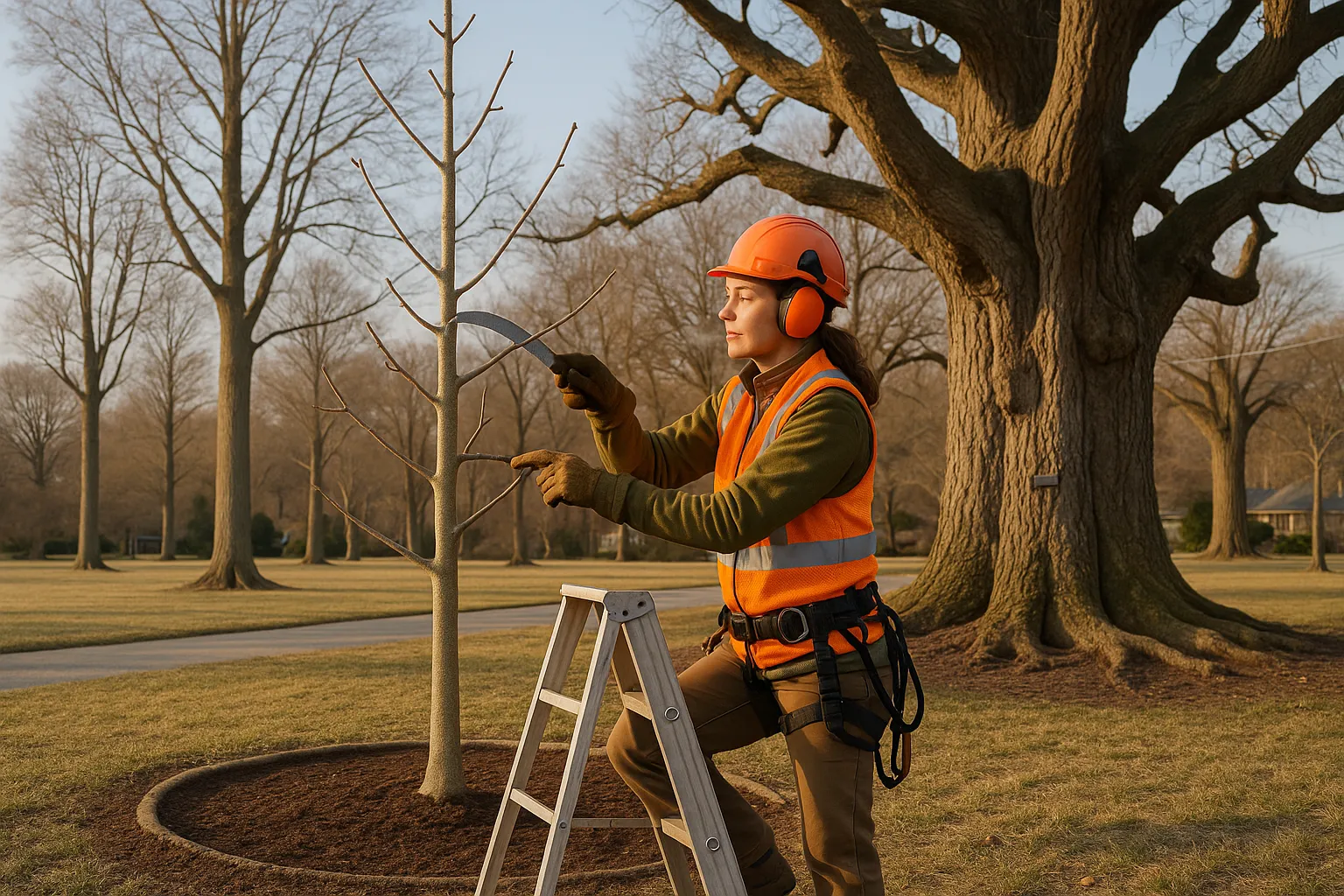
Fact: Ginkgo needs minimal pruning: tulip tree benefits from formative pruning when young.
Pruning Needs And Training Young Trees
Train tulip tree young to develop a central leader and strong scaffold branches: otherwise it may fork and create weak crotches. Prune in late winter to reduce risk of bleeding and to shape. Ginkgo rarely needs heavy pruning: prune only to remove crossing branches or to maintain a clear trunk. Male ginkgo cultivars are popular to avoid messy female fruit, reducing maintenance.
Lifespan And Long-Term Care Considerations
Both species can live a long time. Ginkgo trees often survive centuries, some specimens in China are over a thousand years old. Tulip trees commonly live 200–300 years in native habitats if protected from storm damage and root disturbance. For long-term health, avoid major soil grade changes near roots, mulch appropriately, and water during multi-year droughts. You should plan for eventual large size and place them where they won’t conflict with power lines.
Pests, Diseases, And Other Risks
Fact: Both trees have relatively low disease pressure, but different risks apply.
Common Pests And Disease Susceptibility
Ginkgo has few serious pests: it resists canker, major fungal disease, and most borers. Occasional leaf miners or scale insects may show up but rarely kill the tree. Tulip tree can suffer from aphids, scale, and leaf spot diseases, especially in stressed trees. It can also be prone to verticillium wilt in some soils.
Specific Concerns (Female Ginkgo Fruit, Root Issues, Storm Damage)
Female Ginkgo fruit is a real concern: the fleshy seed coat contains butyric acid and smells like vomit or rancid butter when crushed. Plant male cultivars like ‘Autumn Gold’ or ‘Princeton’ to avoid the mess and complaints in public plantings. Tulip trees develop shallow, wide roots that can lift sidewalks and respond poorly to drought: they also develop brittle limbs on weakly attached branches and can suffer storm damage in exposed sites. Consider root barriers or additional watering to reduce these issues. Both trees may require protective staking in their first few years.
Uses In Landscape, Urban, And Medical Contexts
Fact: Tulip tree serves pollinators and timber uses: Ginkgo is prized for medicine and urban planting.
Landscape Uses And Design Considerations
Use Ginkgo in narrow urban strips, along boulevards, or near buildings where pollution tolerance and a tidy canopy matter. Use male cultivars in high-traffic places. Tulip tree works well in parks, large lawns, and arboreta where its height and spring flowers can be appreciated. Place tulip trees where roots will not interfere with paving.
Environmental Benefits And Wildlife Value
Tulip tree provides nectar for bees and supports caterpillars and birds: its flowers are an early-season food source. Ginkgo offers less wildlife benefit because its pollen/floral structure is wind-driven: still, mature ginkgo trees store carbon and provide shade. In medical contexts, extracts of Ginkgo biloba are used globally in supplements for cognitive support and circulatory claims, notable brand products include EGb 761, though clinical evidence is mixed and you should consult a physician before use.
Pros, Cons, And Which To Choose For Your Site
Fact: Choose based on space, maintenance tolerance, wildlife goals, and aesthetic preference.
Advantages And Disadvantages Of Ginkgo Biloba
Advantages: Extremely tolerant of urban stress, long-lived, striking autumn color, low pest issues, many male cultivars available. Disadvantages: Female fruit smells horrible: limited wildlife value: slow to moderate growth may disappoint if you want quick shade.
Advantages And Disadvantages Of Tulip Tree
Advantages: Fast growth, tall stately form, showy spring flowers that attract pollinators, good wildlife value. Disadvantages: Shallow roots can disrupt paving: more pest and disease sensitivity when stressed: less tolerant of urban pollution and drought.
How To Choose: Questions To Ask Before Planting
- How much final height and spread can your site safely hold? (If under 50 ft allowance, pick a smaller ginkgo cultivar.)
- Do you have heavy foot traffic or paved strips that need a tolerant tree? (Ginkgo often wins.)
- Do you want rapid shade and seasonal flowers? (Tulip tree is better.)
- Are you willing to manage female fruit smell? (If no, choose male ginkgo.)
- Is wildlife habitat a priority? (Tulip tree supports pollinators and birds more.)
Answer these and you will pick the tree that fits your landscape, maintenance capacity, and ecological goals. If you still unsure, consult a local arborist or extension service for site-specific recommendations.

- Micro-Clover vs. Grass: Which Groundcover Is Right For Your Lawn? - March 24, 2026
- Best Alternatives to Robinhood - March 24, 2026
- Olive Oil Alternatives: When Olive Oil Is the Wrong Tool, and What to Use Instead - March 23, 2026
by Ellie B, Site Owner / Publisher