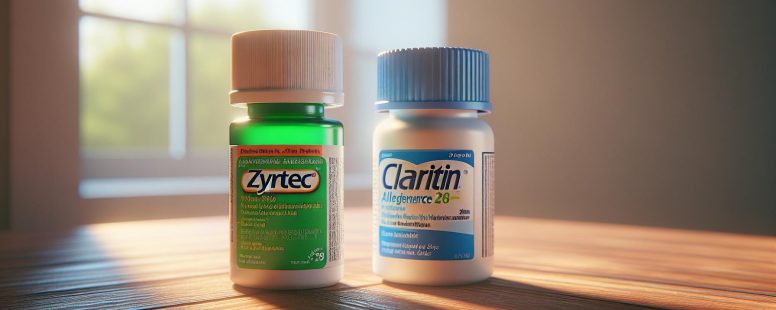
Allergies can feel like an uninvited guest, disrupting your day with sneezes, itchy eyes, and endless discomfort. When it comes to finding relief, you’ve likely come across Zyrtec and Claritin—two popular over-the-counter options. But how do you choose between them? Each promises to ease your symptoms, yet their differences could mean one works better for you than the other.
Imagine waking up after a restless night, desperate for relief from allergy symptoms. You reach for a box, but which one? Zyrtec and Claritin may seem similar at first glance, but their unique formulas, effectiveness, and potential side effects can make a big difference in your experience. Understanding these distinctions helps you make an informed choice and get back to feeling like yourself. Let’s jump into what sets these two allergy solutions apart.
Overview of Zyrtec and Claritin
Zyrtec and Claritin are widely used antihistamines that help alleviate allergy symptoms. Both are available over-the-counter, but their differences in composition and action can influence which works best for your needs.
What Is Zyrtec?
Zyrtec contains cetirizine, a second-generation antihistamine. It’s designed to block histamine, the chemical responsible for common allergy symptoms like sneezing, itching, and runny nose. It begins working within 1 hour and offers 24-hour relief. Many users find it effective for both seasonal and perennial allergies, including hay fever and pet allergies.
Unlike older antihistamines, Zyrtec is less likely to cause drowsiness, though this side effect can still occur in some individuals. For example, if you need allergy relief but lead an active lifestyle, Zyrtec might still impact your alertness slightly compared to daytime-focused options. Studies published in clinical journals highlight cetirizine’s consistent effectiveness in reducing allergic symptoms across different environments.
What Is Claritin?
Claritin, containing loratadine, is another second-generation antihistamine. Like Zyrtec, it acts by blocking histamine to prevent discomfort caused by allergens. It typically takes 1-3 hours to show effects and offers 24-hour symptom relief, making it a good choice for daily use.
Claritin is often praised for its non-drowsy formula, making it suitable for daytime use. For instance, if you’re managing allergies but need to maintain focus at work or school, Claritin is less likely to interfere with your performance. According to peer-reviewed allergy research, loratadine is effective in minimizing symptoms with minimal sedative effects, even when used long-term.
Active Ingredients and Mechanism of Action
Understanding the active ingredients in Zyrtec and Claritin clarifies how these medications manage allergy symptoms. Each drug’s mechanism of action directly impacts on-set time, effectiveness, and side effects.
Zyrtec’s Active Component
Zyrtec contains cetirizine, a second-generation antihistamine. Cetirizine blocks histamine H1 receptors, preventing histamine from binding and triggering allergic reactions, such as itching, swelling, and sneezing. This process begins within an hour of ingestion, delivering rapid relief for seasonal and perennial allergies. Cetirizine is partially metabolized in the liver, while most is excreted unchanged in urine, ensuring 24-hour symptom control.
Some users notice mild drowsiness after taking Zyrtec, although cetirizine is less sedating than first-generation antihistamines like diphenhydramine. If sensitivity to drowsiness occurs, taking Zyrtec at night is a practical solution.
Claritin’s Active Component
Claritin features loratadine as its active ingredient. Loratadine, another second-generation antihistamine, selectively targets peripheral H1 receptors to alleviate allergy symptoms without significantly crossing the blood-brain barrier. This ensures it remains largely non-drowsy while effectively treating sneezing, runny nose, and itchy eyes common in allergies.
Loratadine takes 1-3 hours to reach peak plasma concentrations, making it slightly slower in action compared to Zyrtec. But, its 24-hour relief makes it convenient for daily use. Loratadine metabolizes in the liver to its active metabolite, desloratadine, which sustains its antihistaminic effects over time.
Efficacy and Onset of Action
Understanding how quickly Zyrtec and Claritin begin to work and the extent of their efficacy can help you pick the right allergy medication. Both options, while effective, vary slightly in their timelines and results.
How Quickly Does Zyrtec Work?
Zyrtec contains cetirizine, which typically starts working within 1 hour after ingestion. This rapid onset makes it a suitable choice if you need quick relief from symptoms like sneezing, runny nose, or itching. For example, if pollen exposure triggers severe reactions, Zyrtec may alleviate discomfort promptly. Studies indicate that cetirizine maintains efficacy over 24 hours, ensuring consistent symptom control throughout the day.
But, cetirizine can cause mild drowsiness in some individuals. If you’re sensitive to antihistamines or plan on driving, consider this potential side effect. Zyrtec acts by blocking histamine H1 receptors, preventing allergic reactions but might not be ideal for everyone due to drowsy effects.
How Quickly Does Claritin Work?
Claritin, with the active ingredient loratadine, usually takes 1-3 hours to start working. This slightly longer onset period may not provide immediate relief but offers another advantage: it’s less likely than Zyrtec to cause drowsiness, making it ideal for tasks that require alertness. If you plan to attend work or school with clear focus even though allergies, Claritin offers a reliable non-drowsy alternative.
Loratadine metabolizes in the liver into desloratadine, extending its effect duration. Though it begins slower, it also provides robust 24-hour symptom management. Consider this if your allergies are not acute but persist throughout the day.
Choosing between Zyrtec and Claritin may seem subjective, but factors like how urgently you need relief or if drowsiness is a concern influence the preferred choice.
Side Effects and Safety
Understanding potential side effects and overall safety of Zyrtec and Claritin is essential for making an informed choice. Both medications are effective, but their side effects and safety profiles can differ.
Common Side Effects of Zyrtec
Zyrtec, containing cetirizine, can cause drowsiness in some users, even though it’s marketed as non-drowsy. About 14% of users report experiencing fatigue or sleepiness. Other side effects may include dry mouth, dizziness, or nausea. For example, you might notice sluggishness during daytime activities after taking Zyrtec, particularly if sensitivity to sedative effects is higher.
Common Side Effects of Claritin
Claritin, which includes loratadine, is less likely to cause drowsiness compared to Zyrtec. Instances of headache and dry mouth are more common, reported by 12% of users in clinical studies. Unlike Zyrtec, Claritin is often chosen for its suitability during work or study, though some people can still experience mild fatigue or stomach discomfort. If you’re prone to headaches, this could occasionally emerge as a noticeable side effect.
Safety Considerations for Both
Zyrtec and Claritin are both considered safe when used as directed, but individual responses can vary based on pre-existing health conditions or medication interactions. If kidney or liver disorders are present, consulting a healthcare provider is crucial, as Zyrtec relies heavily on renal excretion while Claritin undergoes liver metabolism. Pregnant or breastfeeding individuals might also require medical advice before usage due to limited research on long-term effects.
Differences in Usage
Understanding the specific applications of Zyrtec and Claritin helps you select the right medication for your allergy symptoms. Both options are effective, but they cater to slightly different needs based on dosage and target conditions.
Recommended Dosages
Zyrtec and Claritin share a standard dosage for most adults and children over six years old: 10 mg once daily. For younger children or those with special circumstances, doctors typically recommend clarifying dosage adjustments, especially based on weight. If you’re managing symptoms for a child aged 2-6 years, Zyrtec’s liquid formulation offers flexibility.
On the other hand, Claritin also provides chewable tablets, syrup, and standard tablets, which cater to different age groups and preferences. Following your healthcare provider’s directions for either medication minimizes potential side effects and ensures effective relief. Always check whether higher doses are needed based on symptom severity; for example, persistent sneezing may require more consistent monitoring.
Target Allergies and Conditions
Zyrtec’s and Claritin’s effectiveness stems from their ability to combat allergens like pollen, dust mites, mold, and pet dander. Zyrtec works well for managing intense symptoms such as itchiness, hives, and sudden allergic reactions. Zyrtec may serve users better with skin allergies like chronic urticaria due to its quicker onset.
Claritin, prized for its minimized sedation risk, suits those who require daytime relief, especially for mild to moderate hay fever or environmental allergens. If your primary concern is staying alert while alleviating sneezing or watery eyes, Claritin is an optimal option.
Although both address similar allergy sources, their differing active ingredients and response times make understanding your needs critical. For mixed allergies, such as experiencing both hay fever and skin rash, consulting a healthcare provider helps determine which antihistamine to prioritize.
Cost and Availability Comparison
Cost and availability of Zyrtec and Claritin can impact your choice, depending on budget and accessibility. Both options are widely available but differ in terms of pricing and purchase options.
Over-the-Counter vs Prescription
Zyrtec and Claritin are primarily sold over-the-counter (OTC), making them convenient for most users. You can find them in pharmacies, grocery stores, and online outlets without needing a prescription. In specific cases, such as higher-dose formulations or combination medications, prescriptions might be required. For example, certain Zyrtec-D or Claritin-D products, which include decongestants, are often sold behind the pharmacy counter and may require ID verification since they contain pseudoephedrine.
Price Point Differences
The price of Zyrtec and Claritin depends on the brand, quantity, and location of the purchase. Generic versions of each, cetirizine and loratadine, are generally more affordable than branded options. For instance, a 30-count bottle of generic cetirizine may cost around $10–15, whereas the branded Zyrtec can cost $20–25 for a similar quantity. Similarly, generic loratadine often costs $8–12 for a 30-day supply, while Claritin might range between $15–20.
Buying in bulk, such as purchasing 90-day supplies, tends to reduce cost per dose. Many online retailers and warehouse stores offer competitive pricing for bulk packages. Use coupon programs or retailer-specific discount cards to save even more.
The small differences in price shouldn’t outweigh the effectiveness or safety of your allergy medication. Always consider your symptom relief needs when choosing one over the other.
Conclusion
Choosing between Zyrtec and Claritin eventually comes down to your specific needs and how your body responds to each medication. Whether you prioritize fast relief, non-drowsy options, or cost-effectiveness, understanding the unique characteristics of these antihistamines can help you make an well-informed choice. For those who’ve been relying on older sedating antihistamines and are ready for a modern upgrade, our guide to the best alternatives to Benadryl is a useful companion resource.
It’s always a good idea to consider factors like your allergy severity, daily activities, and any existing health conditions. If you’re unsure which option is right for you, consulting a healthcare professional can provide personalized guidance to ensure safe and effective allergy management.
To provide the best experiences, we use technologies like cookies to store and/or access device information. Consenting to these technologies will allow us to process data such as browsing behaviour or unique IDs on this site. Not consenting or withdrawing consent, may adversely affect certain features and functions.
Functional
Always active
The technical storage or access is strictly necessary for the legitimate purpose of enabling the use of a specific service explicitly requested by the subscriber or user, or for the sole purpose of carrying out the transmission of a communication over an electronic communications network.
Preferences
The technical storage or access is necessary for the legitimate purpose of storing preferences that are not requested by the subscriber or user.
Statistics
The technical storage or access that is used exclusively for statistical purposes.The technical storage or access that is used exclusively for anonymous statistical purposes. Without a subpoena, voluntary compliance on the part of your Internet Service Provider, or additional records from a third party, information stored or retrieved for this purpose alone cannot usually be used to identify you.
Marketing
The technical storage or access is required to create user profiles to send advertising, or to track the user on a website or across several websites for similar marketing purposes.