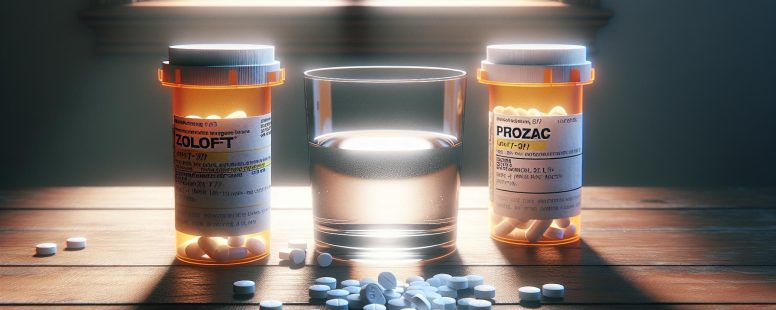
Imagine standing at a crossroads, each path leading to a different destination, yet both promising relief. That’s the dilemma many face when choosing between Zoloft and Prozac, two of the most prescribed antidepressants. Both medications belong to the same family of selective serotonin reuptake inhibitors (SSRIs), yet they offer distinct paths to mental well-being.
As you begin on this journey to understand these medications, you’ll discover subtle differences that can make a world of difference. Zoloft and Prozac, while similar in their mission to lift the veil of depression, each possess unique characteristics that influence their effectiveness and side effects. Unraveling these nuances can empower you to make an well-informed choice about which might better suit your needs.
Jump into the world of SSRIs, where understanding the intricacies of Zoloft and Prozac is key to exploring your path to mental health.
Understanding Zoloft and Prozac
Zoloft and Prozac, both SSRIs, are popular choices for treating mental health conditions such as depression. Though they aim to boost serotonin levels in the brain, their unique profiles lead to different experiences.
Overview of Zoloft
Zoloft, known generically as sertraline, is often favored for addressing a range of disorders. Its typical applications include depression, anxiety, and OCD. Some users report reduced anxiety and improved mood within weeks. It’s crucial to monitor potential side effects, including nausea and insomnia. Physicians may adjust dosages based on individual responses, making regular consultations important.
Overview of Prozac
Prozac’s generic name is fluoxetine. This medication is frequently prescribed for depression and panic disorder, offering benefits in mood stabilization. Some users experience increased energy levels and uplifted spirits. Side effects might involve weight changes or sleep disturbances, necessitating close attention to any bodily changes. Prozac’s longer half-life allows for less frequent dosage adjustments compared to other antidepressants, providing a different therapeutic approach.
Mechanism of Action
Understanding how Zoloft and Prozac impact brain chemistry is essential in discerning their effectiveness and suitability for different individuals, both being selective serotonin reuptake inhibitors (SSRIs).
How Zoloft Works
Zoloft, known as sertraline, prevents the reabsorption of serotonin. Serotonin, a neurotransmitter, regulates mood, anxiety, and happiness. By increasing serotonin availability, Zoloft maintains serotonin levels longer in your brain, which enhances mood and reduces anxiety symptoms. This action stabilizes the emotional state, especially in disorders such as depression and OCD, allowing users to experience relief over a few weeks. The therapeutic effects depend on individual biology and may require monitoring and dosage adjustments for optimal results.
How Prozac Works
Prozac, or fluoxetine, similarly enhances serotonin availability but differs due to its longer half-life. This provides a sustained effect, reducing frequency in dosage changes. Prozac modulates serotonin pathways, aiding in mood stabilization, alleviating depression, and managing conditions such as panic disorder. Its prolonged presence in your system may also minimize withdrawal symptoms if a dose is missed. But, the individual response can vary widely, making personalized treatment essential for effective management of depression and anxiety symptoms.
Both Zoloft and Prozac share the SSRI classification but offer distinct differences inside their mechanism, making them unique in treating various mental health conditions.
Uses and Benefits
SSRIs like Zoloft and Prozac offer significant mental health benefits due to their impact on serotonin levels. Even though similarities, they address different conditions, providing unique advantages for various mental health needs.
Common Uses of Zoloft
Zoloft (sertraline) treats major depressive disorder, anxiety disorders, and obsessive-compulsive disorder (OCD). For example, it reduces anxiety symptoms in generalized anxiety disorder. Studies show it’s effective for post-traumatic stress disorder (PTSD) and premenstrual dysphoric disorder (PMDD) as well. Zoloft enhances mood and decreases anxiety by preventing serotonin reabsorption in the brain. It’s commonly prescribed for teens and adults experiencing social anxiety, with improved results seen after consistent treatment.
Common Uses of Prozac
Prozac (fluoxetine) is widely prescribed for major depressive disorder and panic disorder. It’s beneficial in treating bulimia nervosa, as it helps in reducing binging episodes. Due to its long half-life, Prozac stabilizes mood by sustaining serotonin levels longer than other SSRIs. This characteristic minimizes withdrawal symptoms if you miss a dose. Prozac’s unique advantage lies in its use for obsessive-compulsive disorder and, in some cases, bipolar depression. It offers a bright perspective to patients by providing energy boost and alleviating persistent fatigue, common in depressive states.
Side Effects
When considering Zoloft and Prozac, it’s crucial to understand their side effects to make an informed choice about your treatment.
Side Effects of Zoloft
Zoloft (sertraline) commonly causes nausea, headache, and dizziness. Some users experience insomnia which may affect daily activities. Ensure to monitor any mood changes, as these can indicate how well the medication suits you. Less common effects include dry mouth and weight fluctuations. If side effects persist, consult your doctor on possibly adjusting your dosage or trying alternatives.
Side Effects of Prozac
Prozac (fluoxetine) often leads to insomnia and nervousness. Some experience unusual dreams, which might impact sleep quality. Appetite changes, resulting in weight gain or loss, are noted by some users. Monitor your body’s reaction to Prozac, especially if fatigue persists, since this may indicate it’s not the optimal choice for you. Address prolonged side effects with healthcare professionals to explore other medication or treatment options.
Effectiveness and Considerations
While both Zoloft and Prozac target depression through similar mechanisms, their effectiveness and considerations vary. Recognizing these differences helps in making informed treatment decisions.
Efficacy Comparison
Zoloft and Prozac both increase serotonin levels to alleviate depression, but their efficacy can differ based on individual needs and conditions. Research suggests that Zoloft is notably effective in treating anxiety-related disorders such as social anxiety and panic disorder [1]. On the flip side, Prozac shows a marked impact on obsessive-compulsive disorder (OCD) and bulimia nervosa, providing mood stabilization and reducing impulsive behaviors [2].
Considerations for Use
Consider potential drug interactions and personal medical history. For instance, Zoloft’s effects might be diminished if taken with certain medications like blood thinners or NSAIDs, increasing the bleeding risk. Alternatively, Prozac’s prolonged half-life might complicate attempts to switch medications without appropriate medical guidance.
Evaluate lifestyle impacts as well, since Prozac users may experience weight changes while those on Zoloft might need to stay cautious about insomnia and headaches. Critical analysis of these unique side effects and interactions will ensure a well-informed choice tailored to individual needs.
[1] Preskorn, S.H. (2006). Comparison of the Efficacy of Various Antidepressants.
[2] Pigott, T.A., & Seay, S. (1999). A review of the efficacy of fluoxetine in larger preclinical and clinical pharmacology.
Conclusion
Choosing between Zoloft and Prozac involves understanding their unique characteristics and how they align with your specific needs. While both aim to boost serotonin levels, their effects, side effects, and suitability for different disorders vary. Zoloft is often preferred for anxiety-related conditions, whereas Prozac is beneficial for OCD and bulimia nervosa. It’s crucial to consider potential drug interactions and your medical history when deciding. Monitoring side effects and consulting with healthcare professionals can help tailor your treatment plan effectively. This personalized approach ensures that you achieve the best possible outcomes for your mental health journey.
To provide the best experiences, we use technologies like cookies to store and/or access device information. Consenting to these technologies will allow us to process data such as browsing behaviour or unique IDs on this site. Not consenting or withdrawing consent, may adversely affect certain features and functions.
Functional
Always active
The technical storage or access is strictly necessary for the legitimate purpose of enabling the use of a specific service explicitly requested by the subscriber or user, or for the sole purpose of carrying out the transmission of a communication over an electronic communications network.
Preferences
The technical storage or access is necessary for the legitimate purpose of storing preferences that are not requested by the subscriber or user.
Statistics
The technical storage or access that is used exclusively for statistical purposes.The technical storage or access that is used exclusively for anonymous statistical purposes. Without a subpoena, voluntary compliance on the part of your Internet Service Provider, or additional records from a third party, information stored or retrieved for this purpose alone cannot usually be used to identify you.
Marketing
The technical storage or access is required to create user profiles to send advertising, or to track the user on a website or across several websites for similar marketing purposes.