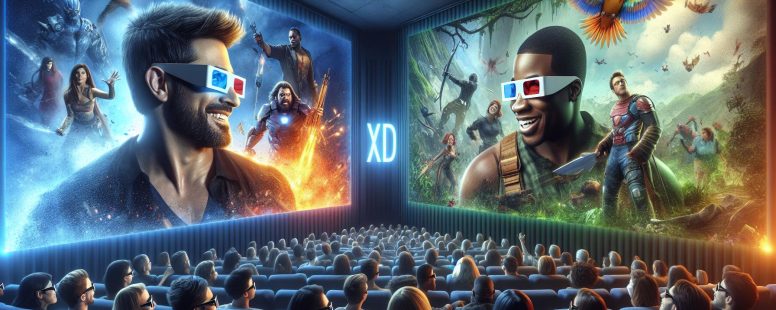
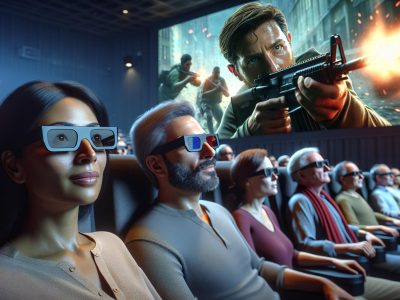
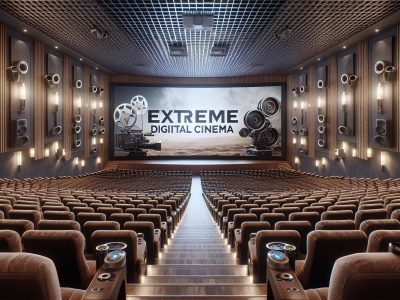
Ever found yourself at the movies, puzzled over whether to pick an XD or 3D screening? You’re not alone. The choice between XD (Extreme Digital Cinema) and 3D has baffled many, leaving movie-goers scratching their heads in the dimly lit corridors of cinemas. What sets them apart, and why does it matter for your viewing experience?
This article dives into the heart of the XD vs. 3D debate, shedding light on the technicalities that distinguish these two formats. Whether it’s the immersive sound, the clarity of the image, or the depth of the visual experience, understanding these differences can significantly enhance your next trip to the movies. Get ready to unravel the mystery and ensure your next cinematic adventure is nothing short of spectacular.
Understanding XD and 3D Technologies
When delving into the cinematic experiences offered by XD and 3D, it’s essential to distinguish between these two technologies to make informed choices for your next movie outing. Given the article’s aim, this section focuses directly on defining XD and 3D technologies and elucidating their primary features and differences. This will not only sharpen your understanding but also gear you up for a more immersive cinema experience that aligns with your preferences.
What Is XD?
XD, standing for Extreme Digital Cinema, represents a brand-specific cinema technology that Cinemark theaters use to deliver an enhanced viewing experience. Unlike traditional digital screenings, XD theaters boast larger wall-to-wall, ceiling-floor screens, superior projector brightness, and a more powerful sound system that envelops the audience. The proprietary setup ensures that every seat in an XD theater offers an optimal view, making no seat the “bad seat.” The technology focuses on heightening the clarity, color contrast, and sound precision, which significantly amplifies the immersive aspect of watching a film. For instance, action scenes appear more dynamic, and dialogues become crisply audible, contributing to a more engaging movie-viewing experience.
What Is 3D?
3D, or three-dimensional film technology, adds a depth perception element to the movie you’re watching, creating the illusion that images are popping out of the screen. This technology works by utilizing specialized glasses that audience members wear, which process images from two slightly different angles to each eye, simulating depth. The primary goal of 3D technology is to intensify the realism of the cinematic experience, making viewers feel as though they are part of the on-screen action. Movies specifically made for 3D viewing or converted into 3D format from 2D can offer scenes where objects seem to hover in mid-air or careen towards the audience, so providing a uniquely immersive visual experience.
By comparing XD and 3D, you’ll find that XD focuses more on enhancing the overall quality of the visual and auditory experience in a cinema hall through superior technology and theater design. In contrast, 3D specifically aims to augment the depth perception of the images, offering a distinct feel of realism to the visuals. Depending on whether you value overall sensory enhancement or depth in imagery, your preference between XD and 3D can significantly impact your movie-going experience.
Historical Development of Cinema Technologies
The evolution of cinema technologies, specifically XD and 3D, has significantly influenced your viewing experience, offering more immersive and engaging entertainment options. Understanding the historical development of these formats can help you appreciate the advancements in the movie-going experience.
Evolution of XD
XD, or Extreme Digital Cinema, represents a leap in cinema technology focused on enhancing the sensory experience of the audience. This evolution began with Cinemark’s initiative to create an unmatched environment for watching movies by improving every aspect of the theater.
Screen Size and Quality: XD theaters introduced significantly larger screens compared to standard theaters. These screens not only increase the visual impact but are also wall-to-wall, providing a more immersive viewing experience.
Audio Systems: The advancement in sound technology, specifically designed for XD theaters, utilizes custom JBL sound systems that produce clearer, more powerful sound. The introduction of multi-dimensional sound systems ensures that you can hear the movie from all directions, enhancing the realism of the cinematic experience.
Projector Technology: XD also led the push towards superior projector technology, employing high-lumen digital projectors. These projectors offer stunning brightness and contrast, making the images sharper and more lifelike, even during 3D screenings.
Seat Comfort: While not directly related to the technology used to display films, the improvement in seating comfort, with plush, wide seats and ample legroom, contributes to the overall XD experience, ensuring that viewers can immerse themselves in the movie without distraction.
Evolution of 3D
The development of 3D technology in cinema has been aimed at making films more immersive by adding a depth perception that allows objects on screen to appear as if they are coming out towards you. The journey of 3D movies from a novel concept to a mainstream cinema technology is marked by significant milestones.
Anaglyph 3D: Initially, 3D films were presented using anaglyph technology, requiring viewers to wear red and cyan glasses. While innovative, the color distortion and headaches caused by extended viewing limited its appeal.
Polarized 3D: The introduction of polarized 3D technology marked a turning point. This method, which utilizes glasses with polarized lenses, allowed for color retention and significantly reduced viewer discomfort, making 3D movies more accessible and enjoyable.
Active Shutter 3D: With the advent of digital projection, active shutter 3D provided an even more refined viewing experience. Glasses synchronized with the projector alternately block each eye in sequence, paired with fast projection rates, create a seamless three-dimensional illusion with enhanced clarity and depth.
Visual Experience in XD and 3D
Exploring the visual experience between XD and 3D technologies reveals key differences that impact your choice as a movie-goer. Understanding the specifics of screen size and resolution, along with color and brightness, helps in selecting the perfect cinematic experience.
Screen Size and Resolution
XD cinemas boast significantly larger screens compared to standard and even many 3D screens. This size enhancement means not just a bigger picture, but a more immersive viewing experience where every corner of your vision is filled with cinematic imagery. In terms of resolution, XD technology takes the lead with higher resolution projectors that are capable of showcasing ultra-high-definition content. This results in sharper, clearer images that make every detail stand out, from subtle expressions on actors’ faces to intricate background designs.
For instance, Cinemark XD screens can reach up to 70 feet, offering an unparalleled vastness that ensures even the minutest on-screen element is visible from any seat in the house. Coupled with this, the advanced projectors used in XD cinemas support resolutions significantly higher than standard 1080p, pushing towards 4K and beyond, which enhances the sharpness and clarity of the image.
Color and Brightness
The visual leaps don’t end with screen size and resolution; color and brightness play crucial roles in differentiating XD from 3D technologies. XD cinemas use state-of-the-art projection systems capable of delivering superior brightness and a wider color spectrum. This technology ensures that the colors you see on screen are not only more vivid but also more true to life, improving the overall realism of the cinematic world.
Brightness is particularly important in 3D cinemas, where traditional polarized glasses can dim the perceived image. But, XD cinemas overcome this with their powerful projectors that compensate for any loss of brightness, resulting in an image that’s as bright, if not brighter, than what you would experience in a standard 2D showing. Also, the enhanced color range in XD theaters brings out the subtleties in the film’s palette, from the deepest blacks to the most vibrant hues, offering an unparalleled depth to the viewing experience.
By understanding these crucial differences in visual experience between XD and 3D, you can make an well-informed choice that suits your cinematic preference. Whether you prioritize the vast, sharp imagery of XD or the depth and immersion of 3D, knowing these distinctions ensures your next trip to the movies will be exactly as you prefer.
Audio Enhancements in XD and 3D
Delving into the world of cinema technology, it’s essential to understand how audio enhancements significantly shape your movie-watching experience. The difference between XD (Extreme Digital Cinema) and 3D technologies encompasses more than just visual elements; it also involves distinct approaches to sound systems that can either immerse you further into the movie or detract from the experience. Let’s break down the sound systems characteristic of XD and 3D formats to help you make an well-informed choice the next time you’re at the movies.
Sound Systems in XD
XD cinemas employ state-of-the-art sound systems designed to envelop you in a rich, detailed audio environment. Leveraging technologies like Auro 11.1 or Dolby Atmos, XD theaters position speakers not only around the auditorium but also on the ceiling, creating a three-dimensional soundscape. This setup allows for precise sound localization, meaning you can hear the rain falling from above or a helicopter flying overhead with remarkable clarity and realism. The sound in XD cinemas is also characterized by its wide frequency range and increased power, ensuring that from the softest whisper to the most explosive action scene, every sound detail is captured with precision and depth. Besides, XD sound systems are custom-calibrated for the auditorium’s specific acoustics, promising an optimized audio experience regardless of your seat in the theater.
Sound Systems in 3D
While 3D cinema technology primarily focuses on creating visual depth and immersion, the accompanying sound systems also play a crucial role in enhancing the overall sensory experience. Most 3D theaters use 5.1 or 7.1 surround sound formats, which, while not as enveloping as the sound systems in XD, still offer a high-quality audio experience. Speakers are arranged around the audience, providing a sense of directionality to the sound that complements the visual immersion of 3D. The sound mixing in 3D films often emphasizes spatial effects to align with the on-screen action, ensuring that the audio moves in harmony with the visuals. This coordination helps maintain the illusion of depth that 3D visuals aim to achieve. But, the audio in 3D cinemas might not reach the same level of overhead audio detail or sound localization precision you’ll find in XD theaters.
Summarising, when comparing XD and 3D formats from an audio perspective, XD cinemas offer a more immersive and detailed audio experience thanks to advanced sound technologies like Dolby Atmos and speaker setups that include overhead audio. On the other hand, 3D cinemas provide a solid audio experience that complements the visual depth and immersion, with a focus on surround sound systems. Both formats aim to enhance your movie experience through their respective sound systems, but your preference might lean towards XD if you’re seeking an unparalleled audio experience to match the visual spectacle.
Seat and Viewer Comfort
When deciding between XD and 3D cinemas, understanding the differences in seat and viewer comfort is crucial. Both formats aim to provide an immersive experience, but their approaches to seating arrangements can significantly affect your viewing comfort.
Seating Arrangements in XD Theaters
XD theaters, known for their Extreme Digital Cinema experience, prioritize viewer comfort alongside technological enhancements. The seats in XD theaters are often wider, with more legroom compared to standard theaters. This is because XD cinemas accommodate large screens and aim to provide optimal viewing from every seat, ensuring that even viewers sitting at the edges enjoy a full, unobstructed view. High-quality, plush seating is a staple in XD theaters, with some offering reclining features that allow you to adjust your seat for the perfect viewing angle. The arrangement in XD theaters is carefully designed to match the expansive screen size, with stadium-style seating that ensures no head in front of you blocks any part of the screen. This layout not only enhances comfort but also improves the overall experience by providing each viewer with a perfect view, regardless of their seat choice.
Seating Arrangements in 3D Theaters
3D theaters, while focusing on bringing depth to the on-screen action, also consider viewer comfort, though their approach differs slightly from XD theaters. The seating in 3D theaters is designed to optimize the 3D effect, which often means aligning seats to the center of the screen where the 3D visuals have the most impact. Seats in 3D cinemas tend to follow a traditional theater layout, although modern 3D venues also offer premium seating options with enhanced comfort. These options may include wider seats and increased legroom, similar to XD, but the primary focus is on ensuring that the 3D glasses work effectively from every angle. Hence, the slope and arrangement of seating might be more pronounced to maintain the integrity of the 3D visuals for every viewer. While comfort is key, the emphasis in 3D theaters is more on visual experience, with seating arrangements meticulously planned to augment the three-dimensional effects.
In both XD and 3D cinemas, the goal is to immerse you fully into the movie experience. But, XD theaters often have a slight edge in terms of comfort due to their larger seats and more generous spacing, designed to complement their superior audio and visual technology. On the other hand, 3D theaters focus on optimizing the three-dimensional effect, with seating arrangements that enhance the depth and realism of the visuals. Your choice between XD and 3D may eventually hinge on whether you prefer an all-encompassing, luxurious cinema experience or one that highlights the magic of 3D visuals, each offering a distinct way to enjoy blockbuster hits.
XD and 3D: Costs and Accessibility
Exploring the world of cinema technology, you’ve encountered two popular formats: XD (Extreme Digital Cinema) and 3D. Understanding the costs and accessibility of these movie-viewing experiences can significantly impact your choice. This section delves into these critical aspects, ensuring you make an well-informed choice on your next trip to the movies.
Ticket Pricing for XD and 3D Movies
Ticket pricing plays a pivotal role in your cinema experience, influencing not only your choice of format but also how often you partake in these cinematic adventures. Generally, XD movie tickets command a higher price compared to 3D movie tickets. The reason behind this difference stems from the enhanced visual and auditory experience that XD cinemas promise. Featuring larger screens, superior sound systems, and more comfortable seating, XD theaters invest heavily in providing an immersive viewing experience, justifying the premium pricing.
For example, an XD movie ticket may cost up to 20% more than a standard 3D movie ticket. While a 3D movie ticket at an average cinema might set you back $12, its XD counterpart could cost around $14 to $16. But, prices vary depending on the location, time of day, and whether the movie is a new release.
Availability of XD and 3D Theaters
When it comes to accessibility, 3D movies enjoy wider availability than XD screenings. This prevalence is partly due to the earlier introduction and adoption of 3D technology in cinemas worldwide. As a result, movie-goers can find 3D screenings in most theaters, from major chains to independent venues. In contrast, XD theaters are less common, with a concentration in larger cities and areas with higher traffic. The distribution of XD cinemas reflects the higher investment required for the technological and infrastructural enhancements characteristic of XD experiences.
But, the world is evolving, with more theaters upgrading to XD to meet growing demand for high-quality cinematic experiences. This trend means accessibility is gradually increasing, although 3D movies remain the more accessible option for the average movie-goer. Before planning your movie night, it’s wise to check the availability of XD and 3D screenings in your area, especially if you’re leaning towards the luxury and immersion that XD offers.
Choosing between XD and 3D formats hinges on your preferences for visual and auditory quality, comfort, and, importantly, your budget and access to these technologies. With this information, you’re better equipped to choose the cinematic experience that best suits your preferences and constraints, ensuring an enjoyable and memorable movie-going experience.
Use Cases and Content Availability
Understanding the unique strengths of XD and 3D technologies helps in deciding which movie experience suits your preferences best. As you investigate into the genres and types of content that most benefit from either XD or 3D formats, keep your interests and what you look for in a cinematic experience in mind.
Genres Best Suited for XD
XD, with its emphasis on superior screen size, brightness, and sound quality, dramatically enhances certain movie genres:
Action and Adventure: Films with rapid action sequences, expansive landscapes, or intricate set designs gain an immersive quality with XD’s larger screens and advanced audio systems. Examples include blockbuster franchises like Marvel’s Avengers or the Fast and Furious series.
Sci-Fi and Fantasy: The detail-rich visuals and complex soundscapes of science fiction and fantasy worlds are amplified in XD theaters. Films like Star Wars or The Lord of the Rings showcase the depth and clarity XD brings to fantastical settings.
Epic Drama and Historical Films: The grand scale of historical epics or sweeping dramas, characterized by their detailed costuming, large casts, and set pieces, is more engaging in an XD setting. Films such as Gladiator or Titanic benefit from the enhanced visual and audio presentation.
Genres Best Suited for 3D
3D technology, known for its depth perception and color enhancement, offers a distinctive experience that suits specific genres well:
Animated Films: Animation thrives in 3D, where the technology adds depth to the visuals, making characters and settings pop. Pixar and DreamWorks animations, such as Toy Story or How to Train Your Dragon, engage audiences more deeply with their vibrant, lifelike quality.
Horror and Thriller: The added dimension of 3D can elevate jump scares and suspenseful moments, making them more impactful. It brings a visceral immediacy to films like Resident Evil or The Conjuring series, enhancing the viewer’s emotional response.
Fantasy and Adventure: Movies that transport viewers to other worlds or involve intricate action-packed journeys also benefit from 3D’s depth and immersion. James Cameron’s Avatar is a prime example, offering a visually stunning experience that showcases the power of 3D to enhance storytelling.
By selecting the format that aligns with your genre preferences and the kind of cinematic experience you’re after, you’ll likely enjoy a more satisfying movie-going experience. Whether it’s the expansive, immersive quality of XD or the depth and vibrancy of 3D, each format offers distinct advantages that cater to different content types and viewer preferences.
Conclusion
Understanding the difference between XD and 3D technologies is key to tailoring your movie-going experience to your preferences. Whether you’re drawn to the immersive visual and auditory experience of XD in action-packed genres or the depth and color enhancement of 3D in animated and fantasy adventures, there’s a format that aligns with your cinematic tastes. By choosing based on the specific strengths of XD and 3D, you ensure a viewing experience that maximizes enjoyment and immersion. So next time you’re planning a movie night, consider what you value most in your cinema experience and pick accordingly. Your perfect movie experience awaits.
To provide the best experiences, we use technologies like cookies to store and/or access device information. Consenting to these technologies will allow us to process data such as browsing behaviour or unique IDs on this site. Not consenting or withdrawing consent, may adversely affect certain features and functions.
Functional
Always active
The technical storage or access is strictly necessary for the legitimate purpose of enabling the use of a specific service explicitly requested by the subscriber or user, or for the sole purpose of carrying out the transmission of a communication over an electronic communications network.
Preferences
The technical storage or access is necessary for the legitimate purpose of storing preferences that are not requested by the subscriber or user.
Statistics
The technical storage or access that is used exclusively for statistical purposes.The technical storage or access that is used exclusively for anonymous statistical purposes. Without a subpoena, voluntary compliance on the part of your Internet Service Provider, or additional records from a third party, information stored or retrieved for this purpose alone cannot usually be used to identify you.
Marketing
The technical storage or access is required to create user profiles to send advertising, or to track the user on a website or across several websites for similar marketing purposes.