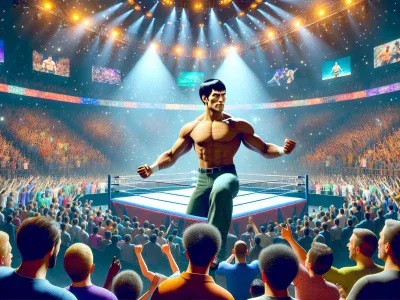
Picture stepping into a world where larger-than-life characters collide, storylines unfold like gripping dramas, and the roar of the crowd electrifies the air. Wrestling fans know there’s more to this spectacle than meets the eye, but WWE and AEW, how do these two giants stack up? Each promotion brings its own flavor to the ring, captivating audiences in unique ways.
Whether you’re drawn to WWE’s polished production or intrigued by AEW’s fresh, rebellious energy, understanding their differences can deepen your appreciation for both. From storytelling styles to roster dynamics and fan engagement, these promotions carve distinct paths in the wrestling universe. Curious about what truly sets them apart? Let’s jump into their worlds and uncover what makes each one unforgettable.
Overview Of WWE And AEW
World Wrestling Entertainment (WWE) and All Elite Wrestling (AEW) represent two distinct approaches within professional wrestling. WWE, established in 1953 as Capitol Wrestling Corporation, is the industry’s longest-running and globally dominant promotion. It emphasizes larger-than-life characters, scripted drama, and high-production value events such as WrestleMania. By contrast, AEW debuted in 2019 with a focus on modern wrestling styles, athlete-driven storytelling, and connecting deeply with its fanbase.
WWE’s weekly programming includes flagship shows like Monday Night Raw and SmackDown. These feature polished storylines aimed at mainstream audiences. AEW counters this with programs such as Dynamite and Rampage, offering fast-paced matches often catering to hardcore wrestling fans. For instance, while WWE prioritizes family-friendly entertainment through PG-rated content, AEW leans into edgier narratives suited for mature viewers.
Both promotions also differ significantly in roster composition. WWE maintains a mix of homegrown talent from its developmental system (NXT) alongside established superstars like Roman Reigns or Seth Rollins. On the other hand, AEW has attracted independent circuit favorites such as Kenny Omega and The Young Bucks while incorporating legends like Chris Jericho.
Their production values further highlight their divergence; WWE events showcase grand spectacles using pyrotechnics and cinematic camera angles. Meanwhile, AEW employs a more traditional presentation style that mirrors old-school wrestling aesthetics without compromising quality.
Audience interaction reflects another key difference between them WWE uses social media platforms to boost engagement but relies heavily on curated narratives controlled by its creative team. But; AEW fosters interactive relationships allowing wrestlers greater freedom to shape their personas organically based on audience feedback seen during live segments or interviews.
Key Differences In Wrestling Style
WWE and AEW diverge significantly in their wrestling styles, reflecting contrasting philosophies that shape their matches and audience appeal.
In-Ring Performance
WWE emphasizes entertainment-driven performances over technical precision. Matches often incorporate dramatic pacing, limited high-risk moves, and predetermined story outcomes. Wrestlers like Roman Reigns showcase power-based styles complemented by theatrical expressions to engage mainstream viewers.
AEW prioritizes athleticism and innovation in its matches. High-flying maneuvers, fast sequences, and improvisation dominate the action. Performers such as Kenny Omega and The Young Bucks frequently execute complex techniques borrowed from Japanese wrestling (Puroresu) or independent circuits.
Storytelling And Character Development
WWE relies on scripted narratives to build characters and feuds. Promos are tightly controlled, with wrestlers delivering lines crafted by a creative team. This approach creates iconic personas like John Cena but can limit spontaneity.
AEW offers greater freedom in character portrayal. Wrestlers develop personas organically, often through unscripted promos or real-life influences. For example, Jon Moxley’s gritty persona reflects his personal experiences while resonating with fans seeking authenticity in storytelling.
Production And Presentation
WWE and AEW differ significantly in how they approach production and presentation. These aspects shape the viewer’s experience, from visual appeal to audience interaction.
Audience Engagement
WWE employs a highly curated approach to engage its viewers. It uses pre-scripted promos, tightly controlled narratives, and social media campaigns to create polished storylines. For example, WWE integrates crowd reactions during live events but maintains control over character arcs through backstage decisions. This strategy appeals to mainstream audiences seeking family-friendly entertainment.
AEW fosters organic engagement by allowing real-time crowd influence on storytelling. Wrestlers often respond directly to audience chants or feedback during matches or promos. Events like “All Out” highlight AEW’s commitment to incorporating fan input into match outcomes and rivalries. AEW also uses unscripted interviews and digital platforms like YouTube to build deeper connections with fans who prefer spontaneity.
Broadcast Quality
WWE delivers unmatched production quality with state-of-the-art equipment, multi-camera setups, and elaborate stage designs for flagship events like WrestleMania or SummerSlam. The use of pyrotechnics, augmented reality effects, and high-definition visuals enhances the spectacle aspect of its shows.
In contrast, AEW adopts a more straightforward broadcast style that prioritizes action clarity over grandeur. Dynamite features traditional camera work emphasizing wrestling moves rather than cinematic elements. While simpler in execution compared to WWE’s polished output, this approach appeals to hardcore fans focused on athletic performance instead of theatrics.
Talent Roster Comparison
WWE and AEW feature distinct rosters that reflect their contrasting philosophies, blending established names with emerging talent to shape their in-ring narratives.
Established Superstars
WWE’s roster includes globally recognized superstars like Roman Reigns, Seth Rollins, and Becky Lynch. These performers have been integral to WWE’s branding for years, appearing in main events of premium live events such as WrestleMania and SummerSlam. The company’s focus on creating household names ensures its stars maintain cross-industry appeal through appearances in movies, talk shows, and commercials.
AEW approaches veteran talent differently by bringing in wrestling legends like Chris Jericho, Jon Moxley, and Bryan Danielson. Unlike WWE’s scripted format aimed at mainstream markets, AEW lets these experienced wrestlers influence match outcomes organically. Legends also mentor younger wrestlers behind the scenes while continuing to perform at a high level.
Rising Talent
WWE develops young talent through its NXT brand before promoting them to the main roster. Stars like Rhea Ripley and Austin Theory showcase this system’s effectiveness by seamlessly transitioning into prominent roles on Raw or SmackDown. WWE scouts athletes from collegiate sports or other entertainment sectors, prioritizing charisma over independent circuit experience.
In contrast, AEW heavily recruits from the independent wrestling scene. Performers such as Darby Allin and Sammy Guevara represent AEW’s commitment to spotlighting innovative styles not typically seen in mainstream wrestling. This approach resonates with hardcore fans seeking fresh matchups.
Business And Marketing Strategies
WWE and AEW employ distinct business and marketing strategies to attract audiences, expand their brands, and generate revenue streams. Their approaches reflect their unique philosophies and target demographics.
Global Reach
WWE maintains a significant global presence, with broadcasts in over 180 countries and translations into more than 20 languages. Its partnerships with international broadcasters like BT Sport (UK) and SONY Sports Network (India) ensure access to diverse markets. WWE’s annual events, such as WrestleMania, often integrate international elements to appeal to a worldwide audience.
In contrast, AEW focuses on incremental international growth while solidifying its domestic base. It secured broadcasting deals with ITV in the UK and TSN in Canada shortly after launching but prioritizes organic fanbase expansion. Events like Forbidden Door highlight collaborations with Japan’s NJPW, appealing to fans of cross-promotion wrestling styles.
Both promotions leverage online platforms for global accessibility. WWE Network transitioned into Peacock’s platform in early 2021 for US viewers while remaining standalone internationally. AEW uses FITE TV for pay-per-view events outside the US alongside YouTube programs like Dark Elevation to engage overseas fans affordably.
Branding And Merchandise
Branding plays an integral role in differentiating WWE from AEW within the wrestling industry. WWE builds its identity around iconic logos (e.g., Raw’s red lettering), signature slogans (“Then Now Forever”), and superstar-driven campaigns featuring mainstream celebrities or athletes like Bad Bunny or Tyson Fury.
AEW relies on aligning brand image closely with wrestling purity rather than entertainment theatrics. The “All Elite” name itself emphasizes athlete-centric storytelling—its merchandise reflects creative freedom seen through exclusive designs tailored towards hardcore enthusiasts over casual buyers.
Fan Base And Community Influence
WWE has cultivated a mainstream fan base by targeting families and casual viewers. Its long-standing presence, dating back to 1953, and global reach have established a diverse audience spanning multiple generations. Major events like WrestleMania attract millions annually, making WWE’s community one of the largest in sports entertainment.
AEW focuses on creating a dedicated following among hardcore wrestling fans. By embracing independent wrestlers and prioritizing authenticity, AEW fosters deeper connections with its audience. Social media plays a vital role in this dynamic; AEW stars regularly interact directly with fans on platforms like Twitter and Instagram, shaping storylines organically based on feedback.
Fan events highlight another contrast. WWE offers polished meet-and-greet experiences during shows or at conventions like WrestleMania Axxess that appeal to all ages. In comparison, AEW organizes intimate fan gatherings where attendees engage closely with wrestlers in less formal settings, reflecting the promotion’s grassroots appeal.
Online communities further drive engagement for both promotions but differ significantly in tone and content focus. WWE forums often discuss nostalgia-driven topics alongside current storylines due to its legacy status. Meanwhile, AEW-related groups emphasize match quality analysis and behind-the-scenes insights from podcasts featuring talent like Tony Khan or The Young Bucks.
Conclusion
Choosing between WWE and AEW comes down to what you value most in professional wrestling. Whether it’s WWE’s polished production and mainstream appeal or AEW’s innovative storytelling and fan-centered approach, each promotion offers something distinct for its audience. Exploring both can enrich your appreciation of the diverse styles, talent, and experiences that make wrestling an enduring form of entertainment.
To provide the best experiences, we use technologies like cookies to store and/or access device information. Consenting to these technologies will allow us to process data such as browsing behaviour or unique IDs on this site. Not consenting or withdrawing consent, may adversely affect certain features and functions.
Functional
Always active
The technical storage or access is strictly necessary for the legitimate purpose of enabling the use of a specific service explicitly requested by the subscriber or user, or for the sole purpose of carrying out the transmission of a communication over an electronic communications network.
Preferences
The technical storage or access is necessary for the legitimate purpose of storing preferences that are not requested by the subscriber or user.
Statistics
The technical storage or access that is used exclusively for statistical purposes.The technical storage or access that is used exclusively for anonymous statistical purposes. Without a subpoena, voluntary compliance on the part of your Internet Service Provider, or additional records from a third party, information stored or retrieved for this purpose alone cannot usually be used to identify you.
Marketing
The technical storage or access is required to create user profiles to send advertising, or to track the user on a website or across several websites for similar marketing purposes.