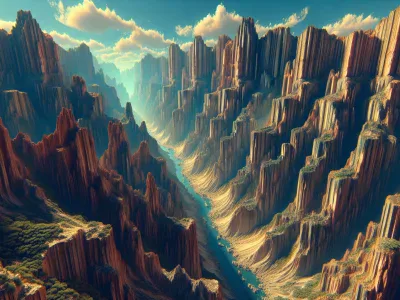
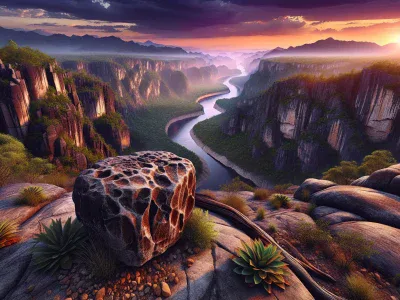
Imagine standing at the edge of a towering canyon, its jagged walls carved over centuries. Have you ever wondered what forces shaped such breathtaking landscapes? While they might seem like silent, unchanging giants, these formations tell the story of two powerful natural processes: weathering and erosion. Though often used interchangeably, these terms describe distinct phenomena that work together to transform the Earth’s surface.
Weathering breaks down rocks where they are, while erosion sweeps those fragments away, sculpting valleys, cliffs, and riverbanks. Understanding the difference isn’t just about science—it’s about seeing the world in motion, realizing how even the smallest forces can create monumental change. So, what sets these processes apart, and why does it matter? Let’s jump into the fascinating interplay between weathering and erosion and uncover the secrets behind nature’s relentless artistry.
Understanding Weathering
Weathering is a natural process that breaks down rocks and minerals into smaller particles. It occurs at the site where rocks are exposed without transporting the materials elsewhere.
Definition of Weathering
Weathering refers to the disintegration, decomposition, or alteration of rocks at or near the Earth’s surface. It’s caused by various physical, chemical, and biological factors. Unlike erosion, weathering doesn’t involve the movement of debris from the original location.
Types of Weathering
Physical Weathering
Physical weathering, also called mechanical weathering, breaks rocks into smaller pieces without changing their chemical composition. For example, freeze-thaw cycles in cold climates crack rocks when water freezes and expands in crevices. Abrasion caused by wind-blown sand or flowing water also contributes to this type.
Chemical Weathering
Chemical weathering alters the mineral composition of rocks through reactions with water, air, or acidic solutions. In humid regions, rainwater combines with carbon dioxide to form carbonic acid. This process dissolves limestone, forming caves and sinkholes. Oxidation, common in iron-rich rocks, leads to rusting and weaknesses in the structure.
Biological Weathering
Living organisms contribute to biological weathering by producing acids, breaking rocks mechanically, or facilitating decomposition. Plant roots growing into cracks exert pressure and split rocks apart. Microorganisms like lichen release organic acids, gradually degrading the rock’s surface.
Processes Involved in Weathering
Several processes govern weathering based on environmental conditions and material types.
Hydration and Hydrolysis: Absorption of water or its chemical breakdown transforms minerals, often in feldspar-rich granite.
Thermal Expansion: Extreme temperature changes cause rock layers to expand during the day and contract at night, leading to exfoliation or surface flaking.
Salt Crystallization: In arid areas, evaporating water forms salt crystals within rock pores, exerting stress and breaking the rock.
Biochemical Activity: Roots, fungi, and bacteria collaborate to chemically react with minerals, releasing nutrients and weakening rocks.
Each type of weathering shapes landscapes, exposing sediments that later become eroded. Recognizing these processes helps explain the Earth’s ever-changing surface.
Understanding Erosion
Erosion involves the movement of soil, rock particles, or dissolved material from one location to another. Unlike weathering, which breaks down rocks in place, erosion actively transports these materials, shaping landscapes over time.
Definition of Erosion
Erosion is the geological process of transporting particles, such as sediment, soil, or rock, by natural forces. Water, wind, ice, and gravity act as key agents that influence this transportation. For instance, river currents carry sediment downstream, eventually depositing it in deltas.
Types of Erosion
Water Erosion: Rivers, rainwater, and ocean waves cause surface wear. A notable example is the formation of the Grand Canyon by the Colorado River.
Wind Erosion: Air currents move fine particles, as seen in desert environments where dunes form through sand displacement.
Glacial Erosion: Glaciers scrape the Earth’s surface, creating U-shaped valleys. Ice sheets in Arctic regions exemplify this process.
Gravity-Driven Erosion: Landslides and rockfalls result from gravity pulling materials downhill, often on slopes weakened by heavy rainfall.
Processes Involved in Erosion
Hydraulic Action: Water forces its way into cracks in rocks, dislodging particles. Fast-flowing streams are primary examples of this effect.
Abrasion: Particles collide with surfaces, leading to gradual erosion. Coastal cliffs often exhibit abrasion caused by wave-carried debris.
Deflation: Wind removes loose surface particles, leaving behind larger fragments. Desert pavements in arid regions provide evidence of this process.
Plucking: Glaciers lift chunks of rock from the ground, incorporating them into ice sheets. Melting ice then deposits the material elsewhere.
Understanding erosion’s mechanisms highlights its role in reshaping Earth’s terrain over millennia.
Key Differences Between Weathering and Erosion
Understanding key distinctions between weathering and erosion helps clarify how these natural forces shape the Earth’s surface.
Primary Causes
Weathering occurs due to forces that breakdown rocks in their original place. Physical weathering happens from temperature changes or mechanical stress, such as freeze-thaw cycles splitting rocks apart. Chemical weathering alters the composition of rocks through reactions with water, oxygen, and other chemicals. Biological weathering, like tree roots growing into cracks, also contributes.
Erosion, on the other hand, involves external agents moving materials after they’ve been broken down. Water currents, wind gusts, glacial flow, and gravity are primary agents causing erosion. For example, rivers carry sediments downstream, wind shifts sand dunes across deserts, and glaciers carve valleys by dragging debris.
Movement of Materials
Weathering alters rock material where it stands; it doesn’t result in noticeable displacement. For instance, minerals leaching out of limestone due to acidic rain remain at the site, forming cavities or weakened structures.
Erosion entails movement, often over significant distances. Water flows carry silt and sand to river deltas, depositing them to create fertile plains. Dust storms transport fine particles over hundreds of miles, adding new layers to distant lands. Landslides relocate soil and rocks as gravity pulls them down slopes.
Timescale of Impact
Weathering is generally a slow process, occurring over years, decades, or even centuries. Factors like climate and rock type influence the rate. In dry areas, physical weathering from thermal expansion dominates, while damp conditions accelerate chemical weathering.
Erosion varies from gradual to rapid, depending on the intensity of the erosion agent. Gentle river erosion shapes valleys over millennia, while flash floods can strip topsoil in hours. Wind steadily smoothes rock faces, but hurricanes can displace massive volumes of sediment suddenly.
Real-World Examples of Weathering and Erosion
Weathering and erosion showcase their impact in countless natural formations and altered landscapes worldwide. These processes create striking geological features while influencing human activities and ecosystems.
Natural Occurrences
Weathering shapes landmarks by altering their structural integrity over time. For example, the hoodoos in Bryce Canyon National Park, Utah, result from frost wedging, where water freezes in rock cracks, expands, and splits the stone. In chemical weathering, limestone caves, such as Carlsbad Caverns, form when acidic water dissolves calcite in the rock, leaving behind large underground chambers. Biological weathering occurs in tree roots that grow into crevices, prying apart bedrock.
Erosion redistributes materials across vast distances. Water erosion is evident in the iconic Grand Canyon, carved over millions of years by the Colorado River’s persistent flow. Wind erosion sculpted the unique mushroom-shaped rocks in the White Desert, Egypt, by sand abrasion. Glacial erosion left behind the striking fjords of Norway, etched out by ice movement. Gravity-driven erosion appears during landslides, displacing tons of soil and rock downslope.
Human Impact
Human activities accelerate weathering and erosion, altering natural systems. Acid rain, a result of industrial pollution, speeds up chemical weathering in structures like the Taj Mahal, causing surface decay. Urban expansion contributes to physical weathering, as construction vibrations break rocks apart. Agriculture intensifies biological weathering when plant roots grow into soil-rock interfaces, disturbing their stability.
Anthropogenic erosion arises from deforestation and poor land management. Soil erosion escalates on bare lands where vegetation no longer anchors topsoil, as seen in the Dust Bowl of the 1930s. Quarrying and mining activities relocate enormous quantities of rock materials, simulating erosion on a short human timescale. Unpaved roads cause sediment transport during heavy rains, impacting nearby water bodies.
Understanding these examples highlights the interconnectedness of natural forces and human influence in altering Earth’s surface layers.
Importance of Distinguishing Between Weathering and Erosion
Understanding the distinction between weathering and erosion helps in analyzing world transformations and environmental impacts. These processes, though interrelated, play unique roles in Earth’s geomorphology.
Environmental Implications
Distinguishing weathering from erosion clarifies their respective contributions to ecological changes. Weathering, especially chemical weathering, affects soil quality and nutrient cycles. For instance, the weathering of limestone releases calcium carbonate, supporting soil fertility in regions like South Asia. Erosion, on the other hand, transports fertile soil away, leading to issues like sedimentation in rivers or loss of arable land, as seen in areas affected by riverbank erosion along the Amazon.
Comprehending these processes can guide sustainable practices. For example, mitigating erosion on agricultural fields using contour plowing helps retain topsoil. Recognizing the interplay of weathering agents like acidic rain in urban areas aids conservation efforts for heritage sites, such as slowing down the degradation of marble in monuments.
Role in Earth’s Surface Changes
Weathering and erosion shape Earth’s surface through complementary, yet distinct actions. Weathering breaks down rock formations at their origin, forming structures such as the spheroidally weathered boulders in New Zealand’s Moeraki region. Erosion transports these materials across distances, creating features like coastal cliffs eroded by wave action in Northern Ireland’s Giant’s Causeway.
These processes have different timescales. Weathering may subtly alter landscapes over centuries, while erosion can rapidly change terrain during events like flash floods or landslides. Recognizing these temporal variations helps you predict geological changes and adopt countermeasures, especially in areas vulnerable to sudden erosion.
Conclusion
Understanding the distinction between weathering and erosion allows you to appreciate the dynamic forces shaping our planet. These processes work hand in hand to transform landscapes, creating breathtaking natural formations and influencing ecosystems.
By recognizing their roles and impacts, you gain valuable insights into Earth’s evolving surface and the importance of sustainable practices to mitigate human-induced changes. Weathering and erosion not only reveal nature’s power but also highlight your responsibility in preserving the environment for future generations.
Published: July 25, 2025 at 8:38 am by Ellie B, Site owner & Publisher
To provide the best experiences, we use technologies like cookies to store and/or access device information. Consenting to these technologies will allow us to process data such as browsing behaviour or unique IDs on this site. Not consenting or withdrawing consent, may adversely affect certain features and functions.
Functional
Always active
The technical storage or access is strictly necessary for the legitimate purpose of enabling the use of a specific service explicitly requested by the subscriber or user, or for the sole purpose of carrying out the transmission of a communication over an electronic communications network.
Preferences
The technical storage or access is necessary for the legitimate purpose of storing preferences that are not requested by the subscriber or user.
Statistics
The technical storage or access that is used exclusively for statistical purposes.The technical storage or access that is used exclusively for anonymous statistical purposes. Without a subpoena, voluntary compliance on the part of your Internet Service Provider, or additional records from a third party, information stored or retrieved for this purpose alone cannot usually be used to identify you.
Marketing
The technical storage or access is required to create user profiles to send advertising, or to track the user on a website or across several websites for similar marketing purposes.