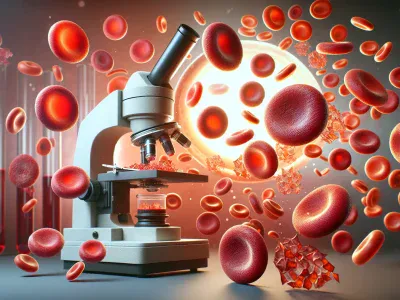
Picture your body as a bustling city, with countless systems working tirelessly to keep everything running smoothly. Among the unsung heroes of this metropolis are two vital cell types in your blood—white blood cells (WBCs) and red blood cells (RBCs). Though they coexist within the same bloodstream, their roles couldn’t be more different. One acts as the vigilant guardian, defending against invaders, while the other is a tireless courier delivering life-sustaining oxygen. how these tiny yet powerful components impact your health every single day? Understanding the difference between WBCs and RBCs isn’t just fascinating—it’s crucial for grasping how your immune system functions and how your body stays energized. By exploring their unique characteristics and purposes, you’ll gain deeper insight into what keeps you thriving at every moment.
Overview Of WBC And RBC
White blood cells (WBCs) and red blood cells (RBCs) play distinct roles in your body. Both are essential for survival, yet they function differently to maintain health and vitality.
What Are White Blood Cells (WBC)?
White blood cells, or leukocytes, form a critical part of your immune system. They protect against infections by identifying and destroying harmful pathogens like bacteria, viruses, and fungi. Unlike RBCs, WBCs lack hemoglobin but contain nuclei.
Five main types of WBCs exist: neutrophils, lymphocytes, monocytes, eosinophils, and basophils. For example, neutrophils combat bacterial infections while lymphocytes target viruses or abnormal cells. In healthy adults, WBC count ranges from 4,000 to 11,000 per microliter of blood.
Low levels might indicate weakened immunity; high counts often signal infections or inflammatory disorders. Disorders like leukemia result from uncontrolled proliferation of specific WBC types.
What Are Red Blood Cells (RBC)?
Red blood cells transport oxygen throughout your body via hemoglobin—a protein that binds oxygen molecules. These biconcave-shaped cells lack nuclei in their mature state to maximize space for hemoglobin.
Your body produces over two million RBCs every second in bone marrow to replace old ones with a lifespan of approximately 120 days. The average RBC count is around 4-6 million per microliter depending on age and gender.
Key Differences Between WBC And RBC
White blood cells (WBCs) and red blood cells (RBCs) differ significantly in their structure, function, lifespan, and quantity within blood. These differences highlight their unique roles in maintaining the body’s health.
Structure And Appearance
WBCs have nuclei, varying shapes, and translucent cytoplasm. They appear larger than RBCs under a microscope. Examples include neutrophils with multi-lobed nuclei and lymphocytes with large spherical nuclei. In contrast, mature RBCs lack nuclei to maximize space for hemoglobin. Their biconcave shape increases surface area for gas exchange.
Function And Role In The Body
WBCs support immunity by identifying and neutralizing pathogens like bacteria or viruses. Neutrophils engulf microbes through phagocytosis; lymphocytes produce antibodies targeting specific antigens. Conversely, RBCs focus on oxygen transport via hemoglobin molecules that bind oxygen in the lungs and release it in tissues.
Lifespan And Production
WBC lifespans range from hours to years based on type; for instance, neutrophils live 6-8 hours while memory T-cells may last decades. They’re produced in bone marrow but can develop further in lymphoid tissues if specialized immunity tasks require it. On the other hand,, RBC lifespan averages 120 days before macrophages remove them from circulation.
Similarities Between WBC And RBC
Both white blood cells (WBCs) and red blood cells (RBCs) share critical roles in maintaining your body’s overall health. They both originate from hematopoietic stem cells in the bone marrow, ensuring a continuous supply of these essential components in the bloodstream.
Presence in Bloodstream
WBCs and RBCs circulate through your bloodstream, facilitating their respective functions—immune defense for WBCs and oxygen transport for RBCs. This shared pathway allows them to reach tissues and organs efficiently.
Dependence on Bone Marrow Production
Both cell types rely on bone marrow for production. Disruptions in bone marrow function can significantly impact their levels, leading to conditions like anemia or leukopenia.
Role in Health Maintenance
Each contributes to keeping you healthy: WBCs by protecting against infections and RBCs by delivering oxygen necessary for cellular metabolism. Together, they support vital physiological processes.
Lifespan Regulation
The body regulates the lifespan of both cell types to maintain balance within the circulatory system. While RBC lifespans average 120 days, certain WBC subtypes may live only hours or days depending on immune activity demands.
By understanding these similarities, you can appreciate how intricately connected these cells are even though their distinct functions.
Importance Of Understanding WBC And RBC Differences
Recognizing the differences between white blood cells (WBCs) and red blood cells (RBCs) is crucial for understanding your body’s physiology. These cell types play unique roles in maintaining health, with WBCs fighting infections and RBCs ensuring oxygen delivery to tissues. Each contributes to homeostasis, making their balance vital.
If you understand how WBC counts signal immune responses, you’ll identify conditions like leukocytosis or leukopenia early. For example, an increase in neutrophils often indicates bacterial infections, whereas elevated eosinophils might suggest allergies or parasitic invasions. This knowledge aids in diagnosing illnesses effectively.
Similarly, knowing that RBC levels affect oxygen transport helps detect anemia or polycythemia. Low hemoglobin levels can lead to fatigue and shortness of breath since tissues receive insufficient oxygen. Regularly monitoring these metrics provides insights into overall vitality.
Both cell types originate from hematopoietic stem cells but differ significantly in lifespan and function. While WBCs live hours to years depending on type, RBCs average 120 days before being recycled by the spleen. These distinctions highlight how each contributes uniquely to bodily processes.
Understanding these differences isn’t just academic—it’s directly tied to health management. Whether you’re tracking recovery from an infection or managing a condition like sickle cell disease, differentiating between WBC and RBC functions empowers informed decisions about your care routine.
Conclusion
Understanding the differences between white blood cells and red blood cells gives you valuable insight into how your body functions to protect and sustain itself. These two cell types, though distinct in structure and purpose, work together to maintain your health. By recognizing their unique roles, you’re better equipped to monitor your well-being and address potential health concerns early.
Whether it’s supporting immunity or delivering oxygen, both WBCs and RBCs are essential for a balanced, thriving system. This awareness empowers you to make informed decisions that promote vitality and long-term wellness.
To provide the best experiences, we use technologies like cookies to store and/or access device information. Consenting to these technologies will allow us to process data such as browsing behaviour or unique IDs on this site. Not consenting or withdrawing consent, may adversely affect certain features and functions.
Functional
Always active
The technical storage or access is strictly necessary for the legitimate purpose of enabling the use of a specific service explicitly requested by the subscriber or user, or for the sole purpose of carrying out the transmission of a communication over an electronic communications network.
Preferences
The technical storage or access is necessary for the legitimate purpose of storing preferences that are not requested by the subscriber or user.
Statistics
The technical storage or access that is used exclusively for statistical purposes.The technical storage or access that is used exclusively for anonymous statistical purposes. Without a subpoena, voluntary compliance on the part of your Internet Service Provider, or additional records from a third party, information stored or retrieved for this purpose alone cannot usually be used to identify you.
Marketing
The technical storage or access is required to create user profiles to send advertising, or to track the user on a website or across several websites for similar marketing purposes.