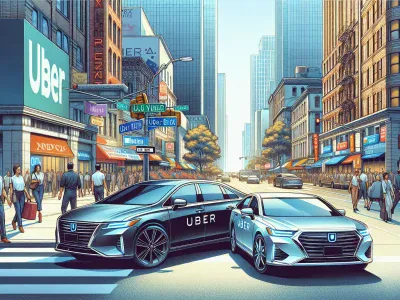
Picture this: you’re standing on a bustling city street, the hum of traffic filling the air as you weigh your options for getting home. Do you flag down a classic yellow taxi or tap a few buttons on your smartphone to summon an Uber? Both choices promise convenience, but they offer vastly different experiences that can make or break your ride.
, the way you travel has evolved dramatically. While taxis have been iconic symbols of urban transportation for decades, ridesharing services like Uber have disrupted the industry with their tech-driven approach. From pricing and availability to comfort and customization, these two options cater to very different needs. Understanding their key distinctions can help you make smarter decisions when it’s time to hit the road.
Overview Of Uber And Taxi Services
Urban transportation offers diverse options, with Uber and traditional taxis being prominent choices. Both services cater to distinct needs, providing varied experiences for travelers.
What Is Uber?
Uber operates as a ridesharing platform that connects riders with drivers through a mobile app. You book rides in real-time or schedule them in advance using GPS-based technology. Payment is cashless, managed directly through the app via credit cards, digital wallets, or other integrated payment systems.
Uber’s features include upfront pricing estimates and ride customization options like choosing vehicle types (e.g., UberX or Uber Black). Riders rate drivers post-trip, enhancing service quality. Operating globally in over 900 cities as of 2023, it ensures availability across different urban areas.
What Is A Traditional Taxi?
Traditional taxis follow a regulated structure governed by local authorities. You hail them on streets or at designated taxi stands without needing an app. Fares depend on distance and time taken during the trip, calculated using a taximeter installed in vehicles.
Taxis accept cash payments primarily but may offer card options depending on local regulations. Drivers undergo specific licensing processes ensuring familiarity with city routes and traffic laws. Taxis remain reliable for immediate pickups where ridesharing isn’t accessible or preferred due to personal preferences or constraints like poor network connectivity.
Key Differences Between Uber And Taxi
Choosing between Uber and a taxi depends on factors like cost, availability, and convenience. Both options cater to different needs with distinct service models.
Pricing Structures
Uber uses dynamic pricing, which adjusts fares based on demand. For example, during peak hours or bad weather, you might pay more for an Uber ride. In contrast, taxis rely on regulated fare systems using taximeters. Rates are predetermined by local authorities and remain consistent regardless of demand spikes.
While Uber provides upfront fare estimates through its app, taxi costs can only be approximated until the trip ends. This difference gives you more control over budgeting with ridesharing services like Uber.
Service Accessibility
Uber operates in over 900 cities worldwide but requires internet access and app installation to book rides. Taxis are readily available in urban centers without needing technology; they’re hailed from streets or stands instantly.
In rural areas or regions with limited connectivity, taxis may be easier to find compared to rideshare drivers who tend to cluster in high-demand zones.
Ride Booking Process
With Uber’s mobile platform, you request rides through GPS-tracked apps that match riders directly with nearby drivers. The app also allows real-time tracking of your driver’s location and arrival time.
For taxis, bookings happen physically by flagging one down or calling dispatch lines if pre-scheduling is needed—though this traditional process lacks advanced tracking features seen in modern platforms like Uber.
Wait Times And Convenience
Uber typically reduces wait times by connecting users with the nearest driver via its algorithm-based system. Shorter waits make it ideal when you’re pressed for time or traveling late at night where fewer transport options exist.
Benefits Of Uber Over Traditional Taxis
Uber offers distinct advantages over traditional taxis, enhancing the rider experience through modern technology and user-centric features. These benefits address common pain points associated with conventional taxi services.
Transparent Pricing And Payment
Uber provides upfront fare estimates before you confirm a ride. This feature removes uncertainty about costs, unlike traditional taxis where meter-based fares can vary depending on traffic or route changes. Payments are processed seamlessly through the app, supporting credit cards, PayPal, and digital wallets like Apple Pay. In contrast, taxis typically rely on cash payments or card readers that sometimes malfunction.
For instance, if you’re traveling during peak hours in a city like New York, Uber’s dynamic pricing informs you of higher rates due to demand spikes before booking. Taxi riders may only discover increased costs at the end of their trip.
Modern App-Based Convenience
Booking an Uber is as simple as opening the app and entering your destination. You don’t need to hail a car from the street or call dispatch centers. The app also lets you save locations for faster bookings and offers options like ride-sharing (e.g., Uber Pool) for cost savings.
You might find this particularly useful when exploring unfamiliar cities without knowing local taxi stand locations or phone numbers. For example, travelers in Tokyo often prefer ridesharing apps since language barriers make communicating with taxi drivers challenging.
Driver And Vehicle Tracking
Real-time tracking ensures safety by letting you monitor your driver’s location en route to pick-up and during the trip itself. Details such as driver name, photo, vehicle model, and license plate are visible in-app for added transparency.
Advantages Of Taxis Over Uber
Taxis offer practical benefits that make them a reliable choice in specific situations. Their traditional structure caters to diverse needs without relying on modern technology.
Availability Without App Dependency
Taxis operate independently of apps, ensuring access even without internet or smartphone availability. This is especially helpful in areas with poor network coverage or for individuals unfamiliar with ridesharing platforms like elderly passengers. You can hail a taxi directly from the street or find one at taxi stands, eliminating the need for digital tools.
For example, travelers arriving at busy airports often prefer taxis stationed nearby rather than navigating an app amid unstable Wi-Fi connections. Also, during emergencies when your phone battery dies, taxis remain a dependable option.
Local Knowledge Of Taxi Drivers
Taxi drivers possess extensive local knowledge due to their experience navigating city streets daily. They know alternative routes to avoid traffic congestion and are familiar with landmarks, neighborhoods, and popular destinations. This expertise ensures quicker travel times during peak hours or road closures.
For instance, if you’re visiting a new city and mention a landmark instead of providing an exact address, most taxi drivers will understand where you want to go without GPS reliance. Their familiarity adds convenience and reassurance when exploring unfamiliar locations.
Regulatory Oversight And Safety
Traditional taxis adhere to strict regulations set by local authorities about licensing, vehicle maintenance, and driver background checks. These measures promote passenger safety by ensuring that all cars meet specific standards before operating publicly.
Which Option Is Right For You?
Choosing between Uber and taxis depends on your priorities, location, and specific travel needs. If you prioritize convenience and customization, Uber might align with your expectations. With features like real-time tracking and upfront pricing, it’s ideal for tech-savvy individuals seeking a seamless experience. For example, if you’re traveling late at night in a less crowded area, Uber’s app-based system can quickly connect you to the nearest driver.
But, taxis prove beneficial when internet access is unreliable or absent. In urban centers where hailing a cab from the street is common—like New York City—you can often find one instantly without needing technology. Taxis also suit riders who prefer regulated fare systems or cash payments.
Consider cost sensitivity too. During peak hours or special events, Uber’s dynamic pricing may result in higher fares compared to taxis’ consistent meter rates. On the other hand, if transparency matters more than fluctuating prices, Uber’s upfront estimates eliminate surprises.
Your safety preferences could influence your choice as well. Taxi drivers undergo strict licensing protocols ensuring compliance with local regulations; this might offer peace of mind for some travelers over ridesharing options that depend on their own screening processes.
Conclusion
Choosing between Uber and taxis eventually depends on your personal preferences, travel needs, and the context of your journey. Both options have their strengths, whether it’s the tech-driven convenience of Uber or the reliability of traditional taxis. By weighing factors like cost, availability, safety, and accessibility, you can select the option that aligns best with your priorities.
Understanding these differences empowers you to make smarter transportation choices that suit any situation. Whether you’re seeking a seamless digital experience or prefer the familiarity of hailing a cab, both services cater to unique demands in today’s urban landscape.
Published: July 25, 2025 at 8:36 am by Ellie B, Site owner & Publisher
To provide the best experiences, we use technologies like cookies to store and/or access device information. Consenting to these technologies will allow us to process data such as browsing behaviour or unique IDs on this site. Not consenting or withdrawing consent, may adversely affect certain features and functions.
Functional
Always active
The technical storage or access is strictly necessary for the legitimate purpose of enabling the use of a specific service explicitly requested by the subscriber or user, or for the sole purpose of carrying out the transmission of a communication over an electronic communications network.
Preferences
The technical storage or access is necessary for the legitimate purpose of storing preferences that are not requested by the subscriber or user.
Statistics
The technical storage or access that is used exclusively for statistical purposes.The technical storage or access that is used exclusively for anonymous statistical purposes. Without a subpoena, voluntary compliance on the part of your Internet Service Provider, or additional records from a third party, information stored or retrieved for this purpose alone cannot usually be used to identify you.
Marketing
The technical storage or access is required to create user profiles to send advertising, or to track the user on a website or across several websites for similar marketing purposes.