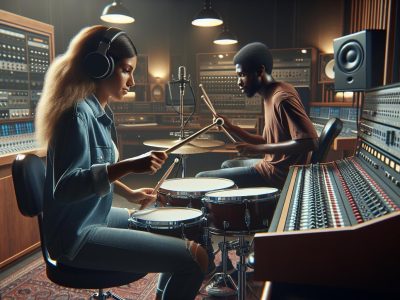
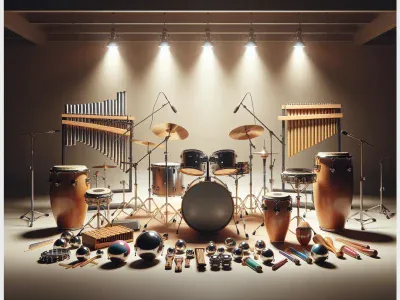
Ever listened to a song and wondered what makes its heartbeat? In music, this heartbeat is often defined by two key components: tempo and rhythm. While frequently intertwined, these elements carve out distinct roles in shaping musical expression. Understanding their differences deepens your appreciation and helps you communicate what makes a tune special. In this text, let’s unravel the intriguing nuances between tempo and rhythm.
Understanding the Basics of Tempo and Rhythm
Defining Tempo: Timing in Music
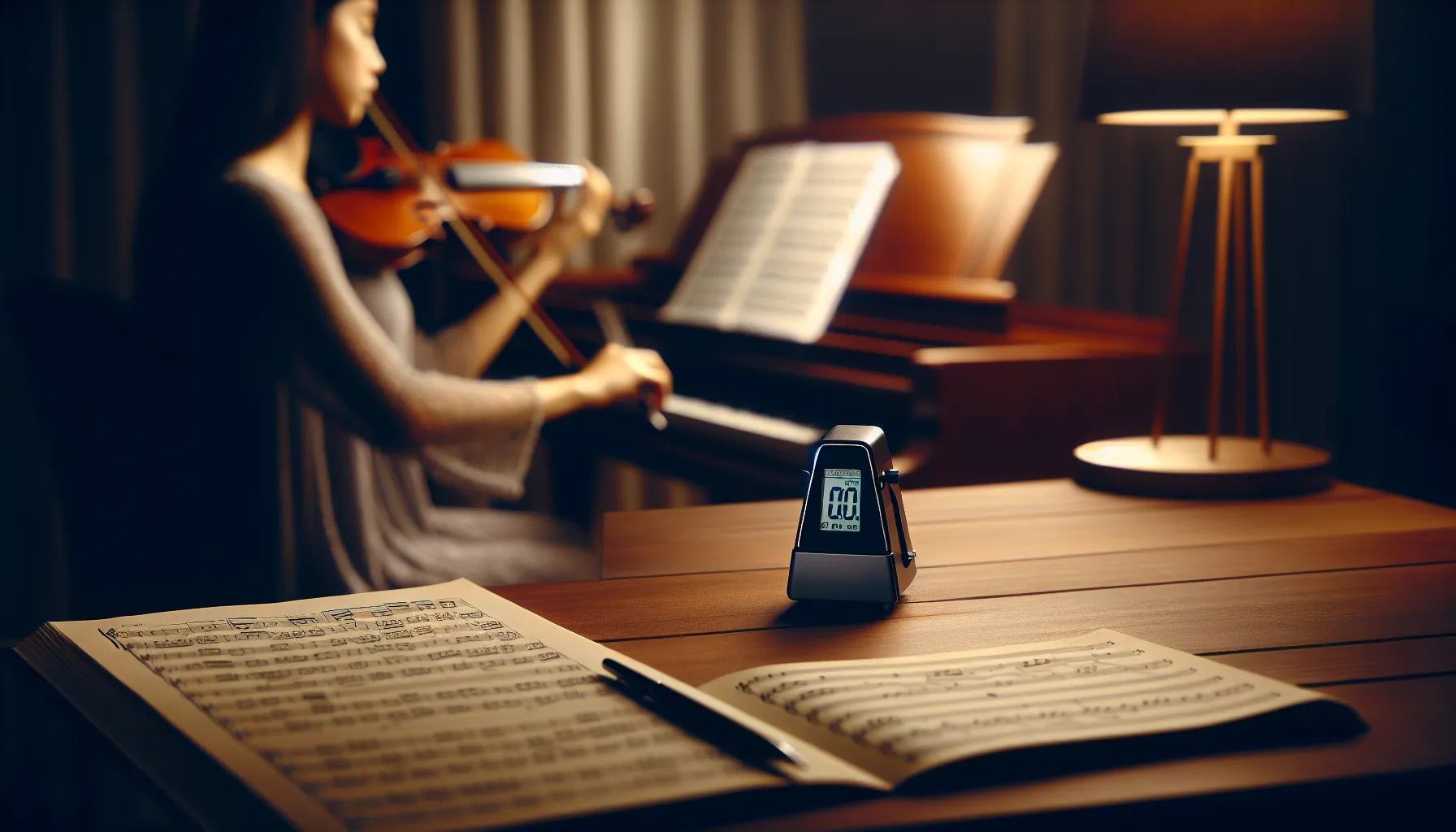
Tempo refers to the pace or speed of a piece of music, dictating how fast or slow it progresses. Measured in beats per minute (BPM), it creates the framework that influences how other components, like melody and harmony, unfold.
Exploring Rhythm: Patterns and Flow
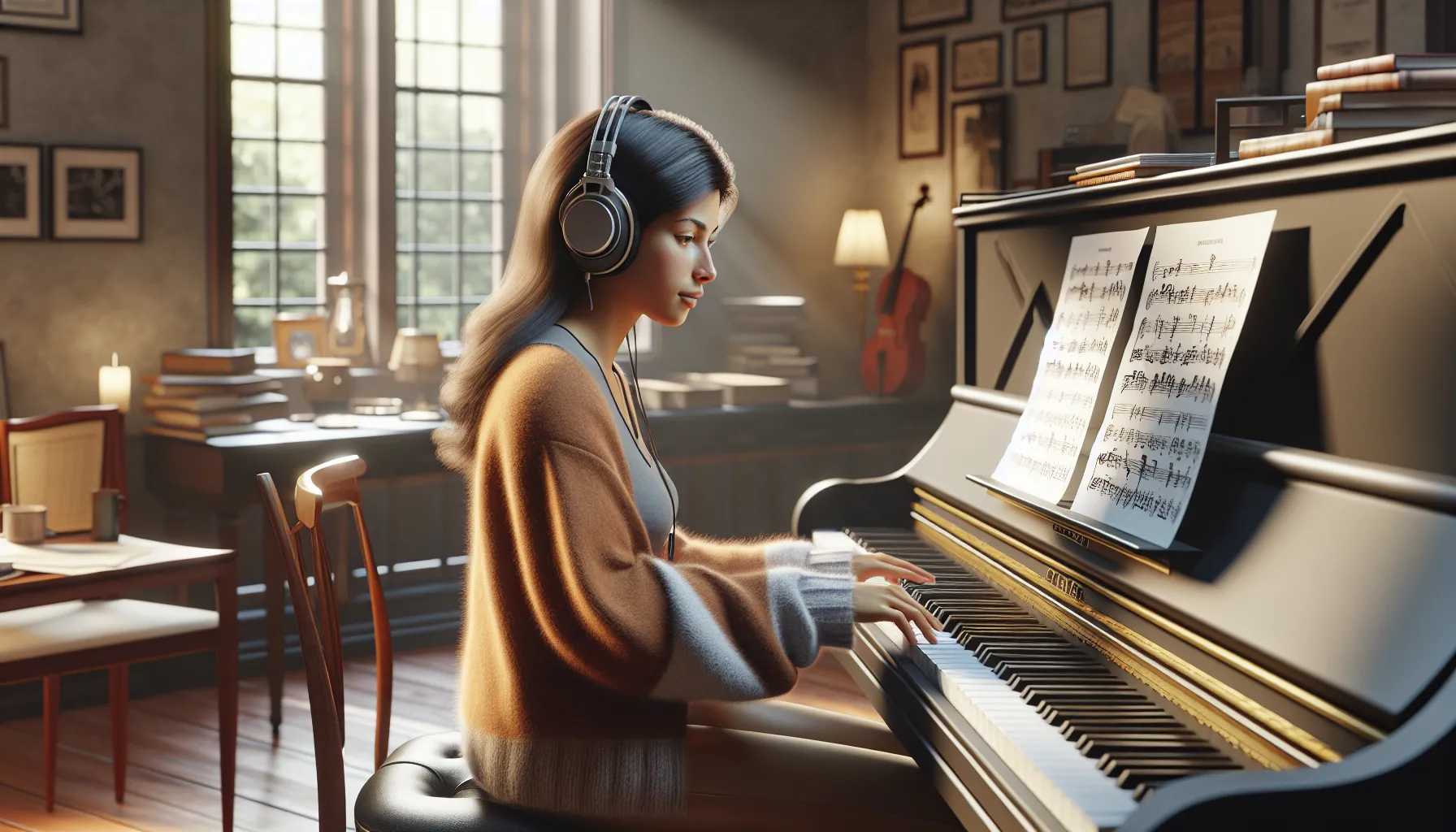
Rhythm, in contrast, denotes the structured pattern of beats and silences within music. It defines the flow, guiding both performers and listeners through a cohesive musical journey.
Key Characteristics and Examples
Tempo: Examples Across Different Genres
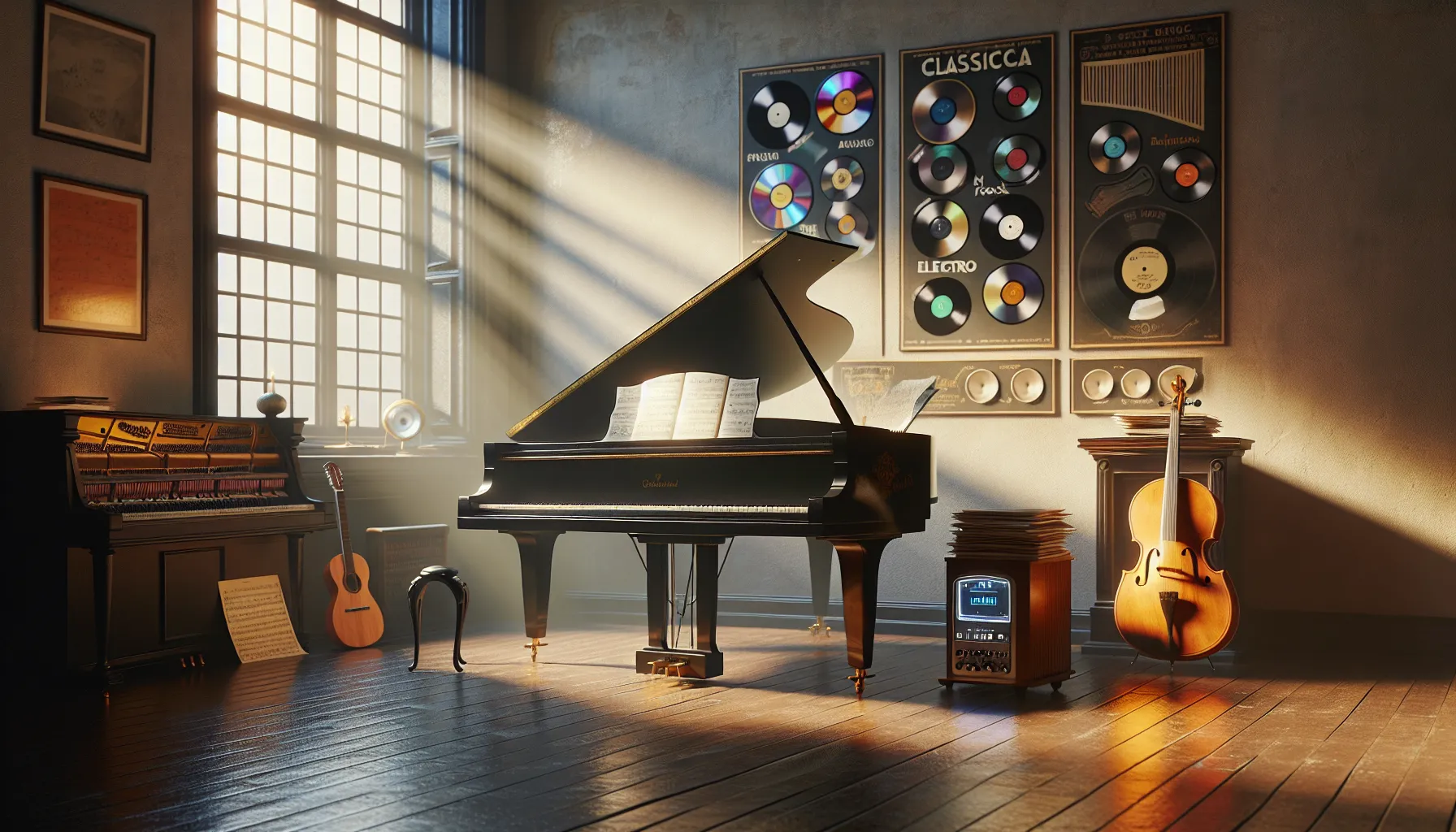
Different music genres use unique tempos to evoke distinct feelings, think of the leisurely BPM of ballads versus the energetic pace of electro tracks.
Rhythm: How It Frames Musical Interpretation
Rhythm influences the character of a piece by organizing sounds into repeatable patterns, shaping everything from folk tunes to classical compositions.
Comparative Analysis Between Tempo and Rhythm
Similarities in Function and Interaction
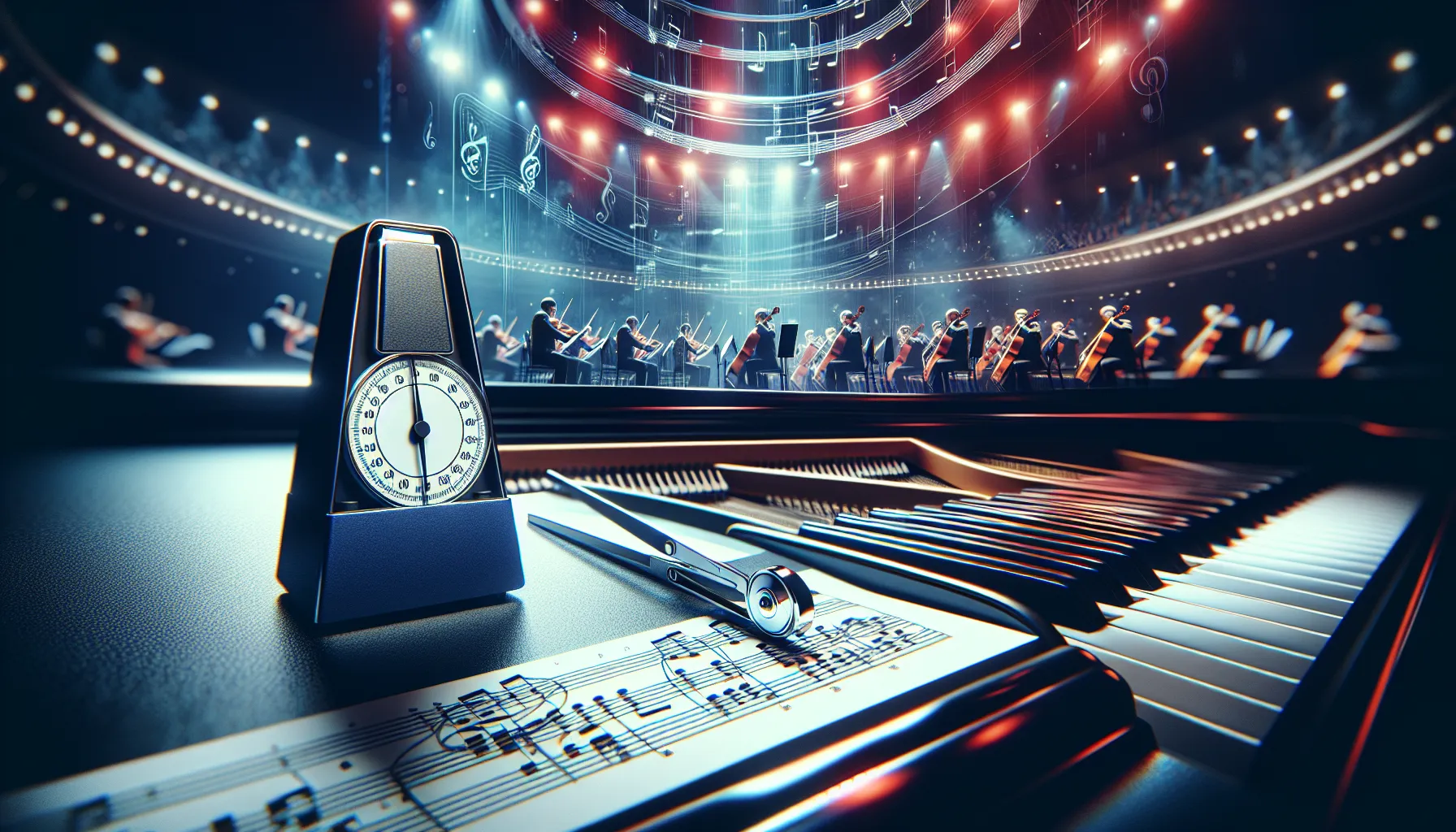
Both tempo and rhythm are foundational to music’s structure, working together to create a piece’s identity.
Differences in Application and Perception
But, while tempo serves as a consistent measure, rhythm offers flexibility, often varying within the same musical composition.
Practical Insights for Musicians and Learners
Common Misconceptions and Clarifications
Many learners confuse tempo and rhythm due to their interconnected roles, but distinguishing them is key to listening and performing effectively.
Tips to Identify Tempo and Rhythm in Music
To identify these elements, focus on the consistent ‘pull’ for tempo and the ‘patterns’ for rhythm, practicing with diverse musical examples.
Last Updated: December 9, 2025 at 11:09 am by Ellie B, Site owner & Publisher
To provide the best experiences, we use technologies like cookies to store and/or access device information. Consenting to these technologies will allow us to process data such as browsing behaviour or unique IDs on this site. Not consenting or withdrawing consent, may adversely affect certain features and functions.
Functional
Always active
The technical storage or access is strictly necessary for the legitimate purpose of enabling the use of a specific service explicitly requested by the subscriber or user, or for the sole purpose of carrying out the transmission of a communication over an electronic communications network.
Preferences
The technical storage or access is necessary for the legitimate purpose of storing preferences that are not requested by the subscriber or user.
Statistics
The technical storage or access that is used exclusively for statistical purposes.The technical storage or access that is used exclusively for anonymous statistical purposes. Without a subpoena, voluntary compliance on the part of your Internet Service Provider, or additional records from a third party, information stored or retrieved for this purpose alone cannot usually be used to identify you.
Marketing
The technical storage or access is required to create user profiles to send advertising, or to track the user on a website or across several websites for similar marketing purposes.