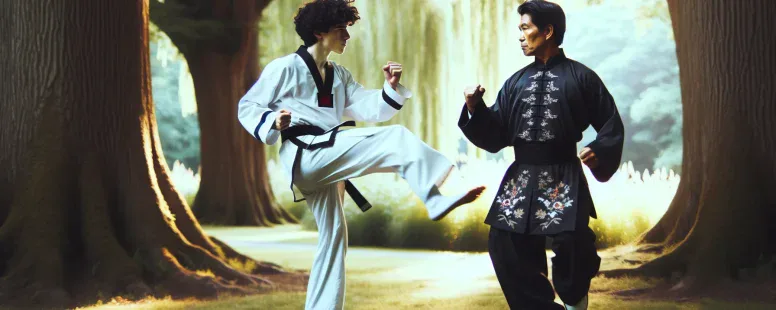
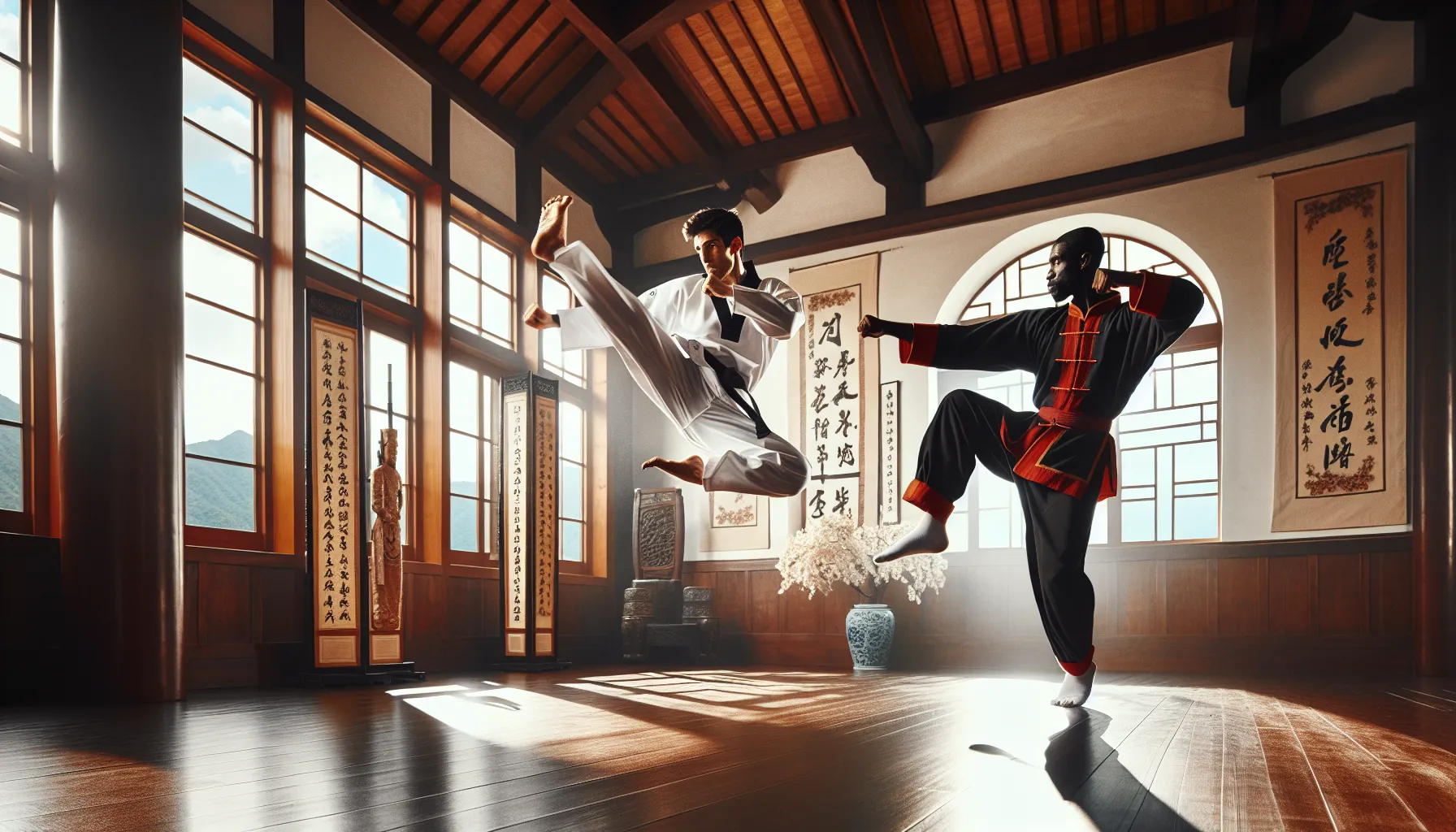
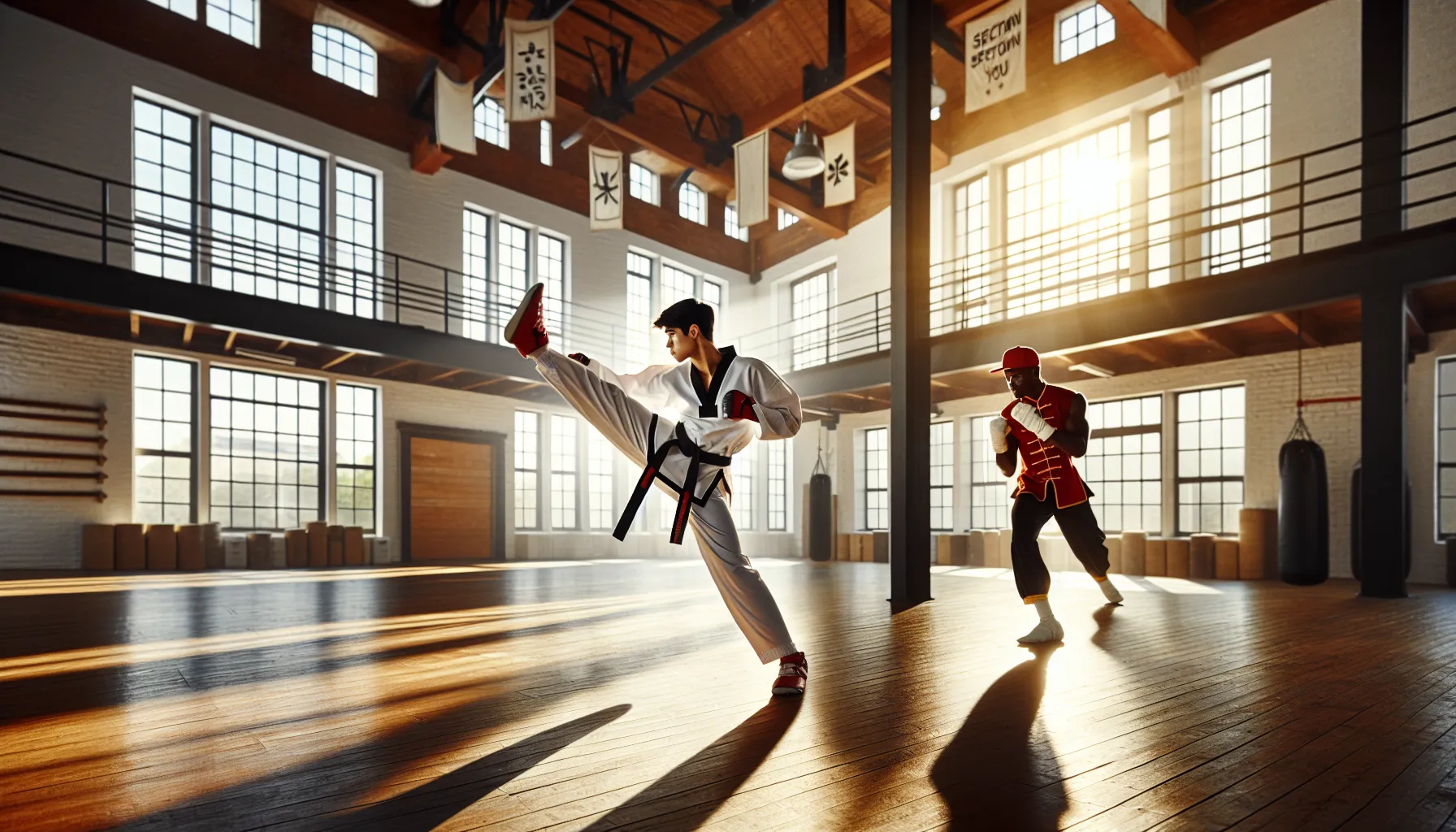
When embarking on the fascinating journey of martial arts, you’re likely to encounter two prominent disciplines: Taekwondo and Kung Fu. Each boasts a rich history and a unique approach to combat, culture, and personal development. If you’re curious about their distinctions and eager to choose a practice that aligns with your goals, this comprehensive exploration provides the insights you seek. Let’s jump into what makes Taekwondo and Kung Fu exceptional in their own rights.
Origins and Historical Context
Geographic and Cultural Beginnings
The origins of Taekwondo are rooted in Korea, where its development was influenced by traditional techniques such as Taekkyon and Subak. Conversely, Kung Fu has its roots in China and encompasses a vast range of martial arts traditions influenced by diverse regions and philosophies.
Development Through the Ages
Taekwondo evolved significantly during the mid-20th century, incorporating elements tailored for sport and global practice. Kung Fu, with centuries-old traditions, contributed to various forms of martial applications and was deeply embedded in Chinese history.
Philosophical Foundations
While Taekwondo emphasizes courtesy, integrity, perseverance, and indomitable spirit, Kung Fu integrates Confucianism, Taoism, and occasionally Buddhism, reflecting the philosophy of harmony and self-cultivation.
Key Characteristics of Taekwondo
Techniques and Movements
In Taekwondo, powerful and high-speed kicks are its hallmark, complemented by disciplined patterns and blocks.
Competitive and Practice Aspects
Globally acknowledged as an Olympic sport, Taekwondo includes competitive sparring and Poomsae (pattern practice).
Relevance in Modern Times
Its structured curriculum makes Taekwondo popular for fostering discipline, fitness, and self-confidence.
Key Characteristics of Kung Fu
Techniques and Forms
Kung Fu involves an intricate blend of striking, grappling, throws, and weapon handling embedded in forms (known as ‘taolu’).
Styles and Variability
The plethora of styles in Kung Fu, like Shaolin, Wing Chun, and Tai Chi, demonstrates extraordinary diversity in approaches.
Cultural Significance
Kung Fu’s integration into performing arts and its role in Chinese cinema has brought it to the forefront of global recognition.
Comparison Between Taekwondo and Kung Fu
Philosophy and Approach
In essence, Taekwondo focuses on explosive power and straightforward self-discipline, while Kung Fu offers a more fluid, adaptive art.
Applications in Self-Defense
Kung Fu typically develops techniques for close-range versatility, and Taekwondo leverages distance and powerful counters.
Training Regimens
Both require rigorous practice, though Kung Fu may incorporate conditioning, meditative exercises, and weapon training alongside traditional drills.
Which Martial Art Suits You?
Goals and Objectives
Your martial arts choice eventually depends upon your personal aspirations, be it fitness, self-defense, or mastering an elaborate art.
Physical Requirements and Benefits
Consider your preference for intensive legwork (Taekwondo) or diverse full-body movement (Kung Fu) when determining what suits you best.
Last Updated: January 19, 2026 at 11:08 am by Ellie B, Site owner & Publisher
To provide the best experiences, we use technologies like cookies to store and/or access device information. Consenting to these technologies will allow us to process data such as browsing behaviour or unique IDs on this site. Not consenting or withdrawing consent, may adversely affect certain features and functions.
Functional
Always active
The technical storage or access is strictly necessary for the legitimate purpose of enabling the use of a specific service explicitly requested by the subscriber or user, or for the sole purpose of carrying out the transmission of a communication over an electronic communications network.
Preferences
The technical storage or access is necessary for the legitimate purpose of storing preferences that are not requested by the subscriber or user.
Statistics
The technical storage or access that is used exclusively for statistical purposes.The technical storage or access that is used exclusively for anonymous statistical purposes. Without a subpoena, voluntary compliance on the part of your Internet Service Provider, or additional records from a third party, information stored or retrieved for this purpose alone cannot usually be used to identify you.
Marketing
The technical storage or access is required to create user profiles to send advertising, or to track the user on a website or across several websites for similar marketing purposes.