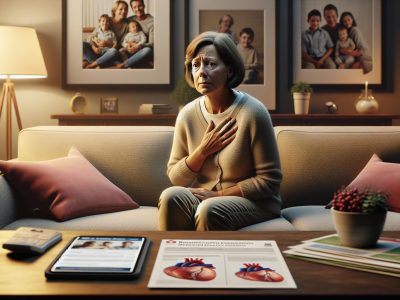
Picture this: your heart pounds like a frantic drum while your mind swims in a fog, searching for clarity. In a single moment, your body sends out a distress signal—sharp, sudden, and impossible to ignore. But is it your heart crying out for help or your brain under siege? The answer could change everything.
Most people think strokes and heart attacks are cut from the same cloth, but the truth is far more fascinating. Knowing the difference doesn’t just save lives—it empowers you to act swiftly when every second counts. Unraveling these medical mysteries reveals surprising ways you can protect both your heart and mind, transforming fear into confidence.
Understanding the Difference Between Stroke & Heart Attack
Picture you’re sitting at a café with your friend, talking about life. Suddenly, your friend clutches their chest, grimaces, and collapses. Maybe you think “heart attack”—but, what if moments later, another acquaintance shows up slurring their words, face drooping on one side? That’s not a heart attack, that’s a stroke. Both moments feel terrifying and demand quick thinking, yet they trace their roots to different parts of your body—each with its own set of warning signs and consequences.
Heart attacks affect cardiac tissue, most often happening when plaques—masses of cholesterol and other substances—block the coronary arteries. According to the CDC, about 805,000 Americans experience a heart attack every year (Centers for Disease Control and Prevention, 2023). When blood stops flowing to part of the heart muscle, the tissue begins to die almost instantly. What’s wild is that some attacks come as a crushing pain in your chest, while others sneak in as discomfort in your arm, jaw, or stomach.
Strokes target the brain’s intricate networks. Around 87% of strokes are ischemic, meaning a clot blocks blood flow to the brain (American Stroke Association, 2023). You’ll see signs like trouble speaking, sudden numbness, or confusion—sometimes all at once. For actress Sharon Stone, a stroke left her unable to read for years, showing just how devastating those blocked oxygen pathways can be.
Ask yourself this: would you notice if a coworker started speaking gibberish or lost vision in one eye? These symptoms seem subtle unless you know what they mean. “BE FAST”—Balance, Eyes, Face, Arms, Speech, Time—summarizes key signs to watch for. With a heart attack, “CHEST” helps: Chest pain, Heartburn-like feeling, Excessive sweating, Shortness of breath, and Tiring easily.
How do you know which emergency you’re seeing? Think about location and immediacy: strokes disrupt the nervous system, while heart attacks shock the circulatory system. In both cases, fast response means greater chance for recovery or even survival. Stories abound of athletes detecting silent heart attacks thanks to wearable EKG monitors, or seniors recognizing mini-strokes (TIAs) and seeking care before permanent damage sets in.
Experts like Dr. Sharonne Hayes at Mayo Clinic stress that public understanding saves lives. Your ability to act—whether by calling 911 or using an AED—can change someone’s future in an heartbeat, so don’t sit and hesitate. Reflect: When was the last time you reviewed your family’s medical history or checked your blood pressure?
If there’s one thing to remember, it’s this: brains and hearts may both stop, but recognizing the difference between stroke and heart attack starts with clear awareness. Stay curious, stay vigilant, keep learning.
What Is a Stroke?
A stroke affects your brain instantly, like pulling the plug on a lamp—the lights go out fast. When blood can’t reach your brain cells, that moment becomes a race against time. Have you ever seen someone suddenly stop speaking mid-sentence, their words drifting away as if stolen by the wind? That might be a stroke in action—a silent thief inside your skull.
Causes of Stroke
Doctors identify two primary ways strokes cut off blood flow to your brain matter: ischemic stroke and hemorrhagic stroke. Ischemic stroke, making up 87% of all stroke cases, happens when a clot blocks a blood vessel—a blockage, like a boulder in a narrow stream (CDC, 2023). Hemorrhagic stroke, much rarer, occurs when a vessel bursts and floods brain tissue, similar to a dam breaking after days of heavy rain.
Atrial fibrillation, an irregular heartbeat, often acts as a culprit for clots. High blood pressure weakens vessel walls, making ruptures likely. People who smoke, have diabetes, or high cholesterol have more risk factors, picture an overloaded bridge about to crack. Did you know, over 795,000 people in the US experienced a stroke last year (American Stroke Association)? Each case shares the same villain: interrupted blood supply.
Stroke Type
Share of Cases (%)
Typical Cause
Example Contributor
Ischemic Stroke
87
Vessel Blockage (Clot)
Atrial Fibrillation
Hemorrhagic Stroke
13
Vessel Rupture (Bleed)
Chronic Hypertension
Common Symptoms of Stroke
Symptoms of a stroke can come quick, defying expectation and shattering routine in seconds. Look for sudden numbness or weakness, especially on one side—picture being asked to raise your arms and one just fall back down. Speech becomes muddled, like static drowning out a song on the radio. Some people lose vision in one or both eyes. Severe headache, appearing without a cause, signals a possible hemorrhagic stroke—like thunder with no warning clouds.
You might witness someone laugh and a smile droops on just one side of their face. Try to remember the acronym BE FAST:
Balance: sudden dizziness or loss of coordination
Eyes: blurred or lost vision
Face: one-sided drooping
Arms: arm weakness or drift
Speech: slurred or confused words
Time: every second means less chance of brain recovery
Did your neighbor once forget her own address as she stood on the porch, panic clouding her eyes? That’s how confusing a stroke will get. Always act quickly; time is brain—literally. Your awareness could decide the next chapters in someone’s memory.
What Is a Heart Attack?
Heart attacks strike when blood flow to the heart muscle gets blocked, leaving the tissue starved for oxygen. Think about the heart as a determined orchestra conductor—when a clot cuts in, the music stops, and chaos follows within seconds. Many people wonder—could a quiet ache in the chest be the siren call of a heart attack? You ought to know the stories behind every beat, because acting in the earliest moments often makes the difference between life and loss.
Causes of Heart Attack
A heart attack typically happens due to coronary artery disease, where plaque—a sticky blend of fat, cholesterol, and cellular junk—builds up over years. Sudden rupture of this plaque forms a thrombus, or a blood clot, that abruptly blocks the artery. Age 45+ for men, age 55+ for women, and habits like smoking, high-fat diets, or unmanaged diabetes invites danger by nurturing these hidden plaques (CDC, 2023).
Medication sometimes plays a role: for example, nonsteroidal anti-inflammatories (NSAIDs) like ibuprofen carry a slight but real risk for some people, especially in high doses (FDA, 2023). Emotional stress explodes blood pressure, which can tear vulnerable plaques, making heart attacks more likely during events like natural disaster or sudden grief. How’s your heart today—could unseen stress or skipped checkups be nudging your risk higher?
Common Symptoms of Heart Attack
You’re more likely to spot a heart attack if you know the classic warning signs, yet every story reads a bit different. Common symptoms include chest pain or discomfort—sometimes sharp, sometimes squeezing—that lasts more than couple minutes or goes away and comes back. Pain might spread to the arm, jaw, back, or even stomach, like a wildfire leaping from tinder to treetop.
Shortness of breath, cold sweats, nausea, or feeling lightheaded all follow. Unusual fatigue often signals danger, especially for women. A 59-year-old woman named Marie thought her upset stomach was nothing but indigestion, yet she was experiencing a heart attack. Swift response—dialing 911, not driving yourself—provides your highest shot at survival; the heart muscle starts dying within 20-40 minutes without blood flow (American Heart Association, 2023).
If you ever ask “Could this be my heart?”, pause and act. Early doubts might just save a whole lifetime of music.
Key Differences Between Stroke & Heart Attack
Understanding stroke and heart attack means knowing your body’s two most vital power centers—the brain and the heart. Each condition turns seconds into a ticking clock, yet they impact completely different systems. Recognizing how these crises play out inside you could mean the difference between recovery and lasting damage.
How They Affect the Body
Stroke disrupts your brain’s lifeline, stealing oxygen in the blink of an eye. Picture a city plunged into darkness—neurons, like electrical wires, stop working when their energy supply cuts out. Within minutes, memory, movement, or speech slip away. If the blood blockage happens in the left hemisphere, you might lose the power to speak, while the right side controls movement—leaving you unable to lift an arm or smile. According to the CDC, 87% of strokes are ischemic, blocking blood flow, while 13% are hemorrhagic, where a vessel bursts open.
Heart attack strikes your chest with crushing force. The heart, your body’s engine, stalls because oxygen-rich blood can’t get past a clogged artery. Muscle cells start dying—fast. If you ever felt a sudden, sharp pain in your chest, or a relentless tightness when resting, you’re already close to the symptoms. Johns Hopkins Medicine reports that irreversible heart muscle damage starts within 30 minutes if oxygen isn’t restored. Sometimes, pain creeps into the arms or jaw. Sometimes it’s just a cold sweat.
Picture missing a sign, because symptoms don’t always shout—they whisper. Ever woken up breathless or with a dull ache in the shoulder? These subtle cues could be the heart crying out. With strokes, symptoms are nearly always immediate and striking, but with heart attacks, some people—especially women or diabetics—get only vague discomfort.
Risk Factors and Warning Signs
Both conditions share killers: smoking, hypertension, and high cholesterol. But strokes love unpredictability—atrial fibrillation throws clots north to your brain, while carotid artery disease narrows the blood’s highway to memory and movement. Heart attacks thrive on plaque building up over decades, often striking after years of silent damage.
Scientists at Harvard T.H. Chan School of Public Health found that those who smoke has twice the risk of a stroke and nearly triples their risk of heart attack. Family history, obesity, and diabetes stack the odds drastically higher for both, but sometimes stories diverge—a friend’s father finds out he has atrial fibrillation after a dizzy spell, putting him at sky-high risk for stroke, while another relative’s cardiac arrest follows decades of silent artery disease.
Ask yourself: Would you spot the warning signs in the mirror or loved ones? Strokes hit suddenly—slurred speech, arm weakness, or a sagging face. Emergency responders use “BE FAST”: Balance loss, Eye changes, Face drooping, Arm weakness, Speech slurring, Time to call help. Heart attacks rely on “CHEST”: Chest pain, Heaviness, Excess sweating, Shortness of breath, Tiredness. Both demand rapid 911 calls—waiting or driving can shrink your chance of survival.
Ignoring vague symptoms invites danger. Have you checked your pulse lately for irregularity? Does your blood pressure tick higher each year? These small details can be silent alarms. CDC data shows that controlling high blood pressure can cut stroke risk by 48% and heart attack risk by 33%. Action means listening to your own story—your health, your risks, your future.
Diagnosis and Treatment Approaches
Diagnosis and treatment steps for stroke and heart attack unfold in parallel, yet distinct ways, with each second carrying enormous weight. You navigate separate hospital protocols, imaging tests, and drug decisions, as doctors race to restore normal blood flow—with your future, literally, on the line.
Immediate Medical Response
Diagnosis of stroke or heart attack starts with your story—what happened, what you felt, and when it begin. Paramedics often ask, “What time did your symptoms start?” because every minute after a brain or heart artery closes off, tissue begins dying. For stroke, CT scans or MRIs unveil bleeding or blockages; for heart attack, an EKG measures your heart’s electricity and blood tests show troponin spiking in your bloodstream, signaling heart muscle damage (AHA, 2023).
Treatment aims for speed. In ischemic stroke, clot-busting drugs like alteplase may save neurons if injected within 4.5 hours. Mechanical thrombectomy, where doctors snake a device into your brain’s vessels, plucks out obstructive clots. For heart attack, you might get aspirin, nitroglycerin, blood thinners, or, if arteries are blocked, quick transfer to a cardiac cath lab for stenting or balloon angioplasty. You won’t have the luxury of waiting. every minute lost in a heart attack—or what the Cleveland Clinic calls a “door-to-balloon” interval—boosts your mortality rate by 7.5%.
Your experience may feel chaotic—doctors shouting, wires everywhere, shadowy images flickering on screens—yet everything points toward a single goal: opening blocked vessels and preserving life. Did you know someone having a heart attack sometimes never feels chest pain but reports only overwhelming fatigue or nausea? Stories from patients treated at Johns Hopkins show that showing up early (even though embarrassing doubts) often makes the difference between full recovery and lifelong disability.
Long-Term Recovery and Management
Recovery from stroke or heart attack changes everything you thought you knew about your body. After stroke, you may work with neurologists, speech therapists, physical therapists, and occupational therapists. Some patients regain speech by singing; others, like a 47-year-old Chicago runner, re-learned to walk after six months and credits early rehab and social support (CDC, 2022). Cardiac rehabilitation after a heart attack covers supervised exercise sessions, diet counseling, and medication, plus regular checks of blood pressure and cholesterol.
In both cases, doctors prescribe blood thinners such as clopidogrel or anticoagulants, beta-blockers, statins, and ACE inhibitors. The American Stroke Association points to evidence that multi-disciplinary teams help survivors return to work and activities sooner, but disparities exist—rural patients sometimes wait weeks for outpatient rehab.
Lingering symptoms persist for 30-50% of stroke or heart attack survivors: depression, memory lapses, fatigue. Do you know your own risk? Experts say investing in annual checkups, cholesterol screening, quitting smoking, and controlling blood pressure brings more benefit than marveling at breakthrough medicines alone.
Would you recognize a mini-stroke or silent heart attack in yourself or a family member, if the signs whispered instead of screamed? This knowledge—woven from research, real scans, and your lived experience—can light up the path toward renewed strength and prevention.
Prevention Tips for Stroke & Heart Attack
Think about your daily routine—are your habits building a fortress for your heart and brain, or leaving cracks where disease can creep in? Prevention, not luck, separates many from becoming one of the 795,000 Americans who have a stroke or the 805,000 who experience a heart attack every year (CDC, 2023). Even small decisions ripple into big health results.
Eating Smart Shapes Your Risk
Choosing unprocessed foods like leafy greens, salmon, and nuts builds resilience against cardiovascular and cerebrovascular damage. For instance, the Mediterranean diet—rich in olive oil and vegetables—lowers heart attack risk by 30% (NEJM, 2013). But skipping breakfast or relying on processed snacks invites higher cholesterol and blood pressure, opening the door to both stroke and heart attack.
Moving With Intention Protects Vessels
Brisk walking, swimming, and yoga keep blood vessels supple, countering the stiffening that makes arteries prone to blockages and ruptures. The American Heart Association recommends at least 150 minutes of moderate exercise a week. Missing these minutes, even in busy lives, makes your risk surge.
Quitting Smoking Heals Fast
Cigarette smoke thickens blood and damages vessel linings. that one year after quitting, your heart attack risk falls by about 50% (AHA, 2022). Picture your arteries as city tunnels—clearing out smoke and debris lets traffic (blood) flow freely. If you’re still lighting up, ask yourself: what’s the story behind that next cigarette?
Controlling Blood Pressure Heads Off Disaster
Hypertension whispers, but then it shouts—80% of stroke victims have high blood pressure (American Stroke Association, 2021). Track your numbers regularly and follow your provider’s care plan. Left unchecked, each silent rise pushes you closer to an emergency.
Managing Stress Reshapes Your Biology
Chronic stress floods your bloodstream with hormones that raise blood pressure and trigger inflammation. Practicing mindfulness, deep breathing, or even spending time with pets works better than ignoring mounting tension. Consider: when’s the last time you sat still and felt your own pulse slow down?
Scheduling Regular Checkups Saves Lives
Routine physicals catch silent risk factors before symptoms erupt. For example, annual cholesterol and glucose screenings often identify problems early, when they’re easiest to manage. Ignoring these appointments may feels harmless, but it’s like skipping routine maintenance for your car—breakdowns loom.
Knowing Your Family’s Medical Story Guides Your Path
Genetics play a huge role but don’t write your fate. If both of your parents had early-onset heart disease, your risk climbs significantly (Circulation, 2019). Sharing this information with your doctor sharpens their ability to target prevention specifically for you.
Picture your bloodstream as a network of highways and every healthy choice as a rest stop that keeps traffic flowing safely. When’s the last time you paused to consider if your habits protect the journey? Prevention isn’t about perfection—it’s about daily investments that build a stronger future for your heart, your brain, and your story.
Conclusion
Knowing the key differences between a stroke and a heart attack gives you the power to act quickly and confidently in an emergency. With the right information and a proactive approach to your health, you can greatly reduce your risk and protect yourself and your loved ones.
Stay alert to warning signs, keep up with healthy habits, and never hesitate to seek medical help if you notice anything unusual. Your awareness and quick response can make all the difference when every second truly counts.
To provide the best experiences, we use technologies like cookies to store and/or access device information. Consenting to these technologies will allow us to process data such as browsing behaviour or unique IDs on this site. Not consenting or withdrawing consent, may adversely affect certain features and functions.
Functional
Always active
The technical storage or access is strictly necessary for the legitimate purpose of enabling the use of a specific service explicitly requested by the subscriber or user, or for the sole purpose of carrying out the transmission of a communication over an electronic communications network.
Preferences
The technical storage or access is necessary for the legitimate purpose of storing preferences that are not requested by the subscriber or user.
Statistics
The technical storage or access that is used exclusively for statistical purposes.The technical storage or access that is used exclusively for anonymous statistical purposes. Without a subpoena, voluntary compliance on the part of your Internet Service Provider, or additional records from a third party, information stored or retrieved for this purpose alone cannot usually be used to identify you.
Marketing
The technical storage or access is required to create user profiles to send advertising, or to track the user on a website or across several websites for similar marketing purposes.