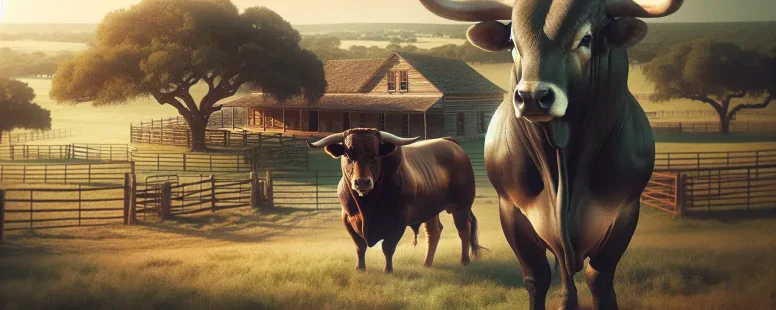
Picture yourself standing at the edge of a sprawling pasture, sunlight glinting off the glossy hides of cattle as they graze. You hear the low rumble of hooves and wonder—what really sets one animal apart from another in this herd? The answer isn’t just about size or strength. It’s a story of biology, purpose, and even tradition.
You might be surprised to learn that knowing the difference between a steer and a bull can unlock secrets about ranching, meat quality, and animal behavior. This knowledge isn’t just for farmers—it can make your next steak dinner more meaningful or spark conversation at the table. Immerse and discover how these distinctions shape the world of cattle in ways you never expected.
Understanding Cattle Terminology
When you walk through a pasture, what’s the real difference between a steer and a bull? Cattle terminology sometimes runs deeper then simple labels. In dependency grammar, steer and bull acts as distinct semantic entities, each carrying unique syntactic roles with specific modifiers: age, function, and reproductive status.
A steer, for instance, is always a castrated male bovine—typically altered before puberty. Ranchers prefer steers for beef production because castration effects hormone levels. Steers are calmer, they’re grow faster, and develop tenderer meat compared to intact bulls. USDA data shows steers make up about 80% of finished beef cattle in the United States (USDA, 2023). Bulls, by contrast, stay uncastrated and serve as breeding stock. Their primary role is reproduction, which is why bulls exhibit more aggressive behaviors and pronounced musculature—attributes sought after in herd sires.
Consider this anecdote from a Texas ranch: Jake, a fifth-generation cattleman, recalls how his best bull once broke through three fences to reach cows in heat during spring. Could a steer done the same? Unlikely. With less hormones stirring him, a steer might barely wander an extra pasture in search of grass. You see, the syntactic heads—steer versus bull—drive different predicate actions and social interactions.
When classifying cattle, be precise—ask, is the animal’s function for breeding or beef? Behavioral patterns and physical changes guides you. For example, bulls display thick, crested necks and larger shoulders, while steer anatomy stays more moderate, lacking such pronounced features.
Why does this really matter? If you’re selecting cattle for a 4H project, the choice affects not only herd temperament but market value too. Sometimes people confuse a bull calf with a young steer in auction barns, but the consequences for a ranch’s bottom line can be quite large. Next time you pass a field, could you identify a steer from a bull, simply by behavior or build?
Understanding these terms grounds you in cattle culture, helping you see every herd for what it truly represents—the sum of its parts, linked together by both language and lineage.
What Is a Steer?
A steer refers to a male bovine that’s castrated before reaching sexual maturity. This livestock category holds significant value in both ranching and beef production, serving roles that change agricultural economics and culinary experiences.
Key Characteristics of Steers
Steers display a docile temperament, shaped by early castration. Juxtaposed with bulls, steers develop less muscle mass and exhibit minimal aggressive behavior. You’d notice that steers, unlike their bull counterparts, lack thick neck crests and have smaller, softer secondary sex characteristics. Their skeletal structure tends to be less massive, resulting in uniform fat distribution—prime for quality beef production.
Castration not only affects behavior, it impacts physical development. According to Texas A&M AgriLife Extension, steers reach market readiness between 12 and 24 months. Commercial ranchers say this difference in disposition enables handlers to manage large herds safely, reducing risk of injury. For example, 2,500-head steers at King Ranch in Texas graze peacefully side by side, while fewer than a dozen bulls would be kept strictly separated for safety.
Common Uses for Steers
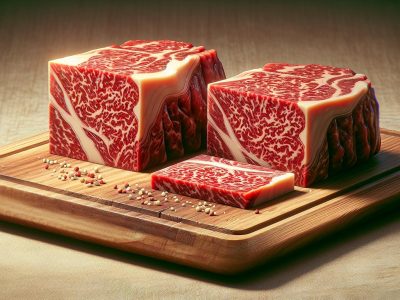
Farmers and ranchers favor steers for beef production, with the USDA reporting that about 80% of feedlot cattle are steers. It’s no surprise—their tender meat, consistent marbling, and manageable size fit both family dinners and upscale steakhouse menus. Steers supply the bulk of supermarket beef, unlike cows (female bovines) or bulls.
Beyond meat, steers sometimes serve as draft animals in small-scale farms or historical reenactments; think about the iconic image of a yoke of steers plowing an early American field. Are you wondering about rodeos? Producers rarely chose steers for bucking events, since their calmness works best for 4-H youth projects, petting zoos, and even therapy livestock. The breed, age, and castration timing all shape the steer’s final use, making every herd unique.
Attribute
Steer (Castrated Male Bovine)
Bull (Intact Male Bovine)
Primary Role
Meat production, draft animal
Breeding, genetic diversity
Temperament
Docile, easy to manage
Aggressive, territorial
Physical Characteristics
Less musculature, even fat
Robust, muscular build
Market Percentage
~80% of U.S. feedlot cattle
Less than 10% of herd
By recognizing the steer’s role, you’ll better understand how this livestock shapes steakhouse menus, ranch management, and agricultural traditions.
What Is a Bull?
A bull stands as the uncastrated, mature male in the cattle world, carrying a commanding presence on pastures and feedlots alike. Bulls shape bloodlines and drive the future of the herd, their role extending far beyond sheer power.
Key Characteristics of Bulls
Muscle mass marks a bull’s frame—thicker shoulders, prominent neck, and a broader head distinguish these animals from steers. Testosterone fuels both their impressive size and their often unpredictable temperament. Bulls frequently display territorial behavior, challenging both animals and ranchers with assertive movements. The presence of a well-developed crest along the neck, larger testicles, and heavier bone structure set bulls apart visually. Noise levels rise around a bull, with deep vocalizations or “bellowing” calling attention to their readiness during breeding season.
Genetics, too, define a bull’s legacy. Each breeding bull brings a unique genetic profile, impacting traits like growth rate, disease resistance, and beef marbling within a herd. Legendary bulls in Texas ranching history—like the famous 002 “Power Play” Angus—change entire herd dynamics with just a single season’s offspring.
Common Uses for Bulls
Breeding drives a bull’s primary value. You’ll find registered bulls on operations focused on quality genetics, where ranchers track offspring pedigree with meticulous detail. Bulls service herds ranging from small family farms in Wisconsin to expansive spreads in Brazil, inseminating dozens or even hundreds of cows over their lifetime if health allows. Artificial insemination programs frequently rely on high-earning bulls whose semen ships globally, connecting bloodlines across continents.
Show circuits also feature impressive bulls, with ribbons won at state fairs dramatically increasing their market value. Bulls in rodeo bring excitement, their agility and power turning each performance into a test of human nerve and bovine athleticism. Some bulls, like the famous “Bodacious,” become legends—drawing fans and challenging riders across generations.
Aggression raises questions on safety and ethics. Bulls account for a significant share of cattle-related injuries on farms, requiring dedicated handling systems and specialized training for handlers (CDC, 2017). Choosing bulls for docility forms a new trend in selective breeding, reflecting evolving priorities in animal husbandry.
Bulls shape not only herds but entire ranching traditions, standing as icons of vigor, risk, and genetic promise.
Main Differences Between Steer and Bull
You’ll spot the biggest distinctions between a steer and a bull right away—but not always in the ways you’d expects. Ranchers, breeders, and chefs depend on the differences in body structure, temperament, and utility. Picture you’re helping to select cattle for a county fair and need to tell which animal might suit what specific role—knowing these distinctions makes all the difference.
Physical Differences
Physical features usually define the difference between steers and bulls. Bulls display a more robust muscle mass, especially in the shoulders, neck, and crest (Smith et al., 2020). For example, a mature bull often weighs over 2,000 pounds—think of the sheer power in a professional rodeo bull. In contrast, steers show a smoother body, less pronounced muscling, and even fat distribution, which beef producers favor for marbling. Noting details like body proportions, fat deposits, and neck thickness helps you figure out what your looking at even if you can’t see obvious reproductive organs.
Attribute
Steer Example
Bull Example
Muscle Mass
Moderate, balanced
Heavy, with pronounced neck/shoulders
Weight
1,200–1,600 lbs (Simmental Steer)
1,800–2,400 lbs (Charolais Bull)
Neck Crest
Small or absent
Distinctive, thick
Build
Blockier, less defined
Angular, powerful
Behavioral Differences
Behavior sharply distinguishes steers from bulls in ways that can shape everyday ranch work. Steers typically act docile, which makes group management easier and safer (Beef Quality Assurance, 2023). They’ll tolerate crowds and close handling, rarely picking fights with herd mates, and seem as content as a barn cat on a sunny windowsill. Bulls act different. They become territorial, especially around breeding seasons—a rancher in Oklahoma recalled mending fences three times in one week after a bull tore through each, chasing a rival’s scent. Bulls display assertive, even aggressive, behaviors and test boundaries. When touring a pen, you’d best keep an eye on that bull—he’ll assert himself, sometimes without warning.
Roles in Agriculture
Roles on the ranchline for steers and bulls reflect their biology and temperament. Steers dominate the beef supply chain, accounting for around 80% of U.S. finished beef cattle (USDA, 2022). That means almost every steak you sizzle at home came from a steer. Youth livestock projects or farm draft teams often rely on the manageable nature of steers—an 11-year-old from Nebraska steered a docile Hereford steer through a county fair with ease, earning a blue ribbon.
Bulls, by comparison, serve as the patriarchs of the pasture. Their primary task centers on breeding, where a single bull’s genetics can influence hundreds of future animals. Elite bulls become “celebrity sires,” changing entire bloodlines and sometimes fetching six-figure sale prices at auction. Bulls also appear in the thrilling centerpiece of rodeos and livestock shows, symbols of strength and unpredictability—just ask anyone who watched Bodacious at a PRCA event.
Ranchers, animal scientists and steak lovers alike rely on these differences—the muscle of a bull, the calm of a steer, and the path from prairie to plate. Which of these bovine personalities would you have chosen for your own backyard?
Importance of Knowing the Difference
Realizing the difference between a steer and a bull shapes every interaction you have with cattle. Picture stepping onto a ranch, the smell of hay hanging in the air, the cattle milling about—could you tell which broad-shouldered animal is destined for the show ring and which will fill a steak platter? Your answer shapes safety, profit, and even dinner.
You wouldn’t want to mistake a bull for a steer, especially not when entering a pen. Bulls, as the American Veterinary Medical Association notes, account for most cattle-related injuries in North America. A rancher from Oklahoma shared how a single misidentification during spring breeding cost her two valuable calves and weeks mending fence: the bull’s territorial drive activated, while the docile steers milled calmly, unaware of the storm.
Culinary choices depend on recognizing classification differences. Steers produce richly marbled beef, bringing joy to steak lovers. By contrast, a bull’s leaner, chewier muscle structure wouldn’t win over gourmands at a high-end steakhouse in Dallas. The National Cattlemen’s Beef Association highlights that up to 80% of prime beef comes from steers, not bulls, due to the superior fat distribution.
Breeding decisions hinge on a sharp eye for sex and status. Selecting the wrong animal for genetic advancement can dilute herd quality for years. That prized Angus bull, lineage tracked back ten generations, infuses specific traits: rapid weight gain, calm temperament, fetal prowess. Picture if you chooses a steer by mistake—your herd’s future goes nowhere.
Animal science students learn early: breed a steer, you get silence; breed a bull, and you shape the herd’s DNA forever. Livestock auctioneers in Texas spin yarns of buyers who mixed their pens—auctioning a steer at breeding stock prices, embarrassing as it is costly.
Curiosity drives innovation. Cattle behavior researchers in Colorado State University use the distinction to study aggression genes, aiming to breed bulls as gentle as steers, reducing injuries without losing productivity. Could you see a future where every bovine, regardless of role, offers safety alongside value?
Think about the stories stamped on every cattle brand. The steer brought to 4H fairs, its placid demeanor teaching kids responsibility. The bull paraded at the Denver Stock Show, crowned for his genetics, his shadow stretching over the next generation.
When you recognize the difference, culinary experiences, agricultural ventures, and even cocktail conversations level up. It’s about more than cattle—it’s about understanding how every link in this chain, from pasture to plate, depends on knowledge. If you walks away questioning, you’re already half-expert.
Conclusion
Understanding the difference between steers and bulls gives you a deeper appreciation for the cattle industry and the food on your plate. Whether you’re a rancher, a steak lover, or just curious about livestock, knowing these distinctions helps you make more informed choices and engage in meaningful conversations.
Next time you enjoy a steak or visit a ranch, you’ll recognize the significance behind each animal’s role. This knowledge not only enhances your dining experience but also connects you to the rich traditions and careful practices that shape modern agriculture.
To provide the best experiences, we use technologies like cookies to store and/or access device information. Consenting to these technologies will allow us to process data such as browsing behaviour or unique IDs on this site. Not consenting or withdrawing consent, may adversely affect certain features and functions.
Functional
Always active
The technical storage or access is strictly necessary for the legitimate purpose of enabling the use of a specific service explicitly requested by the subscriber or user, or for the sole purpose of carrying out the transmission of a communication over an electronic communications network.
Preferences
The technical storage or access is necessary for the legitimate purpose of storing preferences that are not requested by the subscriber or user.
Statistics
The technical storage or access that is used exclusively for statistical purposes.The technical storage or access that is used exclusively for anonymous statistical purposes. Without a subpoena, voluntary compliance on the part of your Internet Service Provider, or additional records from a third party, information stored or retrieved for this purpose alone cannot usually be used to identify you.
Marketing
The technical storage or access is required to create user profiles to send advertising, or to track the user on a website or across several websites for similar marketing purposes.