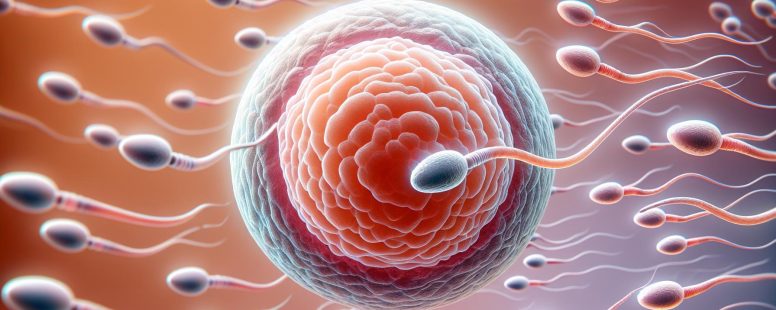
Life’s intricate design begins with the smallest of cells, and the processes behind their creation are nothing short of fascinating. Have you ever wondered how the human body meticulously crafts the building blocks of life? Spermatogenesis and oogenesis, though similar in their goal of forming gametes, unfold in profoundly different ways that highlight the beauty of biological precision.
Picture this: one process churns out millions of tiny swimmers daily, while the other nurtures a single, precious cell over weeks. These contrasting mechanisms are a testament to how nature tailors its strategies to meet unique reproductive roles. Understanding these differences not only deepens your appreciation for biology but also unveils the remarkable balance that sustains life itself.
Overview Of Spermatogenesis And Oogenesis
Spermatogenesis and oogenesis are gametogenesis processes in males and females, respectively. These mechanisms ensure the formation of haploid gametes, critical for human reproduction, but follow distinct pathways.
Definition Of Spermatogenesis
Spermatogenesis occurs within the seminiferous tubules of the testes, transforming diploid spermatogonia into motile sperm. This process comprises mitosis, meiosis, and spermiogenesis, collectively lasting around 64 days in humans. Unlike oogenesis, spermatogenesis continues throughout a male’s life. For instance, a healthy male can produce approximately 100 million sperm per day, ensuring a steady supply for potential fertilization.
Definition Of Oogenesis
Oogenesis transpires in the ovaries, beginning prenatally and progressing through discontinuous stages. Primordial germ cells divide to produce millions of oogonia by the 20th week of gestation; but, most undergo atresia. Post-puberty, one primary oocyte completes meiosis I monthly, resulting in a single mature ovum and polar bodies. Unlike spermatogenesis, oogenesis halts completely after menopause, reflecting its finite reproductive capacity.
Key Stages Of Spermatogenesis
Spermatogenesis, occurring in the seminiferous tubules, involves sequential phases transforming diploid spermatogonia into motile sperm. Each stage ensures the seamless production of millions of sperm cells daily.
Initiation And Cell Types Involved
Spermatogonia, the diploid germ cells, initiate spermatogenesis. Dividing mitotically, they generate primary spermatocytes. Each spermatocyte, containing 46 chromosomes, enters meiosis. Supporting Sertoli cells, located within the seminiferous tubules, provide structural and nutritional aid to these developing cells.
During meiotic division, primary spermatocytes yield haploid secondary spermatocytes. Leydig cells, positioned outside tubules, secrete testosterone, essential for gamete production. With millions of spermatogonia present, consistent replenishment of germ cells enables lifelong fertility.
Maturation And Final Steps
Spermatids undergo spermiogenesis, transforming into non-motile, streamlined spermatozoa. Developing a highly condensed nucleus, acrosome formation occurs, equipping sperm with enzymatic tools to penetrate the egg. Also, the flagellum emerges, granting motility.
Maturing spermatozoa detach from Sertoli cells and enter the epididymis. Here, sperm gain their motility and functional competence. Fully matured sperm possess all critical structures, facilitating successful fertilization under optimal conditions.
Duration And Outcome
Spermatogenesis spans approximately 64 days per cycle. Continuous cell production means new sperm generations emerge every few days. From each primary spermatocyte, four functional spermatozoa arise. This mass production contrasts markedly with oogenesis, emphasizing male reproductive strategy.
Supporting cells, endocrine factors, and intricate cell divisions harmonize to maintain efficiency even though environmental disruptions. Middle adulthood sees reduced sperm count or quality for some, yet many retain reproductive potential into old age.
Key Stages Of Oogenesis
Oogenesis unfolds in a series of precisely timed stages in females, ensuring the formation of a single mature ovum. These stages, initiated before birth, progress through periods of growth, maturation, and eventual meiotic completion.
Initiation And Primary Processes
Oogenesis starts during fetal development when primordial germ cells differentiate into oogonia. These oogonia multiply rapidly through mitosis, forming a pool of diploid cells. Most undergo atresia, a natural degeneration process, while others enter meiosis I to become primary oocytes. These primary oocytes pause in prophase I and remain in a dormant state until puberty.
Once puberty begins, every menstrual cycle activates a select few primary oocytes, although typically only one proceeds to mature as the dominant follicle. Follicle-stimulating hormone (FSH) plays a crucial role in this process, promoting follicular growth around the primary oocyte.
Growth And Maturation Phases
The dominant follicle undergoes significant growth during oogenesis, accumulating cytoplasmic nutrients and organelles necessary for the potential zygote. Simultaneously, the primary oocyte resumes meiosis I, producing a secondary oocyte and a smaller polar body.
The secondary oocyte initiates meiosis II but halts in metaphase II. This stage remains incomplete unless fertilization occurs. If a sperm cell penetrates the secondary oocyte, meiosis II concludes, resulting in a fertilized ovum and another polar body.
Timing And Final Product
Oogenesis spans several decades, restricted to the reproductive lifespan of a female. By contrast to spermatogenesis’s continuous, rapid cycle, oogenesis proceeds cyclically, with monthly ovulatory events from puberty to menopause. The process yields one large, nutrient-rich ovum per cycle, along with polar bodies that eventually disintegrate.
The final mature ovum represents the culmination of oogenesis, poised for fertilization. Its single production per cycle underscores the evolutionary focus on creating high-quality gametes over quantity to support successful embryonic development.
Major Differences Between Spermatogenesis And Oogenesis
Spermatogenesis and oogenesis showcase distinct structures, durations, and outputs that underline their specialized roles in reproduction. Their differences highlight unique biological strategies tailored for male and female gamete production.
Structural And Functional Differences
Spermatogenesis occurs in the seminiferous tubules of the testes, while oogenesis takes place within the ovaries. This fundamental separation reflects their specialized environments—seminiferous tubules support continuous, efficient production of sperm, whereas ovarian follicles emphasize quality over quantity by nurturing a single ovum.
In spermatogenesis, germ cells divide symmetrically to produce four functional sperm from one initial primary spermatocyte. Oogenesis involves an asymmetric division; only one mature ovum forms per primary oocyte, and the remaining products become polar bodies, which degenerate. This asymmetry ensures that the ovum retains ample cytoplasmic resources to sustain early embryonic development.
Supporting cells also differ. Sertoli cells help structural and metabolic assistance in spermatogenesis, while granulosa cells in oogenesis contribute to the formation of the follicle and provide hormonal cues critical for oocyte maturation.
Timing And Duration Disparities
Spermatogenesis begins at puberty and persists throughout a male’s life, spanning around 64 days for each cycle. This continuous process results in millions of motile sperm produced daily, ensuring a consistent gamete supply.
Oogenesis, on the other hand, initiates during fetal development. Primary oocytes pause in prophase I until puberty, whereafter only a limited number progress cyclically. Each menstrual cycle sees the maturation of just one oocyte, with meiosis completing only upon fertilization, making the process periodic and finite. With oogenesis ending at menopause, its duration spans decades but is constrained by a limited ovarian reserve.
Quantity And Output Comparison
Spermatogenesis is prolific—yielding approximately 200–300 million sperm per ejaculation, though only a fraction reaches the oocyte. This vast output exemplifies natural selection, maximizing chances of successful fertilization.
Oogenesis, by contrast, produces a single, nutrient-rich ovum per cycle. While this lower output might seem less efficient, the focus on quality reflects the ovum’s critical role in supporting zygote development post-fertilization.
In spatial and output terms, spermatogenesis emphasizes quantity to overcome challenges of external fertilization, whereas oogenesis prioritizes resource allocation to the singular gamete destined to sustain a future organism.
Biological Significance Of The Differences
The differences between spermatogenesis and oogenesis carry significant implications for human reproduction and survival. Each process aligns with biological roles tailored for efficient and successful propagation of life.
Role In Reproduction
Spermatogenesis ensures a high quantity of gametes to maximize fertilization chances, reflecting its critical role in reproduction. Males produce millions of sperm daily, with around 200–300 million released per ejaculation. This redundancy compensates for the challenges sperm face in reaching and fertilizing the egg, from exploring the female reproductive tract to penetrating the zona pellucida. The emphasis is on quantity and motility, enabling adaptability in various reproductive scenarios.
Oogenesis prioritizes quality over quantity, ensuring the development of a single, nutrient-rich ovum. The energy stored in the cytoplasm supports early embryonic development, important when external energy reserves are limited. The selective maturation of one egg per cycle, combined with polar body formation, allows for resource allocation to a single, viable ovum, reducing wastage. This constrained output reflects the evolutionary push for optimal vitality and maternal investment in offspring.
Evolutionary Perspectives
The divergence in these processes is rooted in evolutionary pressures curated to enhance survival. Spermatogenesis evolved to meet the need for genetic competition and widespread fertilization. By producing abundant haploid cells, males can increase their reproductive success across diverse environments and population densities. Adaptation-wise, sperm-tail evolution allows effective locomotion, enabling better odds for reproductive encounters.
Oogenesis fulfills the requirement for maternal contribution to early development. The asymmetric cytokinesis during oogenesis, resulting in polar bodies, reflects an evolutionary bias towards preserving and nurturing high-quality cytoplasmic resources. The prenatal onset of oogenesis, where the number of oocytes is fixed at birth, decelerates reproductive output but aligns with the demands of human gestation and parenting.
Each process strikes a balance between reproductive strategy and energy efficiency, showcasing nature’s precision in addressing species-specific needs. These mechanisms also highlight the interconnectedness of gametogenesis to environmental and societal influences on reproductive fitness.
Conclusion
Understanding the differences between spermatogenesis and oogenesis gives you a deeper appreciation for the intricate processes that drive human reproduction. Each process is uniquely tailored to fulfill its role, whether it’s producing millions of sperm or nurturing a single egg. These differences reflect nature’s remarkable precision in balancing quantity and quality for reproductive success. By exploring these mechanisms, you’re better equipped to grasp the biological and evolutionary strategies that ensure the continuation of life.
To provide the best experiences, we use technologies like cookies to store and/or access device information. Consenting to these technologies will allow us to process data such as browsing behaviour or unique IDs on this site. Not consenting or withdrawing consent, may adversely affect certain features and functions.
Functional
Always active
The technical storage or access is strictly necessary for the legitimate purpose of enabling the use of a specific service explicitly requested by the subscriber or user, or for the sole purpose of carrying out the transmission of a communication over an electronic communications network.
Preferences
The technical storage or access is necessary for the legitimate purpose of storing preferences that are not requested by the subscriber or user.
Statistics
The technical storage or access that is used exclusively for statistical purposes.The technical storage or access that is used exclusively for anonymous statistical purposes. Without a subpoena, voluntary compliance on the part of your Internet Service Provider, or additional records from a third party, information stored or retrieved for this purpose alone cannot usually be used to identify you.
Marketing
The technical storage or access is required to create user profiles to send advertising, or to track the user on a website or across several websites for similar marketing purposes.