Imagine you’re strolling through a lush garden after a gentle rain. You spot two tiny creatures gliding across the damp earth, leaving shimmering trails behind. One carries a coiled shell on its back, while the other slithers along, unburdened. These fascinating garden dwellers are snails and slugs, and although they seem similar, they have distinct differences that might surprise you.
Understanding these differences isn’t just for the curious gardener. Knowing more about slugs and snails can help you manage your garden better, protect your plants, and even appreciate the unique roles they play in the ecosystem. So, let’s jump into the intriguing world of these mollusks and uncover what sets them apart.
Overview of Slugs and Snails
Slugs and snails, they’re pretty fascinating guys, aren’t they? Both of these critters belong to the mollusk family, but they got some unique traits that set them apart. You’ll probably spot them in gardens, damp forests, or anywhere it’s moist.
General Characteristics
Snails have shells, while slugs don’t. Simple, right? A snail’s shell can be a spiral, conical, or even flat. It’s their mobile home, providing protection and a place to hide. Slugs, but, make up for their lack of a shell with flexibility. They squeeze through tight spots better than snails can. Ever wondered why you see more slugs on your veggies during a rainy day? Their bodies can dry out quickly without that protective shell, so moist conditions are kind of their thing.
Habitat Preferences
Slugs and snails thrive in damp environments. They love hiding under rocks, leaves, and logs. If it’s shady and wet, they’re there. Snails are more likely to be found in well-covered areas due to their need to protect that shell. Slugs can tolerate a broader range of habitats since they don’t have to safeguard a shell.
Behavior and Eating Habits
When it comes to diet, both munch on plants, fungi, and even decaying matter. But, slugs may venture into places snails won’t, thanks to their shell-free bodies. You’ll probably notice those characteristic holes in your plants if you’ve got slugs or snails around. Slugs are usually nocturnal; they hide during the day to avoid drying out. Snails also prefer nighttime dining, although they might pop out during the day when it’s wet enough.
Life Cycle and Reproduction
Both slugs and snails are hermaphrodites, which means they got both male and female reproductive organs. They lay eggs in moist soil or hidden spots, ensuring a new generation to keep your garden interesting. Egg clusters are generally more visible during the spring and fall when conditions are just right.
Ecological Role
Snails and slugs play crucial parts in the ecosystem. They break down organic material, turning it into nutrients for plants. While they can be garden pests, they’re also important decomposers. Without them, you’d have piles of decaying matter.
So next time you see a slug or snail, you’ll know a bit more about these intriguing mollusks. Wondering how to manage them in your garden? Understanding these differences will help you keep your plants safe while appreciating their role in nature.
Physical Differences
Ever wondered what sets slugs and snails apart? Let’s jump into their physical quirks below.
Shell Presence
Snails flaunt their coiled shells, carrying these mobile homes wherever they roam. Slugs, on the other hand, skip the heavy luggage and travel light. This lack of a shell probably lets slugs squeeze into tighter spots, giving them the freedom snails can only dream of. Imagine packing for a trip, would you pick the bulky suitcase or the sleek backpack?
Body Shape and Size
Though both waddle with a slime trail, their bodies differ. Snails sport a more cylindrical form, thanks to their shells. Slugs may appear flatter and more stretchable, which likely helps them in their shell-free exploits. Curious about their size? Well, land snails can range from 0.5 inches to 12 inches in length, where slugs can be a modest 0.3 inches to a massive 10 inches. Ever met a gastropod at the gym?
Both share an extraordinary ability to adapt in damp environments but while slugs can wiggle into compact crevices snails prefer sheltered spots for a bit more security. So the next time you spot one of these slimy friends, you’ll know who’s who, and maybe even share a chuckle at their quirky differences.
Habitat Preferences
When comparing slugs and snails, their habitat preferences show some intriguing differences and similarities. Understanding these can help you create an environment that either encourages or discourages their presence in your garden.
Land vs. Water Dwellers
Most slugs and snails prefer terrestrial habitats. But, while your typical garden snail loves damp, soil-rich areas, some species of snails are true water lovers. Freshwater snails enjoy ponds, rivers, and lakes. On the flip side, slugs ain’t known for being swimmers. You’ll rarely, if ever, find these creatures frolicking in bodies of water.
Question for you: Ever noticed how some areas of your garden attract more slugs and snails?
Environmental Conditions
Both slugs and snails thrive in environments that are moist and dark. Snails prefer to hang out under leaves and rocks where there’s plenty of cover. Conversely, slugs are more likely to slide into tighter spots, utilizing their shell-less flexibility. They come out mostly at night or during wet, overcast days, showing they don’t fancy the sunlight much.
You might be thinking, “What makes these critters so obsessed with dampness?” The answer lies in their need for moisture to keep themselves from drying out. Still, sunny and dry conditions can put a damper on their activities, making them hunker down until the next rain shower.
Reflect on this: How might adjusting the watering schedule impact the presence of these mollusks in your garden?
Behavior and Activity
Curious about what makes slugs and snails tick? These little critters have some interesting behavior patterns that might just surprise you.
Movement Patterns
Slugs and snails move using a muscular foot, gliding on a slimy mucous trail. Snails, sporting their fancy shells, are a bit more constrained in their movement and might stick to broader paths. Slugs, on the other hand, are more nimble, squeezing into tighter spots and nooks. If you’re ever wondered why there’s a silver trail on your patio in the morning, it’s probably one of these night owls taking a stroll.
Ever noticed how slow they move? It’s not just you. Their max speed is around 0.03 mph. Not exactly race car material. Slugs may navigate through subterranean layers, unlike their shelled buddies who’re less keen on underground adventures.
Feeding Habits
Both slugs and snails love munching on plants, fungi, and decaying matter. They’re the garden’s garbage disposal. Slugs might be more adventurous eaters, sampling a wider variety of plants. Got a prized plant with mysterious holes? Look no further. These nocturnal feeders tend to be more active during the cooler, wetter parts of the day.
If you’re thinking about how these critters taste their food, here’s a fun fact. They’ve got a radula, a tiny, tooth-lined tongue that scrapes off pieces of food. Not the prettiest sight, but hey, it gets the job done.
Reproductive Differences
Ready to jump into the intimate world of slugs and snails? Let’s talk about how these critters get down to business. Both of these mollusks are hermaphroditic, meaning they can play both the male and female roles in reproduction. Talk about multitasking!
Snails and slugs can mate with any adult of their kind they bump into. When they meet, they exchange sperms, which they then use to fertilize their own eggs. This gives them the flexibility to reproduce even when mates are scarce. Slugs might get a bit wild during mating—some species engage in a peculiar dance, sometimes hanging from slime threads.
After the exchange, slugs and snails lay their eggs in moist soil or other protected spots. These egg clusters vary in size but typically contain around 20-30 eggs. Climate can affect this process. For instance, warmer temperatures can speed up hatching, while cooler conditions might delay it.
Interestingly, snails often have more elaborate courtship rituals compared to slugs, which are usually more straightforward. Most snail species engage in mutual stimulation using specialized tentacles and body movements. Slug courtship, on the other hand, tends to focus largely on chemical signals.
Ever wondered how long those eggs take to hatch? Depending on environmental factors, eggs could take anywhere from two weeks to a month. Both creatures face numerous threats during this stage, from predators to unfavorable weather conditions. So, if you notice little slimy critters in your garden, you probably have a successful reproductive event on your hands.
One major difference between snails and slugs lies in their seasonal reproductive habits. Snails tend to be more seasonal, laying most of their eggs in spring and early summer. Slugs, but, might lay eggs multiple times throughout the year, especially in climates with mild, moist conditions.
A cool, fun fact to leave you with: Some snail species even have love darts—tiny, calcareous or chitinous spikes used during mating to increase fertilization chances. Yeah, love can be sharp.
So next time you’re out in your garden, take a moment to consider the romantic lives of the slugs and snails around you. They’re probably more fascinating than you think.
Ecological Impact
Slugs and snails might seem like just garden nuisances, but they play crucial roles in the ecosystem. You gotta admit, these mollusks give plants and fungi a run for their money.
Nutrient Cycling
Slugs and snails contribute heavily to nutrient cycling. When they munch on decaying matter, they help break it down into simpler forms, enriching the soil. Ever wondered why your compost pile is so rich? Thank these critters. It’s like they’re the unsung heroes of your garden soil.
Food Source
Think these slimy fellows don’t have much love? Predators like birds, beetles, and mammals think differently. Slugs and snails are a key food source for many animals. If you’ve got a thriving garden, chances are it’s partly because these guys are nourishing the local wildlife. You’re not just growing plants—you’re supporting a mini-ecosystem.
Disease Transmission
Here’s a twist, slugs and snails can spread plant diseases too. They’re like tiny, slimy couriers for pathogens and parasites. If you ever noticed your plants looking sickly after a heavy slug invasion, you might have found the culprits. Not the best news, but it’s important to know.
Soil Aeration
These mollusks don’t just slide over the soil—they’re aerating it. Their movement creates tiny channels that allow water and nutrients to penetrate deeper. You can think of them as natural tillers. Imagine that every slime trail is like a little highway for nutrients to travel on.
Impact on Plant Growth
Last but not least, the eating habits of snails and slugs can significantly affect plant growth. While they mostly feed on decaying matter, they might also snack on live plants, which can hinder growth. If you’ve got a vegetable garden, you probably know what I mean. Balancing their presence in your garden is key to keeping your plants healthy.
So the next time you see a slug or snail, reflect on their dual nature. They’re both creators and destroyers in their tiny world, impacting your garden in more ways than you might think.
Human Perspective
Understanding the differences between slugs and snails can help you manage your garden more effectively and appreciate their roles in various cultures.
Gardening Considerations
Got a garden? Then you’ve likely encountered these slimy characters. Slugs and snails can be both friend and foe in your green space. They munch on plants, which can harm your veggies and flowers. But, they’re also decomposers, breaking down decaying matter into nutrients your plants need.
Ever wondered why your lettuce has holes? Slugs and snails are probably the culprits. They prefer moist conditions and often come out at night, so watering your garden in the morning might help keep them at bay. If you’re dealing with a slug fest, consider creating barriers like crushed eggshells or copper tape.
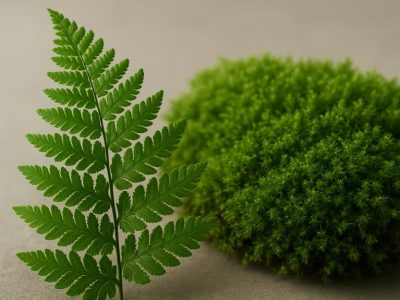
Wondering which plants are safe? Slugs and snails avoid certain plants like lavender, rosemary, and ferns. Including these in your garden can act as a natural deterrent.
Cultural Significance
Did you know that snails hold special meanings in different cultures? In ancient Greece, snails were seen as symbols of fertility due to their prolific reproduction. Meanwhile, in some Native American cultures, snails are associated with patience and perseverance.
Ever tried escargot? This French delicacy showcases snails as a valued food source. In contrast, slugs are often viewed less favorably. Their lack of shells doesn’t help their culinary appeal, though they’re still important in ecosystems.
Curious about folklore? Some stories suggest snails and slugs as messengers of transformation. In gardens, they remind us to find balance between nurturing plants and managing pests.
So next time you spot a snail or slug, consider the broader picture. They’re not just pests but parts of a grander natural world.
Conclusion
Understanding the differences between slugs and snails can enhance your gardening experience and appreciation for these unique creatures. While they both play vital roles in nutrient cycling and soil health, their distinct physical and behavioral traits offer fascinating insights into their adaptability and ecological impact. Recognizing their preferences and behaviors can help you manage their presence in your garden effectively. Whether you view them as pests or beneficial contributors, slugs and snails undeniably add a layer of complexity and intrigue to the natural world. Embrace their roles and consider how they fit into the broader ecosystem of your garden.
To provide the best experiences, we use technologies like cookies to store and/or access device information. Consenting to these technologies will allow us to process data such as browsing behaviour or unique IDs on this site. Not consenting or withdrawing consent, may adversely affect certain features and functions.
Functional
Always active
The technical storage or access is strictly necessary for the legitimate purpose of enabling the use of a specific service explicitly requested by the subscriber or user, or for the sole purpose of carrying out the transmission of a communication over an electronic communications network.
Preferences
The technical storage or access is necessary for the legitimate purpose of storing preferences that are not requested by the subscriber or user.
Statistics
The technical storage or access that is used exclusively for statistical purposes.The technical storage or access that is used exclusively for anonymous statistical purposes. Without a subpoena, voluntary compliance on the part of your Internet Service Provider, or additional records from a third party, information stored or retrieved for this purpose alone cannot usually be used to identify you.
Marketing
The technical storage or access is required to create user profiles to send advertising, or to track the user on a website or across several websites for similar marketing purposes.