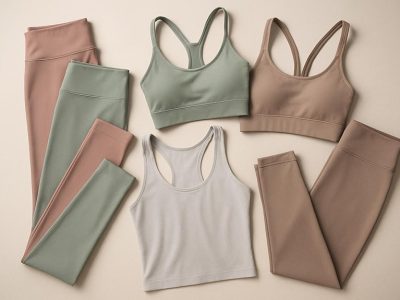
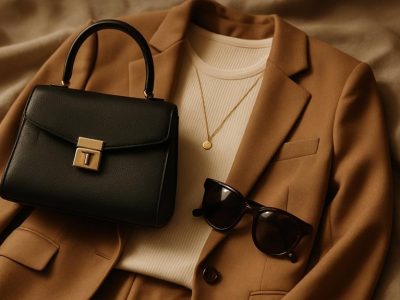
Your wardrobe says a lot about you, but have you ever stopped to consider how the fit of your clothes shapes that message? Choosing between slim fit and regular fit can feel like deciphering a secret code—each telling its own story about style, comfort, and personality. These fits aren’t just about size; they’re about how fabric hugs or drapes over your body, creating entirely different looks.
What Is Slim Fit?
Slim fit refers to a tailored clothing style designed to contour closely to your body. It emphasizes a sleek, modern look by reducing excess fabric and creating a form-fitting silhouette.
Key Features Of Slim Fit
Tapered Design: Slim fit garments taper slightly at the waist, arms, and legs for a streamlined appearance. For example, slim-fit jeans hug the thighs and calves more than regular cuts.
Minimal Extra Fabric: These pieces eliminate bulkiness by using less material around the chest, shoulders, or hips.
Enhanced Definition: The fit highlights natural body shape without being overly tight. This is common in slim-fit shirts that accentuate the torso while maintaining mobility.
Who Should Wear Slim Fit?
Individuals with lean or athletic builds often find slim fits flattering. If you prefer sharp, contemporary aesthetics over relaxed styles, this option aligns well with your wardrobe preferences. For instance, professionals aiming for polished looks may choose slim-fit suits for formal occasions.
What Is Regular Fit?
Regular fit refers to a classic clothing style that provides ample room for comfort. It’s designed with a straight silhouette, allowing fabric to fall over the body without clinging or tapering.
Key Features Of Regular Fit
Straight Silhouette
The design maintains a consistent width from shoulders to hem, creating balanced proportions. Unlike slim fit, regular fit doesn’t narrow at the waist or hips.
Comfortable Dimensions
Extra space in areas like the chest, waist, and sleeves makes this style ideal for unrestricted movement. For example, regular-fit shirts typically have broader armholes and relaxed sleeve openings.
Universal Appeal
Its non-restrictive cut ensures suitability across diverse body types. Regular-fit jeans often feature straight legs that neither hug tightly nor appear overly loose.
Timeless Aesthetic
With its simplicity and versatility, this fit complements both casual attire like t-shirts and formal wear like blazers equally well.
Who Should Wear Regular Fit?
Individuals Seeking Comfort
If you prioritize mobility over sharp tailoring, regular fit delivers optimal ease of wear in daily activities or work settings requiring extended motion.
Broader Body Types
Those with wider builds benefit from the relaxed structure of regular fits as it reduces emphasis on specific areas while providing an even outline.
Fans Of Classic Style
This option works best for people who prefer traditional fashion over contemporary trends such as slim or skinny designs.
Occasions Demanding Versatility
Key Differences Between Slim Fit And Regular Fit
Slim fit and regular fit differ primarily in how they contour the body, impacting silhouette, comfort, and style preferences. Each offers unique advantages depending on your physique and clothing needs.
Fit And Silhouette
Slim fit garments closely follow the natural lines of your body. They feature a tapered design at the waist, arms, and legs that reduces extra fabric. For example, slim-fit jeans hug your thighs and calves for a sleek profile. In contrast, regular fit provides a straight-cut silhouette with consistent width across shoulders or pant legs. This design allows fabric to drape without clinging to specific areas.
Individuals with lean builds often choose slim fits for their modern aesthetic appeal. Those with broader frames might favor regular fits to avoid unflattering tightness or restrictions.
Comfort And Flexibility
Comfort varies significantly between these two styles due to differences in cut and fabric allowance. Slim-fit clothing limits excess material but can feel restrictive during movements like squatting or stretching if improperly sized. Regular fit prioritizes relaxation by offering roomier dimensions around key areas such as shoulders or hips.
For instance, when performing physical tasks like bending down repeatedly at work events or lifting objects casually throughout a daylong outing—you’ll likely find freedom easier wearing regularly fitted attire versus its counterpart’s snugger tailoring approach which may cause discomfort over prolonged hours usage periods affecting productivity overall negatively sometimes noticeably!
How To Choose Between Slim Fit And Regular Fit
Selecting between slim fit and regular fit involves assessing your body type, the occasion, and your personal style. These factors ensure both comfort and confidence in your wardrobe choices.
Consider Your Body Type
Your body shape plays a key role in determining the best fit. Slim fit works well if you have an athletic or lean physique, as its tapered design highlights natural contours. For instance, individuals with broad shoulders and a narrow waist often benefit from slim-fit shirts that reduce extra fabric around the midsection.
Regular fit suits broader or more evenly proportioned builds by offering consistent dimensions without clinging to specific areas. A straight-cut shirt allows unrestricted movement for those with larger frames, ensuring comfort throughout the day. Pairing this with relaxed trousers can enhance balance for a cohesive look.
Think About The Occasion
The context of wear dictates whether slim or regular fits are appropriate. Slim-fit clothing often aligns with formal settings like business meetings or evening events due to its modern appeal. For example, slim-fit blazers paired with tailored pants create polished aesthetics suitable for professional environments.
On the other hand, regular fit excels in casual scenarios or activities requiring mobility. A classic regular-fit polo shirt is ideal for weekend outings where ease of wear matters most. Similarly, loose-fitting khakis accommodate physical tasks better than tightly tailored alternatives.
Personal Style Preferences
Your style preferences influence which fit complements your identity best. If you prefer contemporary fashion trends emphasizing sleek silhouettes, slim fits align closely with that vision. Pairing slim jeans with fitted dress shirts showcases sharpness inherent to this trend-forward choice.
For fans of timeless versatility, regular fits offer unmatched adaptability for daily use across different scenarios while maintaining understated elegance—think straight-leg denim coupled with relaxed flannel shirts blending effortlessly into any wardrobe rotation.
Conclusion
Understanding the difference between slim fit and regular fit allows you to make more informed style choices that align with your body type, comfort needs, and personal preferences. Both fits have their unique strengths, making them suitable for different occasions and fashion goals.
Whether you’re drawn to the sleek, tailored look of slim fit or prefer the timeless comfort of regular fit, selecting the right option ensures your clothing enhances both your appearance and confidence. Your wardrobe should reflect who you are—choose wisely and let your style speak for itself.
To provide the best experiences, we use technologies like cookies to store and/or access device information. Consenting to these technologies will allow us to process data such as browsing behaviour or unique IDs on this site. Not consenting or withdrawing consent, may adversely affect certain features and functions.
Functional
Always active
The technical storage or access is strictly necessary for the legitimate purpose of enabling the use of a specific service explicitly requested by the subscriber or user, or for the sole purpose of carrying out the transmission of a communication over an electronic communications network.
Preferences
The technical storage or access is necessary for the legitimate purpose of storing preferences that are not requested by the subscriber or user.
Statistics
The technical storage or access that is used exclusively for statistical purposes.The technical storage or access that is used exclusively for anonymous statistical purposes. Without a subpoena, voluntary compliance on the part of your Internet Service Provider, or additional records from a third party, information stored or retrieved for this purpose alone cannot usually be used to identify you.
Marketing
The technical storage or access is required to create user profiles to send advertising, or to track the user on a website or across several websites for similar marketing purposes.