Picture yourself seated at a bustling sushi bar, the air tinged with the briny aroma of the sea and the soft thud of a chef’s knife slicing through glistening fish. The menu tempts you with sashimi and nigiri—two dishes that appear deceptively similar yet promise wildly different experiences for your palate. Your curiosity sparks as you wonder what truly sets them apart.
Choosing between sashimi and nigiri isn’t just about taste—it’s about uncovering the art, tradition, and subtle techniques that define Japanese cuisine. Discover how each bite offers unique textures, flavors, and even health benefits that might surprise you. Immerse and let your senses lead the way as you explore the delicious nuances between these iconic delicacies.
What Is Sashimi?
Sashimi gives you direct contact with raw fish at its purest. No rice or seaweed—just expertly sliced seafood, letting texture and flavor speak for themselfs.
Key Ingredients of Sashimi
Ingredients in sashimi focus almost always on high-quality fish and seafood. Salmon, tuna, and yellowtail appear most often, with examples in reputable sources like Sushi University showing maguro (bluefin tuna) as a prized selection. Sometimes chefs use squid, octopus, or scallop, but they prepare these with equal care. Only the freshest cuts qualify for sashimi, ensuring safety since the dish skips cooking. Chefs often select specific parts, such as otoro (fatty tuna belly), emphasizing marbling and richness.
Typical Presentation of Sashimi
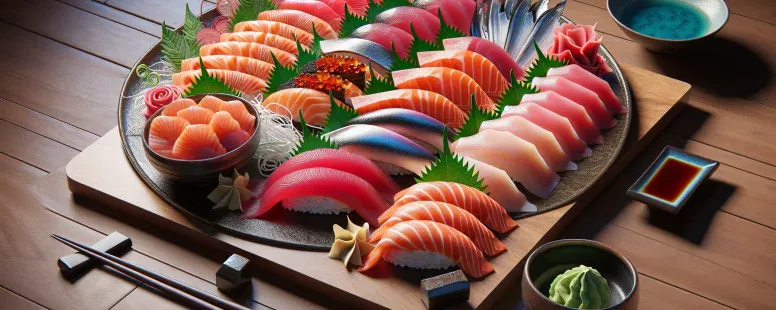
Presentation styles elevate sashimi from food to art. Chefs arrange each slice with precision, usually on bamboo leaves or decorative daikon radish threads. In upscale sushi bars in Tokyo, you might see a chef angle each cut to highlight color contrasts. Garnishes like shiso leaves, wasabi, and even edible flowers decorate the plate—these elements compliment not just aesthetics but also aroma and taste. Each setting rarely repeats itself; when you look at your sashimi plate at a top omakase spot, you might almost feel you’re viewing a minimalistic landscape painting rather than just a meal.
What Is Nigiri?
Nigiri uses balance and tradition to offer a sushi experience that highlights both seasoned rice and delicate slices of seafood. This dish brings together artisan technique and simplicity on a small stage: a rectangular mound of sushi rice crowned with a slice of fresh fish or seafood.
Key Ingredients of Nigiri
Nigiri features a few core components that define its taste and texture. Sushi rice, known as shari in Japanese, is seasoned with vinegar, sugar, and salt; without this seasoned rice, the nigiri loses its signature tang and stickiness. A chef molds the rice by hand, shaping it like a small pillow.
On top, you’ll find seafood like maguro (tuna), sake (salmon), or ebi (shrimp) bringing signature flavors—each variant offers a distinct experience. Some nigiri use wasabi between the rice and fish, a custom that’s believed to both highlight the flavors and provide a layer of protection due contamination concerns, according to the Japan Sushi Association. Sometimes, an edible seaweed strip called nori wraps around the nigiri, holding unconventional toppings like tamago (sweet omelet) or unagi (grilled eel) in place.
Typical Presentation of Nigiri
Nigiri appears as minimalist art—clean lines, vivid colors, and careful placement reflect meticulous craftsmanship. Restaurants in Tokyo’s famed Tsukiji Fish Market, for instance, line up nigiri in precise order, guiding diners through a progression of flavors from light white fish to richer cuts like toro (fatty tuna).
Presentation focuses on harmony. You’ll see nigiri often arranged on lacquered platters or minimalist ceramic plates, usually with pickled ginger and a modest dab of wasabi. No two pieces look exactly the same, since the chef’s hand forms each one individually. Notice how the fish drapes over the rice, just enough to tempt your eyes—this visual flow mirrors the intent to balance texture, temperature, and taste in a single bite.
If you’re wondering, why not more toppings or sauces? The idea is that restraint reveals the purity of ingredients. This philosophy stands at the heart of nigiri, where less truly means more—each element earns a place, and nothing’s wasted or distracted from the star: that smooth, gleaming cut of seafood whispering a story of the ocean on your palate.
Main Differences Between Sashimi and Nigiri
Sashimi and nigiri represent different visions within Japanese culinary art. Both showcase premium seafood, but how they’re made, served, and tasted varies dramatically.
Preparation Methods
Chefs slice sashimi by hand with relentless precision, picking only the freshest fish like bluefin tuna or delicate sea bream. No rice or seaweed intervenes, so you taste only the raw fish’s true nature. Picture, every cut—measured by the angle and thickness—reveals a new layer of texture and flavor. For example, a single piece of otoro (fatty tuna) can melt in your mouth, while a slit of ika (squid) delivers a clean and slightly chewy bite. Some sushi chefs treat the fillet almost like a jewel, using years of knife skills to unlock its soul.
Nigiri, on another plate, weaves steamed rice into the process. You see, a chef shapes vinegared rice into a small oval (shari), then crowns it with a fish slice—often brushing on a thin layer of soy-based nikiri glaze. Sometimes a slender nori (seaweed) strip wraps around, binding eel or sweet omelet (tamago) in place. Not everyone realizes, but hands play a key role: the warmth and touch of a sushi chef transforms rice into a tender pedestal for the topping. Questions like “How sticky or firm is the rice?” or “How thick is the salmon cut?” matter greatly for nigiri’s final balance.
Serving Styles
Sashimi usually arrives on chilled platters, often set atop julienned daikon radish, shiso leaves, or bamboo mats. Decorative touches, such as edible flowers or carved vegetable garnishes, invite your eyes to wander before your palate even wakes. Sorbet or fresh seaweed salad sometimes joins in—resetting your taste between bites.
Nigiri appears in organized rows on lacquered or ceramic trays, the seafood shining against the humble white rice. It’s not a fanfare of presentation, rather an exercise in restraint. Each piece intends to be picked up in one motion—sometimes dipped (briefly!) in soy sauce fish-down, never rice-down, to avoid crumbling. A chef might include a dash of wasabi under the fish or a slice of pickled ginger on the side. For nigiri platters, variety emerges in the toppings: from briny uni (sea urchin) to sweet ebi (shrimp).
Flavor Profiles
Sashimi acts as a canvas for the essence of pure fish. You might notice notes of clean ocean, buttery richness in toro, or a light tang from sliced mackerel (saba) that’s briefly cured. Each bite tells the fish’s story—once swimming in the Pacific, now delivering the season’s peak flavors directly to you. Many diners recall their first time tasting uni sashimi, describing it as eating a bite of the sea.
Nigiri, in contrast, weaves rice vinegar’s gentle acidity with savory umami from fish, creating a harmony that’s more than either element on its own. That seasoned rice—sometimes snowy and warm, sometimes sweet or bracing—forms the undercurrent for toppings like amberjack, snapper, or mackerel. Some claim that a great piece of nigiri tingles the senses with perfect balance, while a poorly assembled one falls flat, the rice masking or overpowering the delicate topping.
If you’ve ever paired nigiri with sake, you might wonder how those subtle rice notes play off crisp, dry spirits. Sashimi often invites questions too: do you dip the fish in soy sauce or savor it unadorned, letting its natural oils linger?
Main distinctions between sashimi and nigiri shape not only techniques and tradition, but also every bite you take—trusting the chef’s skill, yet discovering your own preferences among these masterpieces of Japanese cuisine.
Choosing Between Sashimi and Nigiri
Standing at the sushi counter, you catch the chef’s knife gleam under soft lighting—do you recognize the silent anticipation as he lays out silky salmon slices or mold’s neat pillows of vinegared rice? When choosing between sashimi and nigiri, your decision sometimes dances on the syntax of simplicity, taste, and technique. Sashimi, stripped down to just pure fish—think maguro’s ruby flesh or hirame’s translucent delicacy—talks to you in single-word sentences. Nigiri, though, adds a predicate: seasoned rice, a sprinkle of wasabi, and a gentle fish topping, together delivering a complete phrase of flavor.
If you focus on texture alone, sashimi immerses you in the ocean’s nuance. Each slice whispers origins: a buttery hamachi or a snap of sweet amaebi, cut against connective tissue so fish yields cleanly to your bite (see McGee, On Food & Cooking). Nigiri, on the other hand, plays with harmony—a slightly sticky bite of shari, shrouded in subtle vinegar acidity, offsets a marbled piece of toro. It’s like a literary metaphor: sashimi is the isolated subject, nigiri writes a haiku across your taste buds.
What draws you? If the minimalist allure of sashimi appeals, you savor the artistry of knife work, the glinting hone of blades slicing each piece just-so. Had you ever wondered what it’d be like to taste the North Pacific wave, unembellished? For those seeking structure, nigiri offers a marriage of elements—craft, rice, and fish—curated by tradition. Some diners recall stories after nights out in Tokyo where chefs hand you nigiri with the warmth from their palms still on the rice.
Nutritionally, sashimi leans toward lean protein, Omega-3s, and fewer calories, and sources like the USDA National Nutrient Database verify that a typical 1-oz slice of salmon sashimi contains about 40 kcal and 7g protein. Nigiri pushes the calorie count up, with rice adding carbs—each piece of sake nigiri comes in closer to 60 kcal.
Dish
Notable Texture
Key Flavor Profile
Typical Calories (per piece)
Main Ingredients
Sashimi
Silky, tender cuts
Umami, clean finish
30–50
Fish/seafood only
Nigiri
Sticky, slightly firm
Tangy, savory balance
50–70
Sushi rice + fish
What do sushi masters suggest? Some say (Sushi Science, Jiro Dreams of Sushi) true appreciation begins with sashimi, yet memories form over trays of nigiri shared with friends. If you pair either dish with sake or green tea, you’ll unlock secondary flavors—would you have guessed soy sauce overpowers certain white fish, but enhances tuna?
Are you drawn towards storytelling? Sashimi makes you the protagonist in a serene ocean fable, but nigiri invites ensemble cast: rice farmers, vinegar crafters, and fishermen all working behind the scenes. Either way, your choice will express your palate’s personality, guided by the grammar and syntax of Japanese culinary mastery.
Conclusion
Whether you’re drawn to the pure elegance of sashimi or the balanced artistry of nigiri your journey through Japanese cuisine is all about discovery. Each dish invites you to savor unique textures and flavors while connecting with centuries-old culinary traditions.
Next time you’re at a sushi bar trust your senses and preferences. Let your choice reflect not just what you crave but how you want to experience the story behind every bite.
Published: July 25, 2025 at 9:17 am by Ellie B, Site owner & Publisher
To provide the best experiences, we use technologies like cookies to store and/or access device information. Consenting to these technologies will allow us to process data such as browsing behaviour or unique IDs on this site. Not consenting or withdrawing consent, may adversely affect certain features and functions.
Functional
Always active
The technical storage or access is strictly necessary for the legitimate purpose of enabling the use of a specific service explicitly requested by the subscriber or user, or for the sole purpose of carrying out the transmission of a communication over an electronic communications network.
Preferences
The technical storage or access is necessary for the legitimate purpose of storing preferences that are not requested by the subscriber or user.
Statistics
The technical storage or access that is used exclusively for statistical purposes.The technical storage or access that is used exclusively for anonymous statistical purposes. Without a subpoena, voluntary compliance on the part of your Internet Service Provider, or additional records from a third party, information stored or retrieved for this purpose alone cannot usually be used to identify you.
Marketing
The technical storage or access is required to create user profiles to send advertising, or to track the user on a website or across several websites for similar marketing purposes.