Foxes are among the most adaptable and fascinating mammals inhabiting our planet. If you’ve ever wondered how two species can thrive in overlapping areas yet maintain distinct characteristics, the Red Fox and Gray Fox provide a captivating study. Understanding their differences not only sheds light on their biology and behavior but also enriches our appreciation for the natural world.
Physical Characteristics
Appearance and Fur Patterns
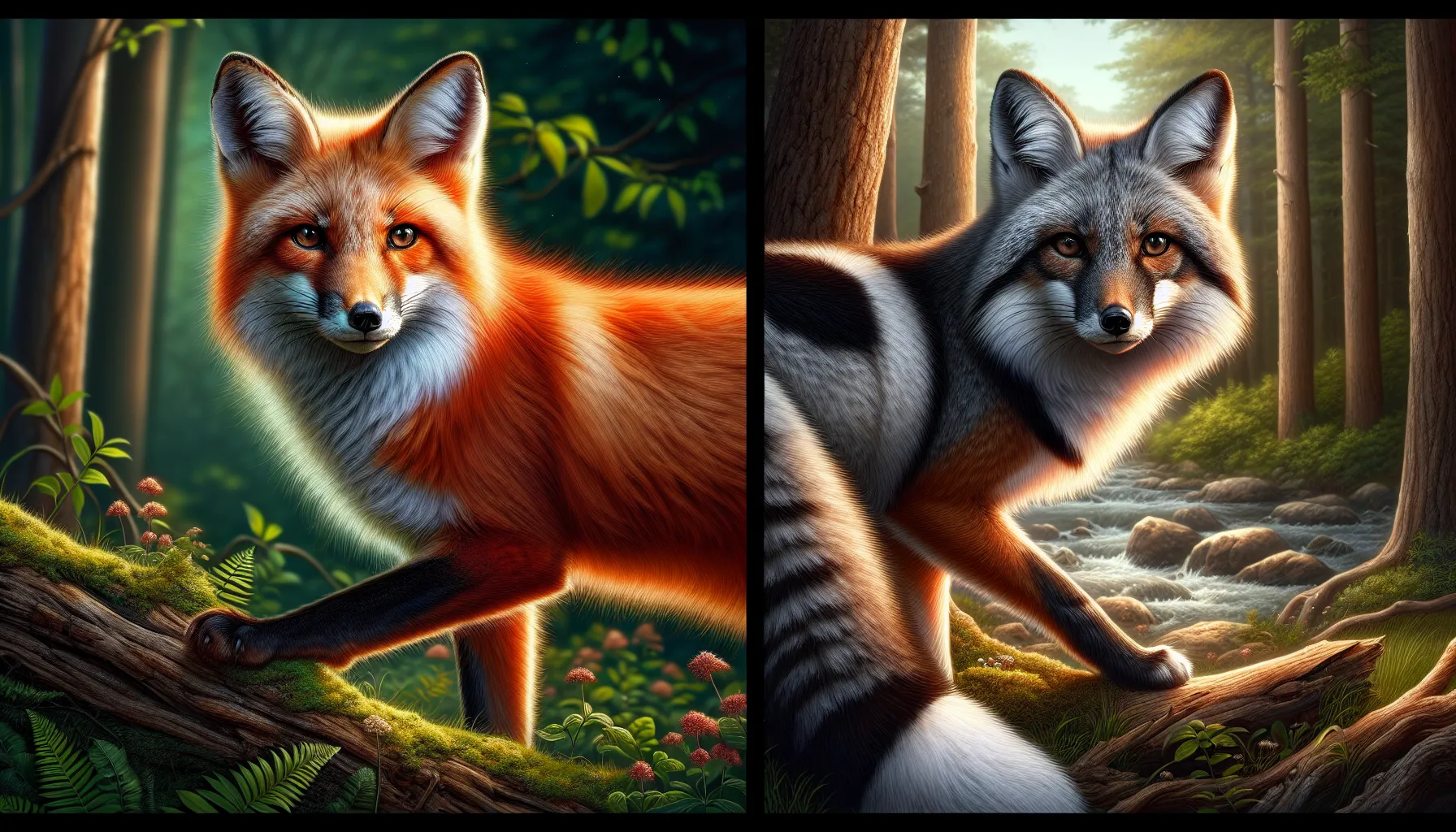
The Red Fox is renowned for its vivid reddish-orange fur, white-tipped tail, and black on its legs and ears. In contrast, the Gray Fox features a more muted coat featuring a mix of gray, rust, and white, with distinctive black stripes along its back and tail.
Size and Build
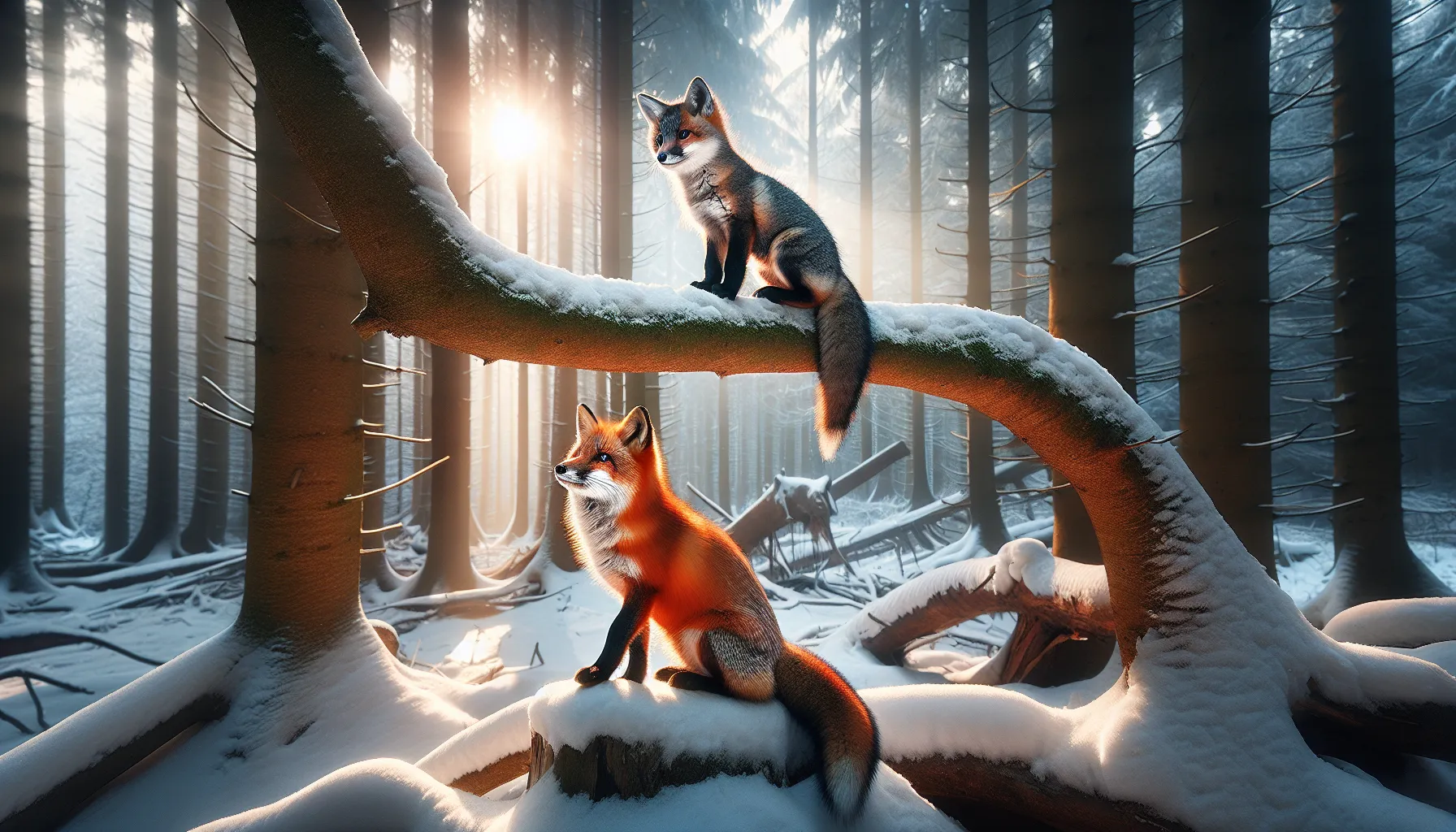
In terms of physical dimensions, Red Foxes tend to be larger and more elongated, while Gray Foxes are slightly smaller, with robust frames conducive to climbing trees, a unique ability for foxes.
Geographical Distribution and Habitat
Habitats and Their Preferences
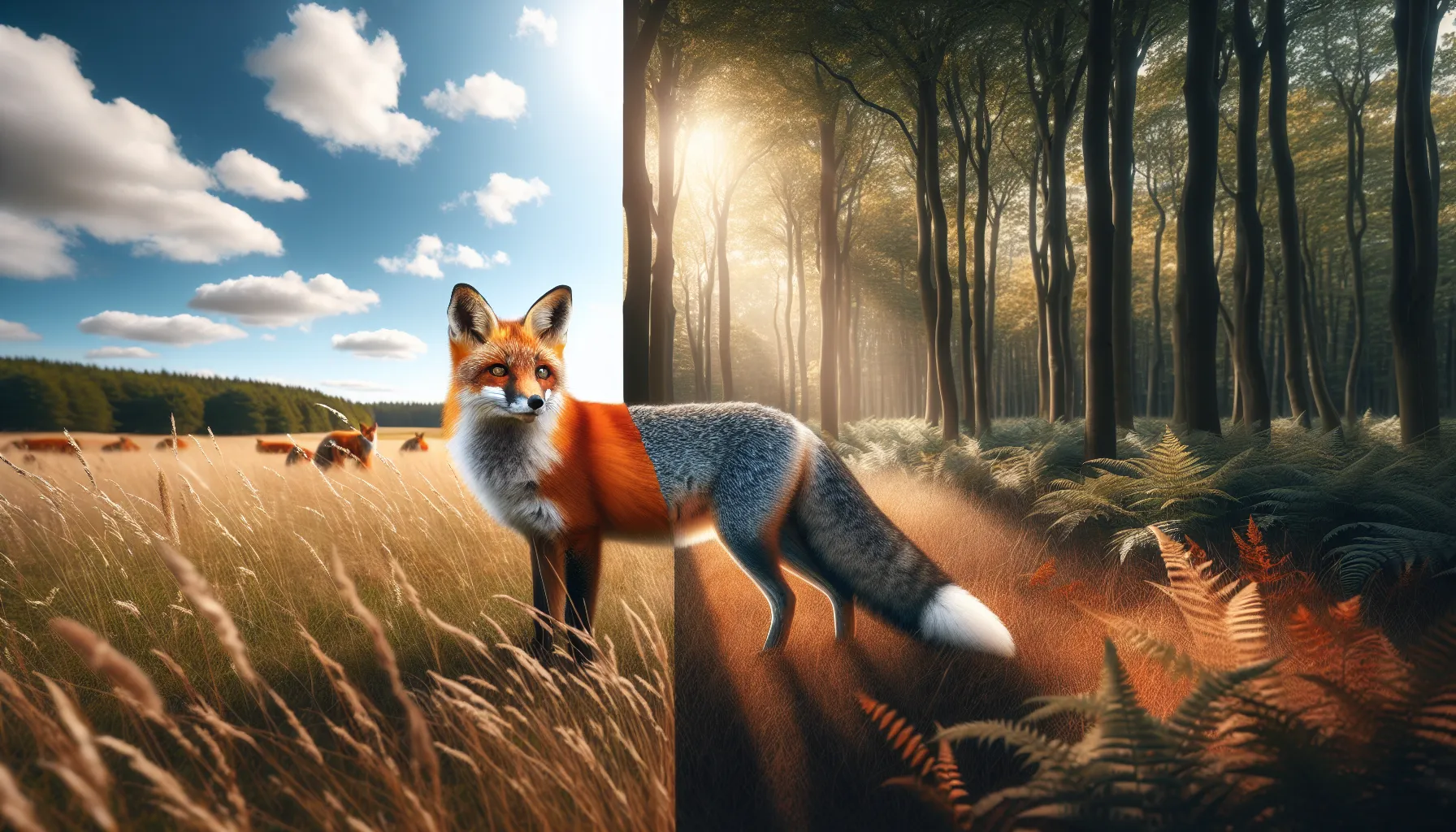
Red Foxes prefer open spaces such as grasslands and farmlands, whereas Gray Foxes gravitate toward forested regions, utilizing dense cover for protection and foraging.
Geographical Range
Geographically, the Red Fox inhabits a broad range covering much of the northern hemisphere, while Gray Foxes are primarily found in the Americas, ranging from southern Canada to northern South America.
Behavior and Ecology
Dietary Habits
Both species are omnivorous, yet their foraging behaviors differ. Red Foxes often favor open areas to hunt small mammals and birds, while Gray Foxes might exploit both ground and elevated spaces for food such as fruits and insects.
Reproductive Behavior
Differing in reproduction as well, Red Foxes have been observed using dens extensively during pup-rearing, while Gray Foxes may opt for more varied shelter options including hollow trees.
Adaptations and Survival Strategies
Adaptations to Environment
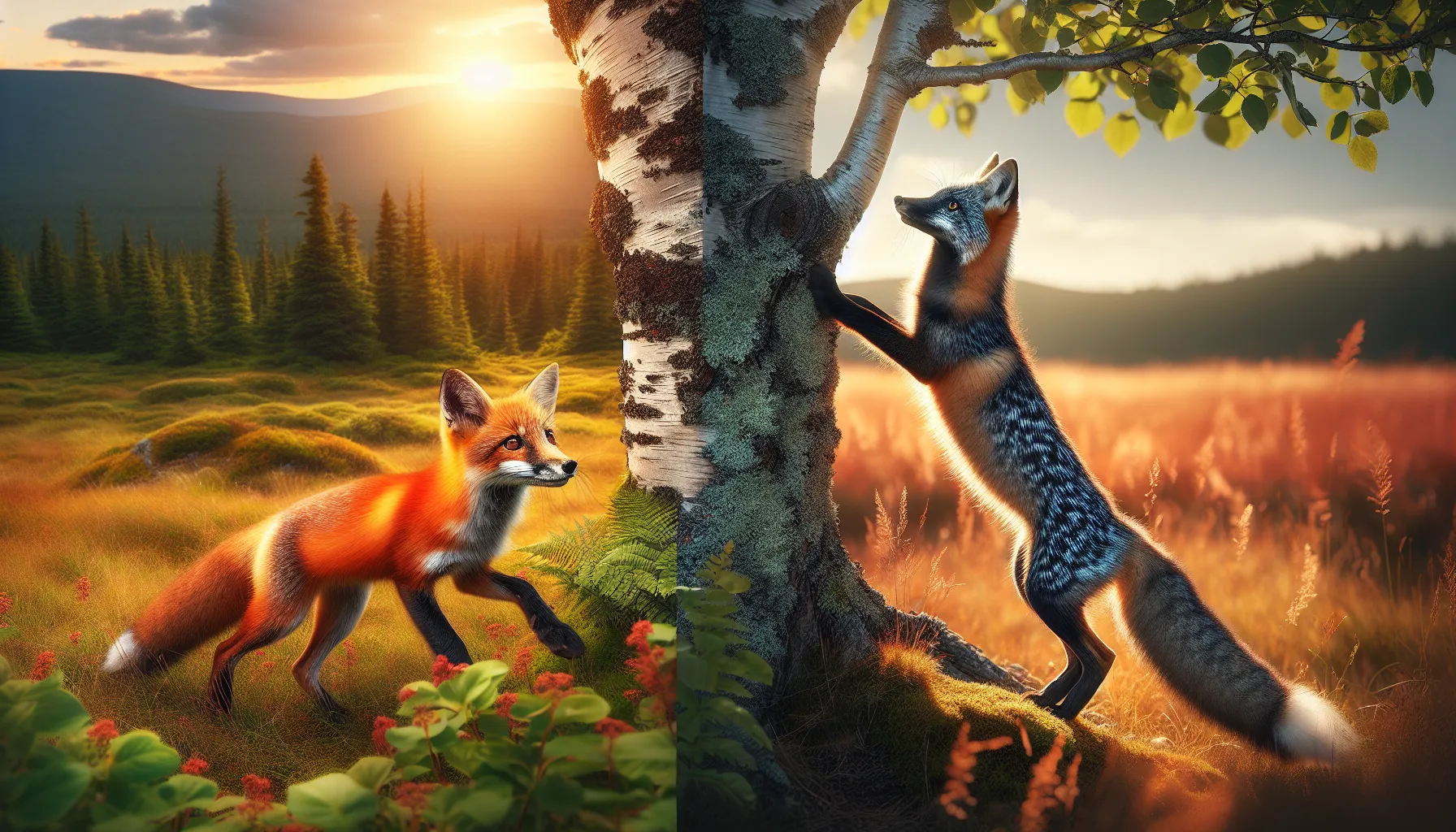
Gray Foxes possess unique physical adaptations such as retractable claws aiding in climbing trees, enabling escapes and access to arboreal resources. Red Foxes, with their excellent hearing, can locate prey beneath snow during harsh winters.
Predatory Instincts and Hunting Techniques
Both species exercise strategic hunting, stalking prey with precision. But, Gray Foxes’ agility contrasts with the linear pursuit methods often favored by Red Foxes.
Conservation Issues and Human Interaction
Factors Impacting Population
Urbanization and habitat loss significantly affect these fox populations, altering their habitats and access to resources.
Coexistence With Humans
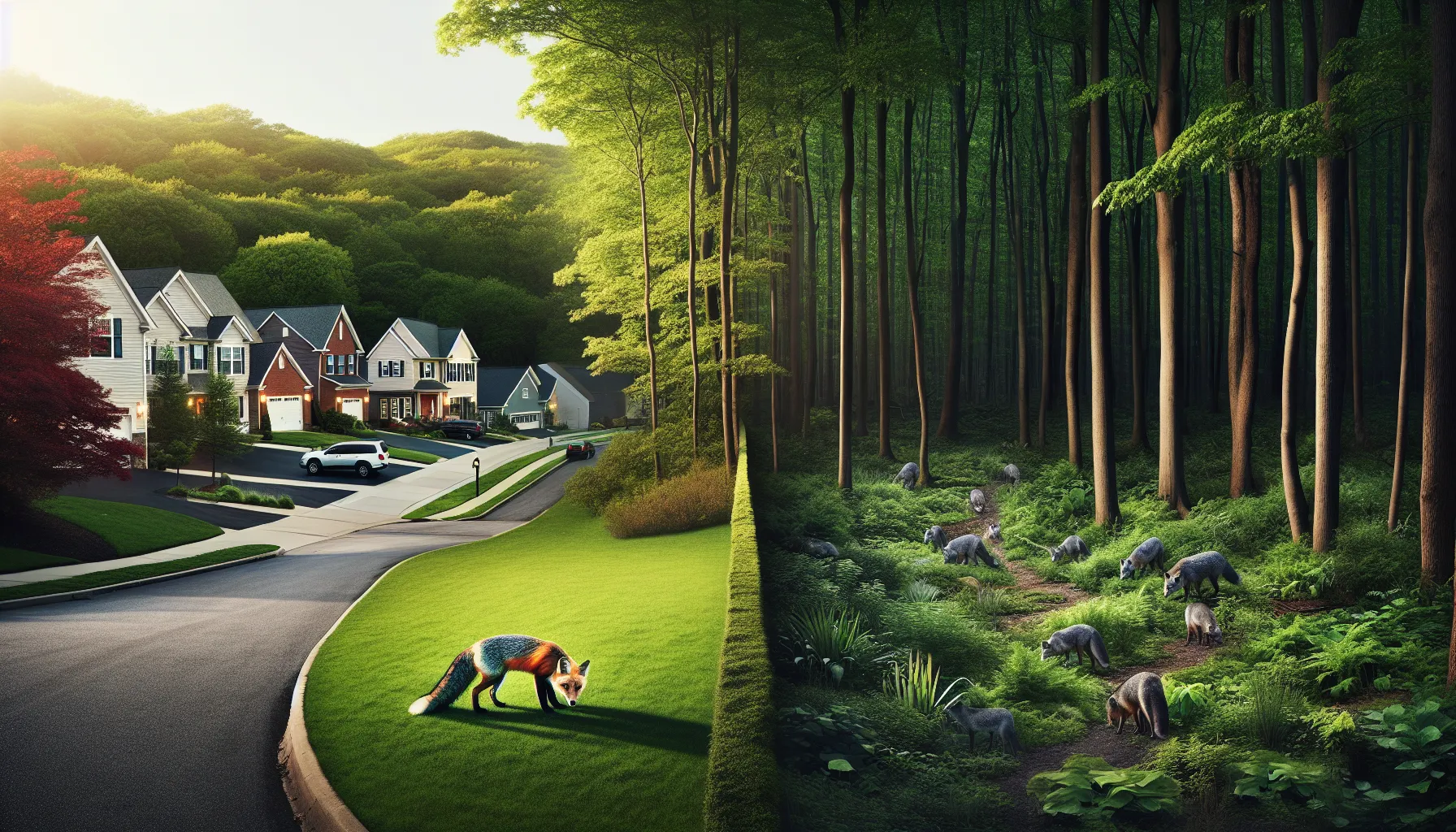
Even though these pressures, both species exemplify adaptability. Red Foxes frequently assimilate into suburban environments, while Gray Foxes maintain niches within forests even adjacent to developed areas.
Last Updated: December 28, 2025 at 11:09 am by Ellie B, Site owner & Publisher
To provide the best experiences, we use technologies like cookies to store and/or access device information. Consenting to these technologies will allow us to process data such as browsing behaviour or unique IDs on this site. Not consenting or withdrawing consent, may adversely affect certain features and functions.
Functional
Always active
The technical storage or access is strictly necessary for the legitimate purpose of enabling the use of a specific service explicitly requested by the subscriber or user, or for the sole purpose of carrying out the transmission of a communication over an electronic communications network.
Preferences
The technical storage or access is necessary for the legitimate purpose of storing preferences that are not requested by the subscriber or user.
Statistics
The technical storage or access that is used exclusively for statistical purposes.The technical storage or access that is used exclusively for anonymous statistical purposes. Without a subpoena, voluntary compliance on the part of your Internet Service Provider, or additional records from a third party, information stored or retrieved for this purpose alone cannot usually be used to identify you.
Marketing
The technical storage or access is required to create user profiles to send advertising, or to track the user on a website or across several websites for similar marketing purposes.