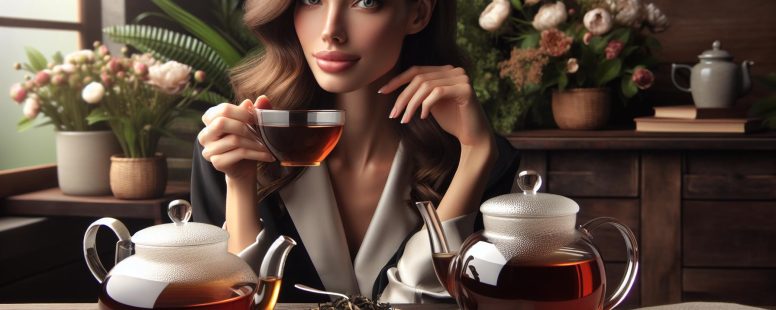
Picture cradling a warm cup in your hands, the steam curling up like whispers of ancient traditions. Tea isn’t just a drink—it’s an experience, a story steeped in culture and craftsmanship. But oolong and black tea, do you truly know what sets them apart?
Both teas may share origins from the same plant, yet their flavors, aromas, and even health benefits tell entirely different tales. Whether you’re drawn to the bold richness of black tea or intrigued by oolong’s delicate complexity, understanding their differences can transform how you savor every sip.
What Are Oolong And Black Tea?
Oolong and black tea are two distinct types of tea derived from the leaves of Camellia sinensis. Even though sharing a common origin, their differences lie in processing methods, oxidation levels, and flavor profiles.
Origins And History
Oolong tea holds historical roots in China, specifically in Fujian and Guangdong provinces. It’s been consumed for centuries as part of traditional Chinese culture. The name “oolong” translates to “black dragon,” reflecting its curled leaf shape. Taiwanese oolong also gained significance due to unique growing conditions.
Black tea originated in China but gained widespread popularity globally during the colonial era. It became integral to British culture after being introduced by trade routes. Unlike oolong, black tea is fully oxidized, which led it to be called “red tea” (hong cha) in China due to its reddish brew.
Production Process Overview
The production processes for oolong and black teas differ significantly based on oxidation levels. For oolong, partial oxidation ranging between 10%-70% creates diverse varieties like Tieguanyin or Da Hong Pao. Leaves undergo withering, rolling, controlled oxidation, and roasting stages.
Black tea involves full oxidation before drying. After plucking, leaves are withered to reduce moisture content then rolled to release enzymes promoting oxidation fully. Examples include Assam and Darjeeling teas known for robust flavors.
Key Differences In Taste And Flavor
Oolong and black tea offer distinct taste profiles, shaped by their oxidation levels and production methods. Understanding these differences enhances your appreciation of each tea’s unique character.
Flavor Profile Of Oolong Tea
Oolong tea provides a diverse flavor range due to its partial oxidation (10%-70%). Lightly oxidized oolongs, like Tie Guan Yin, deliver floral and creamy notes with a delicate sweetness. Medium-oxidized varieties, such as Dong Ding, combine nutty undertones with hints of caramel. Heavily oxidized oolongs, including Wuyi Rock teas, exhibit robust flavors with roasted, mineral-rich qualities.
Temperature during preparation influences the flavor; lower heat accentuates sweetness while higher heat brings out complex aromas. Pairing oolong with food can also enhance its layered profile—for instance, enjoy lightly oxidized oolong alongside fruit or medium-roasted oolong with nuts.
Flavor Profile Of Black Tea
Black tea is known for its bold and full-bodied flavor resulting from complete oxidation. Varieties like Assam have malty richness ideal for milk-based beverages such as chai. Darjeeling offers muscatel notes that are lighter yet flavorful when steeped plain.
The brewing time affects the intensity—shorter durations yield milder flavors whereas prolonged steeping creates stronger infusions with tannic bitterness. To balance its strength, black tea pairs well with savory dishes or sweet treats like scones.
Differences In Caffeine Content And Health Benefits
Oolong and black tea differ significantly in their caffeine content and health benefits, influenced by their oxidation levels and production methods. Understanding these differences can help you choose the right tea for your preferences and wellness goals.
Caffeine Levels In Oolong Vs Black Tea
Black tea generally contains higher caffeine levels than oolong due to its full oxidation. A standard 8-ounce cup of black tea typically has 40-70 mg of caffeine, while oolong ranges from 30-50 mg depending on its oxidation degree. Heavily oxidized oolongs like Da Hong Pao may approach black tea’s caffeine levels, whereas lightly oxidized types such as Tie Guan Yin lean closer to green tea.
If you’re looking for a moderate energy boost without the intensity of coffee, oolong offers balanced stimulation alongside complex flavors. Black tea suits mornings or times when you want stronger alertness and bolder taste.
Health Benefits Of Oolong Tea
Oolong tea supports metabolism regulation through polyphenols that aid fat breakdown and improve digestion efficiency. Research highlights its potential to enhance weight management efforts when paired with a healthy diet (source: NCBI). The antioxidants in oolong also promote skin health by reducing oxidative stress.
Also, regular consumption might support heart health by lowering cholesterol levels in individuals predisposed to cardiovascular issues. For example, studies have linked daily oolong intake to reduced “bad” LDL cholesterol (source: PubMed). Its amino acid L-theanine encourages relaxation without drowsiness, making it ideal for both focus and calmness.
Health Benefits Of Black Tea
Black tea’s robust antioxidant profile combats free radicals that contribute to cellular damage over time. Compounds like flavonoids are associated with improved heart function; long-term intake is linked to reduced blood pressure risk (source: Harvard School of Public Health).
It also aids immunity through alkylamine antigens—supporting your body’s defenses against infections like colds or flu. Unlike lighter teas, black varieties contain higher tannin concentrations which may soothe digestive discomfort caused by mild diarrhea or inflammation.
How To Brew Oolong And Black Tea
The brewing process influences the flavor and aroma of oolong and black tea. Proper techniques highlight each tea’s unique qualities, ensuring an enjoyable cup.
Brewing Tips For Oolong Tea
Use water heated to 185°F-205°F for oolong tea, depending on its oxidation level. Lightly oxidized oolongs (like Tie Guan Yin) benefit from lower temperatures around 185°F, while heavily oxidized ones (such as Da Hong Pao) require higher heat closer to 205°F. Steeping times range between 1-5 minutes based on personal preference and the type of oolong.
Rinse leaves quickly with hot water before steeping to awaken their flavors. Use a gaiwan or teapot for multiple infusions; many oolongs unfurl gradually, revealing new notes with successive brews. For example, Wuyi Rock teas develop complex mineral flavors over three or more steeps.
Maintain a leaf-to-water ratio of about 1 gram per ounce for optimal taste. Avoid boiling water directly on delicate varieties to prevent bitterness. Focus on experimenting with steeping durations since some teas like Dong Ding may yield sweeter profiles when brewed shorter.
Brewing Tips For Black Tea
Boil water to approximately 200°F-212°F for black tea preparation, suitable for its fully oxidized nature. Longer steeping times amplify boldness but can introduce tannic bitterness if exceeded beyond five minutes—three is ideal for most types like Assam or Ceylon.
Preheat your teapot or mug by rinsing it with hot water; this step helps maintain consistent brewing temperature throughout the process. Measure one teaspoon of loose leaves per six ounces of liquid for balanced strength without overpowering flavors.
Popular Varieties Of Oolong And Black Tea
Varieties of Oolong Tea
Oolong tea includes several well-known varieties, each offering unique flavor profiles.
Tie Guan Yin (Iron Goddess of Mercy): Originating in Fujian, this lightly oxidized tea has floral and creamy notes with a smooth finish. Its name reflects its cultural significance in Chinese tea traditions.
Da Hong Pao (Big Red Robe): A famous Wuyi rock tea, it delivers a robust, roasted flavor with mineral undertones due to the rocky terrain where it’s grown. This variety is often associated with luxury.
Dong Ding (Frozen Summit): Hailing from Taiwan, it offers medium oxidation levels with a balance of nutty and buttery flavors alongside hints of caramel. The high-altitude cultivation enhances its aromatic complexity.
Oriental Beauty: Known for its natural sweetness and fruity undertones, this heavily oxidized Taiwanese oolong is prized for its honey-like aroma influenced by leafhopper insect bites during cultivation.
Varieties of Black Tea
Black teas are categorized based on their origin and processing methods, resulting in distinct flavors:
Assam: Grown in India’s Assam region, this full-bodied tea features malty richness ideal for breakfast blends like English Breakfast or pairing with milk and sugar. Its strong taste makes it versatile across cultures.
Darjeeling: Often referred to as the “Champagne of Teas,” Darjeeling provides delicate muscatel notes complemented by floral hints. It’s typically enjoyed without milk to savor its lightness.
Keemun: A Chinese black tea known for earthy flavors mingled with subtle smokiness and fruity aromas; it’s commonly used in blends but can be appreciated solo by enthusiasts seeking depth.
Ceylon: Produced in Sri Lanka’s diverse climates, Ceylon teas vary widely from citrusy light varieties to bold options suitable for iced teas or strong infusions.
Conclusion
Exploring the world of oolong and black tea opens up a rich tapestry of flavors, traditions, and experiences. Each tea offers something unique, from their production methods to their distinct taste profiles and health benefits. Whether you’re drawn to oolong’s layered complexity or black tea’s bold character, both provide opportunities to elevate your tea-drinking journey.
By understanding their differences and experimenting with brewing techniques, you can fully appreciate what makes each variety special. Jump into the nuances of these teas and let your preferences guide you toward new discoveries in every cup.
To provide the best experiences, we use technologies like cookies to store and/or access device information. Consenting to these technologies will allow us to process data such as browsing behaviour or unique IDs on this site. Not consenting or withdrawing consent, may adversely affect certain features and functions.
Functional
Always active
The technical storage or access is strictly necessary for the legitimate purpose of enabling the use of a specific service explicitly requested by the subscriber or user, or for the sole purpose of carrying out the transmission of a communication over an electronic communications network.
Preferences
The technical storage or access is necessary for the legitimate purpose of storing preferences that are not requested by the subscriber or user.
Statistics
The technical storage or access that is used exclusively for statistical purposes.The technical storage or access that is used exclusively for anonymous statistical purposes. Without a subpoena, voluntary compliance on the part of your Internet Service Provider, or additional records from a third party, information stored or retrieved for this purpose alone cannot usually be used to identify you.
Marketing
The technical storage or access is required to create user profiles to send advertising, or to track the user on a website or across several websites for similar marketing purposes.