Ever found yourself tangled in the technicalities of pipe threads? You’re not alone. In the world of plumbing and engineering, understanding thread types can be a game-changer. Two terms that often pop up are NPT (National Pipe Thread) and NPTF (National Pipe Thread Fuel). They might sound similar but they’re quite different.
Understanding NPT and NPTF
Let’s investigate deeper into the nuances of these thread types.
Definitions of NPT and NPTF
Naturally, before getting to their differences, it’s essential to understand what they are.
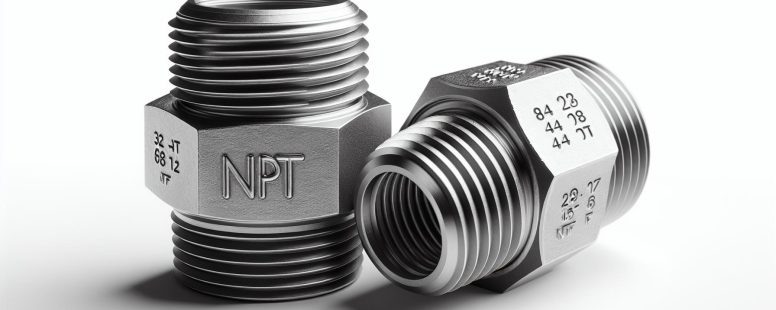
NPT stands for National Pipe Thread. It’s a standard used in plumbing for tapered threads on fittings and pipes. In this system, threads taper at an angle which ensures tight seals during fitting.
On the other hand, you have got NPTF or National Pipe Thread Fuel that also refers to a type of threaded pipe but differs from its counterpart in design as well as usage. Designed specifically without requiring extra sealing compounds such as Teflon tape or pipe dope, it’s widely recognized in industries where leak prevention is paramount like fuel delivery systems.
The Importance of Thread Types in Fittings
Understanding your thread types isn’t just beneficial—it’s necessary! Here lies the significance:
When dealing with piping installations whether industrial scale plants or smaller residential setups—using correct fitting plays an important role not only maintaining effective functionality but even ensuring safety standards.
For instance: consider using mismatched threading i.e., trying fit an NPFT-threaded component onto one designed with conventional American Standard (ASA) threads could potentially cause leaks leading disastrous consequences both financial operational sense!
So yes knowing about various kinds including those discussed above contributes towards successful completion any project within domain mechanical engineering especially when dealing matters related fluid transport under high pressures over extended periods time.
With knowledge comes power use wisely; learn recognize distinguish between different varieties out there today make sure job done right first around – no matter big small may be!
Remember though while can certainly help prevent potential issues down line by understanding how each type works better suited specific applications but still crucially critical always consult experienced professional engineer if unsure anything ensure everything up code all times remain safe secure throughout duration work being undertaken site wherever else might find yourself needing handle install maintain these types component.
Key Differences Between NPT and NPTF
Building on the understanding of National Pipe Thread (NPT) and National Pipe Thread Fuel (NPTF), it’s vital to investigate into their key differences. Their unique characteristics make them suitable for different applications, with thread design playing a significant role.
Thread Design and Functionality
The primary difference between NPT and NPTF lies in their thread designs. While both have tapered threads, they are not identical:
NPT: Features an external taper that creates tight seals when threaded into its counterpart fitting.
Example: The use of this threading is common in general plumbing fixtures where sealing compounds like Teflon tape or pipe dope provide added security against leaks.
NPTF : Designed to create a mechanical seal by slightly crushing the peaks of the male part into troughs of female part during tightening process.
Example: You’ll find these primarily used in fuel delivery systems where extra precautions need to be taken to prevent leakage at all costs due to high pressures involved.
Application Differences
Besides structural distinctions, application variances also set apart these two types:
General Plumbing vs High Pressure Systems: As stated earlier,NTP commonly features in standard plumbing installations while professionals prefer using NPFT fittings for critical fuel transport systems under higher pressure conditions as it offers enhanced leak prevention without additional sealing agents.
To navigate through your project requirements efficiently ensure you understand how each type fits perfectly based on functionality demands. For accurate installations ensuring safety standards consult experienced personnel who can guide you according with authoritative knowledge about compliance aspects within mechanical engineering practices involving fluid transport processes.
Advantages and Disadvantages of NPT and NPTF
Understanding the pros and cons associated with both National Pipe Thread (NPT) and National Pipe Thread Fuel (NPTF) can aid in your decision-making process when selecting fittings. This knowledge ensures you make an informed choice, balancing functionality against safety considerations.
Advantages of NPT Threads
National Pipe Thread, or NPT as it’s commonly known, offers a host of advantages. First off, these threads are versatile due to their tapered design that creates tight seals by simply screwing them into place. This makes installation easier compared to other thread types.
Secondly, because they’re ubiquitous across general plumbing applications around the globe; finding compatible parts isn’t typically a problem – from simple pipe connections at home to complex industrial piping systems.
Finally but certainly not least is cost-effectiveness; since there’s no requirement for additional sealing compounds like gaskets or sealant tapes with this type of connection – making maintenance less demanding on your wallet!
Disadvantages of NPT Threads
But advantageous they may be though – there’s always another side to consider too! The most significant disadvantage lies in its potential vulnerability towards leaks under high-pressure conditions which could compromise system integrity if left unchecked over time.
Also unlike straight threaded counterparts such as BSPP (British Standard Parallel Pipes), achieving proper alignment during assembly might prove challenging owing purely down shape inherent within taper geometry itself – leading potentially laborious installations sometimes requiring professional intervention correct any misalignments ensure secure fitment overall fluid transport processes throughout building infrastructure whether domestic commercial environment alike.
Advantages of NTPF Threads
Switch gears now let us investigate deeper area national pipe fuel otherwise known acronym form ‘nptf’. It holds upper hand specifically designed combat leakages even absence external elements namely mentioned earlier same breath still provide superior pressure resistance characteristics crucial especially scenarios where absolutely zero tolerance leakage paramount utmost importance instance fuel transport systems power plants aerospace applications name few.
Also additional thread engagement provides more robust secure connections so effectively eliminating chances system failure attributable joint disengagement sudden pressure surges. It also allows reusability certain cases – saving resources term both time money without compromising performance safety factors!
Disadvantages of NPTF Threads
Even though obvious benefits, there are some drawbacks associated with NPTF threads as well. For starters, they’re not as widely used and hence finding matching components could be a challenge in regions where other standards dominate the market.
Secondly, these threads require precision machining for correct installation – so any inaccuracies during manufacturing process can lead to improper fitting which might compromise their effectiveness sealing mechanism so result leakages even though all inherent design advantages touted previously throughout our discussion here today.
Choosing Between NPT and NPTF
When you’re deciding between National Pipe Thread (NPT) and National Pipe Thread Fuel (NPTF), there are several factors to consider. It’s important not only to understand the differences but also how these distinctions relate to specific applications.
Factors to Consider
Selecting between NPT or NPTF, it isn’t just about the basic functionality of your system—it goes deeper than that. Let’s investigate into a few key considerations:
Pressure Resistance: If your project involves high-pressure systems, then an option like NPTF might be more suitable due its leak prevention design.
Availability & Installation: Keep in mind that while versatile and easy-to-install options such as standardised thread type like ‘NTP’ may seem ideal for most cases, it can sometimes lead toward potential leaks under heavy pressure situations.
Cost-effectiveness vs Precision Machining: Depending on budget constraints and required precision level of machining for installation – choosing one over another could make substantial difference.
4 Application Specifics: Another significant aspect lies within application specifics – i.e., which industry or use-case does this fitting belong?
Bear in mind though, consulting with seasoned professionals always provides valuable insights aiding towards making informed decisions when selecting fittings balancing both functional requirement along with safety norms.
Recommendations for Specific Applications
Now let’s look at some examples where either would work best:
For general purpose plumbing: Opting for cost-effective solution is often prioritized; so “standard” threads ie., National pipe Threads aka NPS fit well here due their versatility plus ease-of-use aspects.
High-pressure fuel transport: When dealing specifically within area of transporting fuels under high pressures; having secure connections becomes paramount overriding any other factor thereby pushing us towards opting NPFT.
Remember! The ultimate choice must balance requirements against available resources ensuring both safety and functionality of the engineered solution.
Conclusion
So there you have it. You’ve now seen the differences between NPT and NPTF threads, their pros and cons, as well as when to use which one. Remember, while NPT is versatile and cost-effective, its susceptibility to leaks under high pressure could be a concern. On the other hand, if leak prevention design and superior pressure resistance are your priorities – even with potential need for precision machining – then opt for NPTF.
Your choice eventually depends on specific application needs: general plumbing or high-pressure fuel transport? Cost-effectiveness or secure connections? Make sure you weigh all these factors before making your decision. Don’t forget consulting professionals can be an excellent idea too! After all ensuring safety in fluid transport processes should always come first.
To provide the best experiences, we use technologies like cookies to store and/or access device information. Consenting to these technologies will allow us to process data such as browsing behaviour or unique IDs on this site. Not consenting or withdrawing consent, may adversely affect certain features and functions.
Functional
Always active
The technical storage or access is strictly necessary for the legitimate purpose of enabling the use of a specific service explicitly requested by the subscriber or user, or for the sole purpose of carrying out the transmission of a communication over an electronic communications network.
Preferences
The technical storage or access is necessary for the legitimate purpose of storing preferences that are not requested by the subscriber or user.
Statistics
The technical storage or access that is used exclusively for statistical purposes.The technical storage or access that is used exclusively for anonymous statistical purposes. Without a subpoena, voluntary compliance on the part of your Internet Service Provider, or additional records from a third party, information stored or retrieved for this purpose alone cannot usually be used to identify you.
Marketing
The technical storage or access is required to create user profiles to send advertising, or to track the user on a website or across several websites for similar marketing purposes.