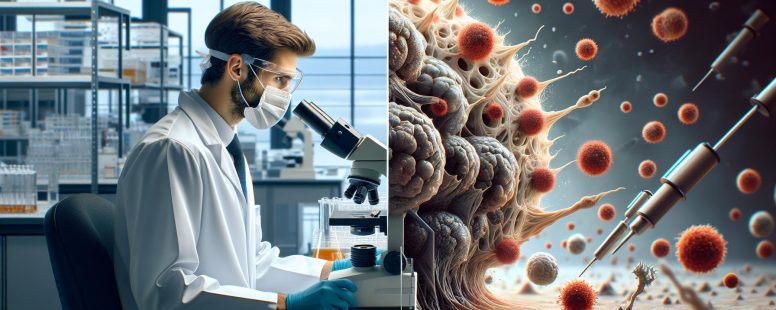
Picture your body as a bustling city, each cell playing its role to keep everything running smoothly. But what happens when some cells need to leave the scene? Not all exits are the same—some are orderly and planned, while others are chaotic and destructive. This is where the fascinating contrast between necrosis and apoptosis comes into play.
You might not think about it often, but how cells die can shape your health in profound ways. Apoptosis acts like a carefully choreographed performance, ensuring old or damaged cells bow out gracefully without harming their neighbors. Necrosis, on the other hand, feels more like an unplanned disaster—a messy event that can trigger inflammation and further damage.
Overview Of Cell Death Processes
Cell death occurs in two primary ways: apoptosis and necrosis. Apoptosis, often called “programmed cell death,” involves a regulated process where cells self-destruct when they’re damaged or no longer needed. This prevents harm to surrounding tissues and supports overall cellular balance. For example, during embryonic development, apoptosis shapes fingers by removing unneeded tissue between them.
Necrosis, on the other hand, results from acute injury or external stress like trauma or infection. Unlike apoptosis, necrotic cells rupture uncontrollably, releasing their contents into nearby tissues and triggering inflammation. Conditions such as frostbite or severe burns can lead to necrosis.
Both processes play distinct roles in health and disease management. While apoptosis maintains homeostasis by eliminating faulty cells with precision, necrosis often signals underlying pathological issues that require intervention.
What Is Necrosis?
Necrosis refers to an uncontrolled form of cell death resulting from acute damage or stress. Unlike apoptosis, it disrupts cellular homeostasis and triggers inflammation that can harm surrounding tissues.
Definition And Characteristics
Necrosis is the premature death of cells caused by external factors like trauma, infection, or toxins. It’s characterized by cell swelling, membrane rupture, and release of intracellular contents into the extracellular space. This process often leads to localized inflammation, damaging neighboring cells and tissues.
For example, in myocardial infarction (heart attack), necrotic death occurs when blood flow is obstructed, depriving heart tissue of oxygen. The resulting damage highlights how necrosis signals underlying pathological issues rather than a natural cellular turnover.
Causes Of Necrosis
The primary causes include physical injury (e.g., cuts or burns), infections (bacterial or viral), chemical exposure (toxins or poisons), ischemia (restricted blood supply), and radiation. Conditions like frostbite demonstrate how environmental extremes induce necrotic damage through freezing temperatures disrupting cellular structures.
Infections such as gangrene showcase another cause where bacterial invasion destroys tissue integrity. Also, drugs like certain chemotherapy agents may lead to toxic necrosis if they affect unintended healthy cells during treatment.
Morphological Changes In Necrosis
Morphological changes in necrotic cells include cytoplasmic swelling, loss of plasma membrane integrity, organelle destruction, and nuclear degradation. Specific patterns vary depending on the type:
Coagulative Necrosis: Common in ischemia affecting solid organs like kidneys; proteins denature while cell outlines remain.
Liquefactive Necrosis: Seen in brain infarctions; enzymatic digestion turns affected areas into liquid masses.
Caseous Necrosis: Observed in tuberculosis infections; dead tissue appears cheese-like due to macrophage activity.
These changes are frequently observable under a microscope during pathological exams for diagnosing diseases involving extensive tissue death.
What Is Apoptosis?
Apoptosis refers to a highly regulated process of programmed cell death. It eliminates damaged or unnecessary cells without causing harm to surrounding tissues, maintaining cellular homeostasis.
Definition And Characteristics
Apoptosis is a biological mechanism that ensures the systematic removal of cells. Unlike necrosis, apoptosis is orderly and energy-dependent. During this process, cells shrink, chromatin condenses, and the plasma membrane remains intact until the final stages. Phagocytic cells efficiently clear apoptotic bodies without triggering inflammation.
This process plays an essential role in development and tissue remodeling. For example, during embryogenesis, it helps shape fingers by removing webbing between them. In adults, it prevents tumors by eliminating potentially cancerous cells.
Causes Of Apoptosis
Intrinsic pathways activate apoptosis due to internal signals like DNA damage or oxidative stress. These signals involve mitochondria releasing cytochrome c and activating caspases—proteins responsible for executing cell death.
Extrinsic pathways trigger apoptosis when external ligands bind to death receptors on cell membranes. For instance, Fas ligand binding activates signaling cascades leading to controlled cellular disassembly.
Physiological triggers include hormone withdrawal in breast tissue after lactation or immune system regulation through lymphocyte elimination post-infection.
Morphological Changes In Apoptosis
Cells undergoing apoptosis exhibit distinct morphological changes visible under a microscope:
Cell Shrinkage: The cytoplasm reduces as water exits.
Chromatin Condensation: Nuclear material condenses into dense patches near the nuclear envelope.
Membrane Blebbing: The plasma membrane forms protrusions called blebs while remaining structurally intact.
Formation of Apoptotic Bodies: Cellular components fragment into vesicles engulfed by phagocytes for disposal.
Key Differences Between Necrosis And Apoptosis
Necrosis and apoptosis differ fundamentally in their processes, outcomes, and effects on the body. Understanding these distinctions helps you comprehend how the body manages cell death under varied circumstances.
Trigger Mechanisms
Necrosis occurs due to external stressors like trauma, infection, or toxins. For example, during ischemia (restricted blood flow), cells undergo necrosis because they can’t access oxygen and nutrients. Conversely, apoptosis is initiated by internal or external signals such as DNA damage or immune responses. Intrinsic pathways involve mitochondrial signals, while extrinsic pathways are triggered by death receptor activation.
Cellular Changes
Cells undergoing necrosis swell until their membranes rupture, releasing contents into surrounding tissue. This process results in inflammation and often worsens tissue damage. In apoptosis, cells shrink and form apoptotic bodies that phagocytes efficiently clear without causing harm to neighboring cells. Morphological differences include chromatin condensation in apoptosis versus organelle destruction in necrosis.
Physiological Vs Pathological Roles
Apoptosis serves physiological purposes like shaping embryonic development or maintaining cellular homeostasis. For instance, during fetal development, webbed fingers separate due to programmed cell death of unnecessary tissue. Necrosis typically arises from pathological conditions such as infections or injuries that disrupt normal cellular environments.
Impact On Surrounding Tissue
Necrotic cell death damages surrounding tissues through inflammation caused by leaked intracellular contents like enzymes and reactive oxygen species (ROS). This can exacerbate diseases like atherosclerosis where inflamed plaques accumulate on arterial walls. In contrast, apoptosis minimizes collateral impact by packaging dying cells into vesicles for safe removal without inflammatory response.
Importance Of Understanding Cell Death
Recognizing the mechanisms behind cell death is essential for comprehending its impact on health and disease. Apoptosis, often described as “cellular suicide,” facilitates tissue homeostasis by eliminating damaged or unnecessary cells without harming surrounding areas. This process ensures proper development and prevents conditions like cancer, where unchecked cell growth occurs due to failed apoptosis.
In contrast, necrosis signals underlying pathological issues that demand attention. For example, in myocardial infarction (heart attack), necrosis results from obstructed blood flow leading to irreversible tissue damage. By identifying early signs of necrotic processes, you can aid in timely medical interventions that minimize complications.
Understanding these processes also enhances your ability to interpret laboratory findings and histological samples. Pathologists rely on cellular morphology—such as the shrunken appearance of apoptotic cells or the swollen state of necrotic ones—to diagnose diseases accurately. Without this knowledge, treatment strategies risk being ineffective or misdirected.
The study of cell death extends into therapeutic innovations too. Cancer treatments like chemotherapy aim to trigger apoptosis in malignant cells while sparing healthy ones. But, excessive necrosis during such treatments might cause inflammation and hinder recovery.
Conclusion
Understanding the distinction between necrosis and apoptosis gives you valuable insights into how your body manages cellular health. While apoptosis ensures balance and order through controlled cell removal, necrosis signals potential damage that often requires medical attention. Recognizing these processes helps you better appreciate their roles in development, disease prevention, and recovery.
Awareness of these mechanisms also highlights their significance in advancing medical treatments, from targeting cancer cells via apoptosis to addressing conditions linked to necrotic damage. By staying informed about cell death pathways, you empower yourself with knowledge crucial for understanding health and disease at a deeper level.
To provide the best experiences, we use technologies like cookies to store and/or access device information. Consenting to these technologies will allow us to process data such as browsing behaviour or unique IDs on this site. Not consenting or withdrawing consent, may adversely affect certain features and functions.
Functional
Always active
The technical storage or access is strictly necessary for the legitimate purpose of enabling the use of a specific service explicitly requested by the subscriber or user, or for the sole purpose of carrying out the transmission of a communication over an electronic communications network.
Preferences
The technical storage or access is necessary for the legitimate purpose of storing preferences that are not requested by the subscriber or user.
Statistics
The technical storage or access that is used exclusively for statistical purposes.The technical storage or access that is used exclusively for anonymous statistical purposes. Without a subpoena, voluntary compliance on the part of your Internet Service Provider, or additional records from a third party, information stored or retrieved for this purpose alone cannot usually be used to identify you.
Marketing
The technical storage or access is required to create user profiles to send advertising, or to track the user on a website or across several websites for similar marketing purposes.