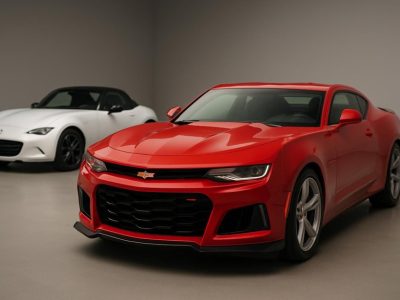
Picture yourself cruising down a winding road, the sun kissing your skin and the engine humming in perfect harmony. If you’re a car enthusiast, you’ve likely heard whispers about the Mazda MX-5 and Miata—but are they truly different, or just two names for the same legend? These iconic roadsters have sparked debates among drivers worldwide, leaving many wondering what sets them apart.
You might be surprised to learn that the answer isn’t as straightforward as it seems. From subtle branding nuances to regional naming conventions, understanding the distinction between these two terms can deepen your appreciation for one of the most beloved sports cars ever made. Whether you’re shopping for your dream ride or simply curious about automotive lore, unraveling this mystery promises to be an exciting journey.
Overview Of The MX5 And Miata
The Mazda MX-5 and the Miata are technically the same vehicle, differentiated by naming conventions in various regions. In Japan and Europe, it’s commonly referred to as the MX-5, whereas in North America, it is branded as the Miata. Both names represent a lightweight sports car known for its exceptional handling dynamics.
Introduced in 1989 at the Chicago Auto Show, this model aimed to revive the roadster segment with its compact design and reliable performance. It combines rear-wheel drive with near-perfect weight distribution, offering agility and responsiveness on winding roads.
The term “Miata” originates from an Old High German word meaning “reward,” symbolizing driving pleasure. Meanwhile, “MX-5” aligns with Mazda’s internal project naming system—’MX’ denoting Mazda Experimental models. Even though their naming distinctions, both versions share identical mechanical specifications and design features across generations.
Examples of differences emerge primarily in trim levels or market-specific options. For instance, European variants often include additional safety features like pedestrian protection systems due to regional regulations.
Key Differences In Design
The Mazda MX-5 and Miata share a unified platform, but subtle design differences cater to regional preferences. These variations enhance their appeal while maintaining the roadster’s iconic aesthetic.
Exterior Styling
The MX-5 often features market-specific styling elements. For example, European models may include slimmer license plate frames and additional reflector lights for compliance with regional regulations. In contrast, North American Miatas emphasize bold branding with distinctive badges like the “Miata” logo on the rear decklid.
Color options also differ slightly between markets. Some limited-edition MX-5 variants sold in Japan or Europe showcase exclusive paint finishes such as Eternal Blue Mica or Soul Red Crystal, whereas U.S.-based Miatas might offer unique trim packages to highlight sporty accents.
Wheel designs further distinguish these models. The MX-5 sometimes integrates monochromatic alloy wheels tailored to minimalist preferences, while Miatas can feature polished two-tone rims that accentuate their dynamic character.
Interior Features
Interior layouts remain largely consistent across both names; but, trim levels introduce nuanced differences. European MX-5s frequently include heated seats and Alcantara upholstery for added comfort in colder climates. Meanwhile, North American Miatas prioritize convenience with cup holders suited for larger beverage sizes and infotainment systems preloaded with localized navigation maps.
Safety regulations influence interior configurations too. For instance, MX-5 versions sold in Europe may incorporate advanced driver-assistance systems (ADAS) like lane departure warnings not present on entry-level Miatas due to varying legal standards.
Exclusive badging enhances buyer distinction as well—Japanese Domestic Market (JDM) units of the MX-5 occasionally display “Roadster” emblems stitched into headrests or floor mats, emphasizing cultural pride over international uniformity within cabin aesthetics.
Performance Comparison
The Mazda MX-5 and Miata share a reputation for delivering engaging performance. Even though identical mechanical foundations, regional variations and market-specific tuning may subtly influence the driving experience.
Engine Specifications
Both models feature a 2.0-liter SKYACTIV-G inline-four engine, producing 181 horsepower at 7,000 rpm and 151 lb-ft of torque at 4,000 rpm. The lightweight design contributes to their impressive power-to-weight ratio, enhancing acceleration and responsiveness. For instance, both can achieve a 0-60 mph time of approximately 6 seconds.
But, emissions regulations may slightly alter engine calibration in different regions. European MX-5s often prioritize fuel efficiency due to stricter CO2 standards. In contrast, North American Miatas lean toward maximizing performance output within regulatory compliance.
Transmission options include a six-speed manual or automatic gearbox with paddle shifters on select trims. Enthusiasts frequently praise the manual transmission for its short throws and precise engagement.
Handling And Driving Experience
Known for exceptional handling dynamics, both versions leverage rear-wheel drive and near-perfect weight distribution (approximately 50:50) to deliver agility on tight corners. The double-wishbone front suspension complements the multi-link rear setup, ensuring stability during spirited drives.
Tuning adjustments cater to regional preferences. European MX-5s often feature firmer suspension settings aimed at sharper cornering precision on winding roads like those found in the Alps or Pyrenees mountains. North American Miatas prioritize comfort without sacrificing responsive steering feedback—ideal for cruising along scenic routes such as California’s Pacific Coast Highway.
Mazda’s i-ACTIVSENSE safety suite enhances confidence during daily commutes or weekend getaways by offering features like lane-departure warning and adaptive cruise control where available regionally.
Pricing And Value
The pricing of the MX-5 and Miata varies based on regional markets, currency differences, and specific trim levels. In North America, the Miata’s base model starts around $28,000 as of 2023. European MX-5 models typically have a slightly higher starting price due to import taxes and additional safety features, with entry-level trims priced at approximately €30,000 ($31,600).
Trim levels affect value significantly. For example, the Club trim in North America offers sport-tuned suspension and limited-slip differential for performance-focused buyers. Meanwhile, European buyers might opt for higher-tier trims like the Sport Tech that include advanced driver-assistance systems (ADAS) as standard.
Resale value is another key factor. Both versions retain high resale prices compared to competitors due to their reliability and enthusiast following. But, demand for specific trims or configurations—like manual transmissions—is often higher in regions favoring spirited driving experiences.
Special editions further influence cost perceptions. For instance, the 100th Anniversary Edition released globally featured premium materials and unique badging but came with a steeper sticker price compared to standard variants.
When considering long-term ownership costs—insurance premiums and maintenance expenses also differ regionally. North American Miatas tend to have lower insurance rates than their European counterparts because of varying road regulations and repair part availability.
Understanding these distinctions helps you assess whether an MX-5 or Miata aligns better with your budget constraints while still delivering exceptional driving enjoyment.
Popular Misconceptions
MX-5 and Miata are Different Cars
You might think the MX-5 and Miata are separate models, but they’re the same car marketed under different names in various regions. In North America, it’s called the Miata, while Japan and Europe use the MX-5 badge. Mechanically, both share identical specifications, including chassis design, engine options, and performance metrics.
Miatas Lack Advanced Features
Some believe that Miatas don’t include modern technologies or luxury options. But, features like heated seats, Apple CarPlay integration, adaptive cruise control, and lane-departure warning are available depending on trim levels in both MX-5s and Miatas. For example; European markets often prioritize advanced safety systems due to stricter regulations.
Only Enthusiasts Drive Them
Many assume these roadsters only appeal to hardcore driving enthusiasts when in reality they cater to diverse audiences. Their affordability attracts first-time sports car buyers; their reliability appeals to daily drivers seeking a fun commute; special editions intrigue collectors looking for unique investments.
Convertible Models Are Less Practical
There’s a misconception that convertibles lack practicality because of limited trunk space or weather exposure concerns. Yet Mazda’s engineers optimized storage solutions within compact dimensions—providing 4.59 cubic feet of trunk capacity—and enhanced soft-top durability against harsh conditions like rain or snow.
Performance Differs Significantly by Region
While regional tuning addresses specific market preferences (e.g., sharper handling in Europe vs smoother comfort focus in North America), core performance remains consistent globally: all models feature a 181-horsepower engine paired with precise six-speed transmissions ensuring agile dynamics across terrains worldwide.
Conclusion
Understanding the differences between the MX-5 and Miata helps you navigate regional nuances while appreciating their shared legacy. Even though variations in branding, design details, and market-specific options, both deliver exceptional driving dynamics and timeless appeal.
Whether you’re drawn to the spirited performance or thoughtful design tweaks tailored to your region, this iconic roadster remains a rewarding choice for enthusiasts and everyday drivers alike. Choosing between an MX-5 or Miata eventually comes down to personal preferences and local availability—either way, you’re investing in an automotive icon built for pure driving enjoyment.
To provide the best experiences, we use technologies like cookies to store and/or access device information. Consenting to these technologies will allow us to process data such as browsing behaviour or unique IDs on this site. Not consenting or withdrawing consent, may adversely affect certain features and functions.
Functional
Always active
The technical storage or access is strictly necessary for the legitimate purpose of enabling the use of a specific service explicitly requested by the subscriber or user, or for the sole purpose of carrying out the transmission of a communication over an electronic communications network.
Preferences
The technical storage or access is necessary for the legitimate purpose of storing preferences that are not requested by the subscriber or user.
Statistics
The technical storage or access that is used exclusively for statistical purposes.The technical storage or access that is used exclusively for anonymous statistical purposes. Without a subpoena, voluntary compliance on the part of your Internet Service Provider, or additional records from a third party, information stored or retrieved for this purpose alone cannot usually be used to identify you.
Marketing
The technical storage or access is required to create user profiles to send advertising, or to track the user on a website or across several websites for similar marketing purposes.