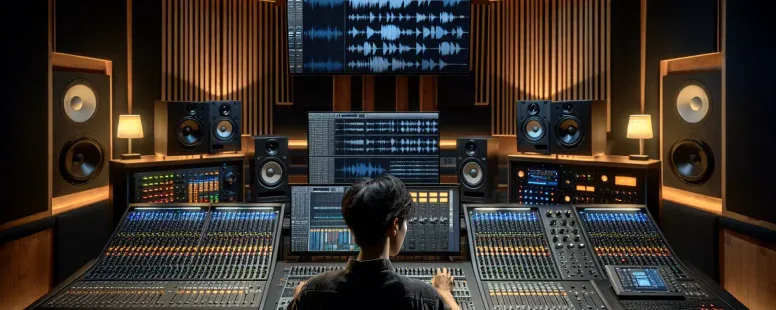
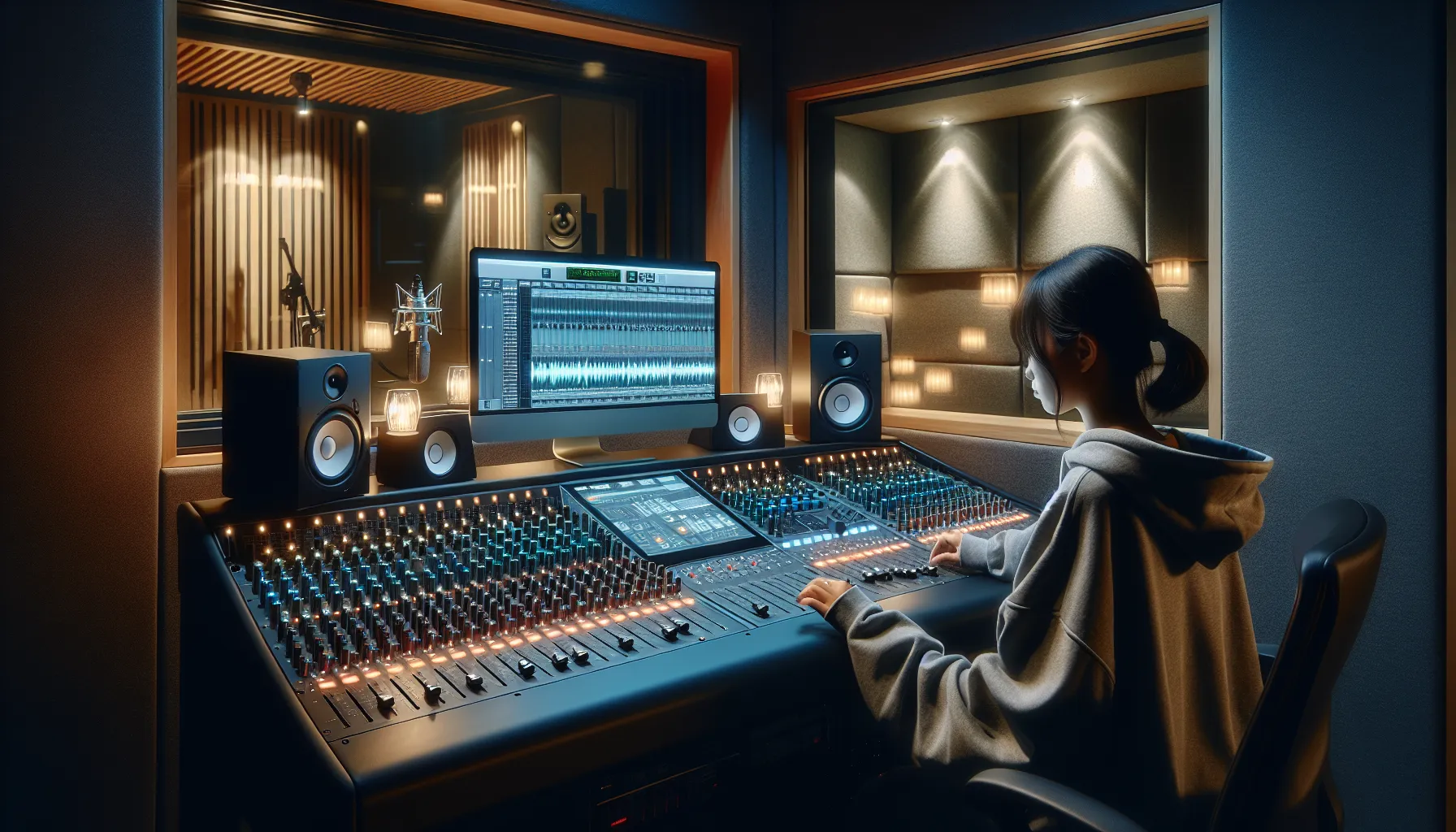
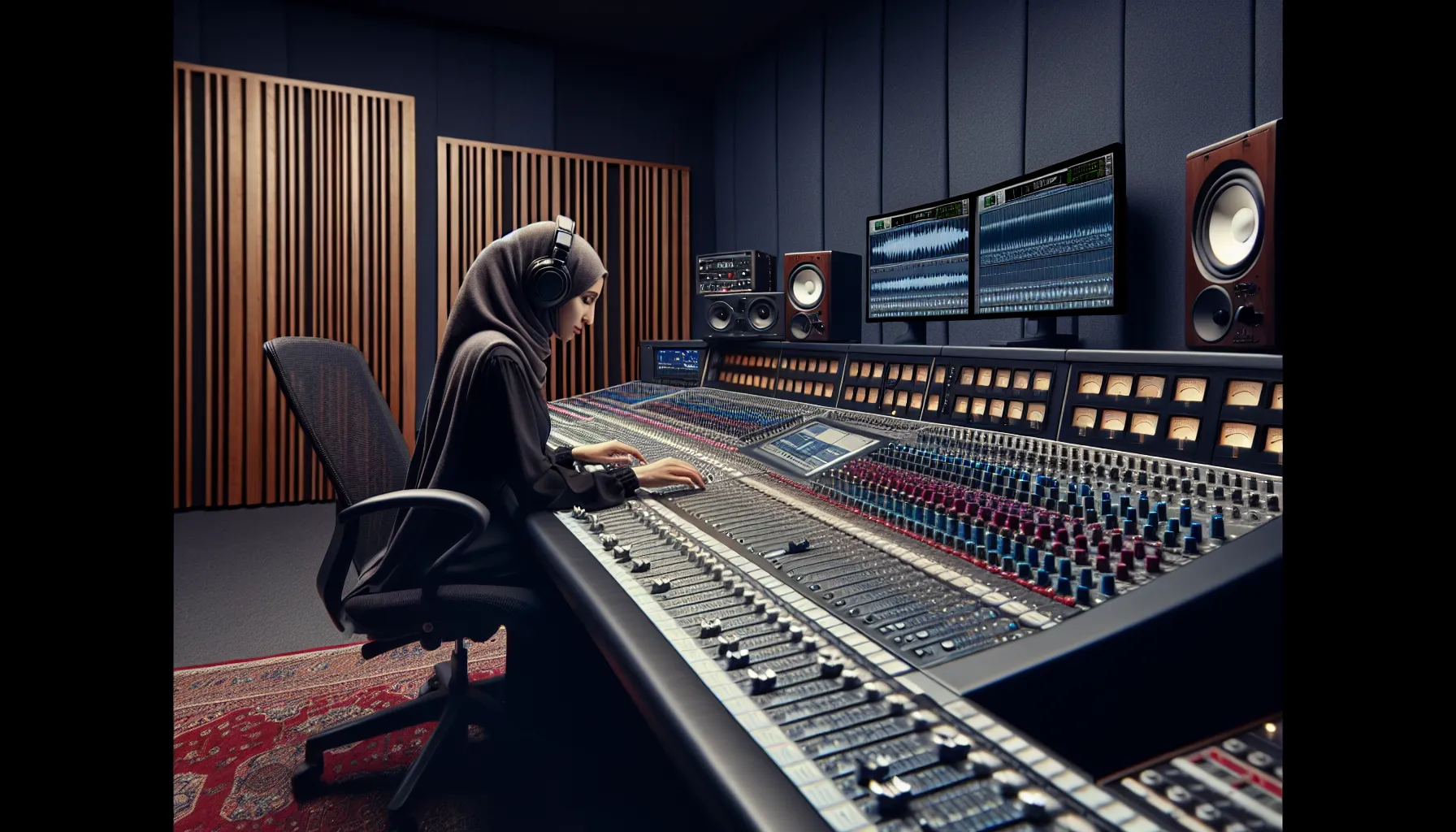
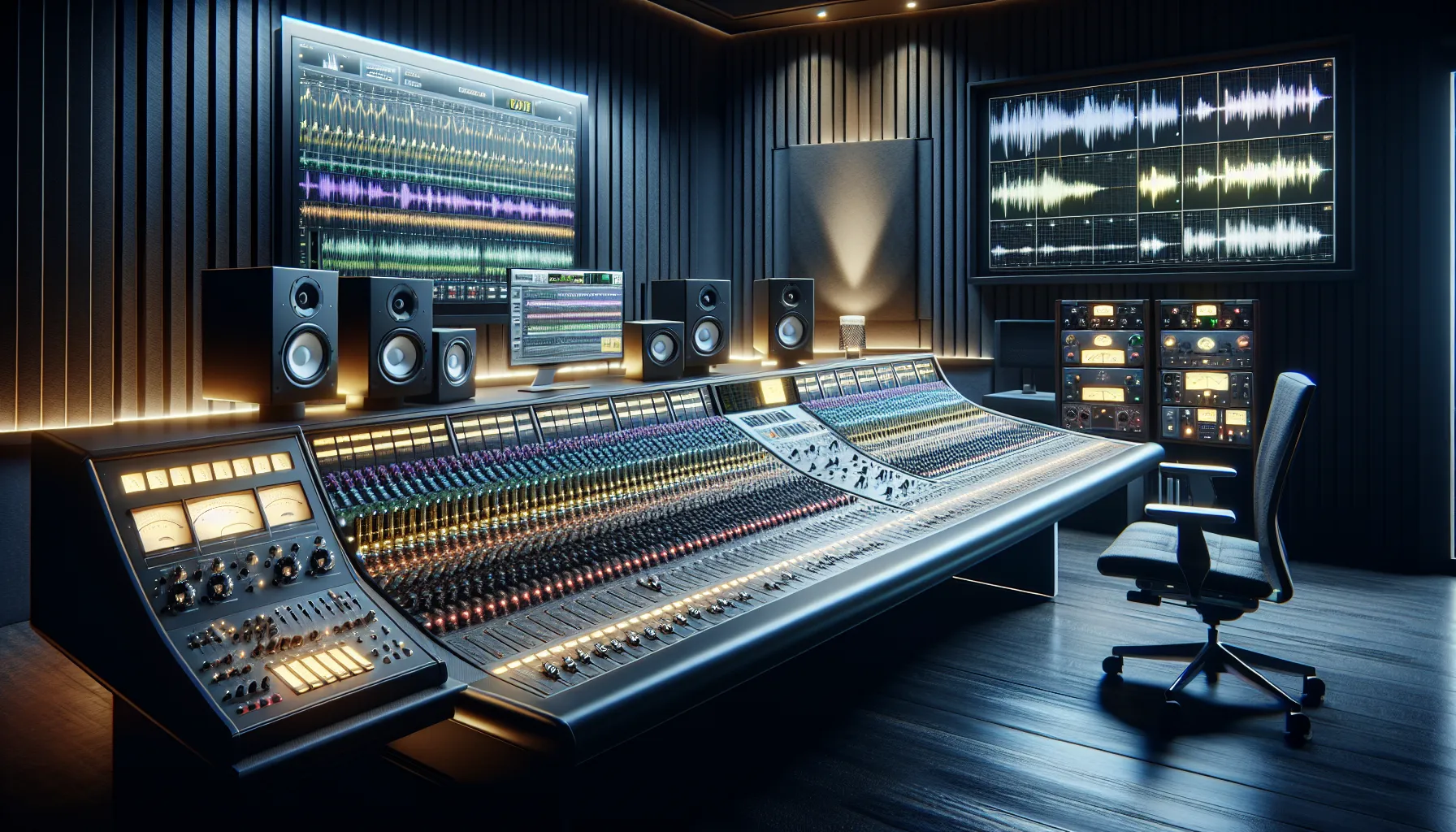
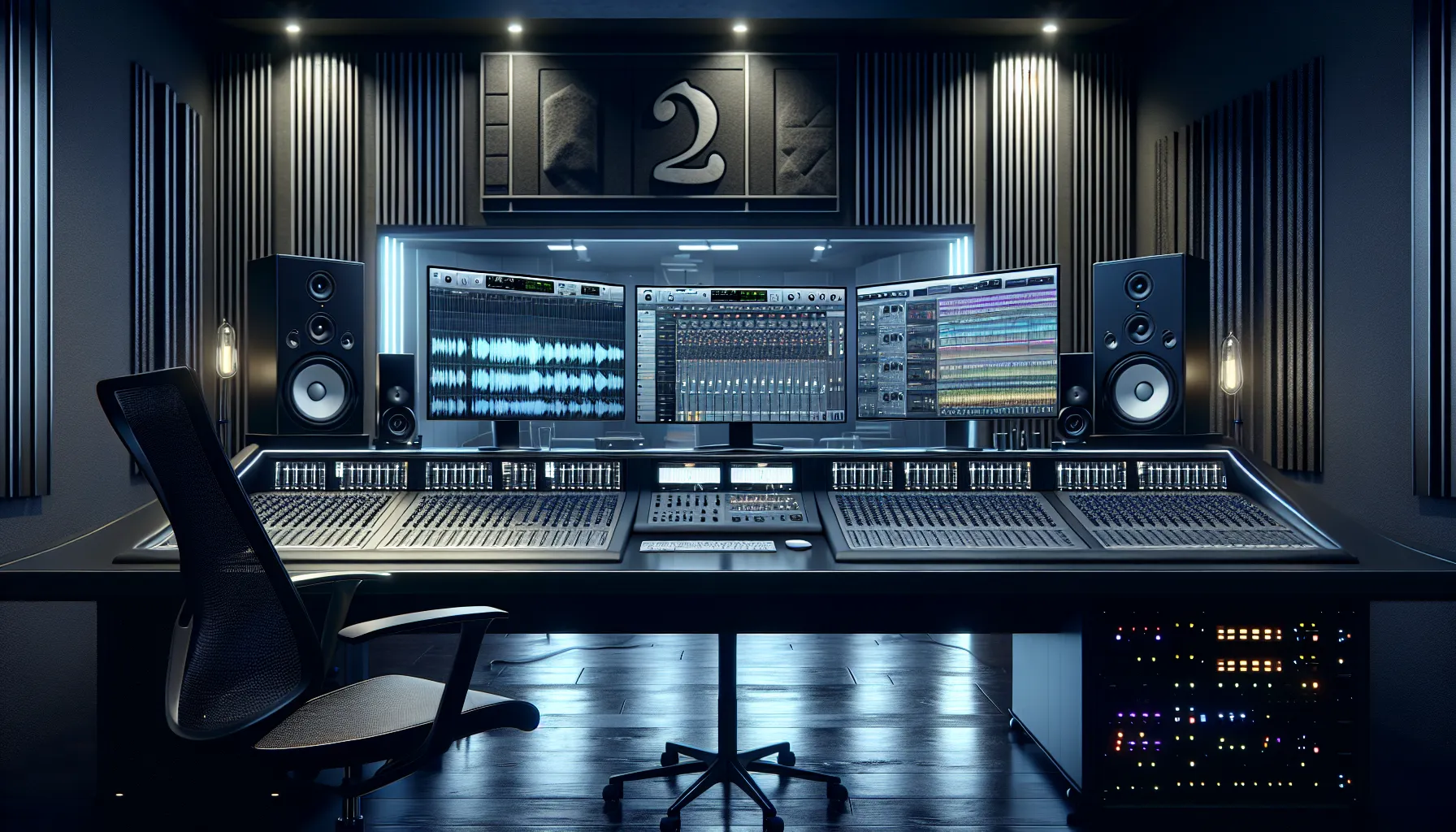
The process of producing high-quality audio involves various stages, each with its distinct purpose and expertise. Among them, mixing and mastering are two critical but often misunderstood phases. These stages, though interconnected, contribute uniquely to transforming raw recordings into polished and professional final products. Let’s investigate into an insightful exploration of mixing and mastering, highlighting their roles, intricacies, and differences.
Understanding Audio Production Phases
Audio production is a multifaceted journey that takes a raw recording and develops it into a crafted, ready-to-release track. Among these phases, two crucial stages stand out: mixing and mastering. Each of these stages serves a unique function while maintaining consistency to achieve optimal sound quality. To truly appreciate their differences, it’s valuable to comprehend where these steps fit within the overall production process.
The Basics of Mixing Audio
What Mixing Entails
Mixing is the process where individual audio elements, such as vocals, instruments, and effects, are balanced and enhanced within a track. This involves adjusting volume levels, equalization, and spatial positioning.
Tools and Techniques in Mixing
Mixing employs software and hardware, such as digital audio workstations (DAWs), equalizers, compressors, and plugins, to create a harmonious and dynamic track.
Purpose and Goals of Mixing
The primary objective of mixing is to blend all audio components cohesively, ensuring clarity and emotional impact while maintaining artistic intention.
The Mastering Stage Explained
Objectives of Mastering Audio
Mastering focuses on preparing the final mix for distribution by addressing consistency, loudness, and audio fidelity across diverse playback systems.
Mastering Tools and Techniques
This stage involves precision tools such as limiters, EQs, stereo enhancement, and mix analysis systems to fine-tune details and optimize the track for release mediums.
Key Differences Between Mixing and Mastering
Goals and Applications
Mixing centers on managing individual track components harmoniously, while mastering ensures the track’s readiness for varied distribution formats.
Workflow Sequence and Dependencies
Mixing precedes mastering, as the latter refines and finalizes the mix for presentation.
Final Quality Assurance
Mastering functions as the last step, providing a polished sound, uniformity across tracks (if applicable), and adherence to industry standards.
To provide the best experiences, we use technologies like cookies to store and/or access device information. Consenting to these technologies will allow us to process data such as browsing behaviour or unique IDs on this site. Not consenting or withdrawing consent, may adversely affect certain features and functions.
Functional
Always active
The technical storage or access is strictly necessary for the legitimate purpose of enabling the use of a specific service explicitly requested by the subscriber or user, or for the sole purpose of carrying out the transmission of a communication over an electronic communications network.
Preferences
The technical storage or access is necessary for the legitimate purpose of storing preferences that are not requested by the subscriber or user.
Statistics
The technical storage or access that is used exclusively for statistical purposes.The technical storage or access that is used exclusively for anonymous statistical purposes. Without a subpoena, voluntary compliance on the part of your Internet Service Provider, or additional records from a third party, information stored or retrieved for this purpose alone cannot usually be used to identify you.
Marketing
The technical storage or access is required to create user profiles to send advertising, or to track the user on a website or across several websites for similar marketing purposes.