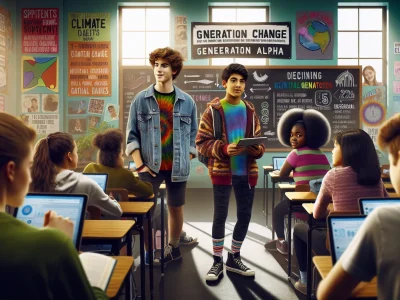
Picture yourself scrolling through a buzzing social feed—memes collide with activism, trends shift in the blink of an eye, and every post feels like a window into a different mindset. why your younger coworker seems to speak a different digital language or why your older sibling’s nostalgia feels just out of reach? The line between Millennials and Generation Z isn’t just about age—it’s a fascinating crossroads of culture, technology, and values.
Unlocking these differences goes beyond hashtags and fashion. When you understand what truly sets Millennials and Gen Z apart, you’ll spot hidden opportunities to connect, communicate, and collaborate in ways you never imagined. Get ready to see the world through a sharper lens as you jump into the subtle yet striking contrasts that shape these two dynamic generations.
Defining Millennials and Generation Z
Millennials and Generation Z stand apart as two adjacent generational cohorts. You can trace their differences through core experiences, shifting technologies, and evolving social values.
Key Birth Years and Demographics
Millennials span 1981–1996, according to Pew Research Center. Generation Z includes birth years from 1997–2012, as identified by the U.S. Census Bureau. Cultural events like the September 11 attacks, the rise of broadband Internet, and even the COVID-19 pandemic shape shared memories for each group.
Demographic features distinguish both segments. Millennials, for example, entered the workforce during the 2008 recession and prioritize urban living; Generation Z, but, reached adolescence amid digital abundance and prefers flexible, remote environments. Age diversity within each cohort creates further variety—for instance, a Millennial born in 1981 may recall rotary phones, while a 1996 peer remembers iPhones. Which specific years do you feel resonate most with your own identity?
General Characteristics
Millennials, as digital pioneers, adapted from analog childhoods to tech-savvy adulthoods. Many recall sharing family desktop computers and using MySpace. You’ll notice their reputation for valuing collaboration, social consciousness, and purpose-driven work—a Pew Research Center report states over 70% support causes like climate action.
Generation Z, in contrast, emerges as digital natives. Most have owned a smartphone before age 13, often receiving their first device before high school. Individuality, mental health advocacy, non-binary gender awareness, and financial pragmatism typifies their outlook. TikTok trends and Snapchat streaks define many real-life friendships. Some educators reports that Gen Z expects on-demand feedback and personalized learning, reflecting their hyper-connected upbringing.
Cultural linguist Gretchen McCulloch observes that Millennials favor memes with sarcastic undertones, while Gen Z loves video-driven, hyper-contextual internet slang. Does your preferred style of communication line up with your cohort, or do you borrow signals from both?
Grammatical ambiguity, rapid context-switching, and meme-laden speech patterns actively construct identity for these groups. You might see hashtags, emojis, and even “cancel culture” as artifacts of these generational grammars. If you picture generations as languages, Millennials and Generation Z write entirely new dictionaries—one post, one stream, one TikTok at a time.
Core Differences in Values and Beliefs
You’ll notice core differences in values and beliefs shaping how Millennials and Generation Z interact with the world. These distinctions appear most vividly in workplaces and social debates.
Attitudes Toward Work and Career
You see Millennials treating work as a platform for purpose and community. They keep searching for workplaces that align with their personal values—whether it’s sustainability, social impact, or transparent leadership. The 2008 recession triggered risk-averse career planning for many Millennials, making them value job stability and upward mobility. For example, a Gallup poll (2020) found that over 65% of Millennials prioritize ethical leadership when considering new opportunities.
You find Generation Z pushes back against traditional workplace norms, treating careers as a series of flexible projects rather than a single ladder to climb. They’ve grown up watching economic volatility and remote work rise, so they often see work-life balance and financial independence as non-negotiable. Instead of long-term loyalty, they look for freelance gigs, entrepreneurial side hustles, and flexible schedules with companies like Shopify or Upwork. If a job feels inauthentic, Gen Z won’t hesitate to move on quickly—sometimes after just a year or two.
Would you sacrifice steady income for fulfillment? Millennials ask that question often, weighing meaning against money. Gen Z asks: Can I build wealth while protecting my mental health? Both questions steer them toward radically different career landscapes.
Views on Social and Political Issues
You recognize distinct generational fingerprints in social and political arenas. Millennials amplify causes like climate action, inclusion, and LGBTQ+ rights through social media campaigns and grassroots rallies—think of 2010’s Occupy Wall Street and widespread #MeToo activism. Pew Research Center (2021) reports 73% of Millennials support same-sex marriage, showing how progressive social values define their community.
You spot Gen Z embracing activism even earlier, organizing digitally around issues like racial injustice or gender identity with viral hashtags and virtual protests. Gen Z activists—like Greta Thunberg with the global climate strikes—demonstrate that you can spark global conversations from a bedroom. Political savviness infuses their advocacy, as platforms like TikTok give them the tools to challenge misinformation and hold institutions accountable. More than any prior generation, Gen Z expects transparency, intersectionality, and immediate progress from politics.
If you’re comparing social priorities, Millennials often focus on incremental change through established channels, while Gen Z pushes for radical transparency and measurable results. Why wait for the system to work if you can build new ways to drive change from your phone? This influence shapes both internet activism and real-life policy debates, creating a dynamic landscape that your generation helps redefine.
Technology and Digital Behavior
You navigate a world that’s shaped by generations and their digital instincts. Millennials laid the foundation for online interactions, but Generation Z, who breathes native fluency into bytes, moves at algorithms’ speed.
Social Media Preferences
You notice Millennials flocked to Facebook in 2008, changing relationships into status updates and “liking” their lives into memory (Pew Research Center, 2019). Instagram gained traction among you if you’re a visual storyteller, placing curated grids above hashtag chaos. Snapchat? Millennials tested the ephemeral, but Gen Z turned fleeting snaps into entire conversations. TikTok, the narrative of Gen Z, pulses with viral micro-videos—its For You page, a backstage pass to global youth culture.
If a dance challenge, a niche meme, or a protest hashtag trends, Gen Z drives the beat. They scroll between BeReal and Discord, shaping semiprivate digital spaces. Millennials, maybe catching up, still view LinkedIn’s occasional post as networking; Gen Z sends a Discord link and builds a server overnight for community.
Which platforms make memories for you? Does the collective nostalgia of “poke” wars connect you, or do fresh TikTok duets keep you scrolling long after midnight?
Platform
Millennials (adoption rate/usage)
Gen Z (adoption rate/usage)
Dominant Use
Facebook
86% (peak)
34% (2023) (Pew, 2023)
Networking, news
Instagram
59%
76%
Storytelling
TikTok
22% (2021)
67% (2023) (Statista, 2023)
Entertainment
Snapchat
38%
65%
Daily messaging
Discord
7% (occasional)
41%
Peer communities
Online Communication Styles
You craft messages, each punctuation mark loaded with meaning. Millennials, learning during AIM and MSN Messenger eras, value subtle sarcasm, long-form updates, and carefully-placed GIFs. They sprinkle nostalgia with animated emojis and relate through callback jokes.
Gen Z swaps text for imagery. You might record a thirty-second reaction video instead of typing, or reply with a hyper-contextual meme. Language fragments—abbreviations (“fr”, “sus”) and effortless code-switching—mix with layers of irony. Communication sometimes breaks grammar to make a point, because in Gen Z discourse, intent matters more than syntax.
Consider a group chat. Millennials may organize weekend plans in paragraph-length comments. Gen Z drops a poll, adds a voice note, and ends the thread in half the time. Your tone there’s subtle difference—a missed period signals tone, a lowercase “lol” could mean boredom, or sincerity, depending on the emoji after it.
Digital conversation now plays out on multiple screens. If you send a DM, you might use voice memos, GIF reactions, and real-time edits with collaborative docs—demonstrating a blend of video, text, and multitasking fluency few predicted a decade ago.
How does your generation talk online? Who’s grammar do you see evolving fastest, and who’s “seen at 2:01 AM” tells the loudest story in silence?
Educational and Financial Perspectives
Educational experiences and financial habits set Millennials and Generation Z apart in unexpected ways. You’ll find generational patterns reflected in campus activism, career aspirations, digital classrooms, Buy Now Pay Later apps, and gig work.
Approach to Education and Learning
Millennials, usually born between 1981 and 1996, entered college as social media platforms like Facebook emerged. Their higher-education journeys leaned on structured paths, in-person lectures, linear degrees, and heavy student loans—Pew Research shows 39% of Millennials ages 25-37 held a bachelor’s degree or higher by 2018, compared to just 29% of Gen X at the same age. Many sought traditional credentials, trusting education would unlock stable jobs, even as the Great Recession dimmed prospects. When facing tough decisions, you’d hear echoes of parents urging, “Get that degree—it’s your safety net.”
Gen Z, born from 1997 to 2012, sees the academic world through screen-lit lenses. You’ll recognize their adaptive learning: asynchronous online classes, micro-credentials, YouTube crash courses, and collaborative Discord study groups. While a majority still value college, 33% of Gen Z teens say they want alternatives, citing rising tuition and unpredictable job markets (ECMC Group 2022). What makes them pause to consider? Their skepticism grows when they see viral stories of student debt and tales of TikTok creators building businesses well before diploma ceremonies.
Money Management and Spending Habits
Money shapes everyday choices for Millennials and Gen Z, but their attitudes differ as stark as vintage cash registers and digital wallets. Millennials, burned by the aftermath of the 2008 recession, carry a cautious mindset towards money. Many delay homeownership—only 48% own homes by age 40 according to NAR data—preferring savings and budgeting apps. Retail therapy, avocado toast jokes, and loyalty points are common fixtures in their lexicon. You might spot Millennials scanning reviews, stacking coupons, or shelling out for “experiences over things.”
Gen Z treats money more like a side quest in an open-world game—dynamic, portable, and sometimes unexpected. Digital-first, 86% of Gen Z use mobile banking (Business Insider Intelligence). Many invest earlier, using apps like Robinhood and Cash App. They gravitate towards side hustles, flipping sneakers or running Etsy shops, embracing gig work for freedom. Your Gen Z friend might use Venmo for pizza, buy crypto on a whim, or splurge on a limited merch drop but stash cash from birthday gifts in high-yield savings. Instant gratification sits comfortably beside future planning.
If you think about it, the educational and financial choices of Millennials and Gen Z aren’t just shaped by economics—they’re built by stories, screen glow, and shifting cultural expectations. Would you trust tradition or chase the new? That choice echoes in every tuition payment or mobile tap, inviting you to reflect on what you’d do in their shoes.
Workplace Expectations and Trends
Millennials and Generation Z bring different priorities and attitudes to your workplace, reshaping norms and expectations. Their preferences for office environments and team dynamics influence how you design and lead modern organizations.
Preferred Work Environments
You see Millennials favor collaborative open spaces, glass-walled meeting rooms, and perks like gourmet coffee stations or after-work yoga, drawing inspiration from Silicon Valley startup culture. These environments reflect their desire for teamwork, creativity, and organic connection—sometimes at the expense of quiet concentration. Google’s nap pods and Facebook’s themed campuses serve as vivid examples of Millennial workspace ideals, where innovation and community blend as seamlessly as their digital and physical lives.
You can notice Generation Z crave flexibility and autonomy over themed spaces, with 65% of Gen Z professionals preferring hybrid or fully remote options (source: Deloitte 2023 Gen Z and Millennial Survey). They ask, “Why commute when collaboration happens through Slack or Zoom?” Digital natives seek asynchronous work so they can control their environment, often creating custom workstations at home—sometimes in Minecraft-inspired rooms with pets as co-workers. For Gen Z, boundaries matter more than beanbags, and digital connection trumps physical proximity.
When you design your next office, consider: Who’s the workspace for? Millennials may want open labs and group brainstorming corners. Gen Z might opt for noise-canceling headphones, flexible hours, and chat threads that capture everything in real-time text. Both approaches can coexist, though rarely without friction over which culture wins.
Expectations for Leadership and Collaboration
Your experience with Millennials likely shows they want approachable, mission-driven leaders. They flock to managers who share organizational values—think Patagonia founder Yvon Chouinard or the late Tony Hsieh of Zappos—who blend social impact with transparent processes. Millennials admire mentorship. They ask for weekly check-ins and clear pathways for professional growth, treating their manager as a coach and advocate. Their ideal? Transparent hierarchy mixed with strong feedback loops.
With Generation Z, you’ll find a sharper demand for authenticity, radical transparency, and two-way feedback. They aren’t afraid to question authority or call out performative leadership, especially when company values seem hollow. Gen Z expects democratized communication—anonymous feedback forms, direct messages, and viral videos exposing ivory tower decisions. In a 2021 LinkedIn survey, 64% of Gen Z respondents ranked “openness to new ideas from anyone on the team” above “experience” in leaders, revealing a shift in priorities.
Picture you’re organizing a team project. Your Millennials might schedule a kick-off meeting, circulate action items, and expect regular syncs. Gen Zers may launch a Discord server, share tasks in a Notion doc, and ask, “Why meet if we’ve already got the plan online?” Their collaboration style blurs hierarchy, leveraging memes as feedback and DMs as consensus tools. Sometimes, it’s can be chaotic, but often, it leads to rapid innovation and inclusion of diverse voices.
Which model do you gravitate towards—hierarchies with clarity or fluid networks that value speed and voice? If you blend both, could spark new ways of working that transcend old-generation divides. Your organization’s future depends on how well you navigate these contrasting paradigms, finding synergy where once there were silos.
Conclusion
As you interact with Millennials and Generation Z at work or in your personal life you’ll notice that each group brings its own strengths and perspectives. Embracing these differences can spark innovation and drive meaningful change in any environment.
By staying curious and open to new ways of thinking you position yourself to bridge generational gaps and foster authentic connections. Recognizing what sets these generations apart helps you adapt and thrive in a world that’s always evolving.
Published: July 25, 2025 at 9:11 am by Ellie B, Site owner & Publisher
To provide the best experiences, we use technologies like cookies to store and/or access device information. Consenting to these technologies will allow us to process data such as browsing behaviour or unique IDs on this site. Not consenting or withdrawing consent, may adversely affect certain features and functions.
Functional
Always active
The technical storage or access is strictly necessary for the legitimate purpose of enabling the use of a specific service explicitly requested by the subscriber or user, or for the sole purpose of carrying out the transmission of a communication over an electronic communications network.
Preferences
The technical storage or access is necessary for the legitimate purpose of storing preferences that are not requested by the subscriber or user.
Statistics
The technical storage or access that is used exclusively for statistical purposes.The technical storage or access that is used exclusively for anonymous statistical purposes. Without a subpoena, voluntary compliance on the part of your Internet Service Provider, or additional records from a third party, information stored or retrieved for this purpose alone cannot usually be used to identify you.
Marketing
The technical storage or access is required to create user profiles to send advertising, or to track the user on a website or across several websites for similar marketing purposes.