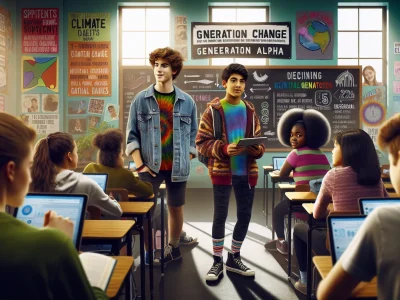
Imagine scrolling through your favorite social media app—one post is a perfectly curated brunch photo, and the next is a bold meme calling out societal norms. You might not realize it, but these snapshots reveal the subtle yet striking differences between Millennials and Gen Z. While both generations grew up in the digital age, their values, communication styles, and worldviews often feel like they’re worlds apart.
What drives one group to obsess over avocado toast while the other thrives on TikTok trends? The answer lies in their unique experiences shaped by the times they grew up in. From how they approach work to the way they consume content, these differences aren’t just fascinating—they’re reshaping culture, industries, and even the future. Understanding what sets these generations apart can offer surprising insights into how they think, connect, and influence the world around them.
Understanding Gen Z And Millennials
Gen Z, born between 1997 and 2012, and Millennials, born between 1981 and 1996, differ in attitudes, behaviors, and digital interactions. The events shaping their formative years play a crucial role in molding their perspectives. Millennials grew up with the rise of the internet but experienced a transition from analog technology, while Gen Z is the first generation to grow up entirely in a digital environment.
Millennials value experiences and often showcase them through social media platforms like Facebook and Instagram. For instance, you might notice their curated travel photos or posts about life milestones. On the other hand, Gen Z gravitates toward platforms emphasizing short-form, authentic content like TikTok, which hosts viral trends and unfiltered narratives. Gen Z integrates technology seamlessly into all aspects of life, whereas Millennials view technology more as a utility.
Economic challenges have influenced both generations differently. Millennials entered the workforce during the 2008 financial crisis, which shaped their cautious spending habits. They often prioritize stability, such as homeownership or career progression. In contrast, Gen Z navigates a gig economy and rising inflation, leading to a more flexible and entrepreneurial approach to income generation.
While both groups value social causes, their engagement differs. Millennials organize around broader causes, often leading initiatives through organizations or structured movements. Gen Z, leveraging digital tools, amplifies micro-level changes, pushing for individual accountability. You’ll see Gen Z using hashtags or viral campaigns to advocate for diversity, mental health, and climate change.
Their communication preferences highlight further distinctions. Millennials appreciate professionalism and detail, common in emails or patience with long-form blog posts. Gen Z leans into concise communication, using emojis, memes, and casual language even in formal contexts. For instance, Gen Z may respond to an email with a GIF or a one-line text, reflecting their comfort with informal discourse.
Understanding these contrasts helps in tailoring strategies for workplace collaboration, marketing, or social connection. Recognizing their distinct needs ensures effective engagement and fosters meaningful relationships across generational divides.
Key Characteristics Of Millennials
Millennials, born between 1981 and 1996, experienced a pivotal transition from analog to digital technology. Their upbringing during economic fluctuations and the rise of social media has significantly influenced their behaviors and values.
Technological Evolution
Millennials navigated a time when the internet emerged as a transformative force. They witnessed the arrival of dial-up connections, AOL instant messaging, and the shift to broadband. Unlike Gen Z, they adapted to technology over time rather than being innate digital users from birth.
Social media platforms like Facebook and Instagram became integral to their lives, emphasizing connections through polished, curated content. Many Millennials use LinkedIn for professional networking and rely on email for formal communication. Examples of popular trends included extensively uploading vacation photos or sharing detailed life updates online.
But, their technological experience contrasts with Gen Z’s reliance on Snapchat and TikTok for instant, unfiltered engagement.
Work Ethics And Career Goals
Millennials entered the workforce amid the 2008 financial crisis, strongly impacting their priorities about job stability. They often pursue steady job paths, value organizational loyalty, and emphasize career progression within structured environments. This generation favors balancing work-life demands through defined boundaries—prioritizing hybrid or flexible work arrangements when possible.
Purposeful employment also drives Millennials’ career choices. They gravitate toward companies investing in sustainability, diversity initiatives, or corporate social responsibilities. For example, a significant proportion (up to 70%, according to Gallup) seeks positions aligning with personal or societal values.
Unlike Gen Z, whose gig and entrepreneurial approach reflects adaptability, Millennials prefer well-established career trajectories with incremental progress.
Social Values And Preferences
Millennials assign high importance to social causes, echoing their desire for collective change. They support large-scale movements, from climate awareness campaigns to advocating gender equality and education reforms. Platforms like GoFundMe and Change.org show their inclination toward structured activism.
In terms of preferences, Millennials value experiences more than items—choosing travel adventures, music festivals, or dining-out trends like brunch culture over material possessions. Their social tastes incline toward group outings captured visually, symbolizing milestones or shared memories.
Collaborative spirit doesn’t always extend to how they engage compared to Gen Z’s individualized impact model, setting Millennials apart through their inclination toward collective identity.
Key Characteristics Of Gen Z
Gen Z, often referred to as true digital natives, exhibits distinct behaviors shaped by their upbringing in a hyper-connected, rapid world. Their values and characteristics influence communication, work preferences, and activism uniquely.
Digital Natives
Gen Z’s identity revolves around constant digital engagement. Growing up with smartphones, Wi-Fi, and social media platforms like TikTok, they favor fast, visual communication. They consume bite-sized content like memes or 15-second videos rather than lengthy text posts. Unlike Millennials, who adapted to technology in adolescence or adulthood, Gen Z integrates tech into every part of daily life. For example, they might use YouTube tutorials to learn DIY skills or Instagram for product discovery. A lack of digital connection can disrupt their routine, leading to frustration or decreased productivity.
Work-Life Balance
Gen Z values autonomy in their professional lives, seeing flexibility as crucial to happiness. In contrast to Millennials, who often emphasize climbing corporate hierarchies, Gen Z prefers gigs or jobs offering remote work and flexible hours. This approach aligns with their belief that work shouldn’t dominate life. For instance, you’d find them opting for hybrid job models that allow travel or personal time. When organizations lack adaptability in structure, they risk losing this generation’s talent.
Social Awareness And Activism
Gen Z engages deeply with social justice issues, using digital platforms for micro-level advocacy. Unlike Millennials, who focus on mobilizing mass movements, Gen Z prioritizes direct action. You might notice them supporting small, grassroots campaigns or donating to individual fundraisers. Their involvement spans a spectrum of causes, including racial equality, climate change, and gender diversity. Misalignment with their values can deter them from supporting companies, demonstrating their commitment to ethical consumption.
Major Differences Between Gen Z And Millennials
Generational distinctions between Millennials and Gen Z shape their behaviors, priorities, and attitudes. These differences influence how they interact with technology, their workplace preferences, spending patterns, and social engagement.
Approach To Technology
Gen Z, raised in an era marked by smartphones and high-speed internet, integrates technology into daily life. You see this generation preferring instant communication apps like TikTok or Snapchat, which support unfiltered, real-time content. Contrastingly, Millennials—digital adopters—initially embraced platforms like Facebook or Instagram during their transition from analog to digital, valuing polished and curated online personas. Gen Z’s reliance on multiple devices for multitasking, like using a laptop while watching YouTube on a smartphone, highlights their habitual connectedness. Millennials, but, often use technology more as a tool for productivity than constant entertainment.
Workplace Expectations
Millennials seek structured settings with clear career pathways, emphasizing work-life balance and loyalty to employers. Gen Z employees, frequently valuing independence, favor roles that allow remote work or hybrid setups. For example, Gen Z often prefers project-based assessments over rigid corporate evaluations, while Millennials place value on formal feedback systems. Both appreciate meaningful work, but Gen Z prioritizes flexibility and mental health support, whereas Millennials look for stability in workplace culture.
Spending Habits And Consumer Behavior
Consumer behaviors vary significantly. Millennials lean toward experiences over material goods, spending on travel, concerts, or dining. They support brands aligning with causes like sustainability and gender equality. Gen Z, while also values-driven, focuses on micro-level ethical buying—favoring eco-friendly products, thrift shopping, or cruelty-free brands. Digital engagement plays a role, with Gen Z primarily shopping through apps and Millennials integrating online and in-store experiences. For instance, Gen Z might directly purchase via Instagram ads, while Millennials might research reviews before finalizing purchases in-store.
Political And Social Engagement
Social activism drives both generations, yet their approaches diverge. Millennials organize large-scale campaigns—marches, petitions, or major fundraising efforts to support climate change or racial justice. Gen Z adopts micro-activism, leveraging platforms like Twitter and TikTok to spotlight individual stories and demand direct accountability. For example, while a Millennial might donate to global NGOs addressing climate action, a Gen Z individual may participate in local cleanups or share climate impact videos trending online. Each generation contributes to systemic change uniquely, blending collective action with personal impact.
How These Differences Shape Society And Culture
Generational dynamics influence societal norms and collective behavior. Millennials’ and Gen Z’s contrasting traits significantly impact industries, communication models, and cultural trends.
Cultural Shifts in Media Consumption
Millennials appreciate long-form content like blogs, podcasts, and documentaries. They value depth and storytelling, aligning their media preferences with platforms like YouTube and Netflix. Gen Z gravitates towards short, rapid content exemplified through TikTok and Snapchat’s ephemeral stories. These consumption patterns reshape media production, pushing creators towards interactive, visual-first formats and snackable content.
Workplace Culture Evolution
Millennials brought transformations prioritizing collaboration and mentorship. They’re recognized for introducing inclusive policies and championing diverse workforces. In contrast, Gen Z expands this shift by demanding remote options, hybrid roles, and mental health consideration. You’re witnessing workplaces evolve towards flexible approaches emphasizing autonomy and well-being.
Spending and Economic Behavior
Millennials’ experience with recession-era challenges influenced their preference for value-driven brands. They invest in experiences like travel and dining. Gen Z emphasizes ethical purchasing, favoring brands with eco-friendly practices and transparency. You see economic trends shifting, as brands continuously adapt product offerings to cater to these differing values.
Social Justice Advocacy
Gen Z’s activism thrives on digital platforms through hashtag movements and viral campaigning. Millennials focus on structured organizing around systemic issues like climate policy reform. Both generations revitalize advocacy spaces, with Gen Z innovating grassroots efforts and Millennials sustaining large-scale momentum.
Changing Family and Relationship Dynamics
Millennials delay major milestones, prioritizing education, careers, or global exploration before marriage or parenting. Gen Z deconstructs traditional relationship boundaries, embracing fluid identities and self-expression. These evolving norms redefine roles within families and communities, cultivating inclusive societies.
Conclusion
Understanding the differences between Millennials and Gen Z helps you navigate their unique perspectives and behaviors. These generations are not only shaped by their distinct upbringings but also by the rapid evolution of technology and societal shifts.
By recognizing their contrasting values and approaches, you can foster better communication, create tailored strategies, and build stronger connections across generational lines. Embracing these insights ensures you stay adaptable in an ever-changing world.
To provide the best experiences, we use technologies like cookies to store and/or access device information. Consenting to these technologies will allow us to process data such as browsing behaviour or unique IDs on this site. Not consenting or withdrawing consent, may adversely affect certain features and functions.
Functional
Always active
The technical storage or access is strictly necessary for the legitimate purpose of enabling the use of a specific service explicitly requested by the subscriber or user, or for the sole purpose of carrying out the transmission of a communication over an electronic communications network.
Preferences
The technical storage or access is necessary for the legitimate purpose of storing preferences that are not requested by the subscriber or user.
Statistics
The technical storage or access that is used exclusively for statistical purposes.The technical storage or access that is used exclusively for anonymous statistical purposes. Without a subpoena, voluntary compliance on the part of your Internet Service Provider, or additional records from a third party, information stored or retrieved for this purpose alone cannot usually be used to identify you.
Marketing
The technical storage or access is required to create user profiles to send advertising, or to track the user on a website or across several websites for similar marketing purposes.